


Recognizing the Subtle Early Heart Attack Symptoms Women Often Miss
When envisioning a heart attack, many picture sudden, crushing chest pain and dramatic symptoms. However, for women, early heart attack symptoms frequently present quite differently and are often more subtle. This divergence from the commonly depicted signs is a significant reason why women heart attack signs are frequently overlooked. Many women dismiss their symptoms as mere stress, fatigue, or hormonal changes, unintentionally placing themselves at greater risk.
One of the most commonly ignored signs is an overwhelming and unusual fatigue. Unlike the everyday tiredness one might expect after a busy day, this fatigue feels deep and incapacitating, almost as if simple tasks require much more effort than usual. For instance, women have reported that walking across a room or climbing stairs suddenly feels exhausting. Getting dressed or performing routine activities can seem like monumental tasks.
This kind of fatigue may manifest days or even weeks before an actual heart attack, providing a critical window for recognizing the body’s distress signals. Unfortunately, because women often juggle multiple roles and responsibilities, they tend to attribute this exhaustion to factors such as stress at work, poor sleep, hormonal shifts, or aging. These assumptions often delay seeking professional medical advice, increasing the danger posed by undiagnosed heart conditions.
Notably, atypical heart attack symptoms in women extend beyond fatigue. They also include shortness of breath during minimal exertion, nausea, pain in areas like the jaw, neck, or upper back, and lightheadedness. These symptoms contrast with the traditional image of sudden and severe chest pain but are equally important warning signs.
Understanding these differences is vital. For example, a woman feeling persistent jaw pain paired with unusual tiredness might dismiss these as dental issues or lack of sleep. Yet, these can signify a looming cardiovascular event. Raising awareness about these subtle presentations could save many lives by encouraging timely medical consultations.
Considering this information, it’s clear that the narrative around heart attack symptoms must evolve to encompass these female heart attack symptoms more accurately. Recognizing subtle signs helps women act promptly and avoid the tragic consequences of delayed diagnosis.
Why Women Often Confuse Heart Attack Warning Signs with Stress or Other Conditions
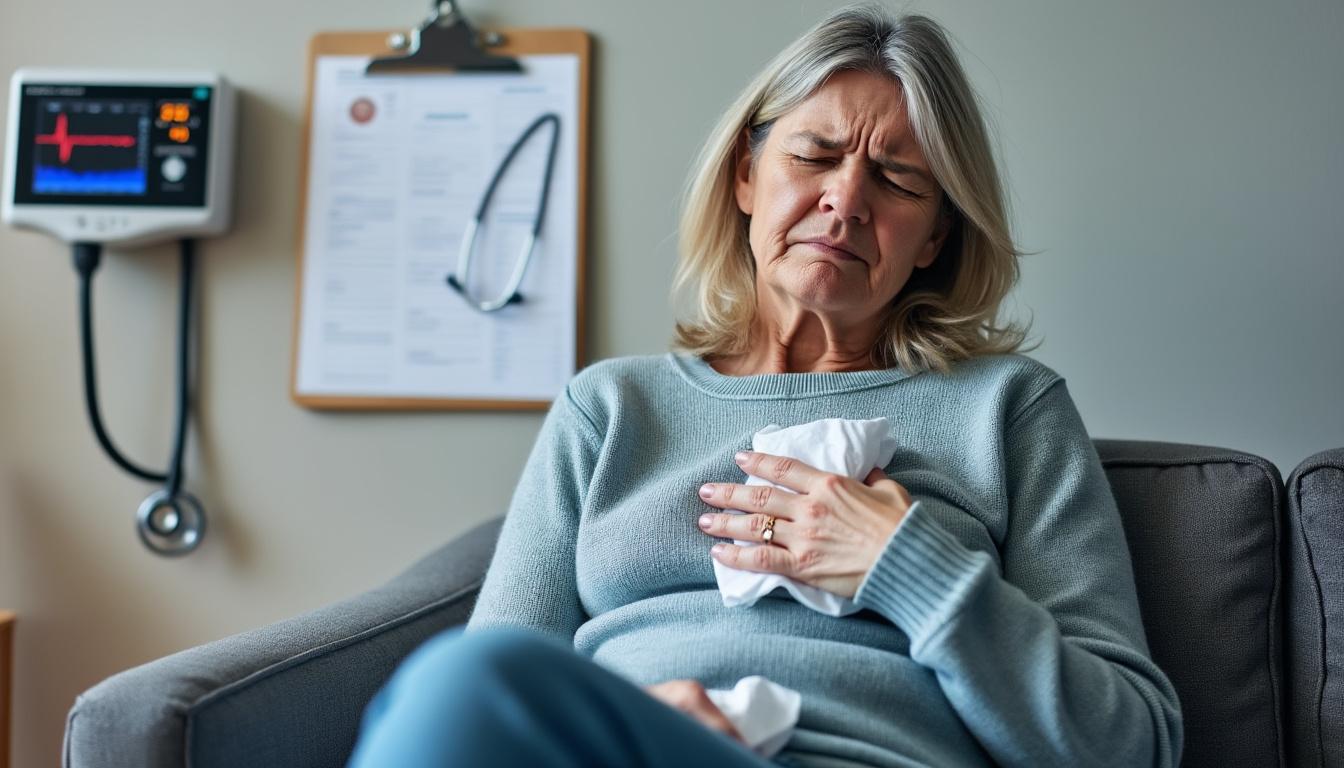
Women are frequently the caretakers within families and communities, often placing their needs last. This mindset contributes heavily to why many heart attack warning signs go unnoticed or are mistakenly attributed to non-cardiac causes like stress. For countless women, unusual symptoms are normalized or explained away with phrases such as, “I’m just tired,” or “It’s probably menopause,” which delays critical intervention.
The confusion between stress vs heart attack symptoms is a major barrier to early diagnosis. Symptoms like fatigue, shortness of breath, dizziness, and nausea overlap significantly with those triggered by high stress or anxiety. Without pronounced chest pain, many women fail to link these signs to heart issues.
Such misinterpretations are common because the healthcare and media narratives have traditionally framed heart attacks with dramatic chest pain and left arm discomfort—symptoms more prevalent in men. This male-centric focus has contributed to misconceptions, overshadowing the nuanced symptoms women face.
For example, imagine Sarah, a 52-year-old woman experiencing persistent fatigue, mild jaw discomfort, and episodes of slight nausea. She initially credits these to work burnout and stressful family events. It’s only after weeks of symptoms that she visits a healthcare provider, who diagnoses her with significant coronary artery disease.
Stories like Sarah’s emphasize the vital importance of recognizing that female silent heart attack signs can defy expectations and that self-care should include attention to unexplained symptoms.
This gap in awareness has started to close due to campaigns such as those by the WomenHeart organization, which illuminates often overlooked women cardiovascular health issues.
By educating women and healthcare professionals about symptom variations, both sides can be more vigilant in distinguishing stress from serious cardiovascular distress—even when symptoms are subtle or unusual.
Comparing Women’s Heart Attack Symptoms with Men’s: Unique Indicators to Watch
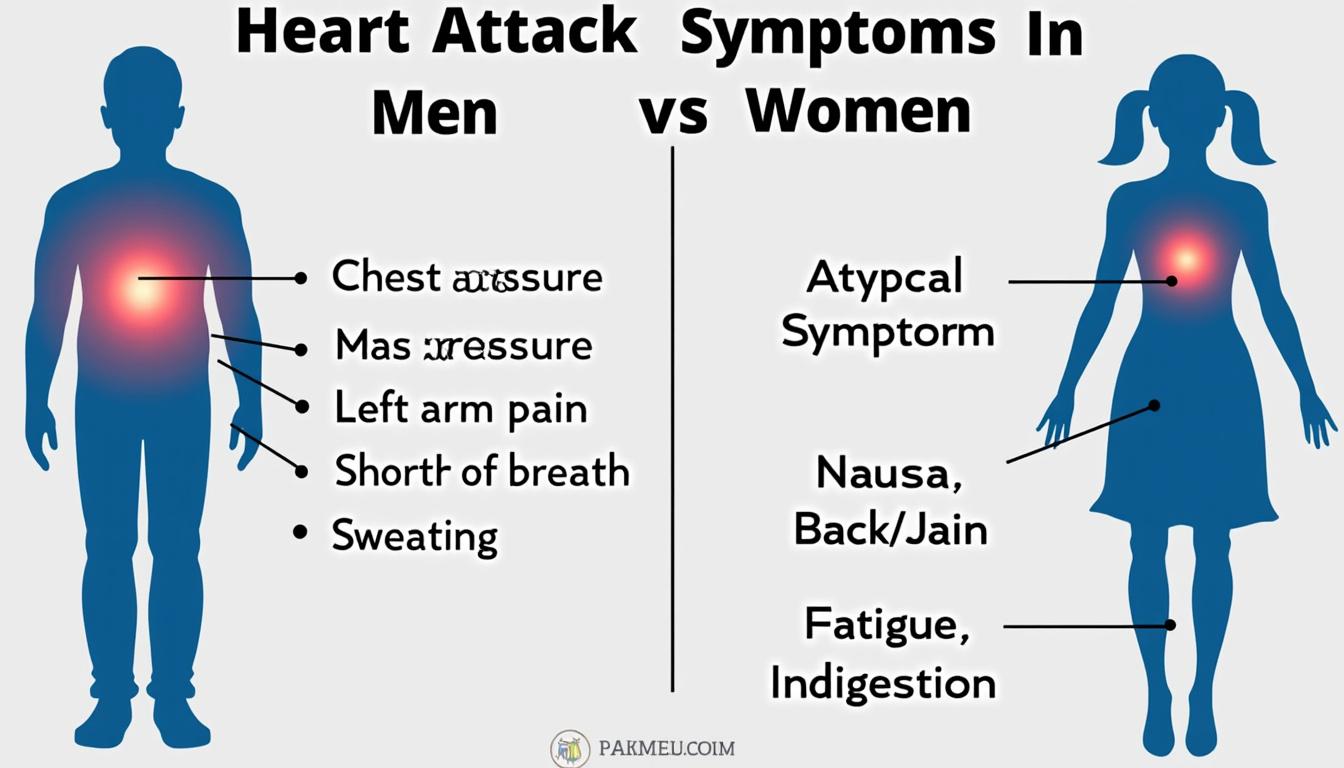
One key reason women’s heart attacks are often missed is the difference in symptom presentation compared to men. While men commonly experience intense chest pain, women’s symptoms tend to be more varied and less dramatic, frequently described as atypical heart attack symptoms.
Common signs reported by women include:
- Unusual fatigue: profound exhaustion disproportionate to typical activities.
- Shortness of breath: difficulty catching breath during routine movement such as walking or climbing stairs.
- Upper back, neck, or jaw pain: discomfort that is often mistaken for muscular pain or dental problems.
- Nausea or indigestion-like symptoms: sometimes confused with stomach upset or viral illness.
- Lightheadedness or dizziness: episodes leading to faintness or an unsteady feeling.
Chest discomfort in women may not always manifest as sharp pain; instead, it may feel like pressure, fullness, or a mild aching sensation. This subtlety in symptom quality contributes to many women not recognizing the urgency of their condition.
Recent research and expert panels, like those detailed by the Verywell Health resource, have consistently highlighted this spectrum of signs and symptoms specific to women, underscoring the need for updated clinical guidelines and public knowledge.
In clinical settings, acknowledgment of such gender-specific differences has led to tailored diagnostic techniques, including more sensitive cardiac imaging and biomarker assessments for women exhibiting ambiguous symptoms.
Consequently, educating both patients and healthcare providers about these disparities plays a critical role in ensuring timely diagnosis and treatment, which directly affects survival and recovery rates.
Midlife and Beyond: How Hormonal Changes Impact Heart Health in Women
The period around menopause marks a significant transition in a woman’s cardiovascular risk profile. As estrogen declines, women experience physiological changes that increase vulnerability to heart disease. This phase underscores the importance of vigilance concerning heart health women should prioritize.
Estrogen has protective effects, such as maintaining healthy cholesterol levels and supporting blood vessel function. After menopause, women often face:
- Elevated LDL cholesterol and reduced HDL cholesterol.
- Higher blood pressure levels.
- Slowed metabolism leading to changes in weight distribution, especially increased abdominal fat.
These factors contribute to an increased likelihood of developing atherosclerosis and other cardiovascular conditions. However, midlife does not mean heart disease is definite. Instead, it represents a critical window for adopting preventive strategies.
Women in this age group are encouraged to embrace lifestyle changes that fortify cardiovascular health. These include regular exercise, balanced nutrition rich in whole foods and lean proteins, stress management, and routine health screenings to monitor blood pressure, cholesterol, and glucose.
Nurturing heart health also means addressing modifiable risks such as smoking cessation and limiting exposure to environmental hazards like air pollution, which studies have linked to increased cardiovascular risk.
Committing to heart-healthy habits during midlife can dramatically alter the trajectory toward heart disease and improve quality of life in later years. This proactive approach is essential given the silent progression of cardiovascular disease in many women.
Simple Daily Habits That Dramatically Improve Heart Health and Support Early Detection
Establishing heart-supportive daily routines is one of the most effective ways for women to protect themselves against heart disease and recognize early heart attack symptoms swiftly. After decades of observing patterns in female health, it is clear that small, consistent actions yield powerful benefits.
Here is a list of essential daily habits that can bolster cardiovascular wellness and aid in early symptom recognition:
- Walk consistently: Aim for brisk walking 30 minutes most days. Walking enhances circulation, aids blood pressure control, and promotes heart endurance. Begin with shorter walks if necessary, gradually increasing time and pace.
- Engage in strength training two to three times weekly: Muscle mass supports metabolic function and glucose regulation. Exercises like squats, lunges, rows, and core strengthening can be done with resistance bands or light weights.
- Prioritize protein and whole foods in your diet: Lean proteins, fresh vegetables, fruits, whole grains, and healthy fats such as olive oil help maintain muscle and stabilize blood sugar.
- Manage stress effectively: Chronic stress is detrimental to heart health. Strategies include deep breathing, yoga, walking outdoors, taking screen breaks, and nurturing strong social connections.
- Listen to your body: Awareness of changes such as unexplained fatigue, shortness of breath, or jaw discomfort can prompt timely medical visits and prevent delayed treatment.
Implementing these practices is about fostering a dialogue between your body and mind. With improved awareness and habit formation, women can drastically reduce the risk of severe heart events.
For more tips on developing these healthy habits adapted to women’s unique needs, see the detailed guidance at Local Physician Reveals How Simple Daily Habits Shield Your Heart Health.
What are common heart attack symptoms women often overlook?
Women frequently overlook symptoms like unexplained fatigue, nausea, shortness of breath, upper back or jaw pain, and mild chest discomfort that differs from classic male symptoms.
How can I differentiate between stress and heart attack symptoms?
While stress and heart attacks share symptoms such as fatigue and shortness of breath, heart attack symptoms tend to be sudden, persistent, and accompanied by additional signs like jaw pain or nausea. When in doubt, seek immediate medical evaluation.
Why does menopause increase the risk of heart disease?
During menopause, estrogen levels decline, leading to higher cholesterol, increased blood pressure, and metabolic changes, all of which contribute to increased cardiovascular risk.
What daily habits improve cardiovascular health for women?
Consistent moderate exercise like walking, strength training, balanced nutrition focusing on protein and whole foods, and stress management are key habits that support heart health.
When should a woman seek medical advice for fatigue or other subtle symptoms?
If fatigue is sudden, unexplained, persists several days, or is accompanied by symptoms like shortness of breath, nausea, dizziness, or unusual discomfort in the back, jaw, or chest, immediate medical consultation is recommended.
