


For years, many older adults have watched friends and family members lose meaningful weight on newer “glp-1” medications—only to discover that Medicare generally won’t cover anti-obesity drugs when they’re prescribed specifically for weight loss. That may soon start to change.
The centers for medicare & medicaid services (cms) has announced a voluntary model called balance (better approaches to lifestyle and nutrition for comprehensive hEalth). The goal: make certain high-demand glp-1 medicines more affordable for eligible people with medicare and medicaid, while pairing medication access with lifestyle support and keeping an eye on taxpayer cost.
If you’re a medicare beneficiary—or you help a parent manage their health—here’s what this new approach could mean, what it does not guarantee, and the practical questions to ask before you get your hopes (or your prescriptions) too high.
First, a quick refresher: what are glp-1 drugs and why do they matter for older adults?

Glp-1 medications (glucagon-like peptide-1 receptor agonists) are part of a class of drugs used to treat metabolic disease. Some are approved for type 2 diabetes, others for chronic weight management, and research continues to explore additional benefits for heart and kidney health.
For seniors, the “why” is straightforward: excess weight and metabolic issues can raise the risk of problems that hit harder after 60—type 2 diabetes complications, high blood pressure, sleep apnea, arthritis pain, fatty liver disease, and cardiovascular events. When a medication helps improve weight and metabolic markers, it can sometimes make daily life easier: walking, sleeping, climbing stairs, or managing blood sugar.
But it’s also true that older adults can be more sensitive to side effects and to unintended consequences like dehydration or loss of muscle mass. That’s why any expansion of access is only part of the story—the “how” matters just as much as the “what.”
Why medicare hasn’t covered weight-loss drugs in the past
Under current law, medicare part d has long excluded medications “used for weight loss.” In practice, that has meant a frustrating split:
- Some glp-1 drugs may be covered when prescribed for a covered indication such as diabetes (and, in certain cases, other conditions where a specific drug has an approved medical use).
- Those same (or closely related) drugs may not be covered when the prescription is specifically for obesity treatment.
In 2024, the biden administration proposed a reinterpretation that could have opened the door to broader coverage for obesity as a chronic disease, but that effort was halted in 2025. Now, instead of rewriting the rule, the new approach uses a cms innovation model and a separate demonstration to test a different pathway to access.
What cms just announced: the balance model and the $50 monthly cost
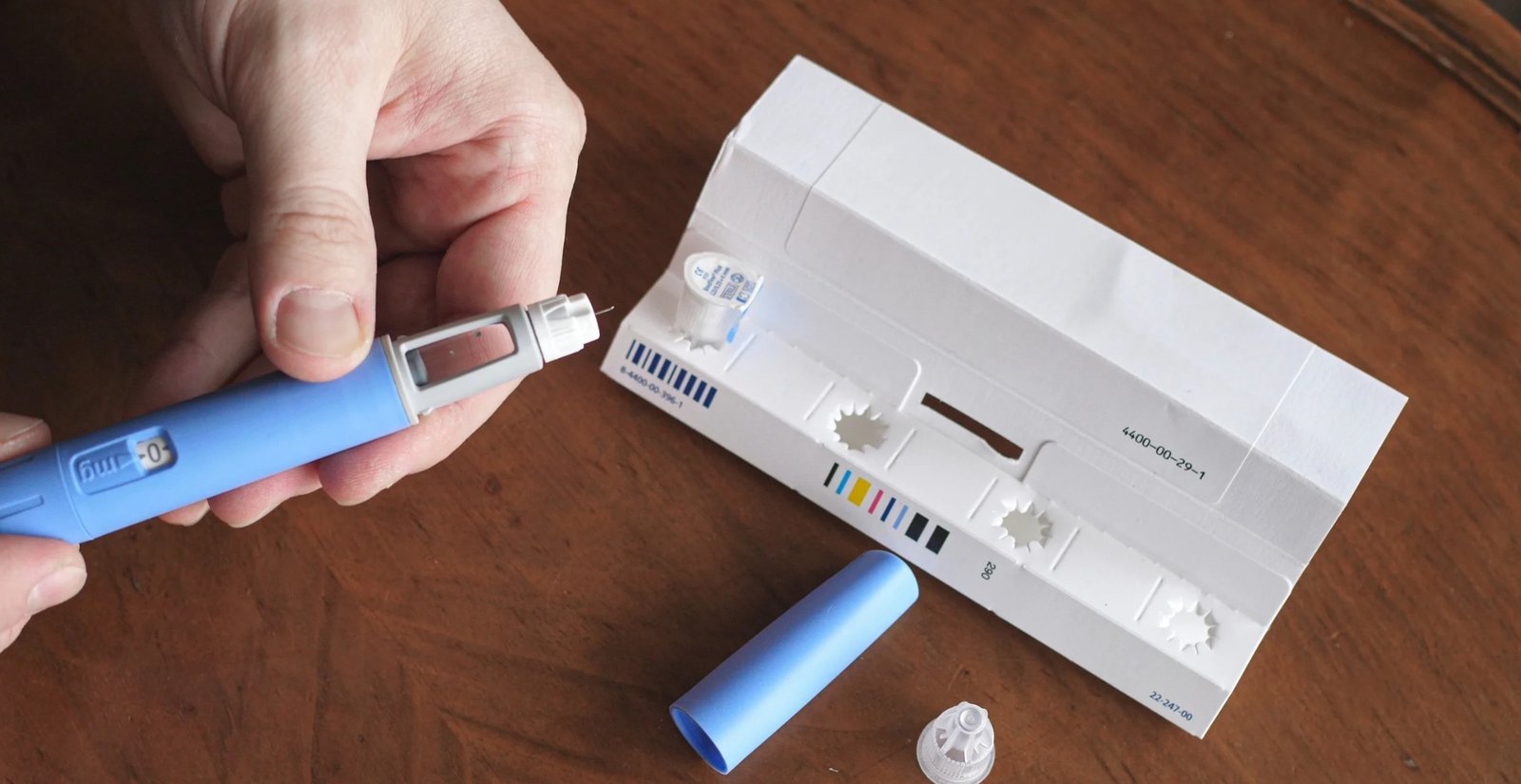
The headline detail getting the most attention is simple: eligible medicare beneficiaries would pay $50 for a month’s supply of certain glp-1 medications under the planned medicare demonstration and the balance model.
Here’s the structure cms laid out:
- A short-term medicare glp-1 payment demonstration is planned to begin in july 2026 as a bridge.
- The balance model is expected to launch:
- for medicaid as early as may 2026
- for medicare part d in january 2027
- Model testing is scheduled to run through december 2031.
Another important design detail: cms says the bridge demonstration would operate outside the normal medicare part d coverage and payment flow—meaning part d plans would not carry the same financial risk for these specific products during that bridge period. For beneficiaries, the key takeaway is that cms is trying to speed up access while it builds the longer-term model.
Will everyone on medicare get these drugs for $50? no—and that’s the catch
This is not a universal “free-for-all” coverage change. Cms has been clear that:
- Participation is voluntary for manufacturers, states, and part d plans.
- Coverage is not guaranteed for every individual, even if the model exists in your area or your plan participates.
- Eligibility criteria will be negotiated and may include prior authorization requirements.
In plain english: this is a new door—but you may still need the right key (medical criteria, documentation, plan participation, and potentially step requirements) to walk through it.
Who might qualify: the likely focus on higher-risk seniors
Exact rules can change as negotiations finalize, but reporting around the program and related pricing agreements suggests the target population is expected to be older adults with obesity or overweight plus serious metabolic or cardiovascular risk.
That typically means people who meet clinical prescribing criteria (often based on bmi thresholds) and also have conditions that raise the stakes, such as:
- prediabetes or high diabetes risk
- established cardiovascular disease (such as prior heart attack or stroke)
- uncontrolled high blood pressure
- advanced kidney disease or other significant metabolic complications
It’s also been estimated that only a fraction of medicare beneficiaries would qualify under these kinds of criteria—figures around about 10% have been cited in discussions of the expanded access approach tied to the broader pricing deal.
What the “lifestyle support” piece could mean for seniors
One distinctive element of the balance model is that it ties medication access to evidence-based lifestyle support. Cms has indicated that people receiving glp-1s for weight management under the model would be provided access to a lifestyle program offered by the manufacturer at no cost.
For older adults, a well-designed support program matters because the goal isn’t just weight loss—it’s better function: preserving strength, preventing falls, protecting bone health, and managing energy and appetite in a healthy way.
If you or your loved one enrolls, ask what the lifestyle support includes. The most useful programs for seniors usually cover:
- protein and meal planning (to reduce muscle loss risk)
- strength and balance-friendly movement (often chair-based options)
- hydration and constipation prevention
- how to manage nausea without skipping too many calories
- how to maintain weight loss if/when the medication is stopped
What about the price: why $50 matters, and what might still cost more
A predictable $50 monthly cost is a big psychological and financial change for seniors who have seen these drugs priced far higher. But it’s wise to keep expectations realistic:
- $50 is tied to eligibility and program structure. If you don’t meet the criteria, the discount may not apply.
- Not all plans or states may participate. Access could vary by where you live and which part d plan you have.
- Other health costs still exist. Labs, follow-ups, nutrition counseling, and management of side effects may create additional appointments.
Also, pay attention to timing: the bridge demonstration starts in july 2026, and the broader part d model starts in january 2027. If you see ads claiming you can get a guaranteed $50 glp-1 “right now,” treat that as a red flag and verify through official channels.
Side effects and safety: what older adults should watch closely
Glp-1 medications can be life-changing for some people, but they are not “set it and forget it” drugs—especially after 65. Common side effects can include nausea, vomiting, diarrhea or constipation, and reduced appetite. For seniors, the risks that deserve extra attention include:
- dehydration (which can worsen dizziness, kidney function, and fall risk)
- unintended under-eating (leading to fatigue and nutrient gaps)
- loss of muscle mass if weight drops quickly without strength work and adequate protein
- medication interactions, especially if appetite changes affect how you tolerate other drugs
If you’re considering a glp-1, talk to your clinician about a “senior-safe plan” that includes target protein, hydration goals, and a simple resistance routine. The best outcome isn’t the lowest number on the scale—it’s better mobility, better labs, and better quality of life.
How to prepare if you want to pursue coverage
If you think you (or a loved one) could be a candidate, here are practical steps you can take now, before the timelines arrive:
- Gather your documentation: recent weight history, bmi, a1c, blood pressure readings, diagnosis list, and cardiovascular history.
- Ask your doctor directly: “if the cms criteria include prior authorization, what would you document for me?”
- Review your part d plan: confirm formulary rules and ask how they handle prior authorization for glp-1 drugs used for covered conditions today.
- Plan your monitoring: a simple schedule for weight, blood pressure, hydration, and any symptoms—especially in the first 8–12 weeks.
- Be skeptical of shortcuts: avoid “instant approval” offers that sound too easy. programs like this tend to have formal criteria.
The bigger picture: a policy shift that could reshape senior metabolic care
Whether you love or hate the politics, the public-health reality is hard to ignore: a large share of older americans live with overweight or obesity, and that raises the risk for chronic disease. Cms has framed this model as a way to expand access to medications that may help prevent or slow conditions such as diabetes and cardiovascular disease, while testing whether negotiated pricing and lifestyle support can improve outcomes without exploding costs.
For seniors, the most useful mindset is balanced: cautious optimism. If you qualify, $50 monthly access could remove a major barrier. But success will still depend on the basics—nutrition, movement, sleep, and careful medical follow-up—because after 70, “healthy weight loss” should always mean healthy strength retention.
Frequently asked questions
Does this mean medicare now covers weight-loss drugs?
Not in the blanket sense. Medicare’s longstanding exclusion still exists, but cms is using a demonstration and a voluntary model to create a pathway for access under negotiated terms for eligible beneficiaries.
When could people actually get these drugs through the new approach?
Cms has said a bridge demonstration is planned for july 2026, with the balance model in medicaid as early as may 2026 and in medicare part d in january 2027.
Will i definitely qualify if i have obesity?
Not necessarily. Eligibility is expected to depend on negotiated criteria and may include additional health conditions and prior authorization requirements. Participation also depends on manufacturers, states, and plans.
Is it safe for seniors?
Many seniors use these medications successfully, but safety depends on individual health status, kidney function, other medications, and close monitoring—especially to prevent dehydration and muscle loss. Always discuss risks and benefits with your clinician.
