
Close Menu
    Follow us on Google News
    Follow Livewell Magazine on Google News
    Facebook X (Twitter) Instagram
    LiveWell Magazine
    Facebook
    Follow LiveWell Magazine on Google News
    • Cancer

      Healthy Dad’s Unexpected Cancer Diagnosis Revealed After Ignoring Nighttime Bathroom Trips: ‘A Heartbreaking Surprise’

      February 22, 2026

      BREAKING NEWS: Gene therapy for sickle cell disease: a medical breakthrough still out of reach for many

      December 29, 2025

      How Your Drinking Habits Could Significantly Increase Your Cancer Risk

      December 28, 2025

      Could the time of day you get cancer treatment affect survival? What a new lung cancer study suggests

      December 25, 2025

      Can exercise lower cancer risk? what the science suggests (and what to do today)

      December 22, 2025
    • Fitness

      The best workouts for busy people

      March 3, 2026

      A Fitness Trainer’s Perspective: How My Approach Transformed from 40 to 60

      March 2, 2026

      Healthy Living: Dr. Angela Haskins Embraces Peloton Workouts for Fitness

      February 2, 2026

      The “protein first” trick: protect muscle and stay full during holiday meals

      January 11, 2026

      FDA eases rules on fitness wearables: great news for seniors staying active!

      January 7, 2026
    • Health

      Federal Judge Hits Pause on HHS Secretary Kennedy’s Vaccine Policy Overhaul

      March 18, 2026

      Medicare Advantage Shifts: Payments to Plans Increase as Enrollment Hits a New Record

      March 18, 2026

      The battle over “$0 premium” plans: What’s at stake for your healthcare?

      February 19, 2026

      Early cholesterol treatment in kids may prevent heart disease for life

      January 28, 2026

      Functional medicine: a personalized approach to healthcare

      January 27, 2026
    • Lifestyle

      Everyday Habits Dentists Say Are Secretly Damaging Your Teeth

      March 16, 2026

      Essential Evening Habits to Improve Your Blood Sugar Levels, According to Experts

      March 15, 2026

      Unlocking the Psychology of the ‘Fresh Start Effect’: Why Spring Sparks the Ultimate Time for Renewal

      March 14, 2026

      Evening Habits to Embrace After 5 P.M. for Promoting Healthy Aging, According to Experts

      March 14, 2026

      The Top Habit to Quit for Lowering Your Dementia Risk, Experts Reveal

      March 13, 2026
    • Nutrition

      Remarkable Health Benefits of Prunes That Transform Them into a Nutritional Powerhouse

      March 6, 2026

      Top 4 Vegetables to Boost Liver Health, Recommended by Registered Dietitians

      February 27, 2026

      Major Updates to Oklahoma SNAP Benefits as Healthy Food Waiver Takes Effect

      February 16, 2026

      Nutrition and health: the importance of a balanced diet for optimal well-being

      January 30, 2026

      Top 10 Healthy Eating Habits Nutrition Experts Recommend Embracing in 2026

      January 4, 2026
    • Senior

      Wound Care Revolution: How a New Medicare Payment System Aims to Cut Waste in Senior Care

      March 19, 2026

      The $2,000 Cap is Here: How the New Annual Out-of-Pocket Drug Limit Saves Seniors Thousands

      March 17, 2026

      Why Conventional Health Tips Might Shift After Turning 50

      March 15, 2026

      The Unexpected Superfood to Boost Your Health as You Get Older, Reveals New Research

      March 1, 2026

      TrumpRx.gov Launched: How Seniors Can Access 80% Discounts on Prescription Drugs Starting This Month

      February 26, 2026
    • Trends

      Transparency at HHS: How the New “Radical Transparency” Initiative Aims to Expose Big Pharma Conflicts

      March 13, 2026

      How Wearable Technology Could Spark a Revolution in Healthier Living

      February 5, 2026

      Early cholesterol treatment in kids may prevent heart disease for life

      January 28, 2026

      Wearable health devices: the future of personalized medicine?

      January 27, 2026

      AI in healthcare: ethical considerations and promising applications

      January 26, 2026
    • Wellness

      Stephen A. Smith Blasts Pelicans: ‘Y’all Have Been Trash’ After Critiquing Zion Williamson

      March 19, 2026

      Simple and Effective Health Hacks for Busy Lives

      February 28, 2026

      Longevity Expert Reveals His Daily Wellness Rituals: How He Intentionally Applies Cutting-Edge Research to His Life

      February 8, 2026

      Comprehensive Meta-Analysis Reveals Diverse Strategies to Enhance Subjective Well-Being

      February 1, 2026

      Nutrition and health: the importance of a balanced diet for optimal well-being

      January 30, 2026
    Subscribe
    LiveWell Magazine
    Home»Health & Safety»“The good old days” aren’t always safer: baby safety myths to let go of
    Health & Safety

    “The good old days” aren’t always safer: baby safety myths to let go of

    Frank JostBy Frank JostNo Comments
    Facebook Twitter Email WhatsApp Pinterest LinkedIn Reddit Telegram Threads
    ensure your baby's safety with essential tips, trusted products, and expert advice to keep your little one protected at all times.
    Share
    Facebook Twitter LinkedIn Email Reddit Telegram WhatsApp Threads

    It’s a familiar, comforting thought: “Back in my day, things were simpler… safer.” We often look back through a golden haze of nostalgia, remembering long summer days of unsupervised play and a world that felt less complicated. This longing for the “good old days” is a natural human tendency, a way to make sense of a rapidly changing present. We recall the freedom of childhood and sometimes wonder if today’s youth, with their structured schedules and endless safety rules, are missing out. It’s a sentiment born from love and the desire to see the next generation thrive.

    However, when we gently push past the warm glow of memory and look at the facts, a different picture emerges. The world our grandchildren are growing up in has never been safer, thanks to decades of research, innovation, and a deeper understanding of child development and health. While past generations did the absolute best they could with the knowledge available, we now have the benefit of hindsight and science. This isn’t a critique of the past, but rather a celebration of progress. Embracing this evolution allows us to combine the timeless wisdom of experience with the life-saving advancements of today, creating a truly powerful legacy of care for our families.

    In Brief: Yesterday’s Norms, Today’s Myths

    • Nostalgia often colors our perception, making the past seem safer than it was.
    • Many practices once considered normal are now known to be significant safety risks for babies and children.
    • Key areas of improvement include car safety, sleep safety, product regulations, and healthcare.
    • Modern safety standards are not about fear, but about empowering parents and caregivers with knowledge to prevent accidents.
    • Supporting new parents means embracing progress while sharing timeless wisdom and love.

    Rethinking the Rearview Mirror: Childhood Safety Then and Now

    It’s easy to see why we might believe children were safer in the past. News cycles in 2025 can feel overwhelming, highlighting dangers that seem to lurk around every corner. Yet, statistics paint a very different, and much more optimistic, story. According to extensive data, accidental death rates for children have plummeted over the last several decades. The most dramatic improvements are seen in areas that were once commonplace risks.

    Related Article :  New treatment for migraines gets green light - and it works in 15 minutes !

    Think about car travel. Many of us remember road trips with kids lying down in the back window or bouncing on the seats. Today, meticulously engineered car seats have reduced the risk of fatal injury in a crash by over 70% for infants. Similarly, our homes are safer. The establishment of the Consumer Product Safety Commission in the 1970s led to regulations that took lead out of paint, demanded safer crib designs, and ensured toys didn’t pose choking hazards. This progress is a testament to our growing ability to protect our youngest and most vulnerable, reflecting a shift toward proactive, evidence-based care. The focus on the impact of childhood habits on adult health begins with creating the safest possible environment from day one.
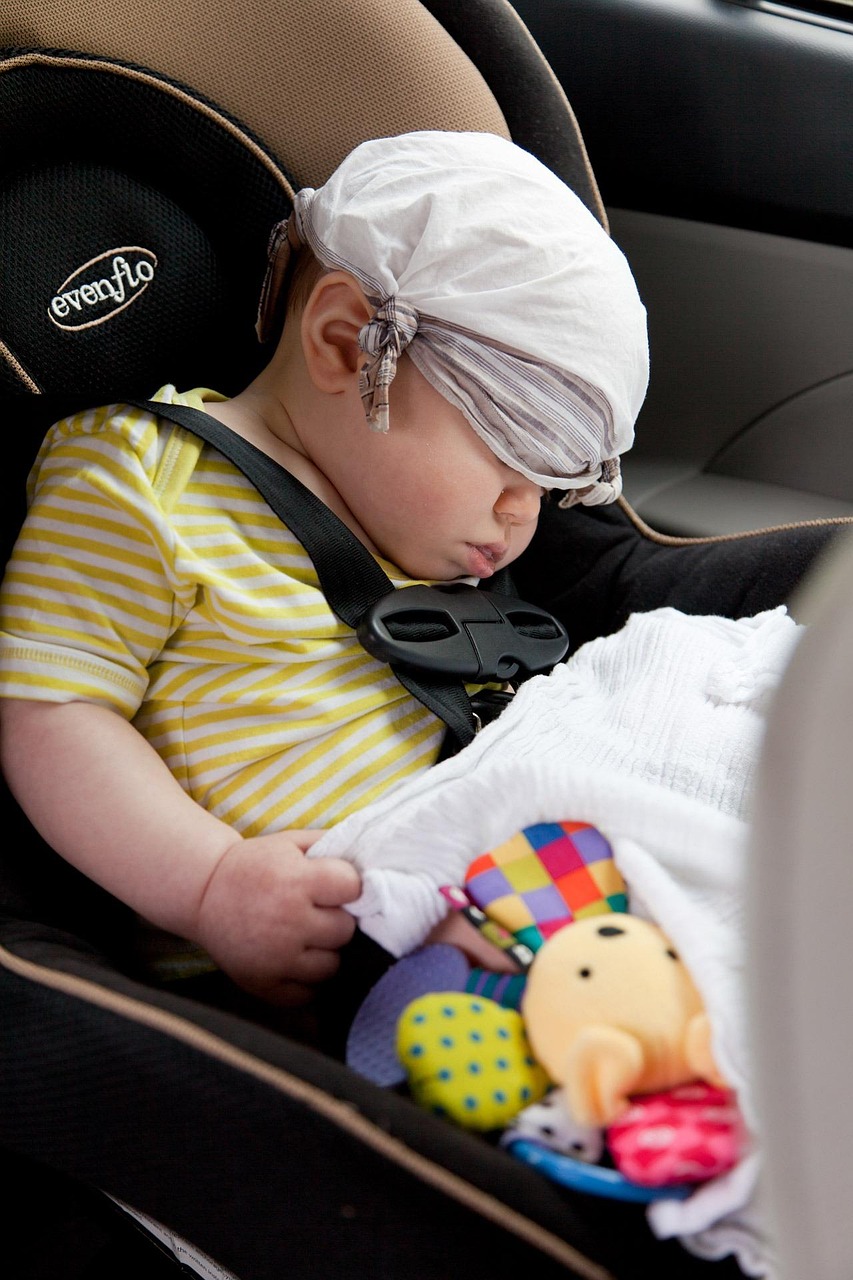
    discover essential tips and products for ensuring your baby's safety at home and on the go. keep your little one protected with our expert advice on baby safety.

    From Cherished Memories to Safer Realities

    It’s crucial to separate fond memories from objective safety. We cherish the stories of our own childhoods, but some of the practices from those days are best left in the photo albums. For instance, the “Back to Sleep” campaign, which began in the 1990s, has been credited with cutting the rate of Sudden Infant Death Syndrome (SIDS) by more than 50%. This simple change—placing babies on their backs to sleep—is a powerful example of how new knowledge saves lives.

    Mary, a 72-year-old grandmother from Florida, shares her perspective: “I raised three kids, and we put them to sleep on their tummies with soft blankets because we thought it was cozy. When my daughter had her first baby, she insisted on an empty crib and a sleep sack. I was skeptical at first, but then I read the research. It’s not about saying we were wrong; it’s about being grateful that our grandkids get to be safer. We’re learning new things all the time, even simple advice like why you should wait to give a newborn their first bath.” This shift in understanding reflects a broader commitment to continuously improving child welfare.

    Related Article :  Gene therapy for sickle cell disease: a medical breakthrough still out of reach for many

    A Legacy of Love: Blending Wisdom with Modern Knowledge

    As grandparents and elders, our role is invaluable. We are the keepers of family history and providers of unconditional love. The greatest gift we can offer the new parents in our lives is our support—and that includes supporting their choices to use modern, safer methods. Instead of saying, “We never did that, and you turned out fine,” we can ask, “That’s interesting, tell me more about why that’s recommended now.” This approach opens the door for connection, not conflict.

    This journey includes understanding modern approaches to everything from nutrition to physical activity. When parents today focus on nurturing healthy habits in children, they are building on the foundation of love and care that we provided, but with more tools and information at their disposal. The goal remains the same: to raise happy, healthy, and resilient children.

    Today’s Top Safety Wins for Little Ones

    Here are just a few of the advancements that make childhood safer today:

    • Advanced Car Seats 🚗: Engineered and tested to protect children in crashes, a standard non-existent 50 years ago.
    • Safe Sleep Practices 😴: Clear guidelines on sleep positions and environments have drastically reduced SIDS rates.
    • Bike Helmets 🚲: Now a standard piece of equipment, helmets have been proven to prevent serious head injuries.
    • Smoke and Carbon Monoxide Detectors 🔥: These simple devices provide early warnings that have saved countless families.
    • Childproof Packaging 💊: Innovations in packaging for medications and cleaning products prevent accidental poisonings.

    essential tips and products to ensure your baby's safety at home and on the go. learn how to create a secure environment for your little one.

    A Generation of Care: Then vs. Now

    Comparing past and present parenting norms highlights the incredible journey of progress in child safety.

    Safety Area Common Practice in “The Good Old Days” Evidence-Based Standard Today
    Car Travel 🚗 No restraints; babies in laps or portable bassinets on the seat. Rear-facing and forward-facing car seats based on age, weight, and height.
    Sleep Environment 🌙 Babies placed on stomach with soft blankets, pillows, and bumpers. Baby on back in an empty crib with a firm mattress and no loose bedding.
    Household Safety 🏠 Open access to cleaning supplies; lead-based paint common. Child-safety locks, regulated product formulas, and strict lead paint laws.
    Health & Wellness ❤️‍🩹 Limited vaccine schedules; home remedies for serious illnesses. Comprehensive immunization schedules; focus on preventative care and wellness.

    Ultimately, a parent’s and grandparent’s love is timeless. That love, combined with today’s life-saving knowledge, creates the best of both worlds. The thoughtful preparation that goes into packing a modern hospital bag is a small symbol of this larger trend: we prepare better because we know more. We can all be proud of this incredible progress. After all, a parent’s own wellness, such as finding time for postpartum exercise after bringing baby home, is also part of this holistic, healthier approach to family life.

    Related Article :  What nobody tells you about parenting & family — until it's too late

    The illustration photo accompanying this article was generated by an artificial intelligence model. Fictional testimonials may have been included for illustrative purposes.

    Why are there so many more ‘rules’ for baby safety today?

    Today’s safety guidelines are the result of decades of scientific research, data collection, and tragic lessons learned from preventable accidents. ‘Rules’ like car seat laws or safe sleep recommendations aren’t meant to make parenting harder, but to provide clear, proven methods to keep children safe from the most common risks.

    Is it true that kids were tougher ‘back then’ because they didn’t have all these safety measures?

    While children are resilient, the idea that fewer safety measures made them ‘tougher’ is a myth. Unfortunately, many children in the past suffered from preventable injuries, illnesses, and even death that we can now avoid. Today’s safety focus allows children to grow up healthier and with fewer serious accidents, giving them a better opportunity to thrive.

    How can I support my children’s parenting choices when they are so different from how I raised them?

    The best way to offer support is with an open mind and a loving heart. Try to listen and learn about their reasoning before offering advice. Phrases like, ‘That’s different from how we did it, can you tell me about the new recommendation?’ show respect and curiosity. Your wisdom is invaluable, and it’s most effective when shared in a collaborative, supportive partnership with the new parents.

    baby safety baby safety myths child safety parenting myths the good old days
    Follow on Google News
    Share. Facebook Twitter LinkedIn Email WhatsApp Reddit Telegram Threads Copy Link
    Previous ArticleHow to talk to kids about tragic events without scaring them
    Next Article Cyberbullying is real—and it hurts: how to protect your child (and grandchild) online
    Avatar photo
    Frank Jost

    Frank is a seasoned media consultant for LiveWell Magazine, with over two decades of experience in the digital media landscape. His expertise spans online publishing, audience engagement strategies, and health communication. A recognized expert in mutual health insurance, Frank brings a unique perspective that bridges the gap between public health awareness and digital storytelling. He is passionate about making reliable health information accessible to all, and continues to help readers navigate the complexities of wellness and insurance in the digital age. https://www.linkedin.com/in/frank-jost-2097104/

    Continue reading

    Jerry O’Connell Opens Up About Rebecca Romijn’s Surprising Ultimatum

    By FRANK JOST

    2026 Medicare Premium Alert: Here’s the Breakdown of New Deductibles and Part B Costs

    By Frank Jost

    Cardiologist Shares Crucial Three-Word Advice for High Blood Pressure Patients

    By FRANK JOST

    Why Cardiologists Urge a Specialized Heart Scan for Optimal Health After Age 40

    By FRANK JOST

    Hospital Price Tag Reveal: New Federal Law Requires Every Hospital to Post Prices Prominently

    By Frank Jost

    Direct-to-Patient Subsidies: What the White House Move Toward Health Savings Accounts Means for Your 2026 Coverage

    By Frank Jost

    Persistent Migraine: Neurologist-Approved Solution for Instant Anesthetic Relief

    By Amelie Goujon

    The “Plain English” Mandate: New White House Rules Force Insurers to Reveal Denied Claims and Wait Times

    By Frank Jost

    A Pleasant-Smelling Home Isn’t Always Safe: Doctor Warns About the Dangers of Fumigation

    By Amelie Goujon

    Climate change and public health: the urgent need for action

    By Amelie Goujon

    Health misinformation: the silent killer in the age of social media

    By Amelie Goujon

    Telehealth’s potential in addressing rural healthcare disparities

    By Amelie Goujon
    Add A Comment
    Leave A Reply Cancel Reply

    Subscribe to Our Newsletter

    Join the Live Well Magazine Newsletter and get exclusive tips on health, wellness, lifestyle, and personal growth — straight to your inbox.

    Trending
    Women’s Health

    How a Simple Afternoon Routine Could Transform Health for Women Over 50

    Trending

    Shirtless Robert F. Kennedy Jr. Devours a Twinkie in Viral Wrestling Showdown — and It’s Epic!

    Senior

    Wound Care Revolution: How a New Medicare Payment System Aims to Cut Waste in Senior Care

    Women’s Health

    The Overlooked Early Heart Attack Warning Signs That Women Often Mistake for Stress

    Health Resources

    Federal Judge Hits Pause on HHS Secretary Kennedy’s Vaccine Policy Overhaul

    Healthy Recipes

    Nutritious Packed Lunch Ideas That Will Make You Say Goodbye to Boring Meals

    Facebook
    • About us
    • Contact us
    • Contributors
    • Legal
    • Privacy
    © 2026 livewellmagazine.org.

    Type above and press Enter to search. Press Esc to cancel.