

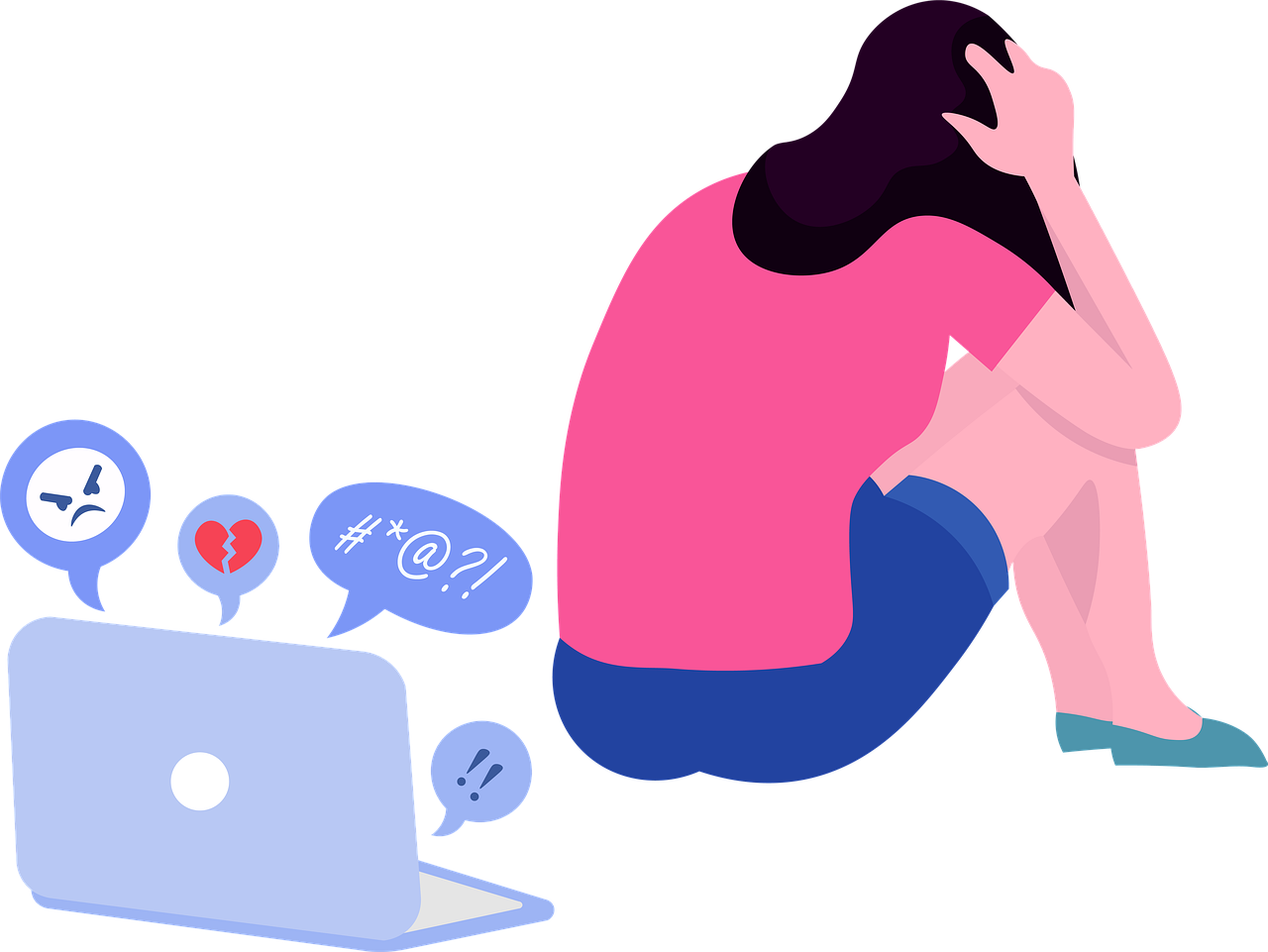
In a world where childhood friendships are forged as much in online gaming lobbies as they are on the school playground, the challenges our children and grandchildren face are vastly different from those of our own youth. The digital landscape is a place of incredible connection and learning, but it also holds hidden shadows, with cyberbullying emerging as a significant concern for families everywhere. For grandparents, who are often pillars of wisdom and comfort, understanding this new frontier can feel daunting. Yet, your role has never been more vital. You have a unique opportunity to be a beacon of support, helping to build a bridge of communication and resilience that can protect your loved ones from the hurt of online harassment. This isn’t about becoming a tech expert overnight; it’s about leading with love, listening with an open heart, and empowering the young people in your life to navigate their world with confidence and kindness.
In Brief: Your Guide to Tackling Cyberbullying
- Cyberbullying is the use of digital technology to harass, threaten, or embarrass someone. It happens on social media, in messaging apps, and during online games.
- Open and non-judgmental communication is your most powerful tool. Create a safe space for your grandchild to share their experiences.
- Watch for subtle changes in behavior, such as withdrawal, anxiety around devices, or a sudden drop in school performance.
- You can take practical steps like learning about privacy settings and creating a family tech plan together.
- The ultimate goal is to build resilience, teaching children and teens how to handle online negativity and foster a strong sense of self-worth.
Navigating the Digital Playground: Understanding Cyberbullying
Unlike the playground bully of the past, a cyberbully can be anonymous and relentless, reaching a child anytime, anywhere, through a phone or tablet. This form of bullying includes sending hurtful messages, spreading rumors online, sharing embarrassing photos or videos without consent, or intentionally excluding someone from an online group. It can happen on platforms you may have heard of, like Instagram and TikTok, but also in less obvious places like group chats or through popular online games. The pervasive nature of this harassment can make a child feel like there is no escape, leading to serious emotional and psychological distress.
“I had no idea the kids’ online games could be so hurtful. My grandson, Leo, became so quiet, and it turned out another player was relentlessly teasing him,” shares a fictional grandmother, Martha, 72. “I felt helpless at first because I didn’t understand his world, but I knew I had to do something to help him feel safe again.” Stories like Martha’s are becoming more common, highlighting why a grandparent’s steady presence is so crucial. By learning to recognize the landscape, you can become an informed and effective ally.
10 quick checks to spot low-quality supplements before you buy - plus research-backed doses for 12 common ingredients. Free PDF, no spam.
Your Role as a Digital Guardian: How to Protect Your Grandchild
Your intuition as a caregiver is your greatest asset. You know your grandchild better than most, and you’re likely to notice when something is amiss. Protecting them starts not with taking away their devices, but with strengthening your connection and paying attention to the small things. It’s about being a safe harbor where they can talk about anything without fear of judgment or overreaction. Remember that for many young people, their online life is their social life, and suggesting they simply “log off” can feel like you’re dismissing a huge part of their world.
Spotting the Warning Signs of Online Bullying
Cyberbullying isn’t always obvious. Kids often hide their distress for fear of getting in trouble or losing their device privileges. Keep an eye out for these potential red flags:
- 😥 Appears unusually upset, anxious, or depressed, especially after using their phone or computer.
- 📱 Becomes secretive about their digital life or suddenly stops using their devices.
- 📉 A noticeable drop in grades or loss of interest in schoolwork.
- 🤝 Withdraws from friends, family, and activities they once enjoyed.
- 😴 Trouble sleeping or frequent nightmares.
Fostering Open and Honest Conversations
Creating a dialogue is key. Instead of direct questions like “Are you being cyberbullied?” which can shut down conversation, try a softer approach. Ask about their favorite games, the apps they use, and what their friends are up to online. By showing genuine interest, you build trust. Learning to have these conversations is a vital part of protecting your family from everyday health hazards, including digital ones. When they do open up, listen more than you speak. Your calm, supportive presence is what they need most.
From Awareness to Action: Practical Steps to Stop Cyberbullying
Once you’ve established open communication, you can move toward taking practical steps together. This is not about taking over, but about working as a team with your grandchild and their parents. The first step is to document everything. Take screenshots of hurtful messages, posts, or profiles. This evidence is crucial if you need to report the behavior to a social media platform, school, or, in serious cases, law enforcement. It’s also important to cultivate healthy digital habits as a family, which includes setting reasonable boundaries around screen time and discussing what is appropriate to share online.
| What To Do ✅ | What to Avoid ❌ |
|---|---|
| Listen calmly and reassure your grandchild that it’s not their fault. | Don’t overreact or panic, as this may discourage them from sharing in the future. |
| Save and document all evidence of the bullying. | Don’t immediately take away their phone or computer as a punishment. |
| Report the bully to the platform (app, game, or website) where it’s happening. | Don’t contact the bully or their parents directly, which can escalate the situation. |
| Work with their parents to contact the school for support. | Never blame your grandchild by asking what they did to provoke the bully. |
Building a Shield of Confidence: Empowering Resilient Kids
Ultimately, the most powerful defense against bullying of any kind is a strong sense of self-worth. Beyond just stopping the immediate threat, your goal is to help your grandchild build the resilience to handle future challenges. Encourage their passions and hobbies, especially those that take place offline and help them build face-to-face friendships. Teach them about empathy and the importance of being an “upstander”—someone who supports a person being bullied rather than being a passive bystander. Experts agree that finding a balance is key, and it is important to remember that you’re not ruining your kids by allowing social media use; you’re teaching them how to use it responsibly.
“After we worked through it, Leo’s father and I helped him join a local coding club. He found a new, positive online community,” Martha adds with a smile. “He learned that the internet can also be a wonderful place. It’s about finding the right spaces and having the confidence to walk away from the bad ones.” Your support in building digital resilience can turn a painful experience into a lesson in strength and self-respect. Continue talking to teens about online safety regularly to keep the lines of communication open and reinforce these positive lessons.
What is the difference between normal teasing and cyberbullying?
Teasing is often playful and mutual between friends. Cyberbullying, on the other hand, is a deliberate, repeated behavior intended to hurt, embarrass, or threaten someone. A key indicator is the power imbalance—the bully is trying to exert control over the victim, who often feels unable to make it stop.
Should I contact the other child’s parents if I know who the bully is?
It’s generally not recommended to contact the other parents directly, as this can often make the situation worse. The best course of action is to go through official channels. Work with your grandchild’s parents to report the incident to the school, who can then mediate the situation appropriately.
How can I monitor my grandchild’s online activity without spying?
Instead of spying, aim for transparency. Talk to them about why their safety is important to you. You can set up tech use in a central family area (like the living room) rather than a bedroom. You can also explore parental control apps together, explaining that they are for safety, not for a lack of trust.
What legal actions can be taken against cyberbullies?
Laws regarding cyberbullying vary by state. In serious cases involving threats, harassment, or the sharing of explicit images, it can be a criminal offense. It’s best to document everything and consult with school authorities or local law enforcement to understand your options.
Please note: The illustration photo in this article was generated by artificial intelligence. Fictional testimonials may have been included for illustrative purposes.
10 quick checks to spot low-quality supplements before you buy - plus research-backed doses for 12 common ingredients. Free PDF, no spam.
