

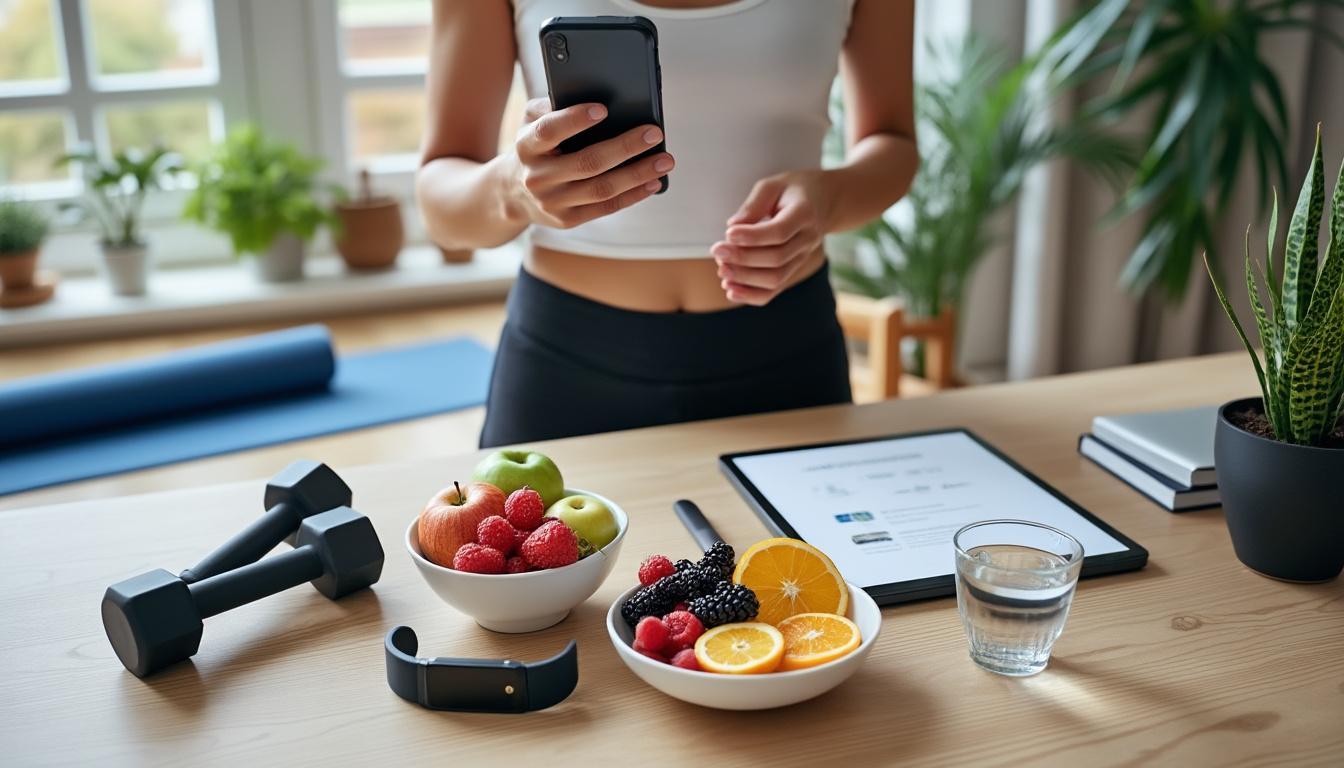
Time-Saving Movement Hacks for a Busy Lifestyle
Living a busy life doesn’t mean compromising on physical activity. Integrating quick workouts throughout the day is one of the most effective wellness strategies to maintain energy and improve overall health. Instead of trying to carve out an hour for the gym, adopting simple tips such as movement breaks can keep you active without overwhelming your schedule.
Consider the practice of doing squats during brief pauses at work or home. This low-effort health hack, often referred to as the Garland Pose or Malasana in yoga, enhances flexibility and muscle strength without requiring special equipment or much space. Squatting is particularly beneficial after prolonged sitting, which is a common pattern in busy lifestyles. Justin, an associate director who swears by this technique, emphasizes how it helps counteract sedentary hours.
Moreover, alternating between standing and sitting or taking short walks during breaks can rejuvenate your focus and reduce stress levels. A few minutes of stretching or walking around the house or office can boost circulation and reduce stiffness. These activities contribute to better mobility and joint health, which are often neglected in fast-paced routines.
Another method to integrate more movement is to use a standing or treadmill desk. These innovative setups allow for continual light exercise while working, increasing your daily calorie burn and improving posture. Even subtle movements such as shifting weight from one leg to another or tapping feet while seated contribute positively over time.
For those seeking more structured quick workouts, high-intensity interval training (HIIT) sessions lasting 7-10 minutes can be very efficient. These workouts alternate between intense bursts of activity and brief rest periods, maximizing calorie burn in minimal time. For example, performing jumping jacks, push-ups, and lunges in a circuit can elevate the heart rate and build muscle stamina within a busy schedule.
In 2026, science-backed approaches increasingly support the impact of “movement snacks” — short bursts of physical activity sprinkled throughout the day. Their time-saving nature makes them ideal health hacks for anyone balancing work, family, and self-care. Regularly incorporating these movement breaks can help reduce risks associated with sedentary behavior, such as cardiovascular disease and type 2 diabetes.
To make these habits sustainable, try habit stacking by pairing new physical activities with existing routines. For instance, commit to doing stretches immediately after brushing your teeth in the morning or take a brisk walk right after lunch. This approach not only anchors healthier actions to familiar habits but also improves mental resilience and stress management.
Incorporating these simple, yet effective, tips elevates energy levels throughout the day and enhances mental clarity — vital components often compromised by a taxing schedule. For detailed ideas on quick workouts tailored for busy people, resources like fitness blogs offer great inspiration, perfectly aligned with busy lifestyles needing efficient wellness approaches.

Nutrition Tips to Support Healthy Habits Amidst a Packed Schedule
Food and nutrition play a pivotal role in sustaining health, especially when juggling demanding commitments. Busy individuals often overlook nutrition, opting for convenience over quality. However, simple, effective wellness hacks can make nutritious eating both feasible and satisfying even on the busiest days.
One of the easiest yet powerful nutrition tips is to incorporate superfoods into regular meals. While the term “superfood” can be overused, certain ingredients truly provide an excellent nutrient boost. For example, chia seeds added to breakfast cereals or smoothies offer a rich source of fiber, omega-3 fatty acids, calcium, and iron. These nutrients collectively support digestion, cardiovascular health, and bone strength.
Frozen vegetables are another practical choice to maintain a balanced diet without daily shopping trips. Stocking frozen spinach, broccoli, and bell peppers ensures a steady intake of vegetables that can be quickly steamed or stirred into meals. This hack effectively circumvents spoilage issues and aids in meeting the recommended daily vegetable servings, crucial for maintaining energy and immune function.
Additionally, prepping key ingredients rather than entire meals can save significant time. For instance, slicing and dicing vegetables immediately after grocery shopping streamlines dinner preparation later. When ingredients are ready-to-use, throwing together a nutritious salad, stir-fry, or omelet becomes a fast process without sacrificing health benefits.
Hydration also requires attention, particularly amid hectic days prone to distraction. Drinking enough water helps regulate body temperature, supports metabolism, and improves concentration. Carrying a reusable water bottle and setting hydration reminders are simple strategies to stay on track without interrupting productivity.
Finally, mindful eating practices encourage healthier choices despite time constraints. Eating slowly, even for a few minutes, helps the body recognize satiety signals, preventing overeating. Planning meals ahead, such as preparing balanced lunches for workdays, can reduce reliance on fast food or vending machines, improving long-term wellness.
Implementing these nutrition tips creates a foundation for energy management and stress buffer. For more comprehensive guides on food hacks that align with busy lifestyles, check out trusted sources like nutrition expert articles, offering actionable advice on integrating healthy habits seamlessly.
Effective Stress Management Strategies for Long-Term Wellness
Stress is an unavoidable aspect of modern busy lives, but how one manages it can profoundly influence overall health. Engaging in effective stress management is a core health hack for maintaining both physical and mental balance amidst demanding schedules.
One proven technique is to deliberately incorporate pauses throughout the day to practice deep breathing or short mindfulness exercises. These moments of focus can lower cortisol levels, reduce heart rate, and create a sense of calm. Using habit stacking to attach these brief pauses to habitual activities, such as taking three mindful breaths before each meal, ensures consistency without added burden.
Another simple tip involves setting boundaries with technology. Turning off all digital screens at least 2 hours before bedtime significantly improves sleep quality, thereby enhancing recovery and emotional regulation. Katy, an editorial director, noticed substantial improvement in sleep within a few days after adopting this habit, underscoring the powerful impact of managing technological stimulation.
Physical activity, already discussed for its cardiovascular benefits, also serves as a natural stress reliever. Quick workouts release endorphins, the body’s natural mood boosters. Incorporating even brief exercise intervals can shift mental states from stress to relaxation, supporting psychological well-being alongside physical health.
In addition, dedicating time to joy-inducing activities fosters mental resilience. Amy, an editor, highlights the importance of saying “yes” to pleasurable pursuits, like reading for pleasure, which she found beneficial for her daytime mood. Prioritizing self-care moments ensures that stress does not accumulate unchecked, preventing burnout.
To optimize these strategies, cultivating a consistent daily routine helps stabilize emotional health. A predictable schedule reduces uncertainty and provides structure, enabling the brain to anticipate rest and activity periods more effectively. This, in turn, enhances productivity and decreases feelings of overwhelm.
By adopting these stress management techniques, busy individuals can enhance their quality of life with minimal disruption. For those interested in a deeper dive, articles such as MD-ranked health hacks provide expert perspectives on balancing stress and wellness efficiently.
Sleep Improvement Hacks: Simple Changes for Deep Rest
Quality sleep is fundamental for health, yet it is often the first sacrifice in a hectic schedule. Fortunately, simple health hacks can significantly improve sleep without requiring elaborate changes or expensive tools.
The most impactful adjustment many experience is limiting screen exposure before bedtime. Blue light from phones, tablets, and computers suppresses melatonin production, interfering with the body’s natural sleep-wake cycle. By turning off all screens at least two hours before sleeping, people report falling asleep faster and enjoying more restorative rest.
Establishing a calming pre-sleep routine aids in signaling the brain to wind down. This might include light reading, a warm bath, or meditation. Catherine, an editor who practices “habit stacking,” adds stretches after brushing her teeth each night, boosting relaxation and muscle recovery concurrently.
Maintaining a consistent sleep schedule, even on weekends, regulates the circadian rhythm, reducing grogginess and improving alertness during the day. Sleep hygiene also involves creating an optimal environment: cool room temperature, minimal noise, and comfortable bedding enhance the ability to stay asleep throughout the night.
Another often overlooked factor is managing caffeine and alcohol intake. Consuming caffeine late in the day can delay sleep onset, while alcohol may fragment sleep architecture, reducing the beneficial rapid eye movement (REM) phase. Adjusting consumption times encourages more natural sleep patterns and energetic mornings.
In 2026, technology also offers advanced sleep tracking tools that provide personalized insights and recommendations. While not essential, these devices can help identify disruptive habits and reinforce adherence to healthy routines.
For those seeking additional tips, resources like health-oriented wellness guides propose practical strategies designed to be easily integrated into any lifestyle, making restful sleep attainable for busy individuals.

Building Sustainable Healthy Habits Through Routine Integration
Creating long-lasting health benefits requires more than quick fixes; it involves building sustainable healthy habits that fit naturally into everyday life. Busy lifestyles benefit from strategic habit formation techniques that maximize impact while respecting time constraints.
One particularly effective method is habit stacking, where new habits are paired with established routines. For example, if you already brush your teeth every morning, following it immediately with three stretches embeds the new activity effortlessly. This strategy reduces mental resistance to starting something new because it links to an already ingrained cue.
Another strategy involves focusing on one or two favorite healthful practices rather than trying to overhaul every aspect at once. This allows for gradual progress and prevents overwhelm. For instance, committing to daily vegetable intake using frozen or pre-prepped ingredients simplifies nutrition goals while supporting overall vitality.
Moreover, having a designated self-care activity to look forward to can sustain motivation and improve mental health. Whether it’s reading, as Amy found beneficial, or engaging in a hobby, these moments reinforce well-being and balance stress accumulated throughout the day.
Consistency is reinforced by planning and preparation. Meal prepping key ingredients accelerates cooking during the week, and scheduling brief exercise sessions ensures they aren’t skipped. This structured approach mitigates decision fatigue, freeing cognitive resources for other priorities.
Remember that not every healthy change needs to be monumental to have significant effects. Small, manageable steps compounded over time build resilience and improve overall quality of life. This measured, sustainable approach to wellness is a hallmark of effective health hacks for busy individuals aiming to thrive.
For a comprehensive understanding of how to cultivate these sustainable habits, explore expert insights available through detailed wellness resources that empower you to biohack your routine for lasting success.
What are easy ways to fit exercise into a busy day?
Incorporate simple movement like squats during breaks, standing or walking while on calls, or short bursts of high-intensity interval training (HIIT) that last 7-10 minutes. Habit stacking these activities with daily routines increases adherence.
How can I improve my nutrition without spending extra time cooking?
Use frozen vegetables to ensure a steady supply without spoilage, prep ingredients right after grocery shopping, and add superfoods like chia seeds to quick meals. These methods make healthy meals fast and convenient.
What’s a simple strategy to manage stress effectively?
Practice brief mindfulness or deep breathing exercises throughout the day, limit screen exposure before sleep, and allocate time to enjoyable activities that promote relaxation and mental well-being.
Which sleep habits greatly enhance rest quality?
Turning off screens two hours before bedtime, maintaining consistent sleep times, creating a dark and cool environment, and moderating caffeine and alcohol intake all contribute to deeper, more restful sleep.
How can habit stacking help in developing healthy routines?
Habit stacking links new habits to established ones, making it easier to remember and perform new behaviors by associating them with existing cues, thus promoting consistency and sustainable lifestyle changes.
