


Partnering with Nutrition Experts to Lay the Foundation of Healthy Habits
In today’s fast-paced world, cultivating wellness requires more than just willpower; it demands knowledgeable support and strategic guidance. Partnering with nutrition experts is a crucial step towards embedding healthy habits into daily routines. Our Nutrition Services team is a shining example of how professional expertise can empower communities to embrace a lifestyle centered on well-being.
Over the years, this team has evolved from a small unit focusing solely on nutritional planning for Developmental Disabilities programs to a robust group of five dedicated professionals. They now cover a broader spectrum, including services for young people in Foster Care as well as Mother Child programs. This expansion allows them to address diverse needs in a cohesive, impactful way.
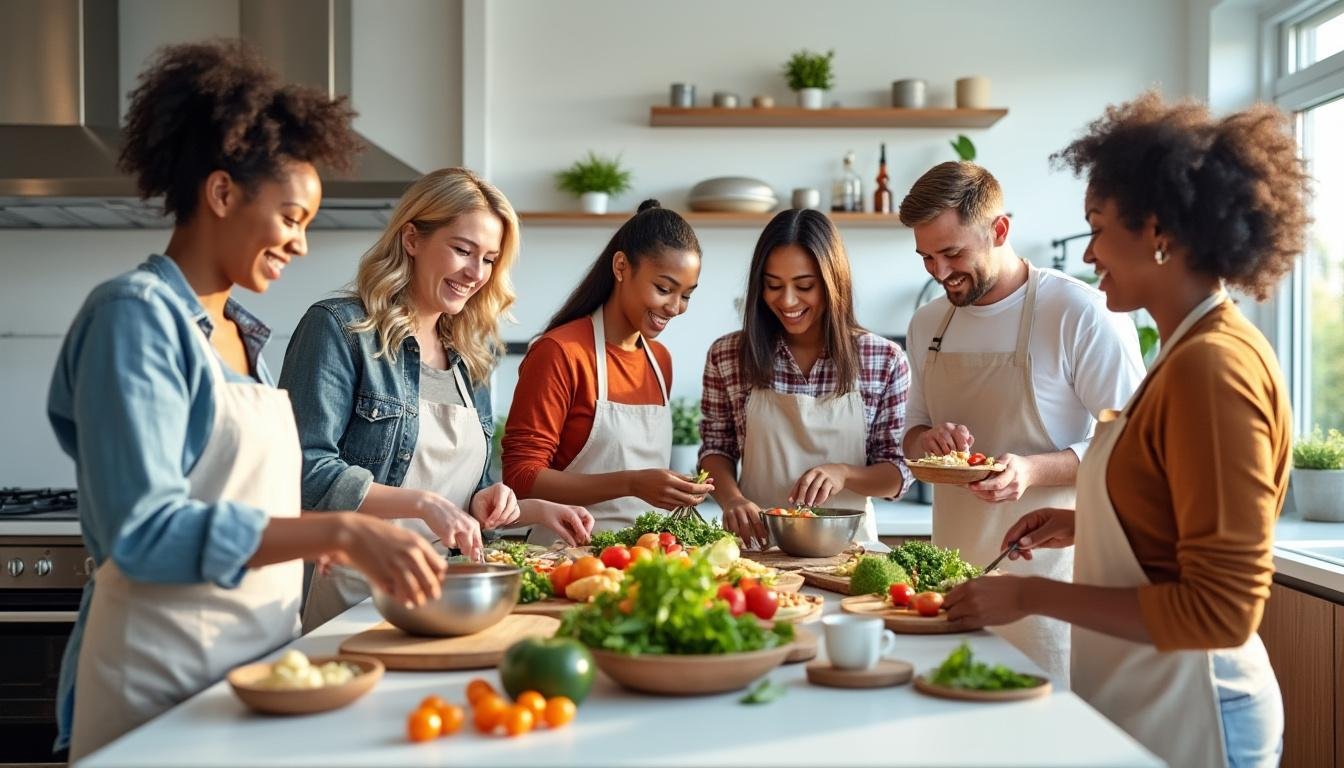
One shining example of their work is the hands-on education they provide. Participants learn essential cooking skills, allowing them to take charge of their dietary health independently. For individuals facing barriers to independence, such targeted guidance is invaluable. Our dietitians teach practical and enjoyable culinary activities, often introducing themed foods to add excitement—like Halloween mini-pizzas that engage children in the Mother Child program.
Exclusive nutrition guidance sessions involve recipe sharing, live cooking demonstrations, and discussions on efficient meal preparation methods, batch cooking, and healthier ways to enjoy traditional snacks and sweets. These interactions are designed to demystify the process of eating well and make it accessible for every member of the community.
Recognizing the science behind developing sustainable habits is equally important. Insights from experts on habit formation highlight techniques like habit stacking and consistency reinforcement. When combined with personalized nutrition advice, these science-backed strategies enhance the likelihood of sticking to a healthy lifestyle.
Supporting wellness through nutrition involves continuous communication and adaptation. The passionate team leaders, such as Madeline Rizzuti and Carlye Husserl, emphasize the importance of meeting individuals where they are and tailoring interventions accordingly. This philosophy boosts engagement and builds a trusting relationship that amplifies the impact of their wellness programs.
In summary, partnering with nutrition professionals creates a foundation of support and education vital for sustaining healthy behaviors. By integrating expert advice, practical cooking skills, and evidence-based habit strategies, communities can embark on a resilient path toward comprehensive well-being. For practical approaches to building such strong foundations, resources like this guide on building healthy habits offer valuable insights.
How Nutrition Guidance Enhances Long-Term Wellness and Independence
The importance of nutrition guidance extends beyond immediate health benefits—it fosters long-term independence and resilience, especially for vulnerable populations. Individuals in developmental disabilities programs or foster care often face challenges that make adopting healthy eating habits more complex. Nutrition experts play a pivotal role in overcoming these barriers.
Healthy eating is more than choosing nutritious foods; it’s about empowering people to manage their health autonomously. Dietary management often intersects with daily life skills that are crucial for self-reliance. Our team’s holistic approach teaches clients not only what to eat but also how to prepare meals safely and enjoyably, imparting life skills that last a lifetime.
For example, hands-on cooking classes offer experiential learning opportunities. Young participants discover simple and quick cooking techniques that fit their schedules and preferences, making it more likely they’ll continue these habits at home. Introducing themed meals or festive snacks, such as the spooky Halloween mini-pizzas, turns nutrition education into an engaging experience. These creative methods keep motivation high and foster positive associations with healthful eating.
Nutrition experts also address misconceptions and challenges associated with food choices through counseling and community outreach. They dispel myths that often hinder healthy habits by providing realistic, science-backed information that aligns with contemporary lifestyle demands. This focus on evidence-based guidance ensures that recommendations are both sensible and sustainable.
Moreover, nutrition services integrate well with other health and wellness support available in the community. Whether it’s through preventive nutrition education, weight management, or managing specific health conditions, collaborating closely with medical and social care teams ensures comprehensive support for each individual.
Accessibility remains a key focus. Through local workshops and ongoing classes like those offered by Florida Nutrition Education courses, knowledge is democratized and tailored to diverse community needs. These sessions help families stretch their food budgets effectively while making wholesome choices, reinforcing that wellness does not require expensive or complicated regimens.
Ultimately, the nuanced guidance of nutrition experts bridges knowledge gaps and nurtures confidence, enabling participants to take proactive control over their wellness journey and experience true, lasting health benefits.
Utilizing Science-Backed Strategies to Cultivate Wellness Habits That Stick
Building and maintaining healthy habits often feels daunting, but integrating science-backed strategies can make the process manageable and even enjoyable. Understanding the psychological and physiological mechanisms behind habit formation arms individuals with tools to cultivate wellness effectively.
One widely supported technique is habit stacking, which involves linking a new behavior to an existing routine. For instance, someone might commit to drinking a glass of water immediately after brushing their teeth each morning. These small, consistent actions gradually solidify into sustainable lifestyle changes.
Nutrition experts recommend pairing habit formation with motivational incentives and environmental tweaks. Choosing appealing, nutritious foods and keeping them easily accessible helps reduce friction in making better choices. An example is batch cooking meals that can be quickly reheated, lowering the barrier for healthy eating during busy days.
Living well also requires accommodating mental well-being. Brain hacks such as celebrating small victories and using positive reinforcement encourage adherence to healthy routines. These methods are highlighted in platforms like MyFitnessPal’s habit adherence strategies, demonstrating how neuroscience can be leveraged for wellness success.
In practice, combining dietary guidance from nutritionists with behavioral science creates a powerful synergy. While a nutrition expert provides tailored diet plans and culinary skills training, habit strategies ensure these changes endure beyond initial excitement.
Consider the example of clients in our programs who learn to prepare their favorite snacks in healthier ways. This practice not only fulfills cravings but also reinforces skill mastery and confidence. Over time, such positive experiences build momentum, contributing to a holistic wellness lifestyle informed by science-backed nutrition principles.
To support individuals in their wellness journey, many nutrition organizations provide resources on integrating these habits into daily living. Whether it’s through online articles, community workshops, or expert consultations, guided approaches enhance commitment and improve health outcomes substantially.

The Role of Community and Support Systems in Sustaining Healthy Lifestyles
Cultivating wellness is rarely a solo endeavor. Community involvement and peer support are critical drivers that sustain healthy habits over the long term. Nutrition experts underscore the power of shared experiences and accountability in fostering an environment where wellness can thrive.
Programs designed to improve nutrition among diverse populations often embed social components into their frameworks. Group cooking classes, communal meal planning, and wellness workshops create spaces for participants to exchange ideas, motivate one another, and celebrate progress.
This collective approach enhances motivation. When individuals see others facing and overcoming similar challenges, it fosters a sense of belonging and shared purpose. For instance, young people in our Foster Care and Mother Child programs benefit immensely from participating in themed cooking events, which make nutrition education enjoyable and socially engaging.
Support systems also help navigate setbacks, a natural part of any behavior change process. Encouragement from peers and experts increases resilience and reduces feelings of isolation, which might otherwise lead to relapse into unhealthy habits.
Donor and community support enable nutrition teams to expand their services and outreach, thereby amplifying health benefits across wider populations. This communal investment is crucial in ensuring uninterrupted access to education, counseling, and wellness initiatives that nurture lasting lifestyle improvements.
If you are inspired to contribute or learn more about fostering healthy habits within your own network, resources like building lifelong wellness through healthy habits provide actionable advice and inspiration.
Reflecting on this, it becomes clear that wellness is not merely about individual choices but about creating supportive ecosystems where healthy behaviors are encouraged, shared, and maintained for generations to come.
Practical Tips to Incorporate Healthier Nutrition into Daily Life
Embracing healthy habits around nutrition might seem complex, but with practical tips and expert-backed strategies, anyone can make meaningful changes. Here are some essential approaches inspired by nutrition experts to enhance well-being effortlessly:
- Plan your meals ahead: Batch cooking or preparing meals in advance reduces the temptation to grab unhealthy options during busy days.
- Keep nutritious snacks accessible: Fresh fruits, nuts, and yogurt make excellent quick energy boosters and prevent overeating later.
- Experiment with recipe modifications: Transform classic recipes by decreasing sugar or fat content and adding vegetables or whole grains.
- Engage in hands-on cooking: Actively preparing meals enhances your connection to the food, making healthier eating more enjoyable and sustainable.
- Use thematic meal ideas: Adding fun themes or seasonal ingredients can increase excitement and motivation around healthy eating.
- Stay hydrated: Drinking enough water is often overlooked but is vital in maintaining energy and supporting metabolism.
- Seek professional guidance: Nutrition experts can tailor advice to fit your unique lifestyle, preferences, and health goals.
Integrating these strategies into daily life not only improves physical health but also contributes to mental well-being by reducing stress associated with meal choices. The approach aligns with principles found on platforms such as Healthy Eating 4U, which advocates for balanced, attainable nutrition guidance.
Adopting incremental changes ensures sustainability. As habits become embedded, the cumulative benefits enhance overall wellness, proving that cultivating health is a continuous yet rewarding journey.
How can nutrition experts help when building healthy habits?
Nutrition experts provide personalized guidance, practical cooking skills, and evidence-based strategies that support sustainable lifestyle changes and improved well-being.
What are some effective methods to make healthy habits stick?
Effective methods include habit stacking, maintaining consistency, positive reinforcement, and making healthy choices easy and enjoyable.
Why is community support important for wellness?
Community support offers motivation, shared experiences, and accountability, which are essential for sustaining healthy behaviors over the long term.
How do themed meals benefit nutrition education?
Themed meals add fun and engagement, making nutrition lessons more enjoyable, helping participants, especially children, to develop a positive relationship with healthy eating.
Where can I find resources for practical nutrition guidance?
Reliable resources include educational websites, community nutrition classes like those by Florida Nutrition Education, and expert blogs that provide science-backed advice tailored to busy lifestyles.

2 Comments
Pingback: Smart Tips to Stay Healthy This Holiday Season
Pingback: Quick Health Hacks for Busy Lives