

Unveiling the Digestive Power of Prunes: A Natural Aid for Gut Health
Prunes, often overlooked in favor of fresher fruits, possess incredible qualities that make them a standout superfood for enhancing digestion. Unlike conventional fruits, prunes are dried plums—mainly from the Japanese and European varieties—concentrating nutrients and fiber into a small, sweet package. This concentration of dietary fiber is one of the key reasons prunes are celebrated for their digestive benefits, making them vital for anyone seeking to improve gut function naturally in 2026.
Fiber Content and Its Role in Digestion
Dietary fiber is fundamental for maintaining healthy digestion, and prunes boast a remarkable 12.4 grams of fiber per cup. This includes both soluble and insoluble fibers, which together contribute to overall gut motility and stool bulk. For context, the general fiber intake recommendation ranges between 25 grams daily for women and 38 grams for men, yet only a small fraction of people meet these targets. Incorporating prunes into daily meals offers a delicious and effective way to fill this fiber gap.
Experts such as registered dietitians Jenna Volpe and Maggie Moon highlight that prunes contain unique compounds beyond fiber, notably sorbitol—a natural sugar alcohol with a mild laxative effect—and polyphenols that feed beneficial gut bacteria. These components synergistically enhance stool bulk and accelerate intestinal transit times, reducing the likelihood of constipation.
Scientific studies back these claims robustly. For example, a clinical trial published in 2022 concluded that daily consumption of prunes significantly improved bowel regularity in individuals with chronic constipation. Participants consuming between 80 and 120 grams per day noticed increased stool frequency and improved consistency. This demonstrates that prunes are not just a fiber source but a comprehensive digestive aid.
Practical Ways to Enhance Digestion With Prunes
To experience these digestive advantages, individuals can add prunes in small, manageable portions to their diets—starting with as few as five per day. Prunes can be enjoyed as simple snacks or added to oatmeal, salads, or yogurt, enriching meals with both texture and nutritional value.
Moreover, prune juice, a lesser-known but equally potent derivative, contains similar digestive benefits and may be preferable for those seeking hydration as well. This versatility in consumption means prunes can seamlessly integrate into diverse diets, offering help to those who struggle with sluggish digestion. Their ability to enhance gut microbiome diversity by supporting beneficial bacteria is an added benefit, echoing findings from recent research on prunes’ role in optimal health.
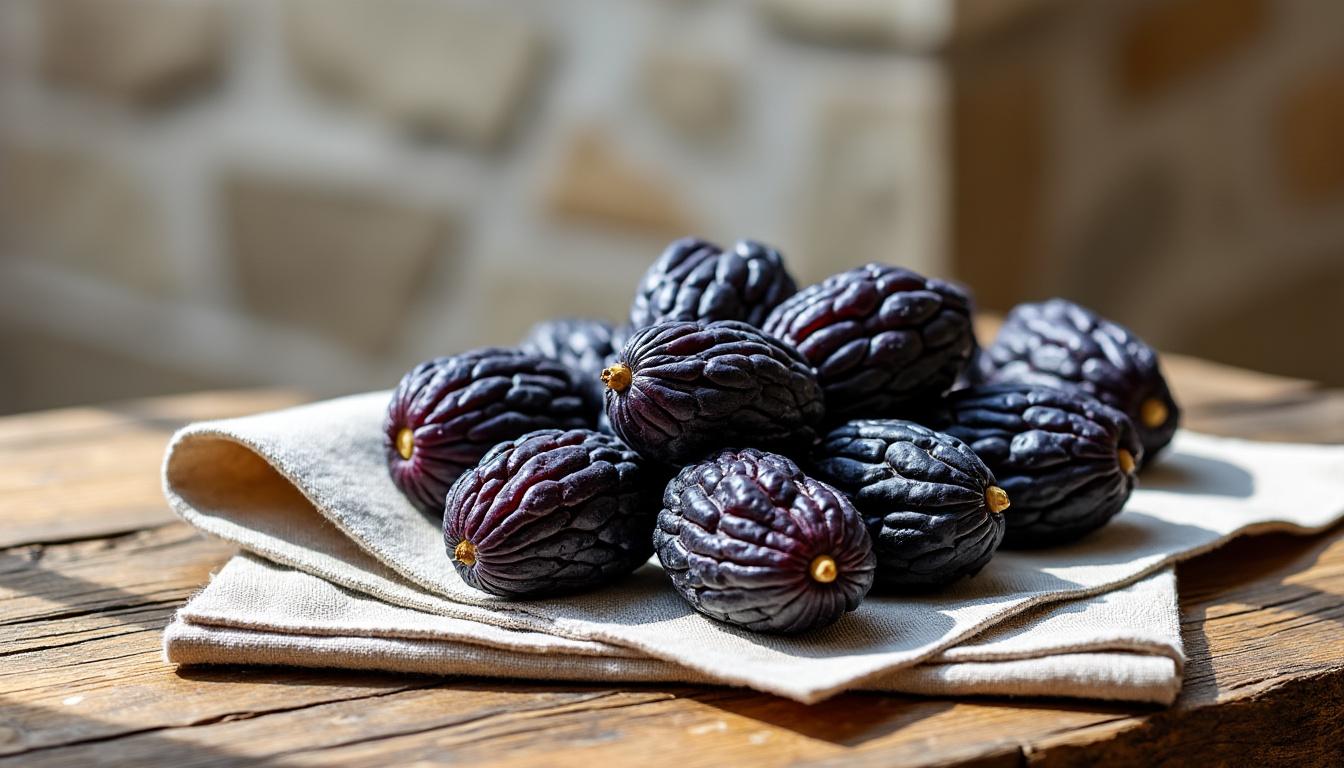
Prunes and Bone Health: An Essential Nutritional Link for Stronger Bones
Bone health remains a major concern, especially for aging populations and postmenopausal women who face an elevated risk of osteoporosis. Remarkably, prunes have emerged as a potent ally in maintaining bone density and preventing bone loss, making them a valuable component of nutrition-focused bone care strategies in 2026.
Vitamin and Mineral Contributions to Bone Strength
Prunes provide an abundant source of essential vitamins and minerals that directly influence bone metabolism. Notably, they deliver high levels of vitamin K and potassium. Vitamin K plays an integral role in the synthesis of osteocalcin, a protein critical for bone mineralization, while potassium helps neutralize bone-damaging metabolic acids, preserving calcium in the bone matrix.
Research published in 2022 highlights that consuming just 50 grams of prunes daily helped prevent significant hip bone density loss in postmenopausal women, reducing fracture risk. The anti-inflammatory and antioxidant phenolic compounds in prunes also contribute to slowing bone degradation by combating oxidative stress, a known factor in bone weakening.
Why Prunes Outperform Other Fruits in Supporting Bone Health
While many fruits and vegetables support bone health, prunes provide a unique blend of nutrients and bioactive compounds that make them especially effective. Unlike calcium supplements alone, prunes impact bone health holistically by promoting anti-inflammatory environments, enhancing mineral retention, and supporting collagen synthesis.
Healthcare professionals increasingly recommend including prunes in diets targeted toward healthy aging. They can be incorporated easily into daily meals—such as mixed into hearty stews, chopped into salads for a sweet crunch, or baked into nutrient-dense breads.
These benefits are particularly encouraging as the global community places renewed emphasis in 2026 on functional foods that support longevity and quality of life. More about this holistic approach to wellness can be found at LiveWell Magazine’s guide to habits for women over 50.
The Antioxidant Richness of Prunes: Guarding Against Chronic Disease
One of the lesser appreciated but incredibly valuable aspects of prunes is their rich profile of antioxidants—natural compounds that protect the body from oxidative stress and cellular damage. This attribute makes prunes stand out long beyond their fiber content, contributing to reduced risks of several chronic diseases prevalent in modern societies.
Key Antioxidants in Prunes and Their Impact
Prunes contain elevated levels of phenolic compounds such as neochlorogenic and chlorogenic acids. These antioxidants combat free radicals, unstable molecules that can cause damage to DNA, proteins, and lipids, accelerating aging and disease development.
By neutralizing free radicals, these antioxidants provide a defense mechanism against inflammation and oxidative damage in blood vessels, skin, and various organs. This protection can decrease incidences of heart disease, certain cancers, and neurodegenerative conditions.
Evidence from a 2019 clinical trial showed that daily prune consumption significantly reduced markers of oxidative stress in study participants, indicating enhanced cellular defense mechanisms. Moreover, such antioxidants improve endothelial function, which supports healthy circulation and blood pressure regulation—an important heart health benefit that complements their mineral content.
Integrating Antioxidant Benefits Through Daily Nutrition
Transforming your diet to capitalize on these antioxidant effects can be as simple as replacing unhealthy snacks with prunes. Their naturally sweet and chewy texture makes them a satisfying alternative to processed sweets, with the bonus of immune support and cellular protection.
Using prunes in smoothies, desserts, or as finger foods provides not just antioxidant intake but also a boost of vitamins and minerals essential for immune resilience.
Heart Health Support From Prunes: A Nutritional Powerhouse for Cardiovascular Wellness
Cardiovascular disease continues to be a leading cause of mortality worldwide. Prunes have attracted attention for their multifaceted roles in heart health through blood pressure management, cholesterol regulation, and inflammation reduction.
Potassium Content and Blood Pressure Regulation
Potassium is a mineral widely recognized for its ability to lower blood pressure by balancing sodium levels and relaxing blood vessel walls. Prunes offer around 732 milligrams per 100 grams, making them a significant dietary source of potassium. The American Heart Association emphasizes potassium’s importance in hypertension management, suggesting intake targets that prunes can help meet easily.
Studies confirm that diets rich in potassium contribute to reduced systolic and diastolic blood pressure readings, improving cardiovascular outcomes.
Cholesterol and Inflammation Reduction
Prunes also assist in managing cholesterol levels, particularly by lowering LDL (“bad” cholesterol). Clinical evidence shows that a daily intake of prunes can reduce LDL concentrations, lowering the risk for atherosclerosis and heart disease progression.
The high fiber and antioxidant content of prunes collaborate to inhibit oxidation of lipids, a critical step in plaque development within arterial walls.
For many, incorporating prunes into their diets provides an enjoyable and natural strategy to support heart function alongside conventional medical advice. They are often recommended as snacks or meal additions for individuals aiming to improve cardiovascular risk profiles.
Vitamins, Minerals, and Immune Support: Comprehensive Wellness From Prunes
The rich vitamin and mineral composition of prunes transforms them into a genuine nutritional powerhouse that supports not only specific organs but the entire immune system and overall wellness.
Vitamin and Mineral Profile and Their Functions
Prunes provide essential vitamins like A, K, and a range of minerals including calcium, magnesium, iron, zinc, and copper. These nutrients are critical for various bodily functions: Vitamin A for vision and immune defense, vitamin K for blood clotting and bone integrity, magnesium for energy metabolism, and iron for oxygen transport.
Moreover, these nutrients contribute synergistically to strengthening immune responses. For example, zinc and copper play pivotal roles in cellular immune function, inflammation control, and pathogen resistance.
Daily Inclusion and Practical Dietary Tips
Incorporating prunes into the diet is easy and versatile. They can boost nutrient density in everyday meals without added sugars or artificial additives. Whether chopped into cereals, blended in smoothies, or consumed as a quick snack, their immune-supportive qualities align with preventive health approaches favored today.
- Snack on a handful of prunes for a quick nutritional boost.
- Add finely chopped prunes to breakfast oats or yogurt for enhanced vitamins and fiber.
- Mix prunes into salads to add a sweet chewy texture alongside essential minerals.
- Use prunes in homemade baking to naturally sweeten bread or muffins.
- Drink prune juice as a refreshing source of hydration and nutrients.
These simple strategies help ensure consistent consumption, supporting lifelong wellness and disease prevention.
For a detailed exploration of prune benefits and how to best include them in your diet, refer to trusted nutrition resources such as WebMD’s guide to prunes and health benefits of prunes articles.
Are prunes suitable for people with diabetes?
While prunes contain natural sugars, their fiber content helps regulate blood sugar levels. However, individuals with diabetes should monitor their intake carefully and consult healthcare providers to tailor prune consumption to their specific needs.
Can prunes help with weight management?
Yes, prunes promote satiety due to their fiber and nutrient content, which helps reduce overall calorie intake by curbing cravings and hunger pangs, making them a smart choice for weight management.
Is prune juice as beneficial as whole prunes?
Prune juice retains many beneficial nutrients like fiber and antioxidants but contains less dietary fiber compared to whole prunes. It remains a good alternative for digestive support and nutrient intake, especially for those who prefer liquids.
How many prunes can I eat safely per day?
Most adults can start with about five prunes daily to enjoy health benefits without overconsumption. Incremental increases can be made based on tolerance and dietary goals, but excessive intake may cause digestive upset.
Can prunes cause gastrointestinal discomfort?
Due to their high fiber and sorbitol content, prunes may cause bloating or loose stools if eaten in excess, especially for those with sensitive digestive systems. Moderation and gradual introduction are recommended.
