


The fear is a familiar one, whispered at family dinners and doctor’s appointments: does that extra slice of pie or spoonful of sugar in your coffee “cause” diabetes? For decades, sugar has been painted as the primary villain in the story of this complex condition. While it’s a compelling narrative, the truth is far more nuanced. Sugar’s role is not that of a direct cause but rather a significant contributor to a cascade of events that can lead to Type 2 diabetes. This complex interplay involves weight gain, insulin resistance, and a host of other lifestyle and genetic factors. Understanding this relationship is the first step toward empowerment, moving from fear to informed action and embracing a future of vibrant health.
In Brief: The Sweet Facts
- 🍬 Sugar does not directly cause diabetes. The condition is far more complex.
- ⚖️ A high-sugar diet can lead to weight gain and obesity, which are major risk factors for developing insulin resistance and Type 2 diabetes.
- 🧬 Your risk is also shaped by non-dietary factors, including genetics, family history, age, and race. Many people don’t realize they unknowingly have prediabetes.
- 💪 You have the power to significantly lower your risk through proactive lifestyle changes like a balanced diet, regular exercise, and stress management.
The Sweet Deception: Unpacking Sugar’s Real Role in Diabetes
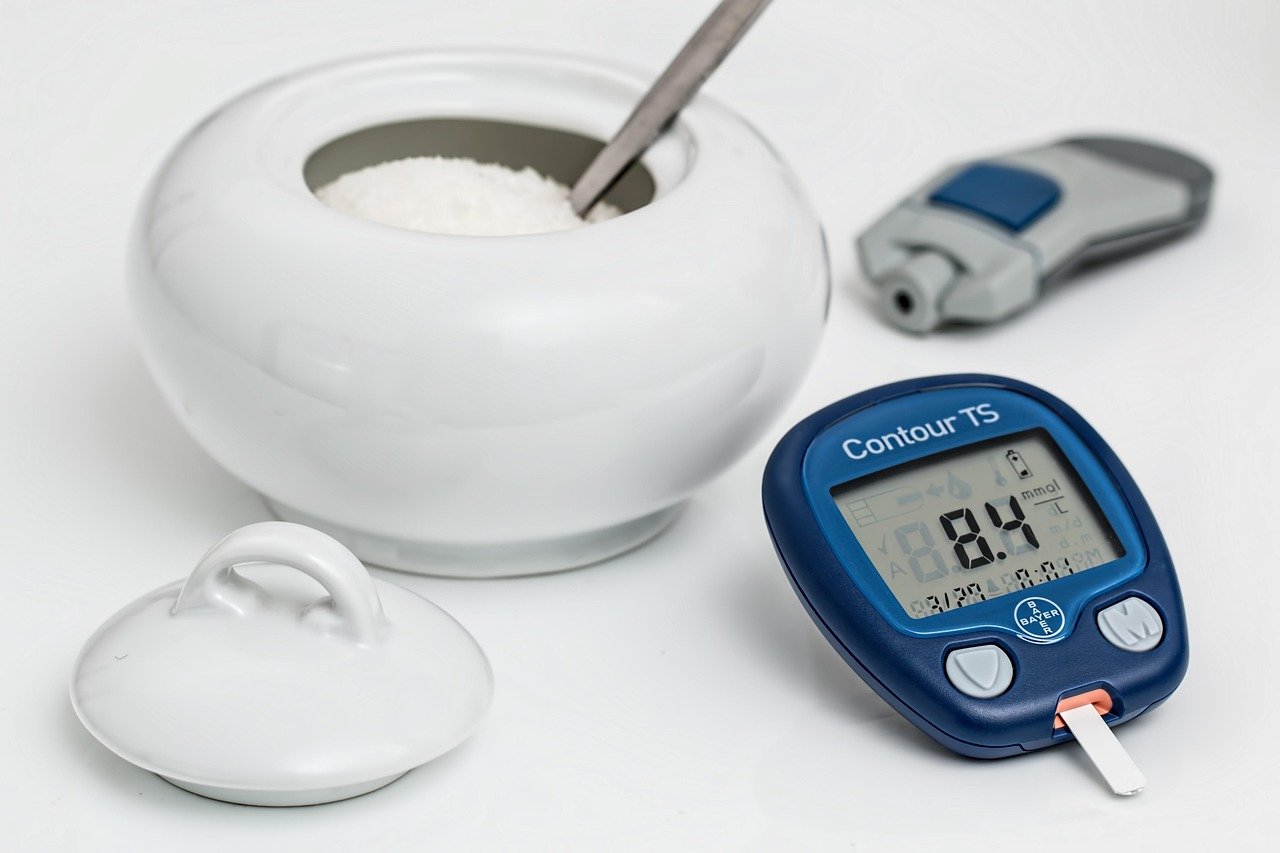
While a sugary treat doesn’t instantly trigger diabetes, a diet consistently high in added sugars can set the stage for it. When you consume a lot of sugar, your pancreas works overtime producing insulin to keep your blood glucose levels stable. Over time, this can lead to two problems: the extra calories contribute to weight gain, and your body’s cells can become less responsive to insulin—a condition known as insulin resistance. This combination of factors puts a heavy strain on your pancreas, which may eventually struggle to keep up. This is a critical point in the development of Type 2 diabetes. It’s important to remember this is just one piece of the puzzle. Your family history, age, and ethnic background also play undeniable roles in your overall risk profile.
“For years, I blamed my love for cookies,” shares Richard, a 71-year-old retired teacher from Florida. “But my doctor helped me see the bigger picture. It wasn’t just the cookies; it was my sedentary lifestyle and the extra 30 pounds I was carrying. Shifting my focus to daily walks and balanced meals made all the difference, and I feel more in control than ever.”
Not All Sugars Are Created Equal
It’s easy to lump all sugars together, but your body processes them differently. Natural sugars, like fructose in fruit and lactose in dairy, come packaged with essential nutrients like fiber, vitamins, and minerals. Fiber is particularly important as it slows down sugar absorption, preventing sharp spikes in blood glucose and helping you feel full. In contrast, added sugars—the kind found in sodas, sauces, and processed snacks—offer empty calories with no nutritional benefit. Learning to spot them on labels is a key skill. They often hide under aliases like:
- ✅ High-fructose corn syrup
- ✅ Sucrose
- ✅ Dextrose
- ✅ Agave nectar
- ✅ Barley malt
Always check the “Added Sugars” line on the Nutrition Facts panel to get the full story. Often, a single product contains several different types, making the total amount deceptively high.
Taking the Reins: Proactive Steps for a Healthier Tomorrow
The most inspiring part of this story is that you are not powerless. Making mindful changes to your daily routine can dramatically lower your risk of developing diabetes and improve your overall well-being. The key is to focus on a holistic approach rather than just demonizing one food group. Simple strategies like adopting healthy habits can be transformative. Adopting a balanced eating plan, such as the Mediterranean diet or the “plate method,” can help ensure you get a rich mix of nutrients. Fill half your plate with non-starchy vegetables, a quarter with lean protein, and the final quarter with high-fiber carbohydrates like whole grains or beans. These powerful choices work together to stabilize blood sugar and maintain a healthy weight.
| Instead of This… sugary option 🥤 | Try This! healthy alternative 🥗 | Benefit |
|---|---|---|
| Sweetened Soda or Juice | Water with Lemon or Herbal Tea | 💧 Zero added sugar, better hydration |
| Sugary Breakfast Cereal | Unsweetened Oatmeal with Berries | 🌾 High in fiber, sustained energy |
| Candy Bar | A Handful of Nuts or an Apple | 🍎 Healthy fats, fiber, and vitamins |
| Flavored Yogurt | Plain Greek Yogurt with Cinnamon | 💪 More protein, less sugar |
“I joined a class after my prediabetes diagnosis,” says Eleanor, 69. “Learning how to build a healthy plate was a game-changer. I never feel deprived, and my energy levels are through the roof.” These kinds of self-management programs can provide crucial support and community.
Beyond Diet: Lifestyle Habits That Make a Difference
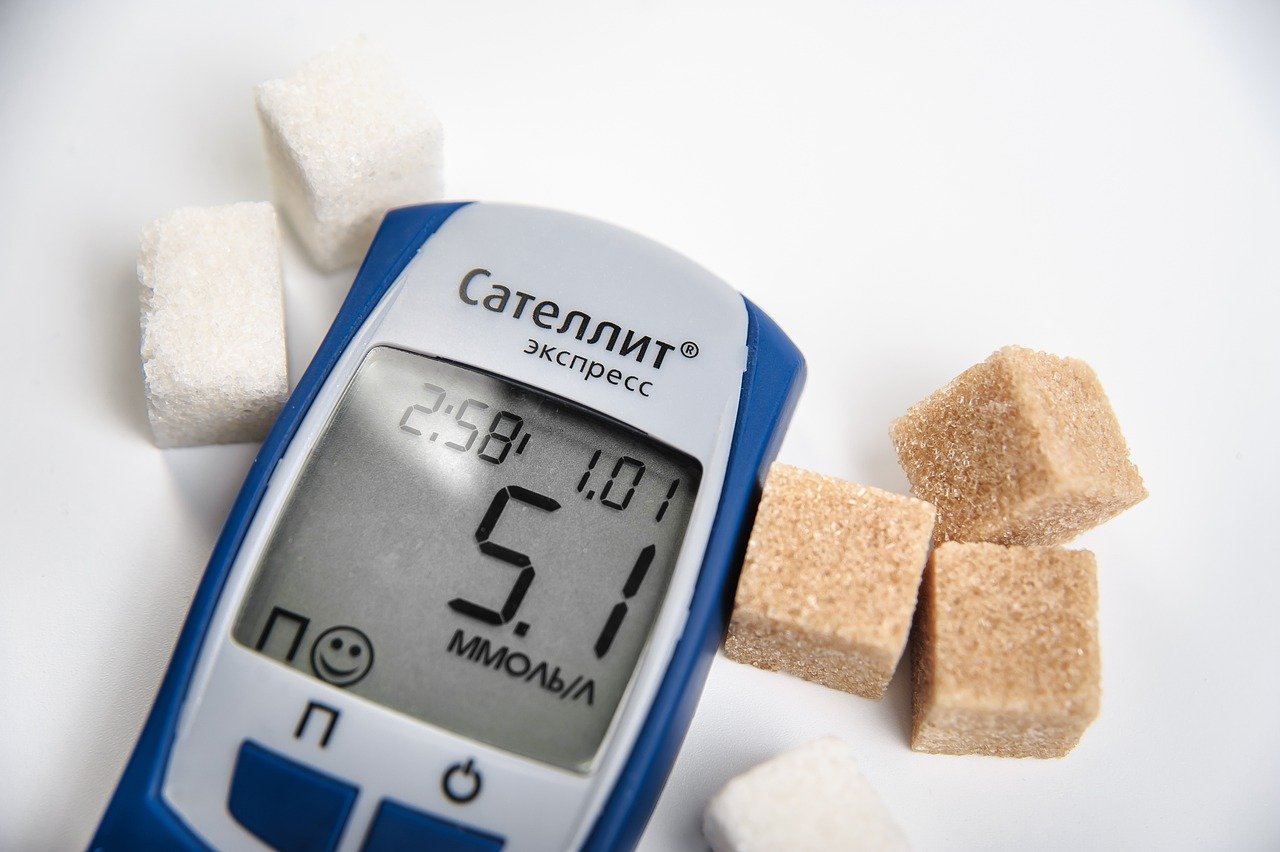
While nutrition is a cornerstone, other lifestyle factors are just as critical. Regular physical activity, even a brisk 15-minute walk after meals, increases your body’s sensitivity to insulin. Managing stress through practices like meditation or hobbies is also vital, as stress hormones can raise blood sugar levels. Furthermore, aim for seven to eight hours of quality sleep per night, as poor sleep can disrupt insulin regulation. By weaving these practices into your life, you build a powerful defense against chronic disease. For those already managing the condition, new research highlights the synergy between lifestyle and modern therapies like GLP-1 receptor agonists to further protect your health.
What is the main cause of diabetes?
The cause depends on the type. Type 1 diabetes is an autoimmune disease where the body attacks its own insulin-producing cells. Type 2 diabetes, the most common form, is caused by a combination of genetic and lifestyle factors that lead to insulin resistance and/or insufficient insulin production.
What happens if I eat too much sugar on occasion?
For a person without diabetes, an occasional sugary indulgence is generally not harmful. Your body will release insulin to manage the spike in blood sugar. The real risk comes from a consistent, long-term diet high in added sugars, which can contribute to weight gain and insulin resistance over time.
How can I lower my blood sugar if it’s high?
If you know your blood sugar is high, drinking plenty of water and taking a short walk (10-15 minutes) can help lower it. It is also crucial to take any prescribed medication as directed by your doctor. If your blood sugar is consistently high (e.g., over 250 mg/dL) and doesn’t come down, you should contact your healthcare provider immediately.
Disclaimer: The illustration photo accompanying this article was generated by an AI model. Fictional testimonials may have been included for illustrative purposes.
