
Close Menu
    Follow us on Google News
    Follow Livewell Magazine on Google News
    Facebook X (Twitter) Instagram
    LiveWell Magazine
    Facebook
    Follow LiveWell Magazine on Google News
    • Cancer

      Healthy Dad’s Unexpected Cancer Diagnosis Revealed After Ignoring Nighttime Bathroom Trips: ‘A Heartbreaking Surprise’

      February 22, 2026

      BREAKING NEWS: Gene therapy for sickle cell disease: a medical breakthrough still out of reach for many

      December 29, 2025

      How Your Drinking Habits Could Significantly Increase Your Cancer Risk

      December 28, 2025

      Could the time of day you get cancer treatment affect survival? What a new lung cancer study suggests

      December 25, 2025

      Can exercise lower cancer risk? what the science suggests (and what to do today)

      December 22, 2025
    • Fitness

      The best workouts for busy people

      March 3, 2026

      A Fitness Trainer’s Perspective: How My Approach Transformed from 40 to 60

      March 2, 2026

      Healthy Living: Dr. Angela Haskins Embraces Peloton Workouts for Fitness

      February 2, 2026

      The “protein first” trick: protect muscle and stay full during holiday meals

      January 11, 2026

      FDA eases rules on fitness wearables: great news for seniors staying active!

      January 7, 2026
    • Health

      Federal Judge Hits Pause on HHS Secretary Kennedy’s Vaccine Policy Overhaul

      March 18, 2026

      Medicare Advantage Shifts: Payments to Plans Increase as Enrollment Hits a New Record

      March 18, 2026

      The battle over “$0 premium” plans: What’s at stake for your healthcare?

      February 19, 2026

      Early cholesterol treatment in kids may prevent heart disease for life

      January 28, 2026

      Functional medicine: a personalized approach to healthcare

      January 27, 2026
    • Lifestyle

      Top Cardiologists Uncover the Ultimate Habit to Adopt in Your 30s for a Healthy Heart That Lasts a Lifetime

      March 20, 2026

      Everyday Habits Dentists Say Are Secretly Damaging Your Teeth

      March 16, 2026

      Essential Evening Habits to Improve Your Blood Sugar Levels, According to Experts

      March 15, 2026

      Unlocking the Psychology of the ‘Fresh Start Effect’: Why Spring Sparks the Ultimate Time for Renewal

      March 14, 2026

      Evening Habits to Embrace After 5 P.M. for Promoting Healthy Aging, According to Experts

      March 14, 2026
    • Nutrition

      Protein-Packed Mediterranean Dinners to Boost Your Heart Health

      March 20, 2026

      Remarkable Health Benefits of Prunes That Transform Them into a Nutritional Powerhouse

      March 6, 2026

      Top 4 Vegetables to Boost Liver Health, Recommended by Registered Dietitians

      February 27, 2026

      Major Updates to Oklahoma SNAP Benefits as Healthy Food Waiver Takes Effect

      February 16, 2026

      Nutrition and health: the importance of a balanced diet for optimal well-being

      January 30, 2026
    • Senior

      Wound Care Revolution: How a New Medicare Payment System Aims to Cut Waste in Senior Care

      March 19, 2026

      The $2,000 Cap is Here: How the New Annual Out-of-Pocket Drug Limit Saves Seniors Thousands

      March 17, 2026

      Why Conventional Health Tips Might Shift After Turning 50

      March 15, 2026

      The Unexpected Superfood to Boost Your Health as You Get Older, Reveals New Research

      March 1, 2026

      TrumpRx.gov Launched: How Seniors Can Access 80% Discounts on Prescription Drugs Starting This Month

      February 26, 2026
    • Trends

      Transparency at HHS: How the New “Radical Transparency” Initiative Aims to Expose Big Pharma Conflicts

      March 13, 2026

      How Wearable Technology Could Spark a Revolution in Healthier Living

      February 5, 2026

      Early cholesterol treatment in kids may prevent heart disease for life

      January 28, 2026

      Wearable health devices: the future of personalized medicine?

      January 27, 2026

      AI in healthcare: ethical considerations and promising applications

      January 26, 2026
    • Wellness

      Stephen A. Smith Blasts Pelicans: ‘Y’all Have Been Trash’ After Critiquing Zion Williamson

      March 19, 2026

      Simple and Effective Health Hacks for Busy Lives

      February 28, 2026

      Longevity Expert Reveals His Daily Wellness Rituals: How He Intentionally Applies Cutting-Edge Research to His Life

      February 8, 2026

      Comprehensive Meta-Analysis Reveals Diverse Strategies to Enhance Subjective Well-Being

      February 1, 2026

      Nutrition and health: the importance of a balanced diet for optimal well-being

      January 30, 2026
    Subscribe
    LiveWell Magazine
    Home»Trends & Innovation»NAD+ boosters: the anti-aging trend gaining massive interest
    Trends & Innovation

    NAD+ boosters: the anti-aging trend gaining massive interest

    Tina NguyenBy Tina NguyenNo Comments
    Facebook Twitter Email WhatsApp Pinterest LinkedIn Reddit Telegram Threads
    discover the rising trend of nad+ boosters in anti-aging, known for enhancing energy, promoting cellular health, and slowing the aging process.
    Share
    Facebook Twitter LinkedIn Email Reddit Telegram WhatsApp Threads

    Move over, vitamin C serums and collagen powders! There’s a new anti-aging superstar grabbing the spotlight in 2025. It’s called NAD+, and from Hollywood celebrities to your next-door neighbor, everyone seems to be talking about this “fountain of youth” molecule. But does it live up to the hype? Let’s dive into the electrifying world of NAD+ boosters and see if they’re the key to turning back the clock.

    In Brief: The NAD+ Buzz

    💡 What is it? NAD+ is a natural coenzyme in every cell, crucial for energy production and DNA repair. Its levels decline significantly as we age.

    📈 The Trend: Boosters like pills, IV drips, and injections aim to replenish these declining levels, promising everything from improved metabolism to younger-looking skin.

    🤔 The Catch: The science in humans is still in its early stages. While promising, it’s not a magic bullet, and supplements are not strictly regulated by the FDA before they hit the shelves.

    ⚠️ Safety First: Generally considered safe, but potential side effects include nausea and headaches. It’s vital to consult a doctor before starting any new supplement regimen.

    Unlocking Cellular Energy: Why NAD+ is The New Anti-Aging Darling

    Imagine a tiny battery in each of your cells. That’s essentially NAD+ (Nicotinamide Adenine Dinucleotide). This powerhouse coenzyme helps convert food into energy and is fundamental for repairing damaged DNA. The problem? Our natural levels of NAD+ can drop by as much as 50% by the time we hit our 40s. This decline is linked to many of the visible and internal signs of aging, from fine lines to slower metabolic function. This has made many people ask if NAD is the secret to anti-aging.

    Related Article :  NAC supplements: why they’re becoming mainstream

    It’s no wonder the anti-aging market, projected to soar past $83 billion by 2027, has embraced NAD+ with open arms. With endorsements from A-listers like Jennifer Aniston and Hailey Bieber, the buzz has made it a top wellness supplement on the market. Fictional testimonials often echo this excitement. “After a month on an NAD+ precursor, I just felt… brighter,” says Barbara, a 68-year-old retiree from Florida. “My morning walks feel easier, and I have more get-up-and-go for my grandkids. It feels like a fog has lifted!”
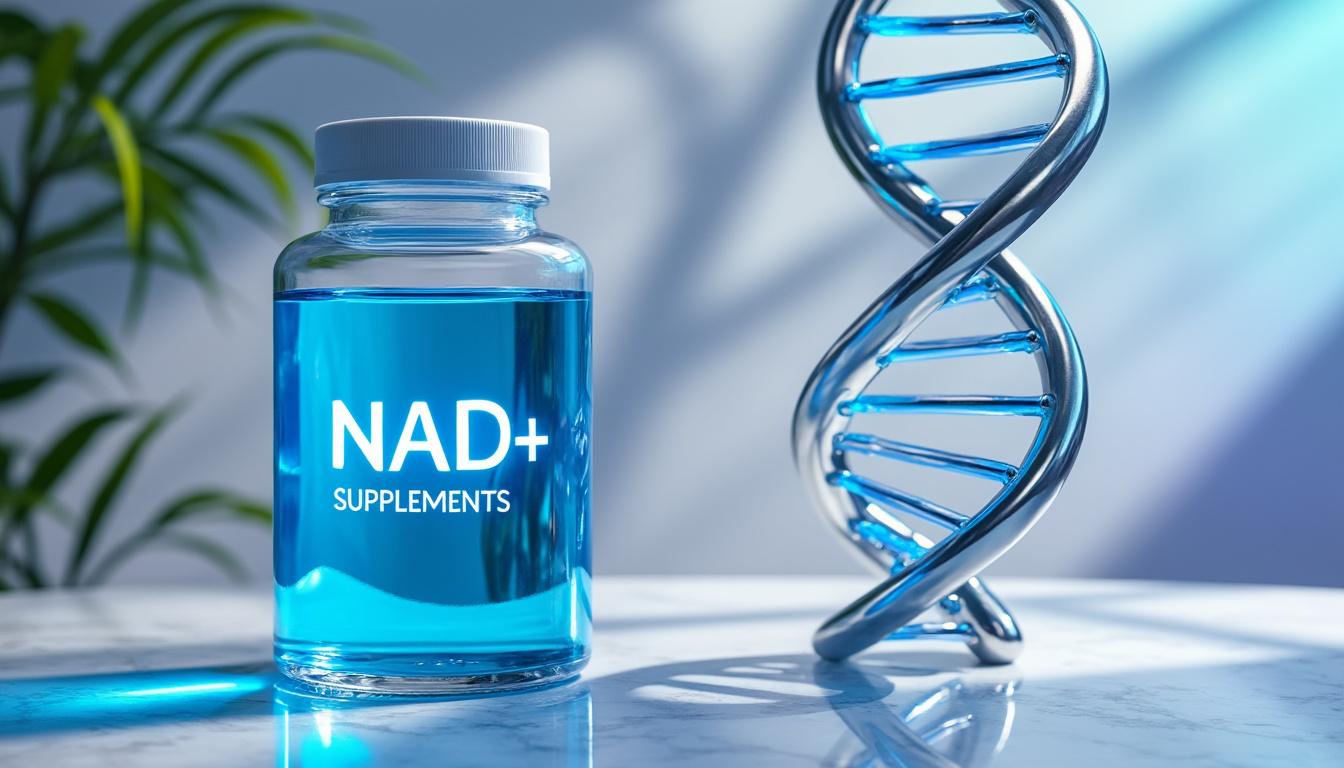
    discover the rising popularity of nad+ boosters, the anti-aging trend capturing widespread attention for its potential to enhance health and longevity.

    The Science Behind the Supplement: How Does It Actually Work?

    The core idea behind NAD+ boosters is simple: if declining levels contribute to aging, then restoring them should help slow the process. These supplements don’t usually contain NAD+ itself, which is a large molecule that struggles with absorption. Instead, they provide precursors—the building blocks your body uses to make its own NAD+. The two most popular are Nicotinamide Riboside (NR) and Nicotinamide Mononucleotide (NMN).

    When you take these precursors, they enter your cells and are converted into fresh NAD+. This revitalized supply then helps power up your mitochondria (the cellular powerhouses) and supports enzymes responsible for cellular maintenance and repair. While animal studies have shown encouraging results, it’s critical to understand if anti-aging NAD+ supplements are truly safe and effective for humans in the long run.

    Choosing Your Boost: Pills, Drips, and Injections, Oh My!

    If you decide to explore the world of NAD+, you’ll quickly find it’s not a one-size-fits-all solution. The market offers several delivery methods, each with its own set of pros and cons. Oral capsules containing NR or NMN are the most common and accessible option. However, for those seeking a more direct and potent effect, IV infusions and subcutaneous injections are gaining massive popularity, delivering the compounds straight into the bloodstream.

    Related Article :  Cultivating Strong Foundations: A Guide to Building Healthy Habits

    Of course, the price and convenience vary wildly. While a bottle of pills might set you back $50-$100 a month, a single IV session can cost hundreds of dollars. The full scope of NAD+ therapy benefits and side effects is still being explored, and choosing the right method depends heavily on your lifestyle, budget, and wellness goals.

    NAD+ Booster Delivery Methods Compared

    Method Convenience ✅ Cost 💰 Bioavailability ⚡
    Oral Capsules (NR/NMN) Very High – Take at home daily. Moderate Good, but passes through digestive system.
    IV Infusion Therapy Low – Requires visit to a clinic. Very High Highest – Directly into bloodstream.
    Subcutaneous Injections Moderate – Can be self-administered at home. High High – Bypasses the digestive system.

    A Dose of Reality: Safety, Side Effects, and Smarter Aging

    Before you rush to add NAD+ to your cart, it’s important to proceed with caution. The supplement industry is regulated post-market, meaning the FDA doesn’t vet these products for safety or effectiveness before they’re sold. Common mild side effects can include nausea, headaches, and flushing. It is crucial that mainstream news continues to ask what doctors think about this trendy supplement to keep the public informed.

    Remember, no supplement can replace the pillars of healthy aging. Lifestyle choices remain your most powerful tool. You can naturally support your NAD+ levels through regular exercise, getting adequate sleep, limiting alcohol, and eating a balanced diet rich in vitamin B3. These boosters can be intriguing, but they are best viewed as a potential part of a larger wellness strategy, not a cure-all. They work best when combined with proven anti-aging supplement stacks and a proactive health mindset.

    Related Article :  Spermidine supplements: what science says about living longer

    A truly holistic approach to health is key. This includes staying on top of preventive health checks you shouldn’t skip and understanding your body’s unique needs, which might even mean separating fact from fiction in hormonal health. Ultimately, preparing your body for the long haul with robust wellness practices will always be your best investment.

    At what age should someone consider taking NAD+ boosters?

    Most people begin considering NAD+ supplements in their late 30s or early 40s, as this is when natural levels start to decline more significantly. However, it’s essential to consult with your healthcare provider to determine if it’s appropriate for your individual health situation.

    Can I boost my NAD+ levels naturally without supplements?

    Yes, absolutely! Regular moderate-to-intense exercise, a balanced diet rich in foods containing vitamin B3 (like turkey, salmon, and brown rice), practicing intermittent fasting, and minimizing sun damage and alcohol consumption can all help preserve and support your body’s natural NAD+ production.

    Are there any people who should avoid NAD+ supplements?

    Individuals with liver or kidney issues should exercise caution, as these organs are key to metabolizing the supplements. Pregnant or breastfeeding women are also advised to avoid them due to a lack of research on potential effects. As with any supplement, consulting your doctor is the most important first step.

    What’s the difference between NR and NMN?

    Both Nicotinamide Riboside (NR) and Nicotinamide Mononucleotide (NMN) are precursors to NAD+. The main difference is that NMN is one step further along the chemical pathway to becoming NAD+. The debate over which is more effective is ongoing, with different studies favoring each one.

    The illustration photo in this article was generated by an artificial intelligence model. Fictional testimonials may have been included for illustrative purposes.

    anti-aging anti-aging trend health supplements nad+ nad+ boosters
    Follow on Google News
    Share. Facebook Twitter LinkedIn Email WhatsApp Reddit Telegram Threads Copy Link
    Previous ArticleWill Medicare cover this new cancer therapy?
    Next Article Republicans gamble on letting Obamacare subsidies expire — and their party is split
    Avatar photo
    Tina Nguyen

    Tina has been a health journalist for over ten years, reporting from various countries around the world. Her international experience gives her a unique and nuanced perspective on global wellness trends, public health challenges, and cultural approaches to healthy living. Known for her curiosity and clarity, Tina strives to deliver reliable, well-researched content that resonates with diverse audiences. She is passionate about making health information both engaging and empowering for readers everywhere.

    Continue reading

    Transparency at HHS: How the New “Radical Transparency” Initiative Aims to Expose Big Pharma Conflicts

    By Frank Jost

    How Wearable Technology Could Spark a Revolution in Healthier Living

    By FRANK JOST

    Unlocking the Secrets to Healthy Aging and Longevity

    By FRANK JOST

    Early cholesterol treatment in kids may prevent heart disease for life

    By FRANK JOST

    Wearable health devices: the future of personalized medicine?

    By Amelie Goujon

    AI in healthcare: ethical considerations and promising applications

    By Amelie Goujon

    Plant-based diets: the health trend taking the nation by storm

    By Amelie Goujon

    When vaccine recommendations change: what it means for hepatitis A, flu, meningitis & rotavirus

    By FRANK JOST

    CES 2026: Withings unveils an anti-aging smart scale focused on heart health

    By FRANK JOST

    Alzheimer’s disease: a potential breakthrough hidden in what many once dismissed

    By FRANK JOST

    BREAKING NEWS: Gene therapy for sickle cell disease: a medical breakthrough still out of reach for many

    By FRANK JOST

    Medicare opens a new path to weight-loss drugs: what seniors need to know about the $50 glp-1 plan

    By FRANK JOST
    Add A Comment
    Leave A Reply Cancel Reply

    Subscribe to Our Newsletter

    Join the Live Well Magazine Newsletter and get exclusive tips on health, wellness, lifestyle, and personal growth — straight to your inbox.

    Trending
    Lifestyle & Habits

    Top Cardiologists Uncover the Ultimate Habit to Adopt in Your 30s for a Healthy Heart That Lasts a Lifetime

    Nutrition

    Protein-Packed Mediterranean Dinners to Boost Your Heart Health

    Women’s Health

    How a Simple Afternoon Routine Could Transform Health for Women Over 50

    Trending

    Shirtless Robert F. Kennedy Jr. Devours a Twinkie in Viral Wrestling Showdown — and It’s Epic!

    Senior

    Wound Care Revolution: How a New Medicare Payment System Aims to Cut Waste in Senior Care

    Women’s Health

    The Overlooked Early Heart Attack Warning Signs That Women Often Mistake for Stress

    Facebook
    • About us
    • Contact us
    • Contributors
    • Legal
    • Privacy
    © 2026 livewellmagazine.org.

    Type above and press Enter to search. Press Esc to cancel.