Close Menu
    Follow us on Google News
    Follow Livewell Magazine on Google News
    Facebook X (Twitter) Instagram
    LiveWell Magazine
    Facebook
    Follow LiveWell Magazine on Google News
    • Cancer

      Healthy Dad’s Unexpected Cancer Diagnosis Revealed After Ignoring Nighttime Bathroom Trips: ‘A Heartbreaking Surprise’

      February 22, 2026

      BREAKING NEWS: Gene therapy for sickle cell disease: a medical breakthrough still out of reach for many

      December 29, 2025

      How Your Drinking Habits Could Significantly Increase Your Cancer Risk

      December 28, 2025

      Could the time of day you get cancer treatment affect survival? What a new lung cancer study suggests

      December 25, 2025

      Can exercise lower cancer risk? what the science suggests (and what to do today)

      December 22, 2025
    • Fitness

      The best workouts for busy people

      March 3, 2026

      A Fitness Trainer’s Perspective: How My Approach Transformed from 40 to 60

      March 2, 2026

      Healthy Living: Dr. Angela Haskins Embraces Peloton Workouts for Fitness

      February 2, 2026

      The “protein first” trick: protect muscle and stay full during holiday meals

      January 11, 2026

      FDA eases rules on fitness wearables: great news for seniors staying active!

      January 7, 2026
    • Health

      Federal Judge Hits Pause on HHS Secretary Kennedy’s Vaccine Policy Overhaul

      March 18, 2026

      Medicare Advantage Shifts: Payments to Plans Increase as Enrollment Hits a New Record

      March 18, 2026

      The battle over “$0 premium” plans: What’s at stake for your healthcare?

      February 19, 2026

      Early cholesterol treatment in kids may prevent heart disease for life

      January 28, 2026

      Functional medicine: a personalized approach to healthcare

      January 27, 2026
    • Lifestyle

      Everyday Habits Dentists Say Are Secretly Damaging Your Teeth

      March 16, 2026

      Essential Evening Habits to Improve Your Blood Sugar Levels, According to Experts

      March 15, 2026

      Unlocking the Psychology of the ‘Fresh Start Effect’: Why Spring Sparks the Ultimate Time for Renewal

      March 14, 2026

      Evening Habits to Embrace After 5 P.M. for Promoting Healthy Aging, According to Experts

      March 14, 2026

      The Top Habit to Quit for Lowering Your Dementia Risk, Experts Reveal

      March 13, 2026
    • Nutrition

      Remarkable Health Benefits of Prunes That Transform Them into a Nutritional Powerhouse

      March 6, 2026

      Top 4 Vegetables to Boost Liver Health, Recommended by Registered Dietitians

      February 27, 2026

      Major Updates to Oklahoma SNAP Benefits as Healthy Food Waiver Takes Effect

      February 16, 2026

      Nutrition and health: the importance of a balanced diet for optimal well-being

      January 30, 2026

      Top 10 Healthy Eating Habits Nutrition Experts Recommend Embracing in 2026

      January 4, 2026
    • Senior

      Wound Care Revolution: How a New Medicare Payment System Aims to Cut Waste in Senior Care

      March 19, 2026

      The $2,000 Cap is Here: How the New Annual Out-of-Pocket Drug Limit Saves Seniors Thousands

      March 17, 2026

      Why Conventional Health Tips Might Shift After Turning 50

      March 15, 2026

      The Unexpected Superfood to Boost Your Health as You Get Older, Reveals New Research

      March 1, 2026

      TrumpRx.gov Launched: How Seniors Can Access 80% Discounts on Prescription Drugs Starting This Month

      February 26, 2026
    • Trends

      Transparency at HHS: How the New “Radical Transparency” Initiative Aims to Expose Big Pharma Conflicts

      March 13, 2026

      How Wearable Technology Could Spark a Revolution in Healthier Living

      February 5, 2026

      Early cholesterol treatment in kids may prevent heart disease for life

      January 28, 2026

      Wearable health devices: the future of personalized medicine?

      January 27, 2026

      AI in healthcare: ethical considerations and promising applications

      January 26, 2026
    • Wellness

      Stephen A. Smith Blasts Pelicans: ‘Y’all Have Been Trash’ After Critiquing Zion Williamson

      March 19, 2026

      Simple and Effective Health Hacks for Busy Lives

      February 28, 2026

      Longevity Expert Reveals His Daily Wellness Rituals: How He Intentionally Applies Cutting-Edge Research to His Life

      February 8, 2026

      Comprehensive Meta-Analysis Reveals Diverse Strategies to Enhance Subjective Well-Being

      February 1, 2026

      Nutrition and health: the importance of a balanced diet for optimal well-being

      January 30, 2026
    Subscribe
    LiveWell Magazine
    Home»Parenting & Family»Cyberbullying is real—and it hurts: how to protect your child (and grandchild) online
    Parenting & Family

    Cyberbullying is real—and it hurts: how to protect your child (and grandchild) online

    Frank JostBy Frank JostNo Comments
    Facebook Twitter Email WhatsApp Pinterest LinkedIn Reddit Telegram Threads
    learn about cyberbullying, its impact, prevention strategies, and how to stay safe online in the digital age.
    Share
    Facebook Twitter LinkedIn Email Reddit Telegram WhatsApp Threads

    In a world where childhood friendships are forged as much in online gaming lobbies as they are on the school playground, the challenges our children and grandchildren face are vastly different from those of our own youth. The digital landscape is a place of incredible connection and learning, but it also holds hidden shadows, with cyberbullying emerging as a significant concern for families everywhere. For grandparents, who are often pillars of wisdom and comfort, understanding this new frontier can feel daunting. Yet, your role has never been more vital. You have a unique opportunity to be a beacon of support, helping to build a bridge of communication and resilience that can protect your loved ones from the hurt of online harassment. This isn’t about becoming a tech expert overnight; it’s about leading with love, listening with an open heart, and empowering the young people in your life to navigate their world with confidence and kindness.

    In Brief: Your Guide to Tackling Cyberbullying

    • Cyberbullying is the use of digital technology to harass, threaten, or embarrass someone. It happens on social media, in messaging apps, and during online games.
    • Open and non-judgmental communication is your most powerful tool. Create a safe space for your grandchild to share their experiences.
    • Watch for subtle changes in behavior, such as withdrawal, anxiety around devices, or a sudden drop in school performance.
    • You can take practical steps like learning about privacy settings and creating a family tech plan together.
    • The ultimate goal is to build resilience, teaching children and teens how to handle online negativity and foster a strong sense of self-worth.

    Navigating the Digital Playground: Understanding Cyberbullying

    Unlike the playground bully of the past, a cyberbully can be anonymous and relentless, reaching a child anytime, anywhere, through a phone or tablet. This form of bullying includes sending hurtful messages, spreading rumors online, sharing embarrassing photos or videos without consent, or intentionally excluding someone from an online group. It can happen on platforms you may have heard of, like Instagram and TikTok, but also in less obvious places like group chats or through popular online games. The pervasive nature of this harassment can make a child feel like there is no escape, leading to serious emotional and psychological distress.

    Related Article :  How to master parenting & family without quitting your lifestyle

    “I had no idea the kids’ online games could be so hurtful. My grandson, Leo, became so quiet, and it turned out another player was relentlessly teasing him,” shares a fictional grandmother, Martha, 72. “I felt helpless at first because I didn’t understand his world, but I knew I had to do something to help him feel safe again.” Stories like Martha’s are becoming more common, highlighting why a grandparent’s steady presence is so crucial. By learning to recognize the landscape, you can become an informed and effective ally.
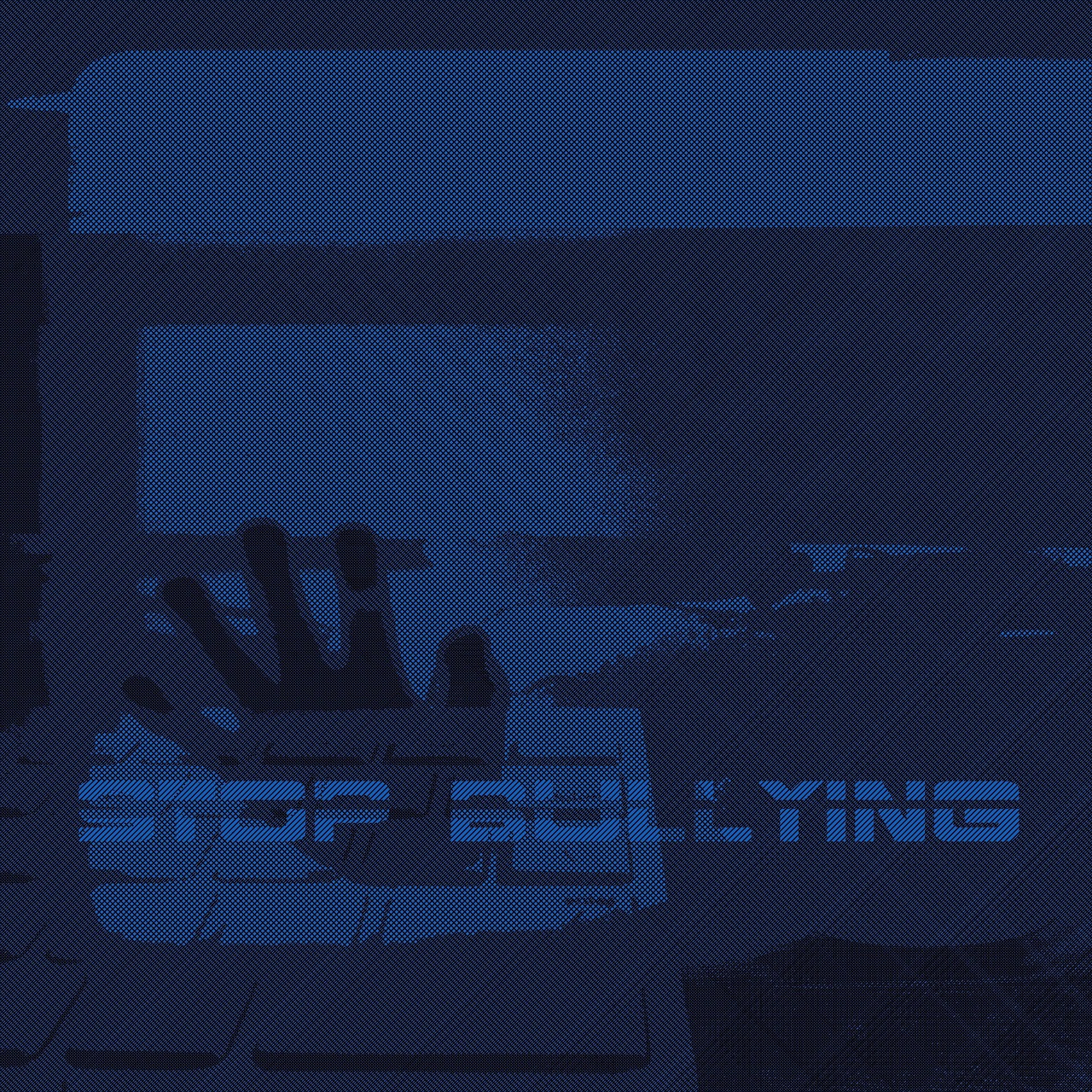
    learn about cyberbullying, its effects, prevention strategies, and how to stay safe online in the digital age.

    Your Role as a Digital Guardian: How to Protect Your Grandchild

    Your intuition as a caregiver is your greatest asset. You know your grandchild better than most, and you’re likely to notice when something is amiss. Protecting them starts not with taking away their devices, but with strengthening your connection and paying attention to the small things. It’s about being a safe harbor where they can talk about anything without fear of judgment or overreaction. Remember that for many young people, their online life is their social life, and suggesting they simply “log off” can feel like you’re dismissing a huge part of their world.

    Spotting the Warning Signs of Online Bullying

    Cyberbullying isn’t always obvious. Kids often hide their distress for fear of getting in trouble or losing their device privileges. Keep an eye out for these potential red flags:

    • 😥 Appears unusually upset, anxious, or depressed, especially after using their phone or computer.
    • 📱 Becomes secretive about their digital life or suddenly stops using their devices.
    • 📉 A noticeable drop in grades or loss of interest in schoolwork.
    • 🤝 Withdraws from friends, family, and activities they once enjoyed.
    • 😴 Trouble sleeping or frequent nightmares.

    Fostering Open and Honest Conversations

    Creating a dialogue is key. Instead of direct questions like “Are you being cyberbullied?” which can shut down conversation, try a softer approach. Ask about their favorite games, the apps they use, and what their friends are up to online. By showing genuine interest, you build trust. Learning to have these conversations is a vital part of protecting your family from everyday health hazards, including digital ones. When they do open up, listen more than you speak. Your calm, supportive presence is what they need most.

    Related Article :  How to talk with children about tragic events ?

    From Awareness to Action: Practical Steps to Stop Cyberbullying

    Once you’ve established open communication, you can move toward taking practical steps together. This is not about taking over, but about working as a team with your grandchild and their parents. The first step is to document everything. Take screenshots of hurtful messages, posts, or profiles. This evidence is crucial if you need to report the behavior to a social media platform, school, or, in serious cases, law enforcement. It’s also important to cultivate healthy digital habits as a family, which includes setting reasonable boundaries around screen time and discussing what is appropriate to share online.

    What To Do ✅ What to Avoid ❌
    Listen calmly and reassure your grandchild that it’s not their fault. Don’t overreact or panic, as this may discourage them from sharing in the future.
    Save and document all evidence of the bullying. Don’t immediately take away their phone or computer as a punishment.
    Report the bully to the platform (app, game, or website) where it’s happening. Don’t contact the bully or their parents directly, which can escalate the situation.
    Work with their parents to contact the school for support. Never blame your grandchild by asking what they did to provoke the bully.

    Building a Shield of Confidence: Empowering Resilient Kids

    Ultimately, the most powerful defense against bullying of any kind is a strong sense of self-worth. Beyond just stopping the immediate threat, your goal is to help your grandchild build the resilience to handle future challenges. Encourage their passions and hobbies, especially those that take place offline and help them build face-to-face friendships. Teach them about empathy and the importance of being an “upstander”—someone who supports a person being bullied rather than being a passive bystander. Experts agree that finding a balance is key, and it is important to remember that you’re not ruining your kids by allowing social media use; you’re teaching them how to use it responsibly.

    Related Article :  Helping kids adjust to wearing masks daily

    “After we worked through it, Leo’s father and I helped him join a local coding club. He found a new, positive online community,” Martha adds with a smile. “He learned that the internet can also be a wonderful place. It’s about finding the right spaces and having the confidence to walk away from the bad ones.” Your support in building digital resilience can turn a painful experience into a lesson in strength and self-respect. Continue talking to teens about online safety regularly to keep the lines of communication open and reinforce these positive lessons.

    What is the difference between normal teasing and cyberbullying?

    Teasing is often playful and mutual between friends. Cyberbullying, on the other hand, is a deliberate, repeated behavior intended to hurt, embarrass, or threaten someone. A key indicator is the power imbalance—the bully is trying to exert control over the victim, who often feels unable to make it stop.

    Should I contact the other child’s parents if I know who the bully is?

    It’s generally not recommended to contact the other parents directly, as this can often make the situation worse. The best course of action is to go through official channels. Work with your grandchild’s parents to report the incident to the school, who can then mediate the situation appropriately.

    How can I monitor my grandchild’s online activity without spying?

    Instead of spying, aim for transparency. Talk to them about why their safety is important to you. You can set up tech use in a central family area (like the living room) rather than a bedroom. You can also explore parental control apps together, explaining that they are for safety, not for a lack of trust.

    What legal actions can be taken against cyberbullies?

    Laws regarding cyberbullying vary by state. In serious cases involving threats, harassment, or the sharing of explicit images, it can be a criminal offense. It’s best to document everything and consult with school authorities or local law enforcement to understand your options.

    Please note: The illustration photo in this article was generated by artificial intelligence. Fictional testimonials may have been included for illustrative purposes.

    cyberbullying digital parenting online safety protect children online protect grandchildren online
    Follow on Google News
    Share. Facebook Twitter LinkedIn Email WhatsApp Reddit Telegram Threads Copy Link
    Previous Article“The good old days” aren’t always safer: baby safety myths to let go of
    Next Article Stroke center care made the difference: finding relief after an aneurysm
    Avatar photo
    Frank Jost

    Frank is a seasoned media consultant for LiveWell Magazine, with over two decades of experience in the digital media landscape. His expertise spans online publishing, audience engagement strategies, and health communication. A recognized expert in mutual health insurance, Frank brings a unique perspective that bridges the gap between public health awareness and digital storytelling. He is passionate about making reliable health information accessible to all, and continues to help readers navigate the complexities of wellness and insurance in the digital age. https://www.linkedin.com/in/frank-jost-2097104/

    Continue reading

    Tylenol and autism: what Trump claims and what pregnant women need to know

    By FRANK JOST

    “Trump Accounts” and disability planning: the ABLE rollover detail families should not miss

    By Frank Jost

    To hospice patients : granting a simple wish can bring great joy

    By FRANK JOST

    How to talk with children about tragic events ?

    By FRANK JOST

    Is your kid’s meal really “happy”? a closer look at what’s on the plate

    By Frank Jost

    Raising healthy kids: 4 everyday habits that make a big difference

    By Frank Jost

    Breastfeeding in public: why it’s still controversial—and what parents want you to know

    By Frank Jost

    Freshman year 101: the conversations every family should have before college

    By Frank Jost

    Indoor winter wonderlands: easy DIY activities for kids (and grandkids) this season

    By Frank Jost

    “The good old days” aren’t always safer: baby safety myths to let go of

    By Frank Jost

    How to talk to kids about tragic events without scaring them

    By Frank Jost

    A mother’s hardest conversation: sharing devastating news with her sons—twice

    By Frank Jost
    Add A Comment
    Leave A Reply Cancel Reply

    Subscribe to Our Newsletter

    Join the Live Well Magazine Newsletter and get exclusive tips on health, wellness, lifestyle, and personal growth — straight to your inbox.

    Trending
    Women’s Health

    How a Simple Afternoon Routine Could Transform Health for Women Over 50

    Trending

    Shirtless Robert F. Kennedy Jr. Devours a Twinkie in Viral Wrestling Showdown — and It’s Epic!

    Senior

    Wound Care Revolution: How a New Medicare Payment System Aims to Cut Waste in Senior Care

    Women’s Health

    The Overlooked Early Heart Attack Warning Signs That Women Often Mistake for Stress

    Health Resources

    Federal Judge Hits Pause on HHS Secretary Kennedy’s Vaccine Policy Overhaul

    Healthy Recipes

    Nutritious Packed Lunch Ideas That Will Make You Say Goodbye to Boring Meals

    Facebook
    • About us
    • Contact us
    • Contributors
    • Legal
    • Privacy
    © 2026 livewellmagazine.org.

    Type above and press Enter to search. Press Esc to cancel.