Close Menu
    Follow us on Google News
    Follow Livewell Magazine on Google News
    Facebook X (Twitter) Instagram
    LiveWell Magazine
    Facebook
    Follow LiveWell Magazine on Google News
    • Cancer

      Healthy Dad’s Unexpected Cancer Diagnosis Revealed After Ignoring Nighttime Bathroom Trips: ‘A Heartbreaking Surprise’

      February 22, 2026

      BREAKING NEWS: Gene therapy for sickle cell disease: a medical breakthrough still out of reach for many

      December 29, 2025

      How Your Drinking Habits Could Significantly Increase Your Cancer Risk

      December 28, 2025

      Could the time of day you get cancer treatment affect survival? What a new lung cancer study suggests

      December 25, 2025

      Can exercise lower cancer risk? what the science suggests (and what to do today)

      December 22, 2025
    • Fitness

      The best workouts for busy people

      March 3, 2026

      A Fitness Trainer’s Perspective: How My Approach Transformed from 40 to 60

      March 2, 2026

      Healthy Living: Dr. Angela Haskins Embraces Peloton Workouts for Fitness

      February 2, 2026

      The “protein first” trick: protect muscle and stay full during holiday meals

      January 11, 2026

      FDA eases rules on fitness wearables: great news for seniors staying active!

      January 7, 2026
    • Health

      Federal Judge Hits Pause on HHS Secretary Kennedy’s Vaccine Policy Overhaul

      March 18, 2026

      Medicare Advantage Shifts: Payments to Plans Increase as Enrollment Hits a New Record

      March 18, 2026

      The battle over “$0 premium” plans: What’s at stake for your healthcare?

      February 19, 2026

      Early cholesterol treatment in kids may prevent heart disease for life

      January 28, 2026

      Functional medicine: a personalized approach to healthcare

      January 27, 2026
    • Lifestyle

      Everyday Habits Dentists Say Are Secretly Damaging Your Teeth

      March 16, 2026

      Essential Evening Habits to Improve Your Blood Sugar Levels, According to Experts

      March 15, 2026

      Unlocking the Psychology of the ‘Fresh Start Effect’: Why Spring Sparks the Ultimate Time for Renewal

      March 14, 2026

      Evening Habits to Embrace After 5 P.M. for Promoting Healthy Aging, According to Experts

      March 14, 2026

      The Top Habit to Quit for Lowering Your Dementia Risk, Experts Reveal

      March 13, 2026
    • Nutrition

      Protein-Packed Mediterranean Dinners to Boost Your Heart Health

      March 20, 2026

      Remarkable Health Benefits of Prunes That Transform Them into a Nutritional Powerhouse

      March 6, 2026

      Top 4 Vegetables to Boost Liver Health, Recommended by Registered Dietitians

      February 27, 2026

      Major Updates to Oklahoma SNAP Benefits as Healthy Food Waiver Takes Effect

      February 16, 2026

      Nutrition and health: the importance of a balanced diet for optimal well-being

      January 30, 2026
    • Senior

      Wound Care Revolution: How a New Medicare Payment System Aims to Cut Waste in Senior Care

      March 19, 2026

      The $2,000 Cap is Here: How the New Annual Out-of-Pocket Drug Limit Saves Seniors Thousands

      March 17, 2026

      Why Conventional Health Tips Might Shift After Turning 50

      March 15, 2026

      The Unexpected Superfood to Boost Your Health as You Get Older, Reveals New Research

      March 1, 2026

      TrumpRx.gov Launched: How Seniors Can Access 80% Discounts on Prescription Drugs Starting This Month

      February 26, 2026
    • Trends

      Transparency at HHS: How the New “Radical Transparency” Initiative Aims to Expose Big Pharma Conflicts

      March 13, 2026

      How Wearable Technology Could Spark a Revolution in Healthier Living

      February 5, 2026

      Early cholesterol treatment in kids may prevent heart disease for life

      January 28, 2026

      Wearable health devices: the future of personalized medicine?

      January 27, 2026

      AI in healthcare: ethical considerations and promising applications

      January 26, 2026
    • Wellness

      Stephen A. Smith Blasts Pelicans: ‘Y’all Have Been Trash’ After Critiquing Zion Williamson

      March 19, 2026

      Simple and Effective Health Hacks for Busy Lives

      February 28, 2026

      Longevity Expert Reveals His Daily Wellness Rituals: How He Intentionally Applies Cutting-Edge Research to His Life

      February 8, 2026

      Comprehensive Meta-Analysis Reveals Diverse Strategies to Enhance Subjective Well-Being

      February 1, 2026

      Nutrition and health: the importance of a balanced diet for optimal well-being

      January 30, 2026
    Subscribe
    LiveWell Magazine
    Home»Cancer»Smart radiotherapy: can AI-powered beams reduce side effects and target better?
    Cancer

    Smart radiotherapy: can AI-powered beams reduce side effects and target better?

    Amelie GoujonBy Amelie GoujonNo Comments
    Facebook Twitter Email WhatsApp Pinterest LinkedIn Reddit Telegram Threads
    Share
    Facebook Twitter LinkedIn Email Reddit Telegram WhatsApp Threads

    Radiotherapy has long been one of the most powerful weapons in modern oncology. It’s used in over half of all cancer cases and plays a critical role in shrinking tumors, controlling disease, and even achieving remission. But despite its effectiveness, radiotherapy has traditionally come with a significant compromise: healthy tissues and organs often get caught in the crossfire. This collateral damage can lead to long-term complications that patients carry with them long after treatment ends.

    Today, a new player is stepping into the treatment room—artificial intelligence. Far from science fiction, AI is already reshaping how we map, plan, and deliver radiation. From adaptive beam pathways to algorithmic decision support, the next generation of cancer care is being built not just by oncologists and physicists, but by data scientists and engineers. These smart systems are offering something we’ve long hoped for in radiotherapy: more accuracy, fewer side effects, and greater personalization for each patient.

    As a doctor, oncologist, molecular researcher, and health journalist, I’ve observed this technological shift with cautious optimism. The integration of AI into radiotherapy is not just a software upgrade—it represents a paradigm shift in how we think about precision medicine. In this article, we’ll explore what “smart radiotherapy” really means, how it’s already benefiting patients, and why it could redefine cancer treatment in the years ahead.

    What is smart radiotherapy?

    Smart radiotherapy refers to the integration of artificial intelligence into radiation planning and delivery. Traditional radiotherapy requires clinicians to manually map tumors and nearby organs, design radiation fields, and calculate doses—a process that, while effective, relies heavily on human expertise and time.

    Related Article :  CES 2026: Withings unveils an anti-aging smart scale focused on heart health

    AI algorithms, however, can process imaging data, anatomical structures, and past treatment results to automate and optimize these steps. The result: faster planning, better targeting, and radiation beams that adjust to the patient’s unique anatomy in near real time.

    Precision targeting: AI in action
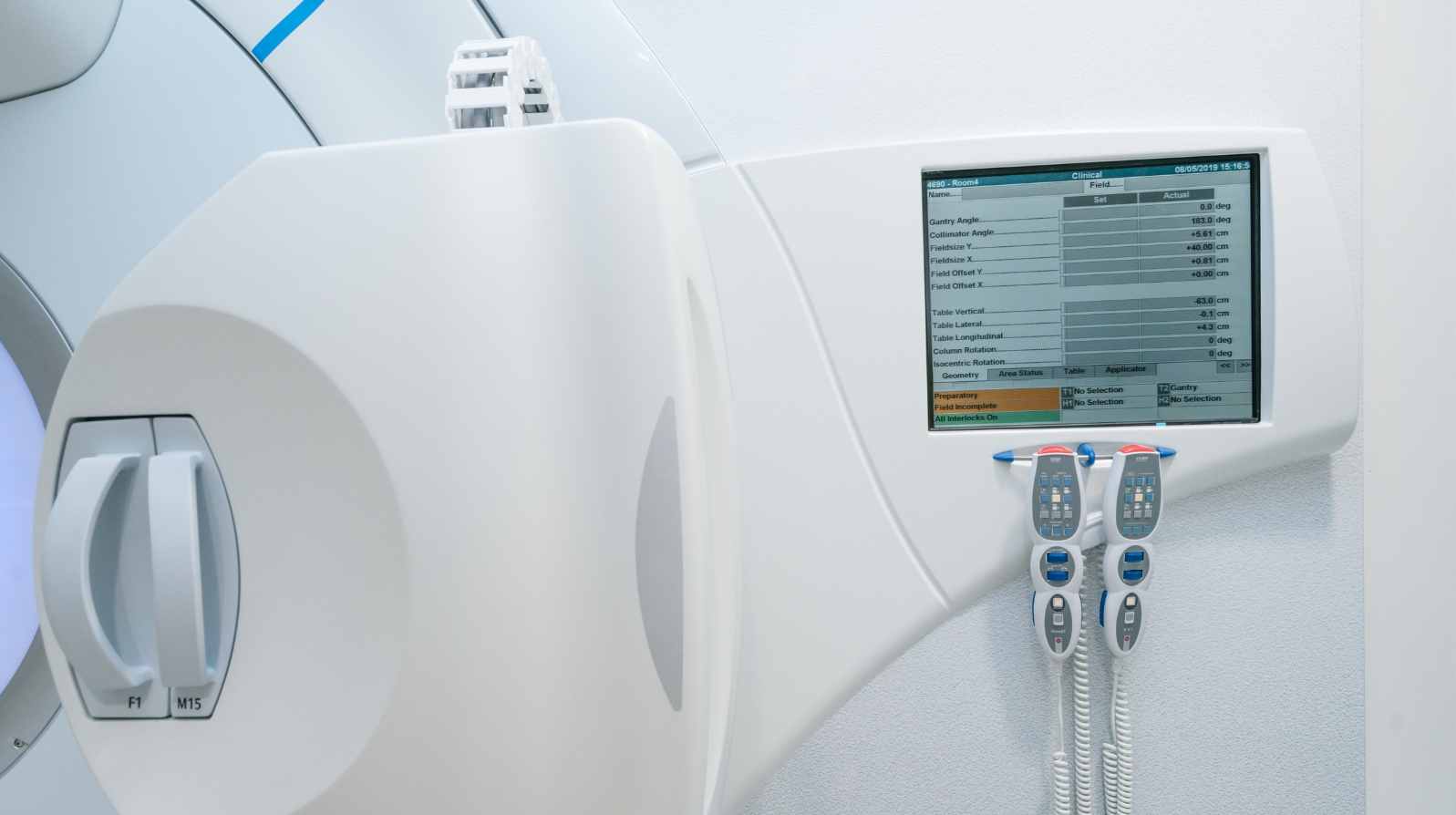
    One of the main challenges in radiotherapy is hitting the tumor while sparing as much healthy tissue as possible. AI helps improve this balance. Using deep learning models trained on thousands of CT and MRI scans, systems can detect tumors with high accuracy, even in hard-to-see regions.

    This precision means that treatment plans can now adapt daily. For example, if a patient loses weight or their internal anatomy shifts, AI-powered tools can recalculate the optimal beam trajectory—delivering the right dose to the right place, every time.

    Fewer side effects, faster recovery

    Traditional radiation treatments often cause fatigue, skin irritation, swallowing difficulties, or long-term damage to healthy tissues. AI-guided targeting significantly reduces unnecessary exposure to surrounding organs, especially in sensitive areas like the brain, lungs, or pelvis.

    For patients, this can mean fewer side effects, shorter treatment sessions, and faster post-treatment recovery. It also allows some individuals to tolerate higher radiation doses in fewer sessions—an approach known as hypofractionation—without increased risk.

    Challenges and ethical considerations
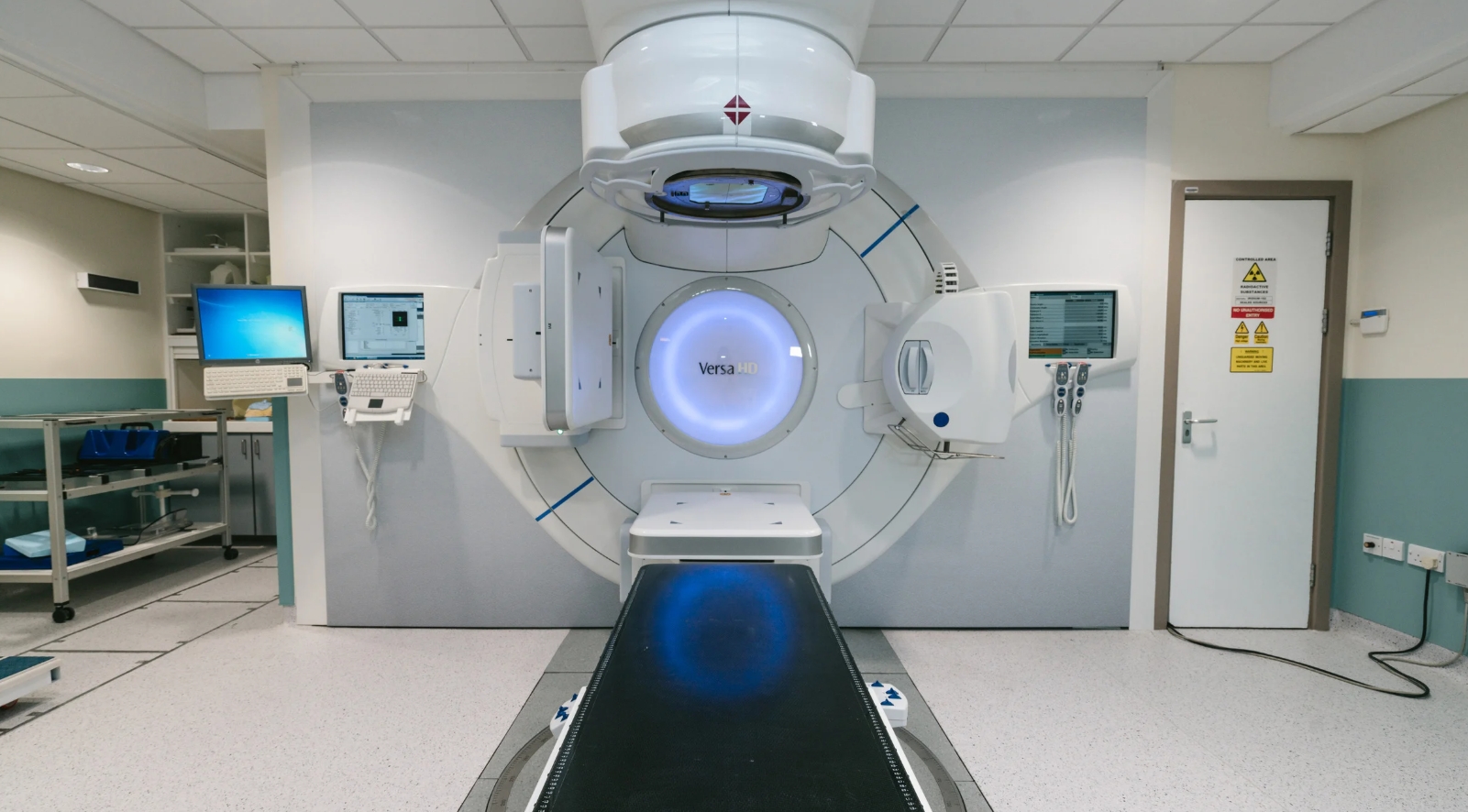
    While the potential of AI in radiotherapy is exciting, it’s not without challenges. Machine learning models require large, diverse datasets to ensure accuracy across populations. Variability in imaging quality or equipment can affect how well the AI performs across different hospitals or regions.

    Related Article :  What cancer screenings you need at every age

    Moreover, clinical teams must remain in control. AI is a tool—not a replacement for medical judgment. Ethical implementation requires transparency, regular auditing of algorithm performance, and a clear understanding of how decisions are made.

    What this means for patients and professionals

    • AI helps tailor treatments to individual anatomy and tumor behavior
    • Smart radiotherapy can reduce toxicity and improve patient comfort
    • Clinicians benefit from faster, data-backed planning tools
    • Ongoing training is needed to integrate AI safely into practice

    For oncologists and radiation therapists, this technology offers a powerful new partner in the fight against cancer. For patients, it represents a shift toward more personalized, less invasive care—delivered with increasing speed and precision.

    AI-powered radiotherapy is one of the most promising innovations in cancer care today. By combining medical imaging, data science, and radiation physics, it offers a smarter way to treat cancer—targeting tumors more accurately while protecting the body.

    Although still evolving, this approach is already improving patient experiences and clinical outcomes in many treatment centers. The future of radiotherapy is not just about power—it’s about precision. And AI is helping us get there faster.

    Follow on Google News
    Share. Facebook Twitter LinkedIn Email WhatsApp Reddit Telegram Threads Copy Link
    Previous ArticleLow-calorie comfort foods that hit the spot
    Next Article Gentle moves under the sun: tai chi and yoga for seniors
    Avatar photo
    Amelie Goujon

    Amélie has been working in the health sector for over 15 years and now serves as an online journalist specializing in healthy living. Her background in healthcare gives her articles a solid foundation of credibility and empathy. Passionate about wellness, nutrition, and prevention, she translates complex medical topics into clear, accessible content for a wide audience. Through her writing, Amélie aims to empower readers to make informed choices and adopt healthier daily habits.

    Continue reading

    Transparency at HHS: How the New “Radical Transparency” Initiative Aims to Expose Big Pharma Conflicts

    By Frank Jost

    Stephen A. Smith Blasts Pelicans: ‘Y’all Have Been Trash’ After Critiquing Zion Williamson

    By FRANK JOST

    Simple and Effective Health Hacks for Busy Lives

    By FRANK JOST

    Healthy Dad’s Unexpected Cancer Diagnosis Revealed After Ignoring Nighttime Bathroom Trips: ‘A Heartbreaking Surprise’

    By FRANK JOST

    Longevity Expert Reveals His Daily Wellness Rituals: How He Intentionally Applies Cutting-Edge Research to His Life

    By FRANK JOST

    How Wearable Technology Could Spark a Revolution in Healthier Living

    By FRANK JOST

    Comprehensive Meta-Analysis Reveals Diverse Strategies to Enhance Subjective Well-Being

    By FRANK JOST

    Nutrition and health: the importance of a balanced diet for optimal well-being

    By Amelie Goujon

    Early cholesterol treatment in kids may prevent heart disease for life

    By FRANK JOST

    Wearable health devices: the future of personalized medicine?

    By Amelie Goujon

    AI in healthcare: ethical considerations and promising applications

    By Amelie Goujon

    Wellness Stacking: Combining Small Habits for Greater Health Benefits

    By FRANK JOST
    Add A Comment
    Leave A Reply Cancel Reply

    Subscribe to Our Newsletter

    Join the Live Well Magazine Newsletter and get exclusive tips on health, wellness, lifestyle, and personal growth — straight to your inbox.

    Trending
    Nutrition

    Protein-Packed Mediterranean Dinners to Boost Your Heart Health

    Women’s Health

    How a Simple Afternoon Routine Could Transform Health for Women Over 50

    Trending

    Shirtless Robert F. Kennedy Jr. Devours a Twinkie in Viral Wrestling Showdown — and It’s Epic!

    Senior

    Wound Care Revolution: How a New Medicare Payment System Aims to Cut Waste in Senior Care

    Women’s Health

    The Overlooked Early Heart Attack Warning Signs That Women Often Mistake for Stress

    Health Resources

    Federal Judge Hits Pause on HHS Secretary Kennedy’s Vaccine Policy Overhaul

    Facebook
    • About us
    • Contact us
    • Contributors
    • Legal
    • Privacy
    © 2026 livewellmagazine.org.

    Type above and press Enter to search. Press Esc to cancel.