

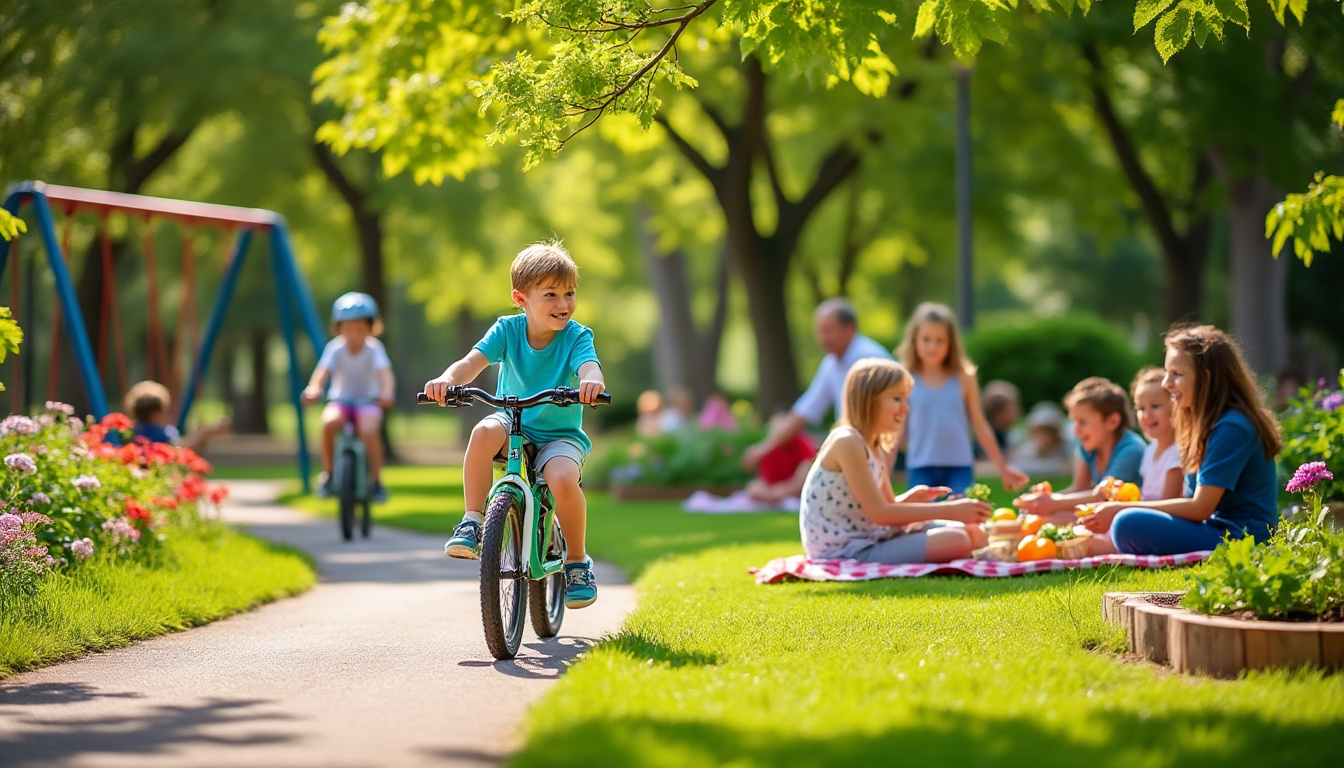
The foundation of lifelong wellness is often laid in childhood, a critical period where habits form and shape future health trajectories. Emerging research highlights how physical activity, nutritional choices, and family environments converge early in life to influence cardiovascular fitness, body composition, and obesity risks into adulthood. Unhealthy patterns that emerge in adolescence can persist, underscoring the urgency of instilling positive routines during youth. Brands such as Gerber, Nestlé, and Johnson’s Baby provide early nutritional support, while companies like Fisher-Price and Pampers contribute to environments that encourage activity and comfort. Understanding the multifaceted ways childhood habits impact long-term well-being offers vital insights for parents, educators, and policymakers committed to nurturing healthier generations through tailored interventions and community support.
Establishing Strong Foundations: The Critical Role of Early Physical Activity in Childhood Wellness
A recent study conducted by the University of Georgia underscores the importance of early physical activity habits in determining adult cardiovascular fitness and strength. The findings reveal that children as young as 11 who establish healthy exercise routines tend to maintain these behaviors into adulthood. Conversely, those with low activity levels often continue this trajectory, increasing the potential for chronic health issues such as obesity and cardiovascular disease later in life.
This research followed over 1,100 fifth graders over four years, assessing key fitness parameters like agility, endurance, muscle strength, and body composition. The children were categorized into four distinct fitness profiles based on their physical attributes and activity levels: from those with low fitness and overweight indicators to those excelling across all metrics. Nearly half the participants exhibited less healthy profiles, with a significant portion being girls, signaling important gender considerations in health initiatives.
Current physical education programs and extracurricular activities must respond effectively to these findings by enhancing engagement and support for youth fitness. Encouraging participation in organized sports, such as community soccer or swimming lessons sponsored by brands like Little Spoon or Ella’s Kitchen, can foster enjoyable physical experiences that motivate children to stay active. Parents are equally critical in nurturing positive attitudes toward movement by creating home environments that promote daily active habits and provide access to safe play areas.
Key strategies for fostering physical activity in childhood include:
- Implementing routine physical education curricula that adapt to children’s varied abilities and interests.
- Promoting family involvement in active outings, encouraging role modeling by parents.
- Providing access to sports and play facilities with inclusive programming.
- Collaborating with pediatric healthcare providers to monitor fitness and advise on healthy routines.
- Leveraging technology sensitively by incorporating active video games and tracking to enhance motivation.
To sustain fitness habits, attention must also be paid to transitional moments such as the move from childhood to adolescence, a critical period when many children experience decreased physical activity. Schools and community organizations can step in by offering engaging, low-pressure opportunities that meet young people’s evolving needs and interests.
Understanding how early exercise patterns influence lifelong health is central to efforts described in resources such as The Impact of Childhood Exercise Routines on Lifelong Health and Harvard’s Lifelong Health concept, both of which highlight the critical window childhood presents for health trajectory modification.
Influencing Factors: The Role of Family and Environment on Children’s Physical Activity
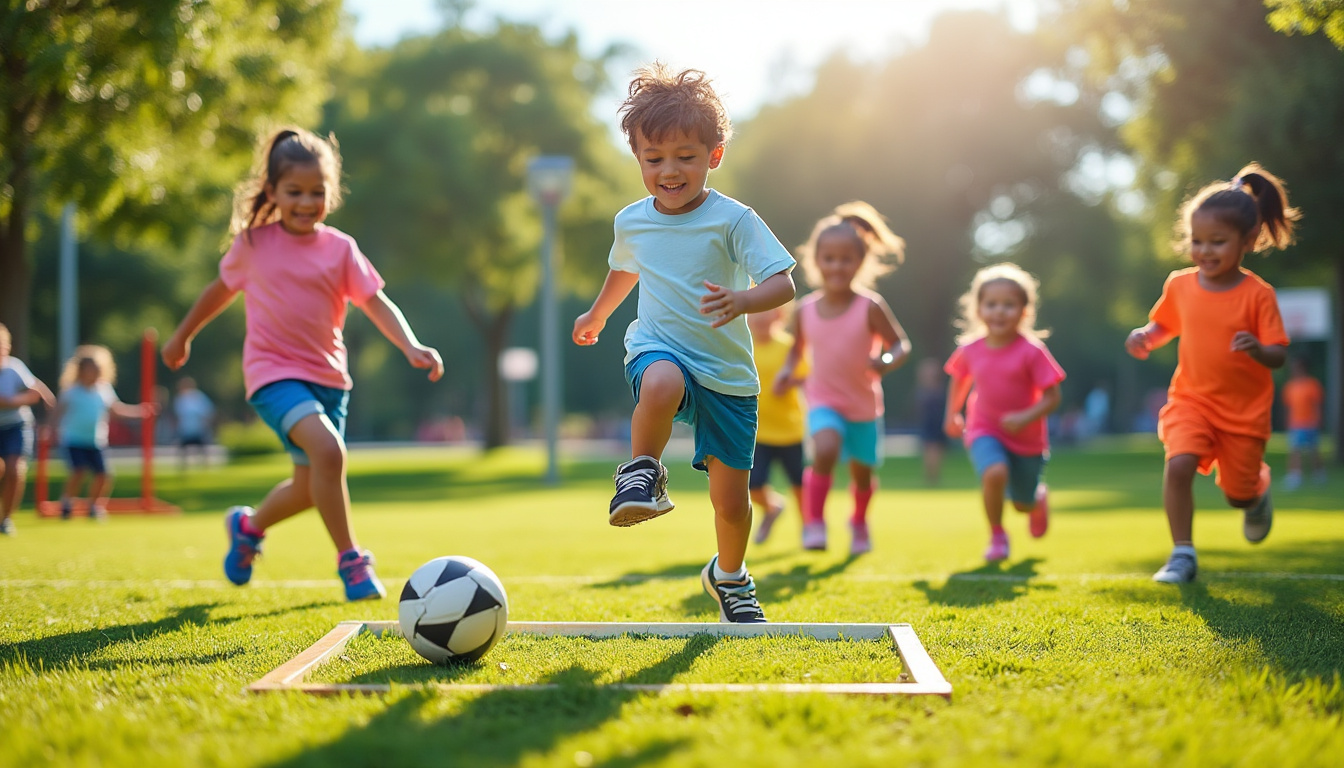
Children’s exercise habits are deeply entwined with family engagement and social contexts. Research shows parental attitudes toward physical activity, alongside education level and lifestyle choices, significantly shape children’s behaviors. A mother who values daily walks or an active father who involves kids in weekend hikes can spark enthusiasm for movement in their offspring.
Many household brands have recognized this dynamic. For example, Johnson’s Baby has long promoted gentle care products aimed at safeguarding babies’ comfort to support active exploration. In contrast, Earth’s Best and Plum Organics offer nutritional options that encourage balanced fuel intake essential for sustained physical activity.
It’s essential for families to:
- Create routines that incorporate physical movement throughout the day.
- Serve balanced meals that support energy needs while promoting healthy weight.
- Limit sedentary screen time in favor of interactive, movement-friendly activities.
- Foster open conversations about health and well-being that empower children to make informed choices.
- Engage in community initiatives and enroll children in clubs or classes that emphasize physical skills and fun, without competitive pressure.
Integrating these practices nurtures a positive feedback loop: active children tend to feel better emotionally and physically, which reinforces their motivation to maintain healthy routines. This holistic approach aligns closely with findings shared in Nurturing Healthy Habits in Children, emphasizing the social and familial pillars of childhood wellness.
The Nutritional Cornerstone: How Early Diet Shapes Lifelong Health Outcomes
Nutrition in childhood is a keystone for long-term health. Early dietary habits influence growth, immune function, mental development, and the risk for metabolic diseases. Quality food companies such as Gerber, Annie’s Homegrown, and Ella’s Kitchen provide accessible, wholesome options that help parents make nutritious choices easily.
Nutrition education begins with introducing diverse tastes and textures from infancy, encouraging a positive relationship with food. Research illustrates that early exposure to fruits, vegetables, whole grains, and minimally processed foods correlates with healthier weight status and reduced cardiovascular risk later. Unfortunately, many children’s diets lack sufficient nutrient density, contributing to overweight and obesity which often persist into adulthood.
Parents and caregiving providers should focus on creating eating environments that foster curiosity and enjoyment rather than pressure or restriction. Examples include:
- Offering colorful, varied foods regularly to prevent monotony and encourage balanced diets.
- Involving children in meal preparation to increase interest and willingness to try new foods.
- Minimizing sugary snacks and beverages, substituting with natural options like those found in Plum Organics snacks.
- Scheduling regular, family-centered meals to provide structure and connection.
- Educating about portion sizes aligned with age-appropriate energy needs.
Brands like Nestlé have committed to reformulating products to reduce added sugars and improve nutritional profiles, supporting public health goals. Likewise, initiatives highlighted in Big Blue Marble Academy’s blog advocate for comprehensive educational approaches combining nutrition and physical activity awareness in early childhood settings.
Overcoming Barriers: Supporting Nutritional Wellness in Diverse Households
Socioeconomic factors influence access to healthy foods, making nutritional guidance alone insufficient. Collaborative efforts between communities, schools, and healthcare providers are essential to bridge these gaps, ensuring equitable support for all children. Programs involving local food banks, school lunch enhancements, and parental workshops can significantly shift dietary patterns.
Moreover, personalization is crucial; families balancing work schedules and cultural traditions benefit from adaptable strategies that honor their realities while promoting healthful choices. Earth’s Best and Little Spoon emphasize organic and allergen-friendly products, catering to growing demands for inclusive nutrition.
Education campaigns must also address the prevalence of processed and fast foods, common in many urbanized areas, by offering pragmatic alternatives and cooking resources. Parents equipped with knowledge and tools become empowered advocates for their children’s health, an approach supported by findings in Psychology Today’s insights on early childhood development.
Psychosocial Impacts of Childhood Health Habits on Emotional and Cognitive Wellness
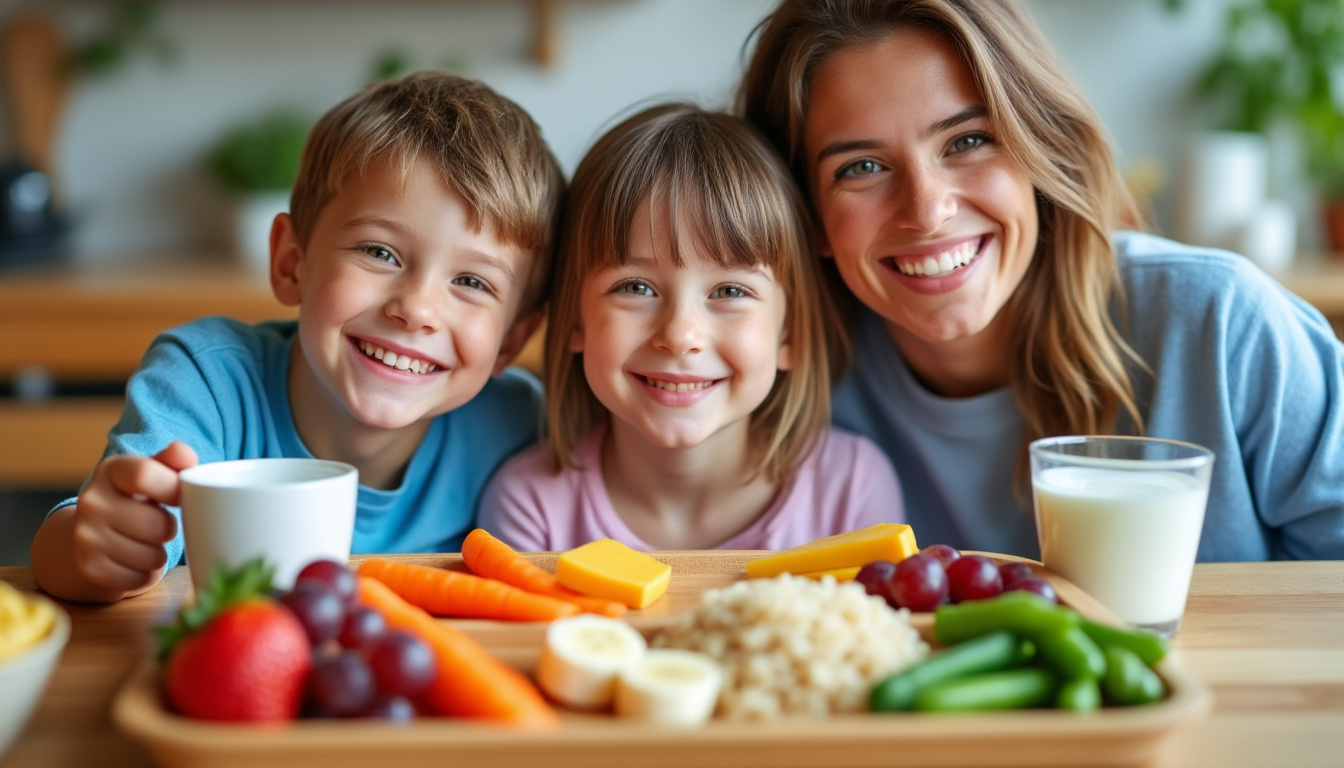
Beyond physical health, habits formed in childhood substantially influence emotional resilience and cognitive function throughout life. Regular physical activity releases neurochemicals linked to mood regulation and cognitive enhancement. Likewise, consistent nutrition supports brain development critical for learning and memory.
Children growing up with stable routines around wellness tend to develop higher self-esteem, better stress management skills, and stronger interpersonal relationships. Structured schedules that blend physical activity, balanced eating, sleep, and mindfulness create a foundation for mental health stability.
Programs combining psychosocial and physical wellness components, like those promoted by Pampers partnerships with pediatric health initiatives, demonstrate promising outcomes in supporting holistic child development. Encouraging parents to foster nurturing environments and positive reinforcement around health behaviors aids children in internalizing those values.
Essential psychosocial benefits of healthy habits in childhood include:
- Reduced anxiety and depressive symptoms through regular exercise and diet.
- Improved concentration and academic performance enabled by balanced nutrition.
- Development of social skills through participation in group activities and peer interactions.
- Increased adaptability and problem-solving abilities fostered by structured routines and healthy lifestyle choices.
- Promotion of lifelong self-care attitudes affecting overall quality of life.
Conversely, neglecting healthy habits in childhood has been associated with increased risks of mental illness and cognitive decline, emphasizing early prevention as noted in Korupsychology’s guidance on healthy habit formation.
Innovative Approaches and Community Efforts to Sustain Lifelong Healthy Practices
Tackling the challenge of sustaining healthy habits throughout life calls for innovative, community-focused strategies. Schools serve as primary platforms, implementing curricula that combine physical education, nutrition literacy, and psychosocial health awareness. Resources such as Shir Hadash Circle’s approaches emphasize embedding wellness education within broader developmental contexts.
Collaboration among healthcare providers, educators, and industry leaders such as Fisher-Price and Annie’s Homegrown facilitates resource sharing and program development. These cooperative efforts translate into enriching extracurricular activities, family workshops, and accessible wellness tools that promote skills acquisition early.
Additionally, targeted interventions in vulnerable populations aim to reduce disparities by providing tailored guidance and support. Community initiatives such as the American Heart Association’s Lifesaver League empower children to adopt heart-healthy behaviors while fostering leadership and peer mentorship.
Examples of effective community strategies include:
- School-based fitness challenges encouraging friendly competition and teamwork.
- Nutrition education integrated into cafeteria choices improving meal quality and acceptance.
- Parent engagement programs offering practical skills such as meal planning and activity encouragement.
- After-school clubs focused on mindfulness, yoga, and other wellness disciplines augmenting traditional physical education.
- Use of digital applications promoting habit tracking and rewards for sustained healthy behaviors.
These multifaceted approaches are required to counteract the stable patterns of inactivity and poor fitness that research shows can persist once established. The goal is to provide children and families with continuous reinforcement of healthy habits, leveraging both existing industry innovations and community support. The coverage available in Teche Health and Live Well Magazine’s strategies on family wellness promotion offer valuable frameworks for these efforts.
Empowering Parents and Caregivers as Health Champions
Parents remain the most influential agents of change in shaping lifelong healthy habits. Providing practical guidance, emotional support, and access to resources enables caregivers to create nurturing environments. Trusted brands like Pampers and Ella’s Kitchen often partner with health organizations to produce educational content and support tools aimed at fostering caregiver empowerment.
Some actions parents can take include:
- Establishing consistent routines encompassing meals, activity, and sleep.
- Modeling positive behaviors through active, mindful living.
- Encouraging curiosity and participation in diverse wellness activities.
- Engaging with healthcare professionals for personalized advice and monitoring.
- Promoting resilience and adaptability to reinforce long-term wellness.
Together, these efforts create a ripple effect that improves not only individual health outcomes but community well-being and economic vitality. As we move forward in 2025, prioritizing childhood health habits remains a cornerstone for building healthier societies and more vibrant futures.
Common Questions about Childhood Habits and Lifelong Wellness
How early should healthy habits be established in children?
Healthy habits should be nurtured from infancy, with focus on diet variety, active play, and sleep routines. Early engagement, even in toddler years, lays the groundwork for future wellness as supported by the findings from the Korupsychology report.
Can unhealthy habits formed in childhood be reversed in adulthood?
While challenging, it is possible to change habits later in life. Finding enjoyable physical activities and making gradual nutritional adjustments help reduce long-term health risks, as emphasized by experts at the University of Georgia study and Live Well Magazine’s coverage.
What role do schools play in promoting lifelong wellness?
Schools are pivotal platforms for health education, offering structured physical activity, nutrition programming, and psychosocial support. Collaboration with families and communities enhances effectiveness, as outlined by Big Blue Marble Academy.
How can parents encourage healthy eating without conflict?
Building positive food experiences without pressure is key. Involving children in meal preparation, offering choices, and modeling balanced eating all support acceptance and enjoyment. Brands like Annie’s Homegrown and Plum Organics provide convenient options aligned with these values.
Why is physical activity particularly important during adolescence?
Adolescence is a formative period where activity levels often decline, yet establishing strong exercise habits here mitigates cardiovascular and obesity risks in adulthood. Community programs and school initiatives focused on this age group are essential, as highlighted in Live Well Magazine’s feature.
