
Close Menu
    Follow us on Google News
    Follow Livewell Magazine on Google News
    Facebook X (Twitter) Instagram
    LiveWell Magazine
    Facebook
    Follow LiveWell Magazine on Google News
    • Cancer

      Healthy Dad’s Unexpected Cancer Diagnosis Revealed After Ignoring Nighttime Bathroom Trips: ‘A Heartbreaking Surprise’

      February 22, 2026

      BREAKING NEWS: Gene therapy for sickle cell disease: a medical breakthrough still out of reach for many

      December 29, 2025

      How Your Drinking Habits Could Significantly Increase Your Cancer Risk

      December 28, 2025

      Could the time of day you get cancer treatment affect survival? What a new lung cancer study suggests

      December 25, 2025

      Can exercise lower cancer risk? what the science suggests (and what to do today)

      December 22, 2025
    • Fitness

      The best workouts for busy people

      March 3, 2026

      A Fitness Trainer’s Perspective: How My Approach Transformed from 40 to 60

      March 2, 2026

      Healthy Living: Dr. Angela Haskins Embraces Peloton Workouts for Fitness

      February 2, 2026

      The “protein first” trick: protect muscle and stay full during holiday meals

      January 11, 2026

      FDA eases rules on fitness wearables: great news for seniors staying active!

      January 7, 2026
    • Health

      Federal Judge Hits Pause on HHS Secretary Kennedy’s Vaccine Policy Overhaul

      March 18, 2026

      Medicare Advantage Shifts: Payments to Plans Increase as Enrollment Hits a New Record

      March 18, 2026

      The battle over “$0 premium” plans: What’s at stake for your healthcare?

      February 19, 2026

      Early cholesterol treatment in kids may prevent heart disease for life

      January 28, 2026

      Functional medicine: a personalized approach to healthcare

      January 27, 2026
    • Lifestyle

      Everyday Habits Dentists Say Are Secretly Damaging Your Teeth

      March 16, 2026

      Essential Evening Habits to Improve Your Blood Sugar Levels, According to Experts

      March 15, 2026

      Unlocking the Psychology of the ‘Fresh Start Effect’: Why Spring Sparks the Ultimate Time for Renewal

      March 14, 2026

      Evening Habits to Embrace After 5 P.M. for Promoting Healthy Aging, According to Experts

      March 14, 2026

      The Top Habit to Quit for Lowering Your Dementia Risk, Experts Reveal

      March 13, 2026
    • Nutrition

      Protein-Packed Mediterranean Dinners to Boost Your Heart Health

      March 20, 2026

      Remarkable Health Benefits of Prunes That Transform Them into a Nutritional Powerhouse

      March 6, 2026

      Top 4 Vegetables to Boost Liver Health, Recommended by Registered Dietitians

      February 27, 2026

      Major Updates to Oklahoma SNAP Benefits as Healthy Food Waiver Takes Effect

      February 16, 2026

      Nutrition and health: the importance of a balanced diet for optimal well-being

      January 30, 2026
    • Senior

      Wound Care Revolution: How a New Medicare Payment System Aims to Cut Waste in Senior Care

      March 19, 2026

      The $2,000 Cap is Here: How the New Annual Out-of-Pocket Drug Limit Saves Seniors Thousands

      March 17, 2026

      Why Conventional Health Tips Might Shift After Turning 50

      March 15, 2026

      The Unexpected Superfood to Boost Your Health as You Get Older, Reveals New Research

      March 1, 2026

      TrumpRx.gov Launched: How Seniors Can Access 80% Discounts on Prescription Drugs Starting This Month

      February 26, 2026
    • Trends

      Transparency at HHS: How the New “Radical Transparency” Initiative Aims to Expose Big Pharma Conflicts

      March 13, 2026

      How Wearable Technology Could Spark a Revolution in Healthier Living

      February 5, 2026

      Early cholesterol treatment in kids may prevent heart disease for life

      January 28, 2026

      Wearable health devices: the future of personalized medicine?

      January 27, 2026

      AI in healthcare: ethical considerations and promising applications

      January 26, 2026
    • Wellness

      Stephen A. Smith Blasts Pelicans: ‘Y’all Have Been Trash’ After Critiquing Zion Williamson

      March 19, 2026

      Simple and Effective Health Hacks for Busy Lives

      February 28, 2026

      Longevity Expert Reveals His Daily Wellness Rituals: How He Intentionally Applies Cutting-Edge Research to His Life

      February 8, 2026

      Comprehensive Meta-Analysis Reveals Diverse Strategies to Enhance Subjective Well-Being

      February 1, 2026

      Nutrition and health: the importance of a balanced diet for optimal well-being

      January 30, 2026
    Subscribe
    LiveWell Magazine
    Home»Sleep & Recovery»How sleep & recovery habits differ around the world—and what we can learn
    Sleep & Recovery

    How sleep & recovery habits differ around the world—and what we can learn

    Amelie GoujonBy Amelie GoujonNo Comments
    Facebook Twitter Email WhatsApp Pinterest LinkedIn Reddit Telegram Threads
    Share
    Facebook Twitter LinkedIn Email Reddit Telegram WhatsApp Threads

    Sleep is one of the most fundamental human needs, yet how we approach it varies dramatically across cultures. From afternoon naps in Spain to late-night meals in Argentina, every society has its own rhythm of rest. These habits aren’t just cultural quirks — they can teach us powerful lessons about recovery, performance, and well-being.

    As a doctor, nutritionist, and sports trainer, I’ve observed how global traditions can offer surprising strategies to improve our sleep and recovery. Let’s take a tour around the world and explore what different cultures do — and what your nightly routine might be missing.

    Rest around the world: how cultures approach sleep and recovery

    Spain and Latin America: The tradition of the *siesta* is deeply rooted in hot-climate cultures. Typically taken after lunch, this brief midday rest helps manage energy levels in the heat and supports productivity through the afternoon.

    Japan: Known for its high-pressure work culture, Japan embraces the concept of *inemuri* — the art of napping in public. It’s not uncommon to see people dozing on trains or even in offices, where short naps are considered signs of dedication, not laziness.

    Scandinavia: In countries like Finland and Sweden, the use of saunas and cold plunges is a cornerstone of recovery. Alternating between heat and cold stimulates circulation, relieves muscle tension, and promotes relaxation — both physical and mental.

    Italy and Greece: The Mediterranean approach to rest includes slow-paced evenings, light physical activity after meals, and community-centered routines. People often eat later but enjoy long meals that encourage digestion and connection, reducing stress.

    Related Article :  The best ways to recover after a sleepless night

    United States and UK: In contrast, many English-speaking countries prioritize productivity and “grind culture,” often sacrificing sleep for work or screen time. While modern technology improves convenience, it often disrupts circadian rhythms and sleep quality.

    What science says about these diverse habits

    Short naps, like the siesta or inemuri, have been shown to improve memory, reduce stress, and enhance alertness — especially when limited to 20–30 minutes. They’re particularly helpful for people who struggle to get a full night’s rest due to lifestyle or shift work.

    Thermal recovery practices such as sauna bathing or hot-cold therapy stimulate blood flow, reduce muscle soreness, and even enhance immune function. They are widely supported in sports medicine for post-exercise recovery.

    On the other hand, chronically irregular sleep schedules — such as staying up late with screens — are linked to hormonal disruption, impaired glucose regulation, and lower sleep quality. Consistency in sleep timing remains one of the most impactful habits for long-term health.

    Global lessons to improve your own rest and resilience

    You don’t need to move to Tokyo or book a ticket to Helsinki to benefit from these traditions. The key is to observe how other cultures respect rest — and then adapt those principles into your own life in a way that fits your needs.

    • Allow short, structured rest breaks in your day — even 10 minutes of lying down or meditation can help reset your nervous system
    • Use heat and cold strategically — warm showers, Epsom salt baths, or cold face rinses can mimic sauna recovery
    • Prioritize social mealtimes and slow eating, which help reduce cortisol and improve digestion
    • Create a consistent evening wind-down routine: dim lights, reduce screens, and prepare for bed at the same time each night
    • Remember that rest is not idleness — it’s active restoration for body and brain
    Related Article :  The best ways to recover after a sleepless night

    We can learn a lot by observing how other cultures treat rest not as an afterthought, but as a ritual and necessity. It’s not about copying — it’s about cultivating awareness and choosing what feels right for your body.

    Sleep better, live wiser
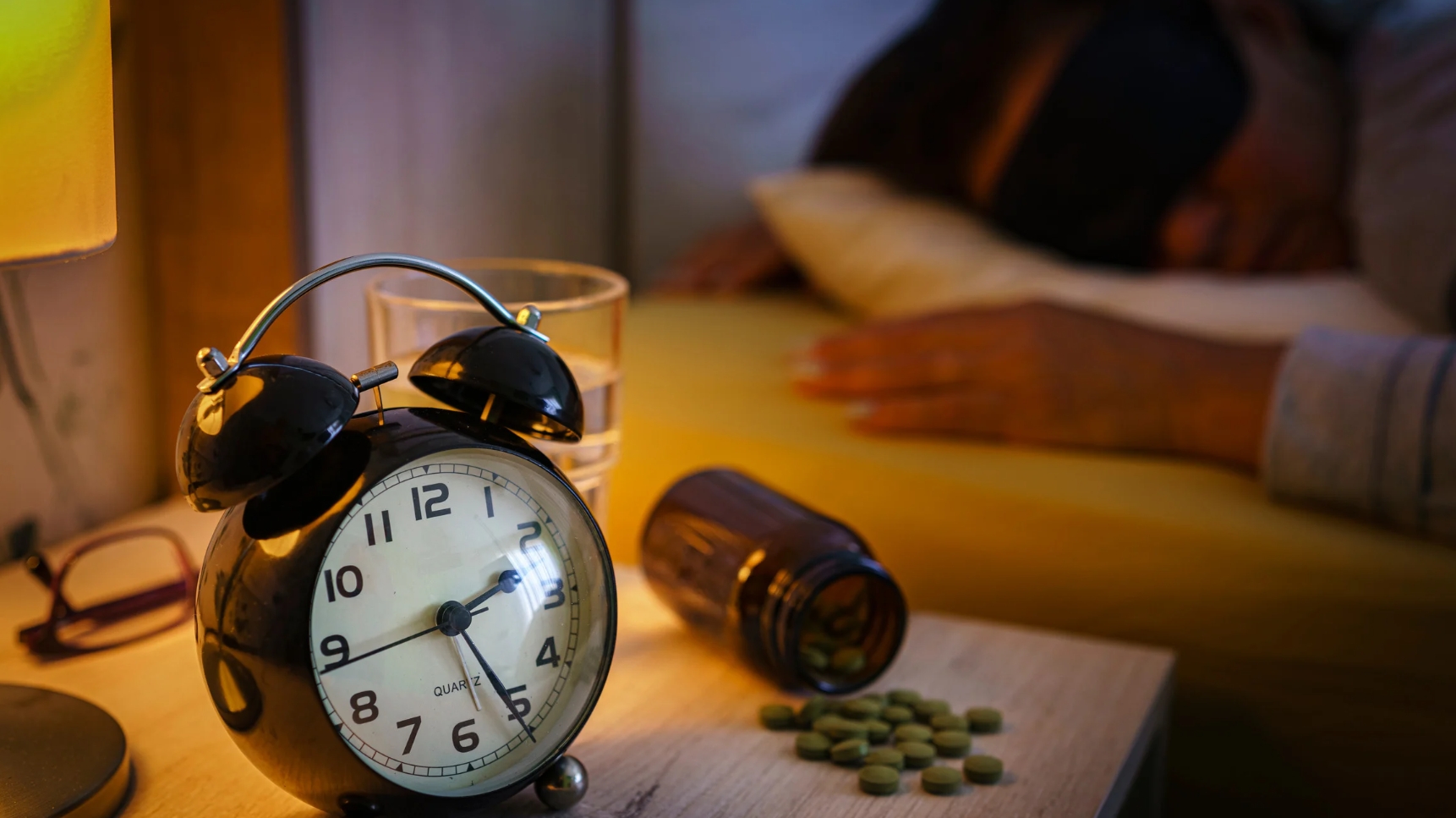
    Across time zones and traditions, one thing remains clear: rest is a universal form of self-care. The way you sleep and recover today echoes in your health tomorrow. By borrowing the best practices from around the globe, you can design a more resilient, restorative life — no matter where you are.

    Global tips to inspire your own routine:
    • – Take a short nap after lunch if your schedule and body allow
    • – Try hot-cold exposure techniques to support recovery
    • – Eat slowly and mindfully, especially in the evening
    • – Set a regular bedtime and protect your wind-down ritual
    • – Treat sleep and recovery as a core part of your wellness — not a luxury

    Your rest doesn’t have to look like everyone else’s. But it should work for you — and your future self will thank you.

    Follow on Google News
    Share. Facebook Twitter LinkedIn Email WhatsApp Reddit Telegram Threads Copy Link
    Previous ArticleHow a nasal spray could prevent long COVID, according to new studies
    Next Article What your sleep & recovery says about your future health
    Avatar photo
    Amelie Goujon

    Amélie has been working in the health sector for over 15 years and now serves as an online journalist specializing in healthy living. Her background in healthcare gives her articles a solid foundation of credibility and empathy. Passionate about wellness, nutrition, and prevention, she translates complex medical topics into clear, accessible content for a wide audience. Through her writing, Amélie aims to empower readers to make informed choices and adopt healthier daily habits.

    Continue reading

    The best ways to recover after a sleepless night

    By Tina Nguyen

    Sleep hygiene: the secret to optimal health and performance

    By Amelie Goujon

    Healthy Habit #8: Prioritize Over 8 Hours of Restful Sleep for Optimal Wellness

    By FRANK JOST

    Sleep gummies: do they really work?

    By Tina Nguyen

    Speak up while you can: why advance care planning is one of the greatest gifts

    By Frank Jost

    Magnesium glycinate: why it’s so popular for sleep and anxiety

    By Tina Nguyen

    The best ways to recover after a sleepless night

    By Amelie Goujon

    A Pharmacist Claims: This Plant is One of the Most Effective for Summer Sleep

    By Amelie Goujon

    The best ways to recover after a sleepless night

    By Amelie Goujon

    The best ways to recover after a sleepless night

    By Amelie Goujon

    The best ways to recover after a sleepless night

    By Amelie Goujon

    The best ways to recover after a sleepless night

    By Amelie Goujon
    Add A Comment
    Leave A Reply Cancel Reply

    Subscribe to Our Newsletter

    Join the Live Well Magazine Newsletter and get exclusive tips on health, wellness, lifestyle, and personal growth — straight to your inbox.

    Trending
    Nutrition

    Protein-Packed Mediterranean Dinners to Boost Your Heart Health

    Women’s Health

    How a Simple Afternoon Routine Could Transform Health for Women Over 50

    Trending

    Shirtless Robert F. Kennedy Jr. Devours a Twinkie in Viral Wrestling Showdown — and It’s Epic!

    Senior

    Wound Care Revolution: How a New Medicare Payment System Aims to Cut Waste in Senior Care

    Women’s Health

    The Overlooked Early Heart Attack Warning Signs That Women Often Mistake for Stress

    Health Resources

    Federal Judge Hits Pause on HHS Secretary Kennedy’s Vaccine Policy Overhaul

    Facebook
    • About us
    • Contact us
    • Contributors
    • Legal
    • Privacy
    © 2026 livewellmagazine.org.

    Type above and press Enter to search. Press Esc to cancel.