

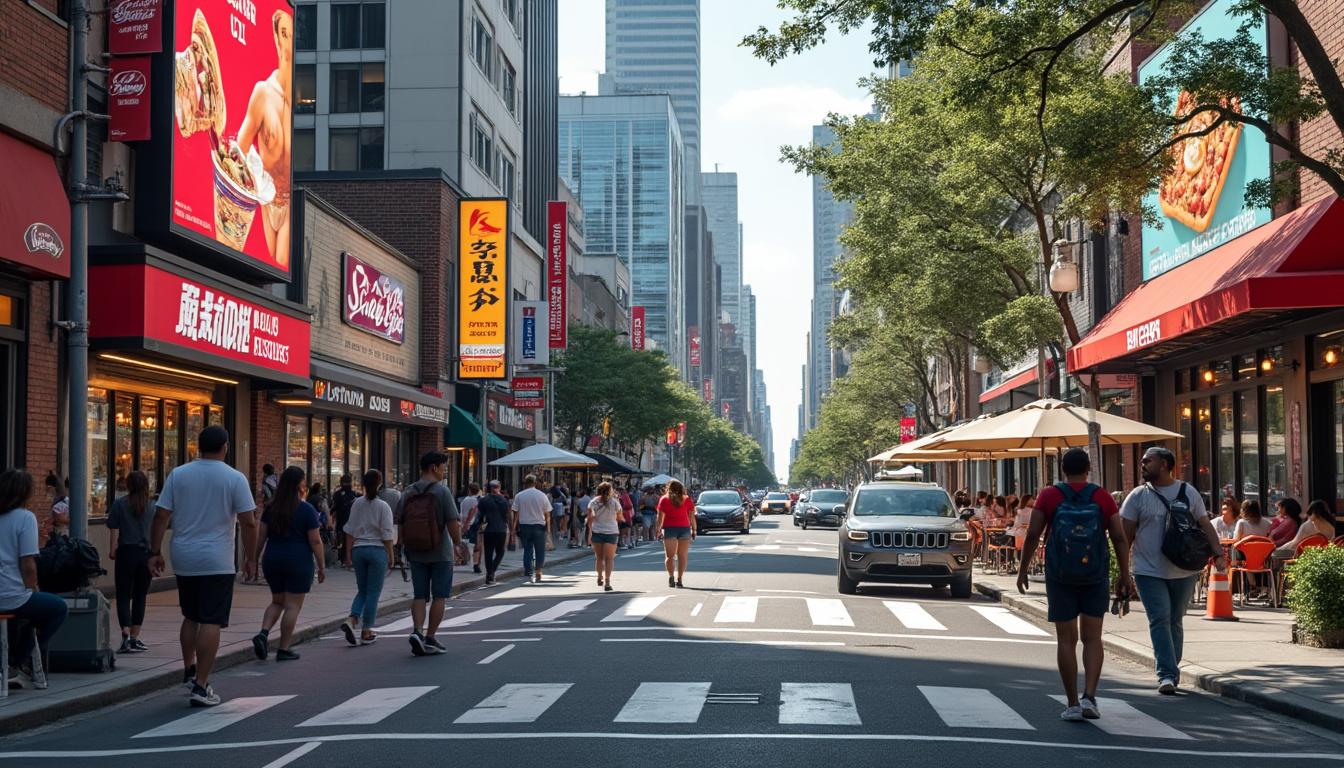
Urban Obesity Trends and Their Impact on America’s Health Landscape
Obesity and overweight rates have become a defining public health challenge for many urban centers across America. In recent years, cities have displayed stark contrasts in how the obesity epidemic affects their populations, shaped by diverse social, economic, and environmental factors. According to recent analysis from WalletHub and other public health sources, nearly 42% of Americans now fall into the obese category, a staggering figure with far-reaching implications for healthcare and quality of life. Urban areas particularly reflect this trend, as population density, lifestyle options, and community infrastructure deeply influence residents’ health outcomes.
The variation across cities illustrates not just disparities in behavior but also in policies and access to health-promoting resources. Some metropolitan areas have embraced their role in fostering wellness through investments in parks, trail systems, and healthy food access. Others lag behind, facing challenges such as scarcity of recreational spaces, limited healthy food options, and pervasive socioeconomic obstacles that exacerbate weight-related health risks. This exploratory discussion delves into the metrics and underlying causes behind America’s most overweight and obese cities, revealing patterns about how lifestyle and environment collide to affect public health.
One key dimension fueling urban obesity rates is the balance (or imbalance) between physical activity and dietary habits. Whole food consumption versus processed and fast foods, as well as neighborhood walkability and opportunities for exercise, critically shape weight statistics. Areas with limited infrastructure supporting outdoor activity or healthy nutrition often report elevated rates of obesity-related disorders, including diabetes, high blood pressure, and heart disease. Unpacking these factors offers critical insights not only into the health consequences but also the potential paths forward for cities grappling with this epidemic.
Beyond the raw percentages, examining how different age groups are affected—children, teens, and adults—sheds light on the multifaceted nature of urban obesity. Many cities on the higher end of the obesity spectrum show particularly troubling rates among young populations, setting the stage for long-term health challenges. Efforts targeting childhood obesity, thus, become not only a concern for health professionals but a socioeconomic priority, promising to break cycles of poor health outcomes if addressed effectively.
The interconnectedness of variables influencing overweight and obesity rates makes this an essential area of public health exploration. By understanding the specific situations of cities ranging from Little Rock, Arkansas, to Honolulu, Hawaii, we gain a nuanced perspective on what drives these trends and how tailored interventions could reverse them. The data collection spanning food behaviors, fitness opportunities, and documented health consequences is critical for advancing community health strategies throughout America.

Deep Dive into America’s Most Overweight and Obese Cities in 2026
Among the most affected urban areas, Little Rock, Arkansas, stands out prominently. It holds the unenviable distinction of having the highest concentration of residents classified as overweight and obese. This ranking is based on comprehensive evaluation including teenage and childhood obesity rates, which are particularly alarming in this city, combined with limited access to health education and nutritious food. Little Rock exemplifies how the convergence of inadequate health infrastructure and lifestyle choices can exacerbate the obesity epidemic at a local level.
The scenario in Little Rock is emblematic of many cities in the southern United States, where overweight rates frequently surpass national averages. The challenges extend beyond diet and exercise to systemic issues such as socioeconomic disparities and limited healthcare outreach. Public health campaigns here are met with varying levels of engagement and success, highlighting the complex cultural and economic context in which urban health policies must operate.
Similarly, McAllen, Texas, ranks second on the list with troubling overweight numbers and related health consequences. This city faces a high prevalence of diabetes and heart disease, conditions that correlate strongly with obesity. Surveys reveal that physical inactivity is widespread, partly driven by limited park availability and a lack of safe, accessible recreation centers. These environmental limitations curtail residents’ ability to engage in regular exercise and maintain a healthy weight.
Memphis, Tennessee, rounds out the top three, with approximately 36% of its population considered obese. This figure encompasses all age groups, underscoring the city’s struggle with obesity’s pervasive reach. The city also reports significant rates of obesity-related strokes and hypertension among adults, which amplifies the public health burden. Barriers to nutritious food and exercise facilities contribute heavily to this outcome, with many neighborhoods suffering from food deserts and insufficient infrastructure for physical activity.
These cities share common traits contributing to their statistics: economic hardship, gaps in education about health, and urban designs that discourage active living. Their experiences reveal the challenges faced by many American cities grappling with an epidemic that threatens not only individual health but also community vitality and healthcare systems.
Exploring in more detail the correlation between urban environment and obesity rates enlightens us on why some areas struggle more than others. Factors such as food deserts, where healthy foods are scarce or expensive, combined with a lack of recreational spaces, shape the daily choices available to residents. Policy interventions focusing on improving food access and increasing green spaces can significantly impact these trends over time. For example, cities investing in urban gardening programs, bike lanes, and safe walking trails are often better poised to reverse obesity trends.
It’s important to acknowledge also that these cities are not static in their efforts or challenges. Community-based initiatives and healthcare partnerships increasingly emphasize prevention and education, though success varies. The evolving data from 2026 offers valuable guidance for policymakers aiming to address these entrenched issues.
Profiles of America’s Healthiest Cities: Innovations in Fighting the Obesity Epidemic
While some urban areas struggle, others are making significant strides in combating obesity and overweight rates through thoughtful urban planning and health promotion. Cities like Honolulu, Seattle, and Denver stand at the forefront of this positive trend. These cities prioritize fostering active lifestyles and ensuring equitable access to healthy food, creating environments where residents can thrive physically and mentally.
Honolulu’s coastal location supports an outdoor-centric lifestyle, with citizens frequently engaging in activities such as swimming, paddleboarding, and hiking. This natural advantage, paired with the island’s culture emphasizing fresh, whole foods, contributes to Honolulu ranking as the least overweight city in America. The city’s commitment to health is reflected in its comprehensive recreational programs and policies promoting walkability, resulting in remarkably low obesity rates compared to other large metropolitan areas.
Similarly, Seattle offers a walkable urban environment complemented by an extensive system of parks, bike paths, and outdoor recreation areas. Local government initiatives focus heavily on integrating physical activity into daily routines, encouraging residents to bike or walk to work and public spaces. Seattle’s residents benefit from high awareness of nutrition and fitness, supported by community health organizations that provide education and resources to sustain healthy habits.
Denver, with its proximity to mountains and love for outdoor sports, attracts individuals who enjoy hiking, skiing, and other physical activities year-round. The city’s urban design supports healthy commuting options and emphasizes healthy food availability through farmer’s markets and community gardens. These elements combined position Denver as a model city that balances urban living with active, health-conscious lifestyles.
The success of these cities underscores important lessons for tackling urban obesity. Emphasizing access to safe outdoor spaces, promoting nutritional education, and creating environments conducive to physical activity can stem the tide of the obesity crisis. These models highlight the multi-dimensional strategies effective cities use to foster wellness, including integrating community input, leveraging local culture, and ensuring resources are equitably distributed among populations.
Importantly, their success is not solely due to geography or demographics but reflects intentional and sustained public health efforts. This demonstrates the critical role city planning and policy play in combating obesity, proving that transformation is possible with strategic investment in community health infrastructure.
Understanding the Health Consequences of Urban Obesity and Overweight Rates
The repercussions of elevated obesity and overweight rates in cities stretch far beyond individual health. Chronic conditions such as hypertension, diabetes, high cholesterol, and cardiovascular disease correlate directly with increased body weight, presenting a major challenge to healthcare systems nationwide. In the cities with the highest obesity rates, these health consequences manifest in higher hospitalization rates and dramatically increased healthcare costs.
For instance, in Memphis and McAllen, reports indicate a significant presence of obesity-related strokes and heart disease, both of which are debilitating and costly conditions. These health challenges strain public resources and reduce the overall quality of life for affected individuals. Moreover, obesity’s impact on younger populations signals a looming public health crisis, as children with obesity are more likely to develop chronic illnesses earlier in life, increasing lifetime health risks.
The relationship between obesity and chronic disease is well documented, and urban environments either exacerbate or mitigate these risks through access to care and preventive services. Unfortunately, many of the most affected cities also experience gaps in health education and preventive outreach, intensifying the public health burden.
Addressing these health consequences requires comprehensive action that includes improved access to medical care, patient education, and community-wide wellness programming. Healthcare providers and urban planners increasingly recognize that tackling obesity is integral to reducing the prevalence of secondary conditions that shorten lives and undermine productivity.
A growing body of research also suggests the psychosocial effects of obesity— including stigma, depression, and social isolation — further challenge health outcomes. Cities promoting inclusive health initiatives that incorporate mental wellness stand greater chance of success. This holistic approach acknowledges that obesity is not simply a matter of personal responsibility but a complex interplay of urban design, social determinants, and healthcare infrastructure.
Urban health leaders and policymakers are tapping into public datasets and studies like the CDC’s obesity data and statistics to better understand these dynamics. By targeting the root causes and consequences simultaneously, they plan multi-sectoral interventions that have the potential to reduce obesity-related health disparities dramatically over the coming years.
Promoting Community-Based Solutions to Combat Obesity in American Cities
Combatting the obesity epidemic requires collaborative efforts spanning local governments, healthcare providers, community organizations, and residents. Cities recognized for high obesity rates often undergo sustained efforts to reverse damaging trends through targeted policies and innovative community programs. These strategies combine education, improved infrastructure, and public-private partnerships.
Key approaches include:
- Enhancing access to healthy foods: Initiatives such as urban gardens, farmers markets, and subsidies for fresh produce aim to reduce food deserts and empower residents to make better nutritional choices.
- Expanding recreational spaces: Creating or improving parks, bike lanes, and walking trails encourages physical activity, particularly in neighborhoods previously lacking such amenities.
- Implementing health education campaigns: Programs designed to inform residents about nutrition, exercise, and the risks of obesity target all ages, with specialized focus on youth to instill lifelong healthy habits.
- Integrating physical activity into daily life: Urban planning that promotes walkability and active commuting helps transform everyday decisions into opportunities for calorie-burning movement.
- Facilitating community engagement: Supporting local groups and leaders in promoting health creates culturally tailored programs that reflect community needs and values.
Such comprehensive strategies have proven effective in multiple cities, demonstrating that deliberate planning and policy-making can offset structural disadvantages. For example, Seattle’s success with enhancing bike networks and facilitating food education exemplifies how local governments can lead health improvements. Similarly, community initiatives in Denver highlight the benefits of combining recreational access with nutrition programs to sustain reduced obesity rates.
Residents themselves play a critical role by adopting healthy habits to combat childhood obesity and supporting community wellness efforts. Simple lifestyle changes such as walking more frequently, preparing meals at home, and engaging in outdoor activities contribute significantly to reversing negative urban weight trends. Cities that prioritize making these options accessible tend to foster more resilient and healthier populations.
Moreover, emerging technologies and data-driven approaches provide new ways to monitor progress and identify areas of greatest need. By leveraging information from studies like WalletHub’s 2025 overweight city rankings, urban stakeholders can tailor interventions more effectively. As America continues to explore innovative solutions, the prospect of healthier cities with declining obesity rates becomes increasingly attainable.
What factors contribute most significantly to high obesity rates in American cities?
The key factors include limited access to healthy foods, low availability of safe recreational spaces, socioeconomic challenges, and reduced health education. Together, these elements influence diet and physical activity, driving higher obesity rates in certain urban areas.
Which cities in America currently show the lowest overweight and obesity rates?
Cities like Honolulu, Seattle, and Denver lead with the lowest obesity and overweight rates due to their outdoor-oriented lifestyles, accessible recreational spaces, and strong community health initiatives.
How does childhood obesity impact the future health outcomes in these cities?
Childhood obesity greatly increases the risk of chronic diseases like diabetes and heart disease later in life. High rates among youth signal long-term public health challenges and highlight the need for early intervention and education.
What role can city planners play in addressing the urban obesity epidemic?
City planners can design walkable neighborhoods, increase green spaces, improve access to healthy foods, and support active transportation options to create environments that promote physical activity and healthy living.
Are there successful examples of community programs that reduce urban obesity?
Yes, several cities have seen success with initiatives such as urban gardening projects, public health education campaigns, and infrastructure improvements that encourage exercise, demonstrating that coordinated community efforts can drive positive change.
