


Transforming your home into a sanctuary that champions both well-being and environmental responsibility is more achievable today than ever before. With growing awareness surrounding the impact of everyday products on our health and the planet, small, intentional shifts in household habits can yield powerful benefits. These eco-friendly swaps not only mitigate exposure to harmful chemicals but also reduce your carbon footprint, contributing to a healthier home environment for you and your loved ones. In 2025, sustainability isn’t just a choice—it’s a vital step towards preserving our collective future.
From replacing single-use plastics with compostable alternatives to adopting energy-efficient lighting and natural cleaning solutions, each change aligns seamlessly with a lifestyle mindful of both personal health and ecological balance. Embracing trusted brands like Seventh Generation, Ecover, and Grove Collaborative empowers you to make impactful decisions without sacrificing convenience or quality. Whether it’s switching to Bee’s Wrap for food preservation or opting for Stasher reusable bags, these swaps promote sustainability while safeguarding family health.
This guide highlights practical, cost-effective swaps ranging from everyday utensils to bedding, all aimed at simplifying your transition to greener living. Discover how modest adjustments in your kitchen, laundry, and bathroom can dramatically lower toxic exposures and foster an eco-conscious household ambiance. The following sections delve into these essential swaps, enriched with insights into their health benefits and environmental significance.
Practical Eco-Friendly Household Swaps to Enhance Health and Sustainability
Implementing eco-friendly swaps in your home can significantly decrease chemical exposure and waste production, creating a safer environment. Start with these manageable changes that prioritize both your health and the planet’s longevity.
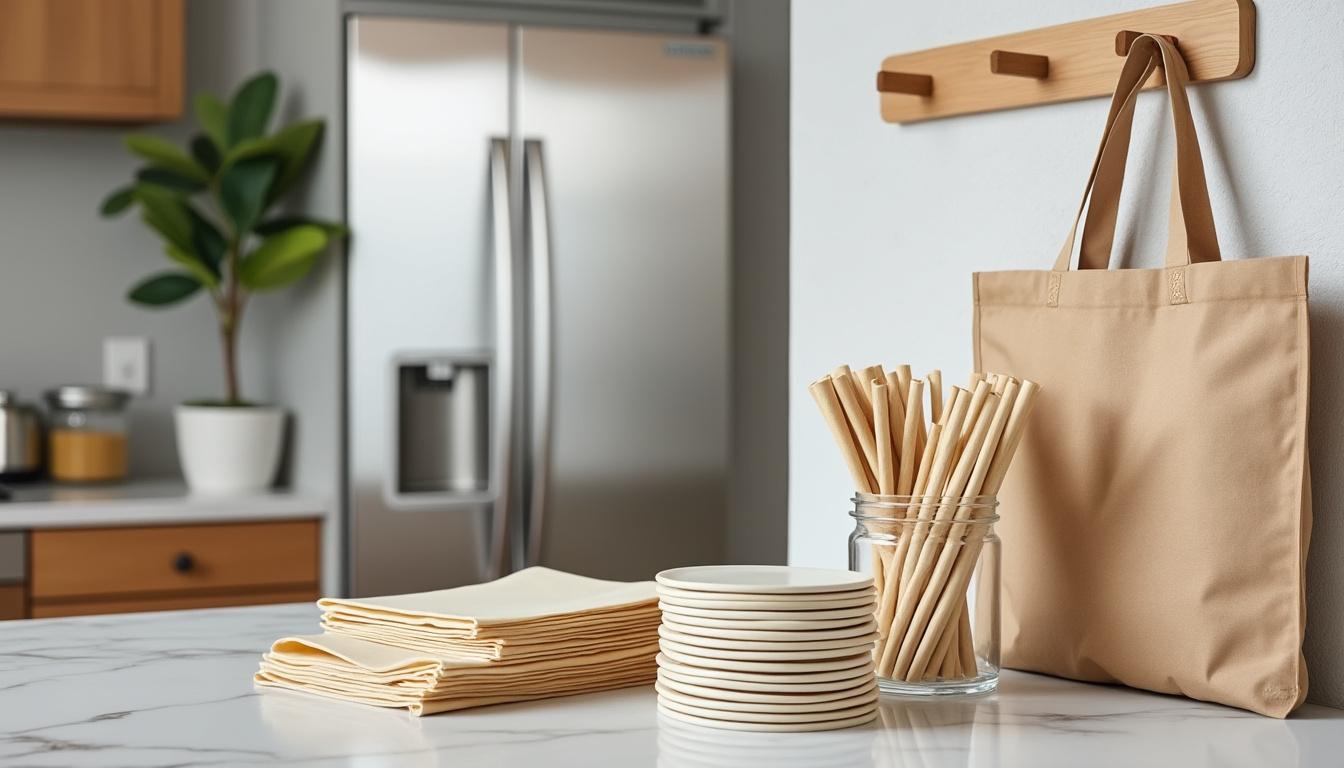
- Swap plastic straws for compostable options: Products like EQUO’s compostable rice or grass straws decompose naturally and avoid microplastic pollution.
- Replace single-use cutlery with compostable utensils: Made from coffee grounds and sugarcane, these alternatives, available through brands like EcoEgg, reduce landfill waste and ocean contamination.
- Use reusable cloths instead of paper towels: Opt for washable bamboo or cotton cloths to minimize disposable waste and toxic residues present in some paper products.
- Choose reusable tote bags over plastic bags: Durable bags from Grove Collaborative and Public Goods are stylish and reduce plastic consumption, a major pollutant globally.
- Adopt beeswax or plant-based wraps for food storage: Bee’s Wrap offers a natural, washable option that prolongs food freshness without plastic waste.
How Switching to Natural Personal and Cleaning Products Supports Better Health
Household cleaners and personal care items often harbor chemicals linked to respiratory issues, skin irritation, and endocrine disruption. Transitioning to plant-based alternatives allows you to maintain cleanliness and care without compromising health.
- Bar soaps with compostable packaging: Select products from Method or handmade bars that avoid plastic bottles and synthetic additives.
- Eco-friendly cleaning solutions: Utilize natural agents like vinegar, baking soda, and lemon to effectively cleanse surfaces while protecting water ecosystems.
- Reusable water bottles: Stainless steel or glass bottles from brands like Pela prevent plastic leaching and reduce single-use waste.
- Seed paper notebooks: Journals like Stasher’s enable you to plant used papers, turning creativity into environmental restoration.
- Thrift or clothing swaps: Combat fast fashion’s health and environmental impacts by choosing secondhand or sustainably produced wardrobes.
Energy and Resource Efficiency: Swaps That Cut Costs and Carbon Emissions
Beyond product substitutions, upgrading home infrastructure and daily routines can drastically reduce both environmental impact and utility expenses. Prioritize actions that conserve resources while enhancing comfort and health.
- Switch to LED light bulbs: LEDs use up to 80% less energy than incandescent bulbs and last significantly longer, a simple switch that decreases energy consumption and costs.
- Upgrade to energy-efficient appliances: New models with reliable Energy Star certifications can substantially lower electricity usage.
- Install low-flow showerheads: These fixtures reduce water and heating energy use without compromising shower experience.
- Use organic bedding: Bedding made from organic cotton or bamboo improves indoor air quality and avoids pesticide residues common in conventional textiles.
- Grow a home garden: Cultivating your own fruits and vegetables reduces dependence on transported produce, lowering your carbon footprint while enhancing nutrition.
Making these thoughtful eco-friendly swaps in your household embodies a commitment not only to your own health but also to future generations. Incorporate them gradually, and you will witness improvements in well-being, savings on bills, and a meaningful contribution to environmental preservation. For more detailed guidance, visit resources like Waddle and Cluck’s sustainable swaps or explore comprehensive lists at Ecotlas Sustainable Living.
