

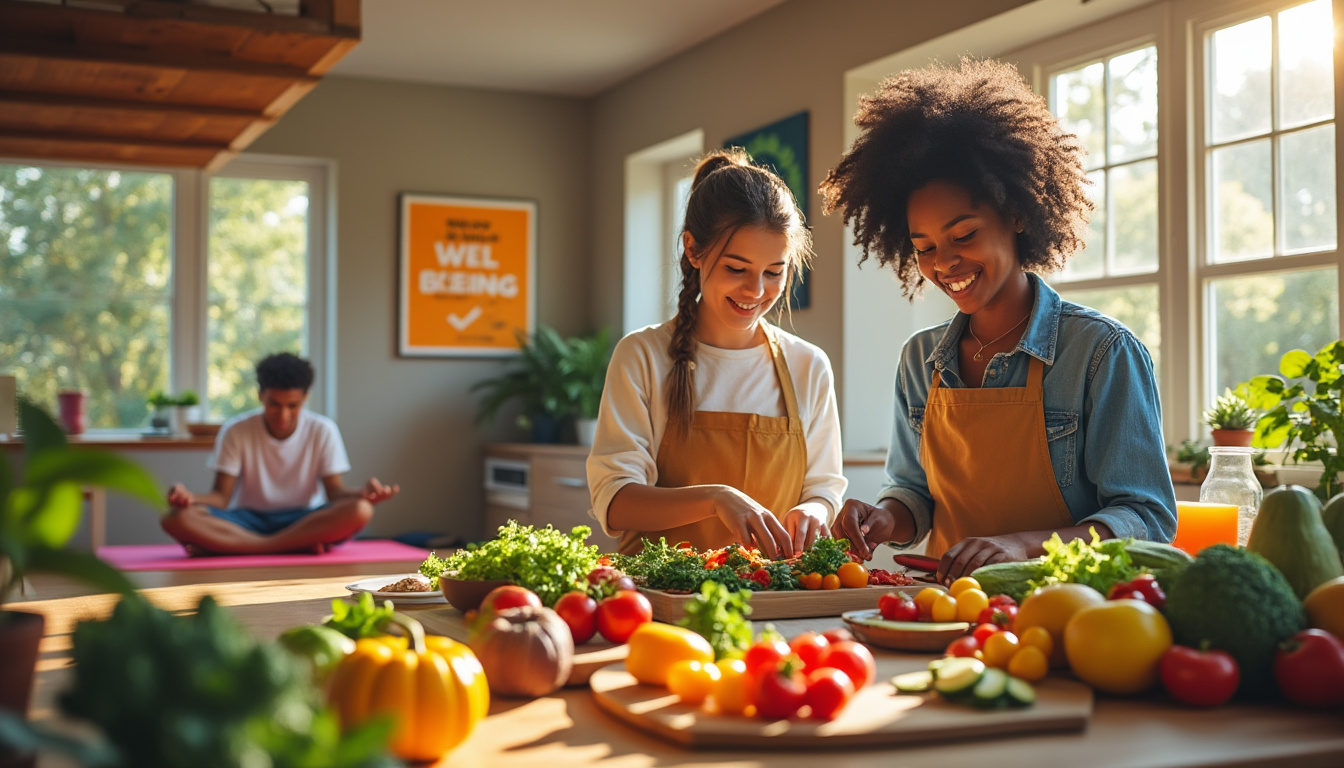
As teenagers transition into adulthood, equipping them with the tools to manage their own health becomes an imperative yet often overlooked task. Cultivating healthy habits at home not only ensures their physical and mental well-being today but also sets the stage for lifelong resilience and independence. In this evolving landscape of youth wellness, fostering self-care skills, encouraging open dialogue, and modeling positive behaviors are crucial steps parents and caregivers can undertake to empower teens to take control of their health.
Building Foundations: Encouraging Teens to Manage Their Own Health Responsibly
One of the most transformative shifts for adolescents is the acquisition of autonomy over their health decisions. Empowering teens to take charge begins with involving them in everyday health management tasks. For instance, when a teenager experiences common ailments like colds or minor injuries, allowing them to participate in decisions about rest, medication, or home remedies fosters confidence and practical knowledge. This early involvement lays a crucial foundation for a lifelong ability to navigate healthcare independently.
Support and guidance are key. Teens often handle responsibility with more assurance when they feel their efforts are recognized and supported. Parents can facilitate this by encouraging teens to ask questions and express concerns about their health, thereby nurturing an environment where subjects like medication adherence, dietary choices, and exercise become open topics rather than taboo or neglected ones.
Strategies for fostering responsibility in teen health management include:
- Regular discussions: Setting aside time to talk about health topics and personal goals helps teens feel heard and involved.
- Modeling healthy behaviors: Parents demonstrating consistent habits such as medication compliance, balanced nutrition, and regular physical activity provide powerful examples.Learn more about the importance of role modeling here.
- Providing tools and resources: Apps like Fitbit and MyFitnessPal enable teens to track physical activity and nutrition, making wellness management both interactive and personal.
- Encouraging open dialogue about challenges: Inviting conversations around stress, peer pressure, and mental health concerns helps teens prepare for real-world scenarios.
Importantly, confidence in managing personal health also empowers teens to resist detrimental influences. Encouraging independent thought and respecting their decisions fosters a sense of self-efficacy, which is vital in combating peer pressure around substance use or unhealthy lifestyle choices. Platforms such as Wellness Within and HealthyPlace provide valuable resources for teens to explore mental health topics confidentially, complementing the support provided at home.
Routine healthcare visits introduce another dimension. As teens approach adulthood, confidential consultations with healthcare providers build trust and encourage proactive management of personal health. These visits are crucial for discussing sensitive issues and developing comfort with medical environments, as well as learning to schedule and attend appointments independently.
For teens with chronic health conditions like asthma or diabetes, this autonomy is essential. Assisting them in understanding their conditions and treatment regimens leads not only to better health outcomes but also to increased empowerment. Dr. Sarah Bourne from Barton Pediatrics emphasizes that these early lessons in self-management hold the key to lasting wellness and resilience.
Shaping Physical Wellness: Practical Habits That Foster Strength and Vitality
Physical health is a pillar of overall well-being, and cultivating robust habits during adolescence profoundly affects long-term health trajectories. Teens who engage in regular physical activity are more likely to maintain a healthy weight, build muscular and cardiovascular strength, and develop positive mental health outcomes. The challenge lies in integrating fitness into already busy schedules without cultivating a sense of burden.
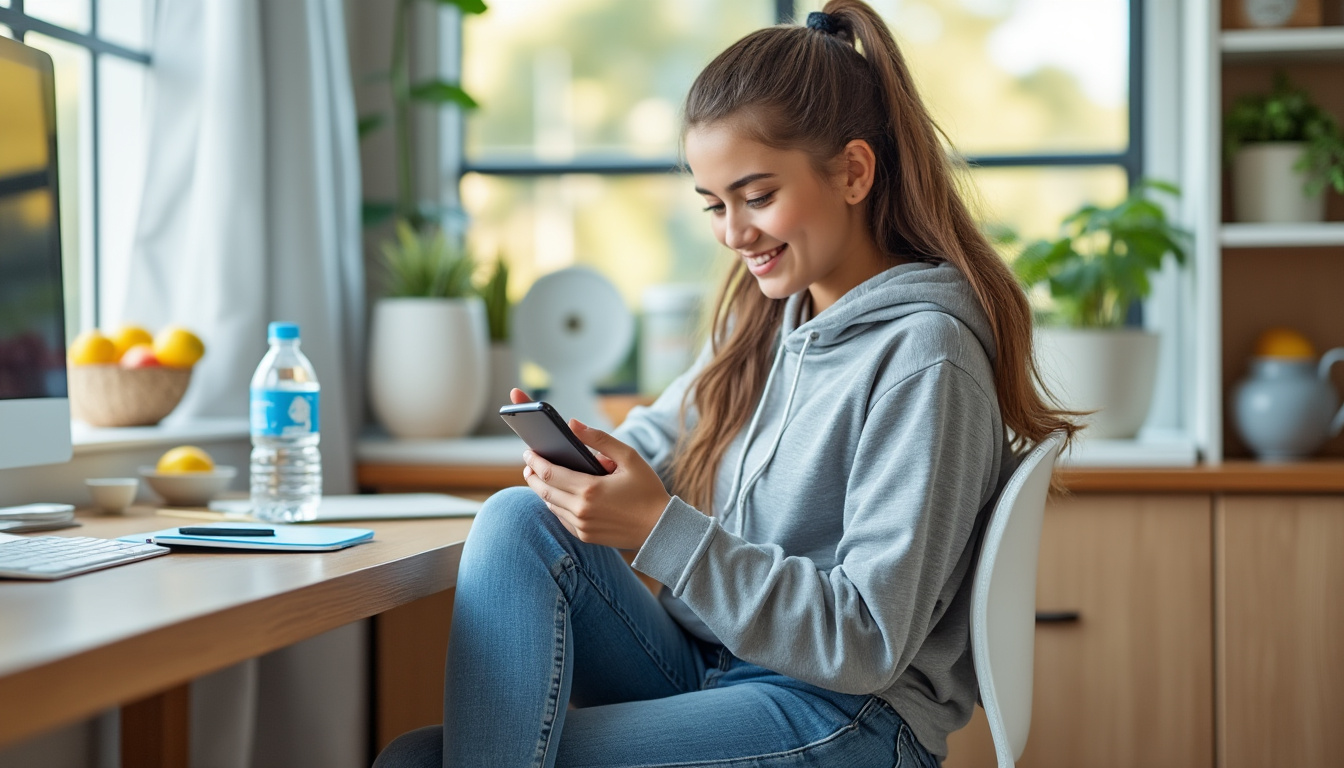
Fitness companies like Nike and Peloton have revolutionized adolescent engagement by offering accessible, fun, and customizable exercise options. Whether it’s a dance workout streamed through Peloton or running sessions recorded via Nike’s apps, technology bridges the gap between motivation and action, fostering sustainable routines.
Core physical wellness habits for teens include:
- At least 60 minutes of moderate to vigorous exercise daily: Activities like cycling, swimming, or brisk walking can be enjoyable and easy to fit into a school day.
- Incorporating strength training twice a week: Bodyweight exercises or light weights enhance muscular development and bone health.
- Using wearable devices: Tools like Fitbit encourage monitoring progress and setting achievable goals through real-time feedback.
- Balancing screen time: Establishing limits to ensure adequate activity and reduce sedentary behavior.
Nutrition is inseparable from physical wellness. Cultivating habits such as eating balanced meals, staying hydrated, and reducing processed foods enriches energy levels and cognitive function. Apps like MyFitnessPal enable teens to log meals and learn about nutritional value, empowering them to make informed choices rather than following restrictive diets.
Moreover, integrating mindful practices such as those offered by Calm and Headspace helps teens to regulate stress, improve sleep quality, and enhance overall vitality. The synergy between physical and mental health underscores the need for integrative approaches at home that reinforce holistic wellness routines.
Fostering Mental Wellness: Emotional Resilience and Self-Care in Adolescence
Adolescence is a critical period for mental health development; it is when teens face heightened emotional challenges, social pressures, and identity exploration. Supporting mental wellness involves cultivating habits that promote emotional resilience, self-awareness, and proactive self-care.
Self-care extends beyond occasional relaxation—it involves consistent practices that support psychological health. Utilizing resources such as Lifeline Teen or Teen Life Skills offers guided tools for managing anxiety, recognizing emotional needs, and building coping strategies. Incorporating printable self-care worksheets into daily routines can help teens navigate stressors with mindfulness and structure.Discover helpful self-care worksheets here.
Key mental wellness habits include:
- Practice of mindfulness and meditation: Using apps like Headspace to reduce anxiety and enhance emotional clarity.
- Establishing consistent sleep schedules: Teens need between 8 to 10 hours nightly to bolster mood and cognitive function.
- Journaling or creative expression: Encouraging writing, art, or music to process emotions and aid self-reflection.
- Engaging in social support networks: Whether through family conversations or peer groups, feeling connected is vital.
Creating spaces where teens can discuss their feelings without judgment further strengthens mental health. Parents and educators who prioritize these conversations contribute to improving adolescent wellbeing significantly.Explore effective strategies for emotional empowerment here.
It’s important to recognize signs of mental health struggles early, to intervene with professional help when necessary. Schools and communities have increasingly adopted wellness programs that promote resilience and reduce stigma, reflecting a societal shift that acknowledges mental wellness as foundational to healthy development.
Creating a Home Environment That Supports Healthy Lifestyle Choices
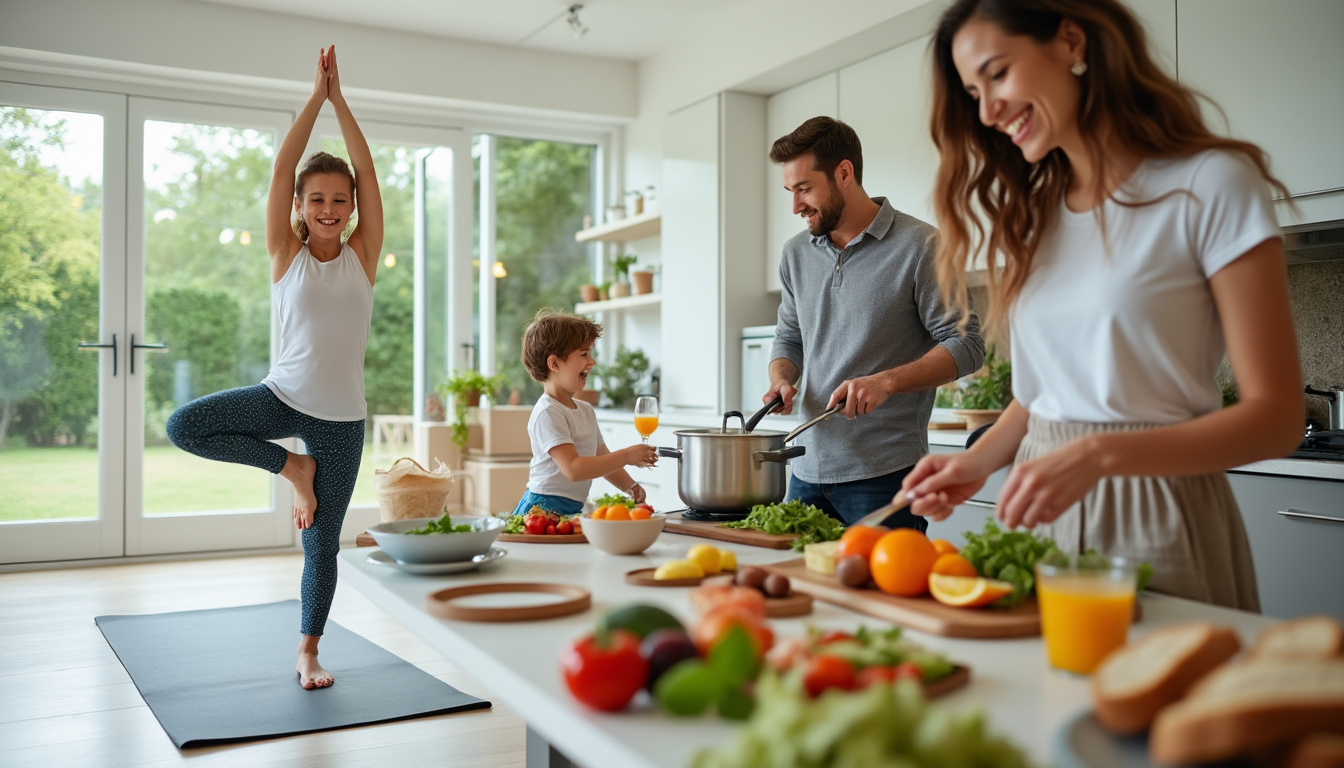
The atmosphere at home significantly influences teen habits. A household that prioritizes health, models positive behaviors, and fosters open communication empowers teens to emulate and internalize these values. Parents setting examples of regular exercise, nutritional meals, and balanced screen time affect behavior more powerfully than mere verbal encouragement.
To cultivate an environment conducive to wellness:
- Designate technology-free zones and times: Reducing distractions encourages family interaction, rest, and mindfulness.
- Plan family meals that include nutritious options: Meals prepared together strengthen bonds and model healthy eating.
- Encourage participation in household physical activities: Weekend hikes or bike rides foster connection and physical engagement.
- Celebrate progress and achievements without pressure: Recognize efforts alongside successes to maintain motivation and self-esteem.
Healthy routines often grow from these habits of the home. Resources like CDC guidelines on healthy parenting and programs such as Wellness Within offer parents valuable advice tailored for family wellness. Additionally, leveraging technology like Calm for family meditation sessions or Fitbit challenges can actively engage everyone in the household toward better health.
Empowering Teens with Skills and Community Support for Long-Term Well-being
Equipping teenagers with life skills related to wellness extends beyond individual habits, encompassing emotional intelligence, decision-making, and community engagement. Programs such as Teen Life Skills and Lifeline Teen provide structured frameworks to nurture these competencies, intertwining personal growth with social responsibility.
Incorporating skill-building activities leads to empowered youth capable of maintaining healthy routines throughout life’s challenges. Critical skills include:
- Time management: Prioritizing health as part of daily routines prevents neglect.
- Goal setting: Using apps like MyFitnessPal or Nike Training to create and track achievable objectives.
- Conflict resolution and communication: Handling peer pressure and advocating personal wellness.
- Accessing community resources: Engaging in wellness events, support groups, or mentorship fosters a sense of belonging and accountability.
The ripple effects of these learned habits and skills are profound. As teens take ownership of their well-being, they are less likely to engage in risky behaviors and more likely to pursue education, career, and relationships with balance and health-consciousness. This trajectory aligns with contemporary research emphasizing self-efficacy as a predictor of lifelong wellness.Discover more about self-improvement paths for teens here.
Parents and educators alike benefit by collaborating in this mission, utilizing resources thoughtfully and maintaining supportive environments where teens feel empowered to thrive.
Frequently Asked Questions
- How can parents encourage teens to participate in their healthcare without feeling overwhelmed?
Start with small, manageable responsibilities like choosing healthy meals or tracking medication schedules using apps like MyFitnessPal or Fitbit. Open communication and praise help build confidence gradually. For more guidance, visit this resource. - What role does technology play in promoting healthy habits among teenagers?
Technology offers interactive and personalized tools such as Nike training apps, Calm, and Headspace for mindfulness, or Fitbit for activity tracking, making wellness engaging. However, setting boundaries is vital to ensure balance. See research-based insights from this study. - How can teens balance academic pressures with maintaining healthy routines?
Implementing structured schedules that allocate time for sleep, exercise, and relaxation supports academic and wellness balance. Mindfulness practices can alleviate stress, while family support provides motivation. Explore practical strategies at LiveWell Magazine. - What are effective ways to help teens resist peer pressure related to unhealthy habits?
Fostering a strong sense of identity through open dialogue, critical thinking skills, and confidence building helps teens make informed choices. Programs like Wellness Within and Teen Life Skills offer support in this area. More information can be found at Teen Coaching. - How can parents support teens with chronic conditions in managing their health?
Involving teens actively in learning about their health, medication management, and lifestyle adjustments is crucial. Collaboration with healthcare providers and use of tailored resources empower teens to take ownership. See detailed advice from Dr. Sarah Bourne at Barton Pediatrics here.
