

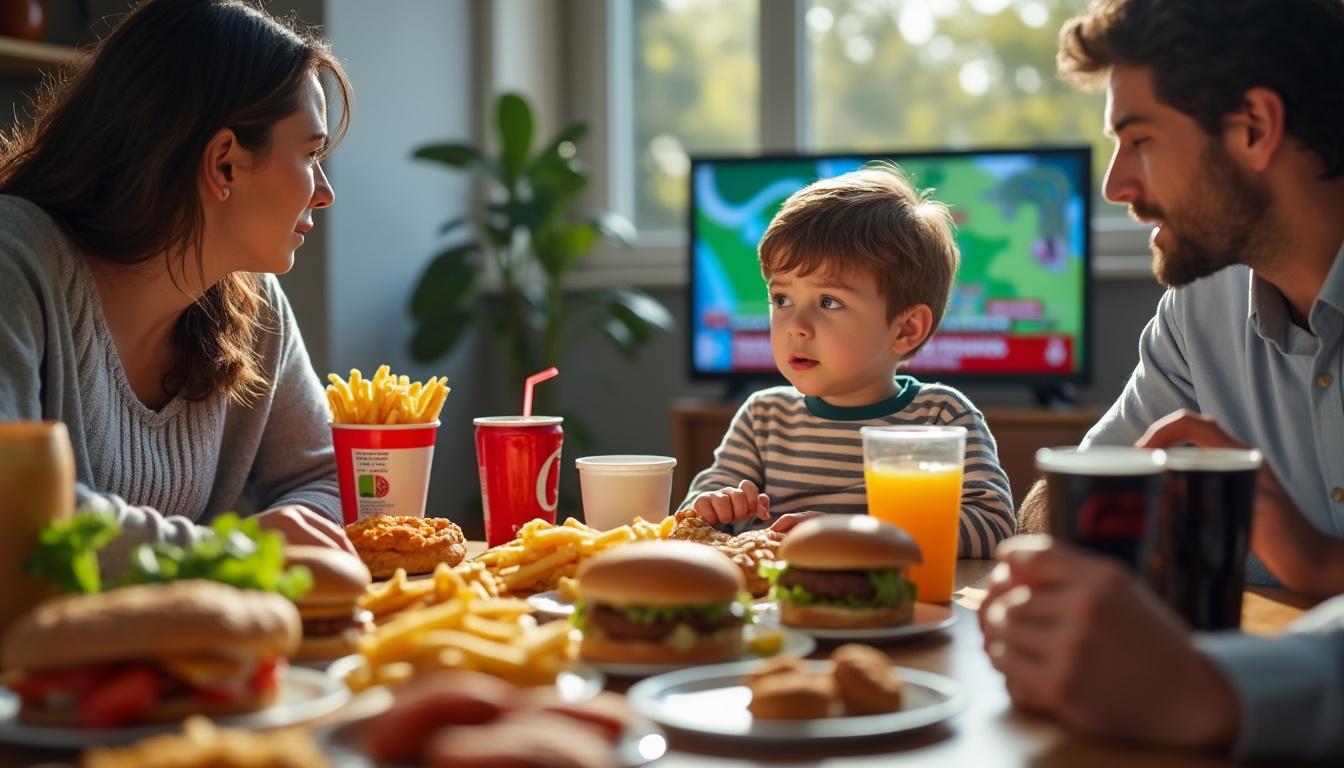
The shift in American dietary patterns has raised alarm bells amongst public health officials in 2025. The Centers for Disease Control and Prevention (CDC) emphasizes a troubling surge in the consumption of ultra-processed foods, with more than half of the calories in the average American diet now deriving from these nutritionally poor options. This change is particularly concerning for young children, whose developing bodies and lifelong eating habits are at stake. The consequences are visible: increases in childhood obesity, diabetes, and other diet-related illnesses surging. Although slight declines in fast food intake signal some progress, the lion’s share of daily nourishment still comes from foods laden with added sugars, salts, and unhealthy fats, deeply embedded in American culture and lifestyle. Major organic brands like Gerber, Happy Family Organics, and Earth’s Best serve as beacons for healthier alternatives, yet the general trend remains worrisome. Public health advocates argue that a clearer definition and understanding of ultra-processed foods are urgent steps towards influencing national food policies and consumer awareness.
From toddlers to teenagers, American youths are indulging more frequently in fast food and packaged snacks, which jeopardizes their diet quality and caloric intake balance. CDC statistics between 2021 and 2023 reveal that fast food consumption remains a staple for a large segment of children, particularly older ones, who face higher exposures to associated health risks. These dietary patterns are intertwined with socioeconomic and demographic factors, complicating intervention efforts. Notably, public resources and initiatives, including free meal programs and educational campaigns, strive to promote wholesome eating habits starting from early childhood, utilizing guidance from nutrition experts and studies on behavioral science. This article examines the multifaceted dimensions of these eating trends and their profound implications on American children’s health, focusing on actionable insights and community efforts aimed at reversing this trajectory.
Ultra-Processed Foods Dominate American Diets and Its Impact on Young Children’s Health
The prevalence of ultra-processed foods in American diets has reached unprecedented levels. According to the CDC, approximately 62% of calories consumed by children come from these products, a figure that mirrors the adult population closely. Ultra-processed foods are typically high in sugar, salt, unhealthy fats, and contain little nutritional value, contributing to the rise in obesity and chronic illnesses from an early age. The dominance of these foods in children’s diets highlights a grim reality where convenience often trumps nutritional adequacy.
Despite a growing awareness of healthy eating, many households continue to rely on quick, affordable, and palatable ultra-processed options. Brands such as Annie’s Homegrown, Plum Organics, and Kind Snacks offer organic and less processed alternatives, but their market share is far smaller than that of typical fast food or snack brands.
Consequences of Ultra-Processed Food Consumption in Children
The impact of this dietary trend manifests in several health challenges:
- Increased risk of childhood obesity: With excessive caloric intake from sugary and fatty foods, children put on weight faster than their counterparts eating balanced diets.
- Development of metabolic disorders: Early exposure to unhealthy fats and sugars is linked to the onset of type 2 diabetes and high cholesterol, even in young children.
- Poor cognitive outcomes: Emerging research suggests that poor nutrition affects brain development and academic performance.
- Formation of unhealthy lifelong eating habits: Children accustomed to ultra-processed foods are less likely to embrace fresh, whole foods as they grow.
Table: Nutritional Comparison Between Ultra-Processed Foods and Organic Alternatives
| Category | Ultra-Processed Foods (avg. per serving) | Organic Alternatives (e.g., Gerber, Earth’s Best) |
|---|---|---|
| Sugar (grams) | 15-25 | 5-10 |
| Sodium (mg) | 300-500 | 50-150 |
| Saturated Fat (grams) | 6-12 | 1-3 |
| Additives & Preservatives | High | Minimal / Natural |
Efforts to push healthier food options in schools and daycares include the adoption of brands like Stonyfield Organic and Horizon Organic, which emphasize organic sourcing and better nutritional standards. Initiatives focusing on nutrition education and free meals are increasingly viewed as crucial to combating these alarming dietary trends and supporting families in making healthier choices. For further insight into the impact of ultra-processed consumption on children’s health, visit NBC News Health Report.
Fast Food Consumption Trends Among American Youth and Their Health Implications
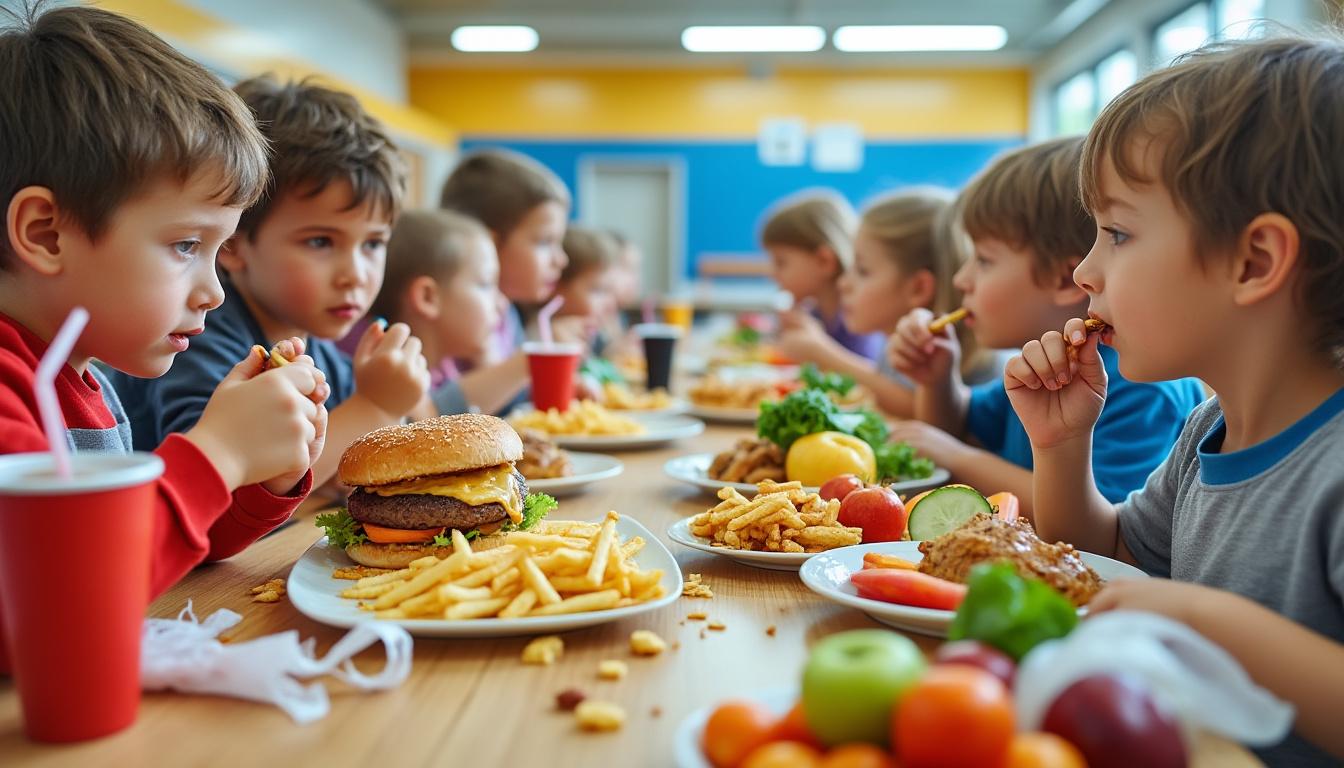
Fast food remains a cornerstone of the American food landscape, despite modest declines in consumption. Analysis by the CDC from 2021 to 2023 shows persistent high intake of fast foods among children aged 2 to 19. Fast food is associated with increased caloric intake and poor diet quality, exacerbating obesity rates and other health risks. Older children tend to consume fast food more frequently, reinforcing unhealthy nutritional habits that are hard to break into adulthood.
Many factors influence fast food consumption, including price, convenience, and perceived value. Particularly among lower-income families, fast food provides an affordable and accessible feeding option – albeit at the cost of long-term health. Brands like Clif Kid and Kind Snacks offer snack alternatives that aim to provide healthier snacking options for children, but many fast food meals remain ultra-processed and nutritionally imbalanced.
Demographic and Socioeconomic Factors Affecting Fast Food Intake
Fast food consumption varies widely across different groups:
- Income Levels: Lower-income families report higher rates of fast food consumption due to cost and time constraints.
- Age Differences: Younger children consume less fast food compared to adolescents, who often gain more independence in food choices.
- Geographic Variation: Urban and suburban areas may have greater fast food density, influencing access.
- Health Awareness: Families with greater health literacy tend to limit fast food consumption and opt for organic or less processed alternatives.
Table: Average Percentage of Daily Calories from Fast Food by Age Group
| Age Group | Percentage of Calories from Fast Food |
|---|---|
| 2-5 years | 12% |
| 6-11 years | 18% |
| 12-19 years | 25% |
In response, schools and communities increasingly collaborate with brands like Plum Organics and Annie’s Homegrown to promote healthier eating environments and snacks. These efforts aim to counterbalance fast food’s allure with nutritious, tasty alternatives. According to the CDC’s recent data brief db533, these patterns necessitate targeted policies that consider demographic disparities and improve access to wholesome foods, especially for children.
The Role of Nutrition Education and Public Initiatives in Shaping Healthy Eating Habits
Nutrition education and public health initiatives play a pivotal role in addressing unhealthy eating trends among children. Encouraged by organizations such as the American Heart Association and Research!America, a national dialogue is fostering awareness of food’s role in long-term health. Programs provide families with resources to steer away from fast food and ultra-processed foods, emphasizing brand options like Nature’s Path cereals and Clif Kid snacks which align with healthy dietary goals.
Schools have become critical arenas for intervention, introducing comprehensive nutrition curricula, free meal initiatives, and partnerships with nutrition-conscious brands. These efforts are part of a broader strategy to build lifelong healthy habits from early childhood. For example, livewellmagazine.org highlights essential strategies for cultivating healthy eating habits in children, underscoring the importance of parental involvement and consistent messaging.
Key Components of Successful Nutrition Programs
- Educational Content: Age-appropriate lessons on food groups, reading labels, and the benefits of organic foods.
- Parental Engagement: Workshops and resources to help parents model healthy eating at home with brands like Happy Family Organics.
- Accessibility to Healthy Foods: School meal reforms ensuring availability of organic and less-processed choices.
- Community Collaboration: Partnerships between schools, local farms, and health organizations to amplify impact.
These programs demonstrate tangible benefits, including lowered obesity rates and improved dietary diversity. The fusion of education, affordable access, and supportive environments is a proven approach to reversing adverse eating trends. Policymakers and educators continue to draw on CDC data and consumer insights to refine and expand these interventions.
Brand Influence and Market Shifts Toward Organic and Health-Conscious Children’s Foods
The growing health awareness among American families has spurred market shifts favoring organic and minimally processed children’s foods. Leading brands such as Gerber, Happy Family Organics, Plum Organics, Earth’s Best, and Annie’s Homegrown have seen increased demand as parents seek to reduce their children’s consumption of ultra-processed products.
Consumers increasingly scrutinize ingredient lists and nutrition labels, fueling growth in organic snack brands like Kind Snacks and Nature’s Path. This demand is creating competitive pressure on traditional food companies, encouraging reformulations toward cleaner, healthier options.
Market Trends and Consumer Preferences
- Organic Certification: Preference for USDA Organic-labeled products guarantees minimized pesticides and synthetic additives.
- Clean Label Movement: Transparency in ingredients, avoiding preservatives, artificial colors, and sweeteners.
- Convenience Combined with Nutrition: Ready-to-eat meals and snacks that balance health with busy family schedules.
- Eco-conscious Packaging: Sustainable packaging resonates strongly with environmentally aware consumers.
Table: Market Growth and Consumer Preferences Toward Organic Children’s Foods (2020-2025)
| Metric | 2020 | 2025 | Growth (%) |
|---|---|---|---|
| Organic Children’s Food Sales ($ billions) | 4.5 | 7.8 | 73% |
| Percentage of Parents Choosing Organic | 28% | 45% | 61% |
| Number of Brands Offering Organic Options | 15 | 28 | 87% |
Parents report that trusted brand names significantly influence their shopping decisions, with companies like Stonyfield Organic and Horizon Organic often cited for quality and health values. Yet, affordability remains an obstacle for many households. Market and health experts advocate for subsidies and incentives to broaden organic food accessibility and reduce disparities in diet quality.
Strategic Approaches to Cultivating Long-Term Healthy Eating Habits in Children
Combating unhealthy eating patterns requires a coordinated strategic approach that encompasses education, policy, community support, and market innovations. The CDC’s ongoing reporting and research provide vital data to guide these comprehensive efforts aimed at reducing the dominance of ultra-processed foods and fast food in children’s diets.
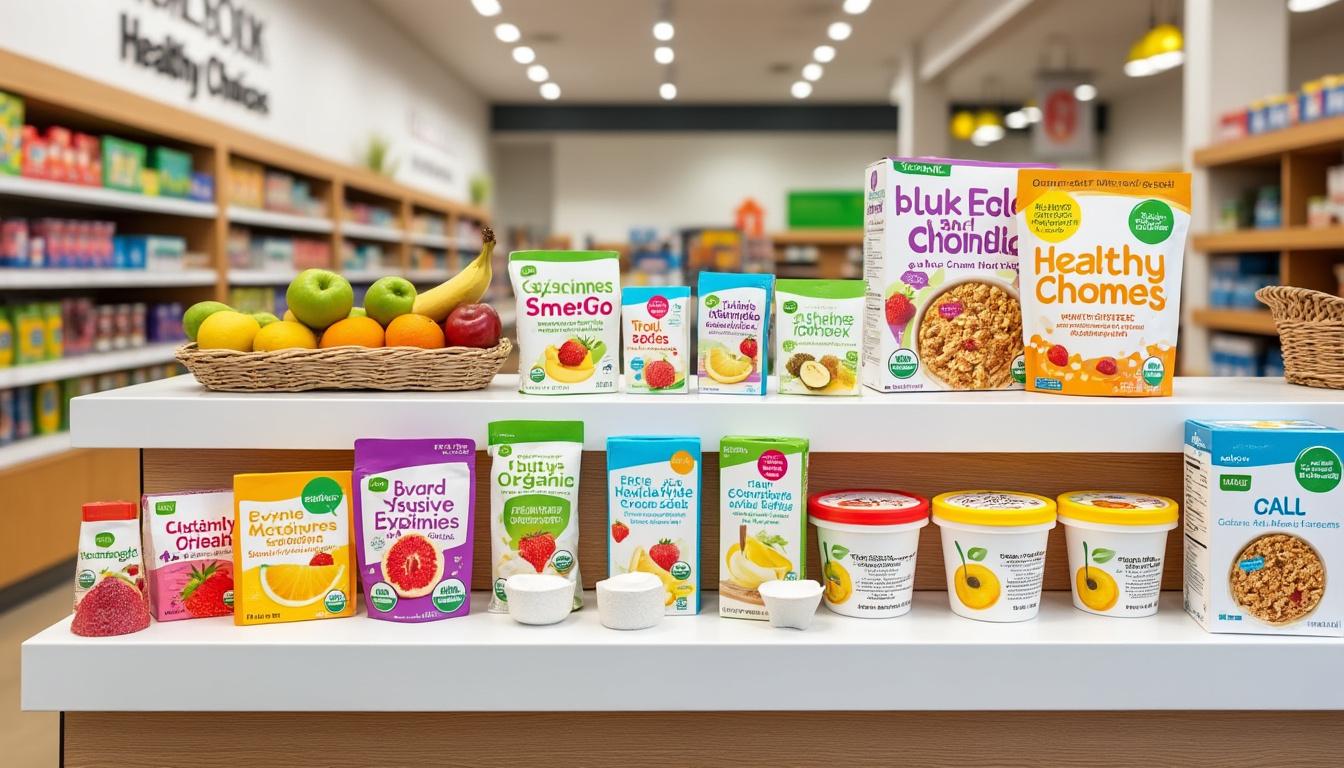
Steps taken must acknowledge the complexities of family lifestyles, economic constraints, and cultural preferences. Embracing brands that prioritize organic, wholesome ingredients—such as Gerber, Kind Snacks, and Plum Organics—can serve as practical starting points.
Recommended Strategies for Families and Communities
- Early Nutrition Education: Teaching children about balanced diets and the risks tied to ultra-processed foods.
- Role Modeling: Parents and caregivers adopting healthy habits influence children’s preferences.
- Community Involvement: Local initiatives supporting fresh food access and family cooking events.
- Policy Support: Advocating for school meal improvements and restrictions on unhealthy food advertising targeting children.
- Accessibility Enhancements: Expanding availability and affordability of healthy brands like Earth’s Best and Horizon Organic.
When these elements converge, progress toward healthier futures for children gains momentum. Parents and professionals looking for guidance can explore holistic health resources such as LiveWell Magazine’s strategies for healthy eating. Such resources offer tips, recipes, and community programs designed to make healthy choices achievable, affordable, and enjoyable.
Frequently Asked Questions (FAQ) about American Eating Habits and Children’s Health
- Q: What defines ultra-processed foods, and why are they harmful for children?
A: Ultra-processed foods typically contain additives, preservatives, high levels of sugar, salt, and unhealthy fats with minimal natural nutrients. They contribute to obesity, metabolic diseases, and poor cognitive development in children. - Q: How much fast food do American children typically consume?
A: On average, 12% to 25% of daily calories for children aged 2 to 19 come from fast food, with older children consuming more frequently. - Q: Are organic children’s food brands more expensive?
A: Yes, organic foods often cost more due to production methods but are considered healthier. Efforts exist to improve accessibility through programs and subsidies. - Q: What role can parents play to improve their children’s eating habits?
A: Parents can model healthy behaviors, choose organic and whole food options, educate children about nutrition, and resist fast food convenience through planning. - Q: How are schools involved in promoting healthy eating?
A: Schools implement nutrition education, offer healthier meals, and partner with organic and health-focused brands to reduce exposure to ultra-processed and fast foods.
