

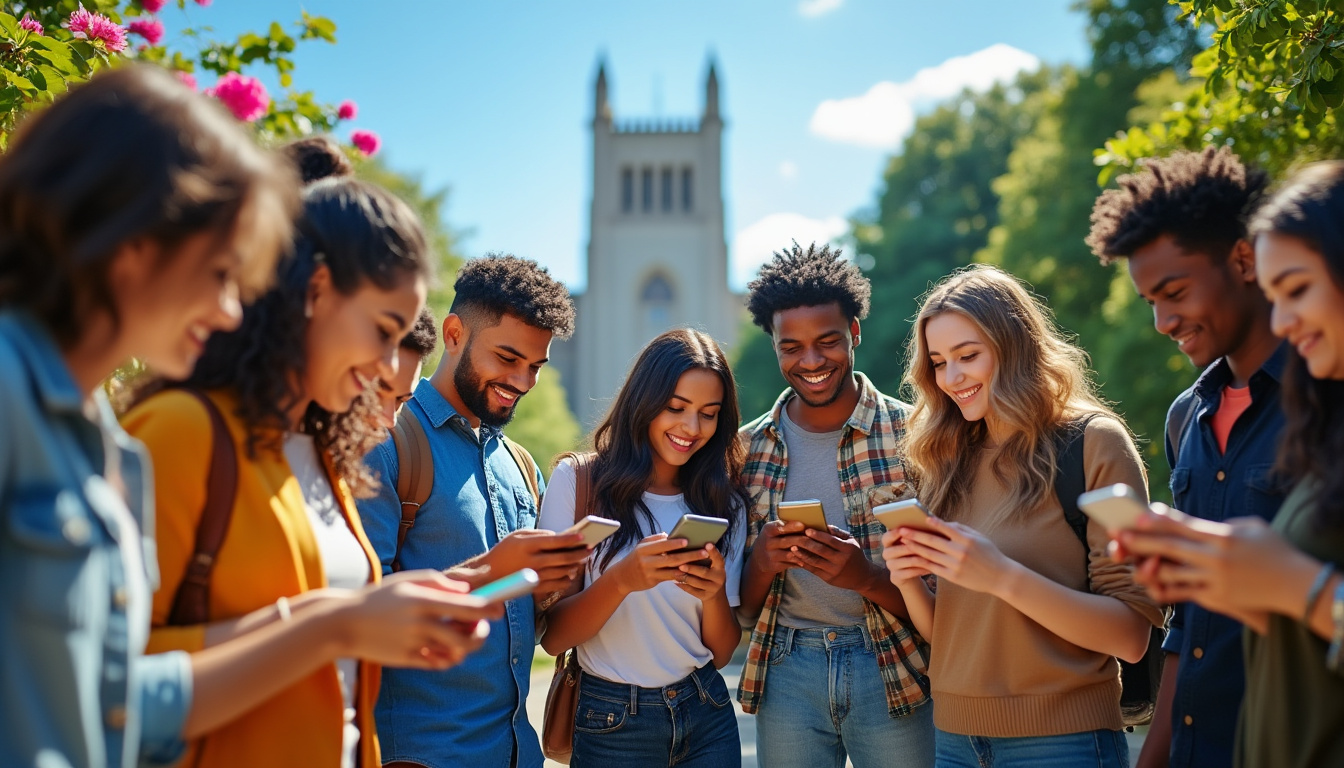
In an era where young adults are inundated with hundreds of daily notifications, Baylor University has stepped forward with a groundbreaking approach to support student well-being: the HealthyBearsTXT initiative. This innovative text messaging program is designed to promote student health and wellness by delivering timely, research-backed messages that encourage self-care, resilience, and active engagement with campus health resources. Amid growing mental health concerns on college campuses nationwide, Baylor’s digital health effort uniquely bridges the gap between awareness and action, making it easier for students to access support and develop healthier habits in a familiar, accessible format.
Harnessing Digital Health Communication: A New Frontier for Student Wellness at Baylor University
Modern students face a relentless barrage of digital communication, with studies revealing that teenagers receive an average of 237 notifications per day. Rather than competing against this noise, Baylor University’s HealthyBearsTXT initiative embraces it by sending out positive, motivational messages tailored to students’ academic calendars and well-being needs. This approach marks a pivotal shift in university wellness strategies, shifting from traditional resources to dynamic, personalized digital interactions that resonate with today’s student lifestyle.
At its core, the program exemplifies how health communication can be effectively optimized for student engagement. By offering a two-way text messaging platform, HealthyBearsTXT allows students to receive 2-3 messages weekly, focusing on topics ranging from sleep hygiene to spiritual wellness and anxiety management. This constant, real-time connection not only reminds students to prioritize health but does so in a conversational, peer-voiced tone, increasing receptivity and minimizing the feeling of institutional imposition.
Key components of Baylor’s text messaging program include:
- Student-authored messages: With guidance from faculty research insights, student writers craft messages that feel authentic and relatable.
- Evidence-based health topics: Messaging topics span eight critical areas including nutrition, physical exercise, resilience, and healthy relationships.
- Strategically timed communications: Messages align with the academic calendar, such as reminders about flu shots during fall seasons or strategies for managing exam stress in finals week.
- Interactive engagement: The two-way only feature allows students to respond, creating a dialogue and community around wellness.
This digital approach exemplifies Baylor’s commitment to pioneering health innovation on campus, ensuring that wellness initiatives meet students where they are — on their phones — thereby enhancing their ability to thrive academically and personally. To explore more on Baylor’s campus health initiatives, visit the Student Health and Wellness Resources.

Mental Health Challenges and the Need for Proactive Campus Wellness Interventions
The landscape of higher education is increasingly shaped by mental and emotional health challenges. According to a April 2024 survey by Gallup and the Lumina Foundation, emotional stress affects over half of enrolled college students, with 43% citing mental health as a major concern impacting their academic persistence. Baylor University recognizes these trends and is addressing them head-on by integrating preventive measures through the HealthyBearsTXT program.
While many campuses provide counseling and health clinics, a significant gap remains between awareness and utilization of these services. A 2025 study conducted by Tyton Partners highlights that although 41% of students are aware of mental health counseling on campus, only about 15% actively seek such support. This disparity underscores the necessity of early, midstream interventions that reach students before they hit critical points. As Jim Marsh, Dean for Student Health and Wellness, notes, Baylor’s approach is not merely reactive; HealthyBearsTXT aims to influence the campus culture toward wellness and proactive care.
Reasons why digital health initiatives like HealthyBearsTXT are essential include:
- Early engagement: Messages provide timely cues that prompt self-care before mental health issues become severe.
- Reduction of stigma: Regular exposure to normalizing health messages helps dismantle barriers around seeking help.
- Resource awareness: Texts increase knowledge of campus services and how to access them effectively.
- Cultural shift: Promotes a campus environment where prioritizing wellness becomes the norm.
Baylor’s text messaging initiative functions as a complement to existing services offered by the Department of Student Care & Wellbeing, including personalized interventions for students facing emotional distress. Faculty collaboration plays a pivotal role in ensuring messages incorporate scientifically-backed guidance while maintaining a student-friendly voice, which is instrumental in fostering trust and engagement.
For an in-depth look at Baylor’s comprehensive approach to student mental health, visit Well-Being FAQ at Baylor University’s Student Care & Wellbeing.
Behind the Scenes: Developing an Effective Text Messaging Program for Campus Health
The HealthyBearsTXT program did not emerge overnight but is the result of an intricate collaboration between academic faculty, health service staff, and student communicators at Baylor University. To devise a messaging strategy that resonates, leaders engaged with experts across a broad spectrum of disciplines from neuroscience to campus recreation. This multi-disciplinary approach ensured messages are evidence-based and align with the diverse factors influencing student health.
Jessica Ford, Associate Professor of Communication and program co-lead, explains that students are more likely to read texts even when the content challenges their habits or beliefs. This insight informed the program’s approach to crafting messages that serve as gentle nudges, fostering positive behavioral shifts without feeling intrusive.
Key stages in the development process included:
- Faculty and staff consultations: 66 experts provided insights into best practices for health promotion.
- Identification of eight core wellness themes: Sleep, spiritual wellness, resilience, health and risk, physical activity, nutrition, relationships, and anxiety management.
- Student authorship: Messages were written by communication students to ensure an authentic, relatable tone.
- Pilot testing: Early messages were trialed with peers to gauge effectiveness and refine content.
One unique aspect of the initiative is how it encourages students to extend their social boundaries, such as reaching out to peers or maintaining connections with people who care about their well-being. This holistic focus transcends traditional resource promotion by fostering community and support networks among students.
To better understand the scope of Baylor’s interdisciplinary wellness programs, prospective students and faculty can explore Well-Being Initiatives at Baylor University.
Student Engagement and Incentives: How Baylor University Boosts Participation in HealthyBearsTXT
Student buy-in is vital for the success of any health communication program, and Baylor’s HealthyBearsTXT incorporates multiple strategies to maximize enrollment and ongoing engagement. While most students first learn about the program during orientation, faculty and staff actively reinforce awareness by sharing sign-up QR codes in classrooms and common areas, ensuring consistent visibility across campus.
Incentives play a key role in encouraging students to opt in and stay connected. Monthly giveaways—such as Chick-fil-A gift cards—serve as a popular draw, rewarding participation while subtly reinforcing positive engagement with health content. This approach cleverly combines motivation with the desire for tangible benefits, helping maintain high subscription rates.
Engagement strategies employed include:
- Multiple sign-up touchpoints: Orientation, classrooms, digital displays, and campus events.
- Interactive messaging: Two-way texting allows spontaneous feedback, creating a sense of community.
- Relevant content timing: Aligning messages with academic stress periods and seasonal health concerns.
- Attractive prizes: Monthly giveaway incentives provide extrinsic motivation to engage.
Feedback from participants reveals that many eagerly anticipate each message and sometimes even respond with expressions of gratitude—demonstrating the program’s emotional resonance. Baylor University also plans to extend this program to graduate students to tailor wellness messages for their distinct challenges.
For current students interested in joining the program or learning more, the official HealthyBearsTXT page offers detailed information and registration options at Baylor’s HealthyBearsTXT.
Evaluating the Impact of Baylor University’s Health Messaging Innovation on Campus Wellness
Assessment is critical to any health innovation’s ongoing success, and Baylor University has committed to systematically measuring the effects of HealthyBearsTXT on student behavior and well-being. Each week, the program reaches approximately 1,000 members of the campus community, including students, faculty, and staff, signaling widespread adoption across the university.
Dean Jim Marsh observes that there is palpable anticipation for these messages, with many waiting to see what the next tip or encouragement will be. Responses include simple ‘like’ or ‘love’ reactions and personal messages describing how these texts have encouraged healthier choices or fostered engaging conversations among peers.
Beyond individual student benefits, HealthyBearsTXT fosters unprecedented collaboration among campus experts who, through this initiative, intersect regularly to exchange best practices, insights, and amplify campus health culture. This cross-pollination of expertise enriches Baylor’s overall university wellness strategy.
Going forward, plans include rigorous research to analyze the memorability and practical impact of specific messages, as well as potential expansion to graduate students facing distinct mental health and wellness challenges.
Key impact considerations and future directions:
- Engagement metrics: Tracking message opens, responses, and behavioral feedback.
- Qualitative insights: Collecting anecdotes and testimonials highlighting positive effects.
- Collaborative innovation: Strengthening partnerships between health experts and communication professionals.
- Program growth: Extending reach to graduate student populations and diversifying messaging topics.
For further reading on Baylor University’s transformational health programs, explore articles such as HealthyBearsTXT coverage in the Baylor Lariat and Inside Higher Ed’s report on Baylor’s text messaging intervention.
Frequently Asked Questions about Baylor University’s HealthyBearsTXT Initiative
How do students sign up for HealthyBearsTXT?
Students can opt in by scanning QR codes distributed during orientation, in classrooms, or around campus. Registration details and further information are available on the HealthyBearsTXT official page.
What topics do the text messages cover?
The program covers eight primary wellness themes including sleep, spiritual wellness, resilience, health risks, physical activity, nutrition, healthy relationships, and anxiety management.
Can students respond to the messages?
Yes, HealthyBearsTXT is a two-way communication platform where students can reply, express appreciation, or engage with follow-up questions.
Is this program mandatory for students?
No, participation is entirely voluntary. Students choose to opt in and can opt out at any time if they prefer not to receive messages.
Are graduate students included in the program?
Currently, the program mainly targets undergraduate students, but there are plans to expand HealthyBearsTXT to graduate students to address their unique wellness needs.

2 Comments
Pingback: Wellness Secrets I Wish I Knew in My 20s
Pingback: Raising Healthy Kids: Simple Steps to Lifelong Wellness