

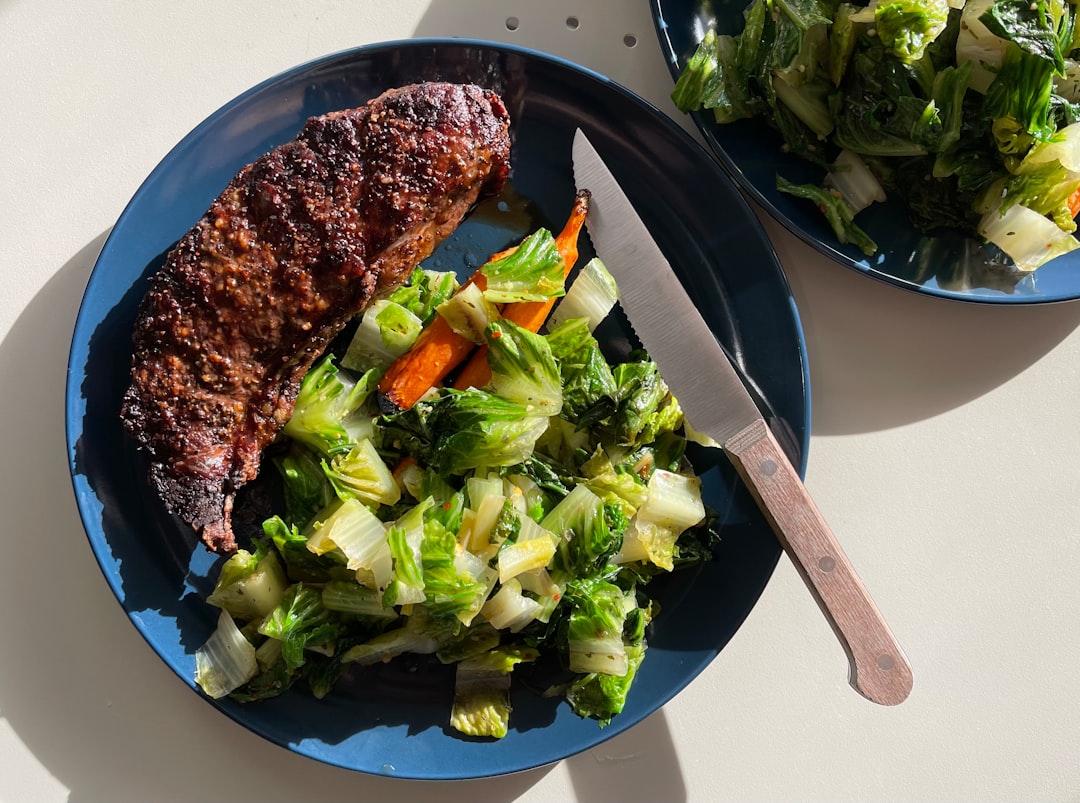
Managing weight while supporting long-term wellness often feels like a delicate balancing act, especially when considering the rising costs of fresh groceries and the time constraints of daily life. For many older adults, particularly those focusing on cellular recovery and proactive health measures, the kitchen should be a place of healing rather than a source of financial stress. By rethinking how we approach our evening meals, it becomes entirely possible to shed excess pounds, protect our immune systems, and keep our weekly food budgets strictly in check. This approach relies on smart grocery shopping, prioritizing accessible ingredients that deliver high antioxidant yields, and utilizing straightforward cooking methods that require less than thirty minutes. When you optimize your pantry with longevity in mind, you naturally gravitate toward whole foods that fight inflammation and support metabolic balance. We will explore how to craft plates that are as gentle on your wallet as they are beneficial for your body, ensuring every bite serves your vitality.
- Smart ingredient sourcing: Utilizing cost-effective proteins and frozen vegetables to maintain a tight budget while maximizing nutrient intake.
- Rapid preparation methods: Relying on one-pan skillets and simple baking techniques to ensure meals are ready in under thirty minutes.
- Cellular health focus: Emphasizing antioxidant-rich spices, leafy greens, and omega-3s to support immune function and weight reduction.
- Portion and calorie control: Designing plates that naturally fall under 400 calories without sacrificing flavor or feeling deprived.
The intersection of culinary efficiency and budget management
Creating a sustainable evening routine requires a strategy that respects both your physical health and your financial resources. Budget-friendly nutrition does not mean sacrificing quality; rather, it involves making strategic choices at the supermarket. Purchasing staple items in bulk, such as brown rice and dried legumes, drastically reduces the cost per serving. These complex carbohydrates form an excellent base for various dishes that aid in weight management.
For those navigating post-treatment recovery or simply aiming to bolster their defenses against cellular mutation, incorporating nutrient-dense foods is non-negotiable. However, premium health foods often come with a premium price tag. The secret lies in identifying accessible superfoods, like seasonal leafy greens and bulk-bought chicken breasts, which offer incredible nutritional value without straining the wallet. Relying on quick meals for busy evenings ensures you avoid the costly temptation of ordering takeout.
“True culinary healing occurs when we remove the stress of preparation and financial burden, allowing the body to simply receive nourishment.”
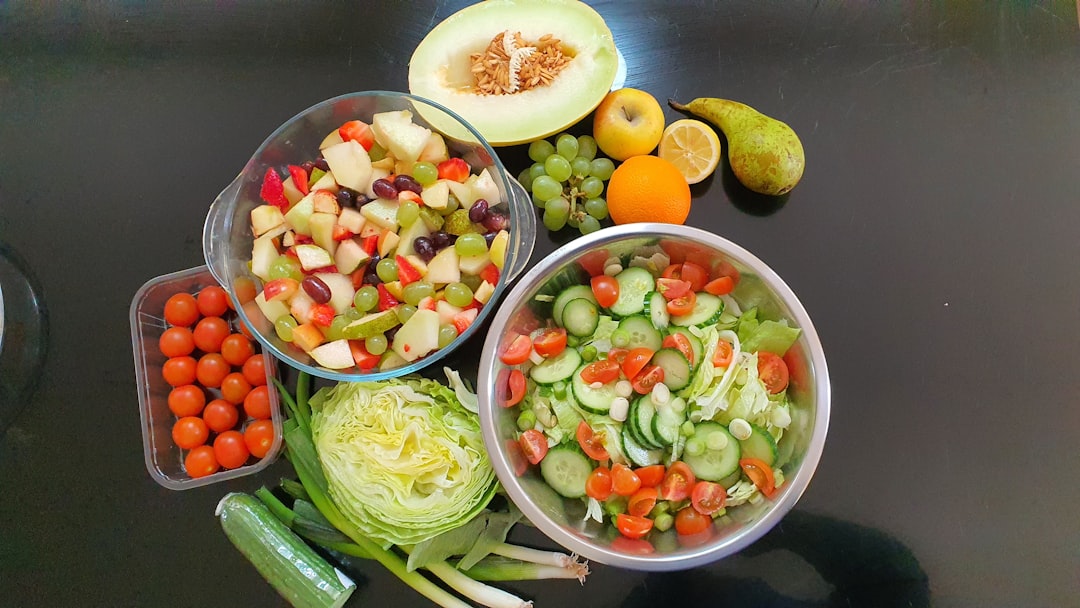
Maximizing lean poultry for metabolic support
Poultry remains one of the most economical and versatile sources of lean protein available today. Preparing a citrus-infused grilled chicken requires only a few inexpensive pantry staples like lime juice and basic herbs. By marinating the meat a few hours ahead of time, you tenderize cheaper cuts effortlessly, resulting in a vibrant dish that hovers around a mere 130 calories per breast.
Another brilliant strategy for stretching your grocery dollar involves creating hearty grain bowls. Combining instant rice with sautéed onions, bell peppers, and modest portions of chicken creates a deeply satisfying meal. These simple combinations align perfectly with nutritious dinner routines, delivering essential amino acids that repair cellular damage while keeping overall carbohydrate intake balanced for weight loss.
One-pan wonders that protect your wallet and waistline
Streamlining the cooking process minimizes the mental fatigue often associated with preparing healthy dinners. Skillet meals are the unsung heroes of the modern kitchen, combining proteins, vegetables, and complex flavors into a single vessel. This method not only slashes cleanup time but also allows ingredients to share their aromatic properties, enhancing the taste without requiring expensive sauces or excessive added fats.
Consider a vibrant vegetable and chicken skillet crafted to use up lingering produce before it spoils. Tossing leftover asparagus ends and slightly bruised mushrooms into a hot pan prevents food waste, which is a crucial aspect of household budget management. The result is a robust, 228-calorie dish packed with 25 grams of protein, supporting muscle retention while encouraging fat loss.
- Embrace frozen seafood: Purchasing flash-frozen shrimp or fish fillets is often cheaper than fresh alternatives and preserves essential omega fatty acids.
- Repurpose vegetable scraps: Tossing leftover vegetable stems or slightly wilted greens into a skillet stretches your grocery dollar significantly.
- Utilize robust spices: A well-stocked spice rack allows you to transform inexpensive staples into gourmet experiences, eliminating the need for sodium-heavy marinades.
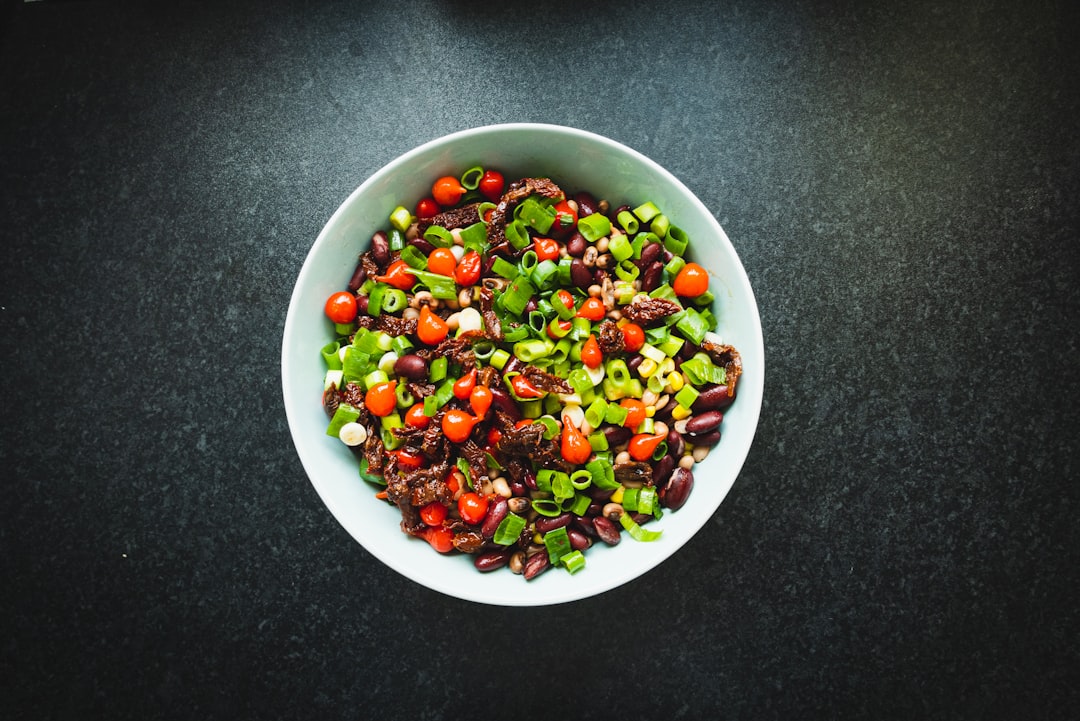
Seafood strategies for anti-inflammatory dining
Integrating aquatic proteins into your diet provides a wealth of omega-3 fatty acids, which are highly regarded in oncology nutrition for their anti-inflammatory properties. Tomato-poached halibut offers a brilliant way to keep the fish tender and moist using an acidic, lycopene-rich tomato base. This single-pan method requires minimal added oils, keeping the dish delightfully light and completely aligned with your wellness goals.
For a more casual evening, utilizing affordable fish fillets for tacos wrapped in crisp lettuce leaves saves both money and unnecessary carbohydrate calories. Paired with a simple homemade mango salsa, this vibrant meal feels indulgent but remains under 350 calories. Exploring these fast cooking strategies proves that protecting your cellular health can be both delicious and incredibly efficient.
Plant-forward bowls that slash grocery bills
Shifting the focus toward plant-based ingredients a few nights a week is one of the most effective ways to lower your grocery expenses. Legumes, whole grains, and seasonal vegetables offer a powerful combination of micronutrients and dietary fiber. This dietary profile naturally regulates blood sugar levels, preventing the insulin spikes that often lead to unwanted weight gain and metabolic disruption.
A spicy Southern-style stew simmering with brown rice, okra, and beans exemplifies this frugal yet potent approach. This thick, tomato-based meal provides around 9 grams of digestive fiber for roughly 217 calories. Such hearty dishes ensure you leave the table feeling completely satisfied, effortlessly adhering to low-calorie evening options without experiencing late-night hunger pangs.
Harnessing the power of legumes for digestive vitality
Beans and lentils are nutritional powerhouses that cost pennies per serving, making them indispensable for budget-conscious households. Combining tender gnocchi with white beans in a single skillet creates an earthy, comforting dinner that requires zero culinary expertise. The soluble fiber found in white beans acts as a prebiotic, fostering a robust gut microbiome, which emerging research continually links to stronger immune defenses and easier weight management.
Crispy corn tortillas topped with mashed pinto beans provide another rapid, satisfying option for meatless evenings. A dash of chili powder elevates the humble ingredients, transforming basic pantry items into a metabolism-boosting feast. Embracing these simple, plant-forward assemblies ensures your body receives the necessary building blocks for repair and longevity, all while honoring your commitment to sensible financial management.
How can I reduce my weekly grocery bill while still eating fresh produce?
Opt for seasonal vegetables and do not shy away from frozen options. Flash-frozen produce retains its antioxidant properties perfectly and is highly cost-effective for skillet meals, stews, and rapid evening dinners.
Are 30-minute meals really effective for long-term weight loss?
Yes, provided they focus on whole ingredients. Quick meals that prioritize lean proteins, abundant vegetables, and complex carbohydrates naturally control calorie intake and prevent the temptation of ordering expensive, calorie-dense takeout.
What are the best inexpensive proteins to keep in the pantry?
Canned beans, lentils, and chickpeas are incredibly affordable and boast a long shelf life. Additionally, purchasing bulk packages of chicken breast or flash-frozen fish fillets ensures you always have a lean, high-quality protein source ready for a rapid skillet meal.
