


The end-of-year festivities bring warmth, joy, and tables laden with comforting classics. For many, however, this season also brings concerns about blood pressure and cholesterol. The good news is you don’t have to choose between your favorite holiday meals and your cardiovascular health. By embracing simple, creative swaps and focusing on nutrient-rich ingredients, you can rework traditional recipes into delicious, heart-friendly feasts. This isn’t about restriction; it’s about empowerment and discovering new flavors that nourish your body and soul. Adopting heart-healthy habits is a journey of celebrating food that loves you back, ensuring you can enjoy many more holiday seasons to come with vitality and peace of mind.
In a nutshell, here’s how to enjoy a heart-friendly holiday season:
- 💖 Prioritize Whole Foods: Center your meals around vegetables, fruits, whole grains, and legumes.
- 🧈 Limit Saturated Fats: Be mindful of your intake from sources like red meat and full-fat dairy, aiming for no more than 6% of your daily calories.
- 🐟 Incorporate Superfoods: Add foods rich in omega-3s, fiber, and antioxidants, like salmon, walnuts, and berries.
- 🎉 Reinvent, Don’t Restrict: Modify your favorite comfort foods with smart ingredient swaps to lower sodium and unhealthy fats while boosting flavor.
Reimagining Your Holiday Plate: Flavorful Swaps for a Healthier Heart
The foundation of a heart-smart diet lies in managing key risk factors like high LDL (“bad”) cholesterol and blood pressure. According to health experts, diet plays a central role. A primary strategy involves reducing saturated fat, which is closely linked to elevated LDL levels. The American Heart Association suggests limiting these fats to about 10-15 grams per day for many people. This means being mindful of deep-fried dishes, sugary desserts, and ultra-processed foods that often contain hidden sodium and unhealthy fats. Instead of viewing this as a limitation, see it as an opportunity for culinary creativity. Mastering essential holiday health habits starts in the kitchen.
Simple swaps can make a world of difference. For instance, replace butter with olive oil for sautéing, or use plain yogurt instead of sour cream in dips. These small changes collectively reduce “bad” fats and introduce heart-healthy monounsaturated fats. Martha, 72, from Scottsdale, shared her experience: “I thought I’d have to give up all my favorite holiday roasts. Instead, I learned to use herbs instead of salt and switched to leaner turkey. I’ve never felt better, and my family loves the new flavors!” This shift in focus begins a path to overall wellness, proving that healthy eating can be both delicious and celebratory.
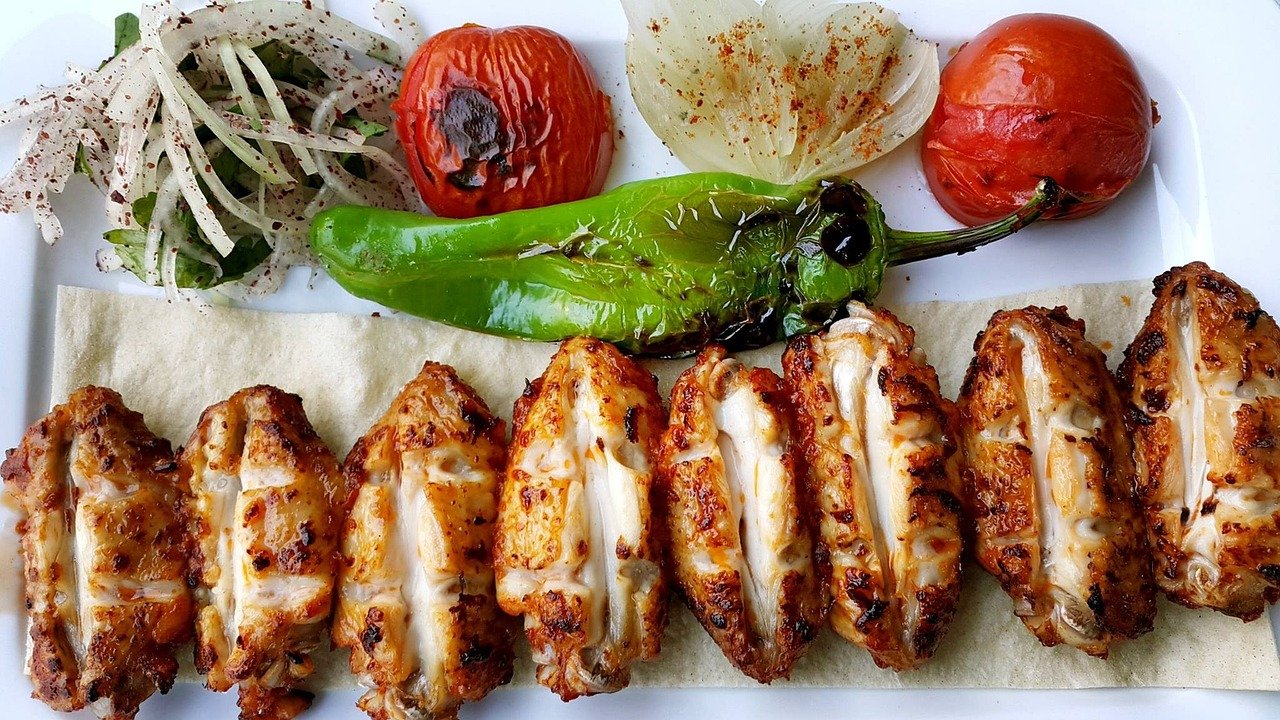
The Power of Plant-Based Superfoods
Mother Nature provides a powerful arsenal for protecting your heart. Foods like avocados, for example, are packed with fiber, potassium, and healthy unsaturated fats, which studies have linked to a lower risk of cardiovascular disease. Similarly, berries are rich in antioxidants that fight inflammation, a key contributor to heart issues. Don’t forget legumes like lentils and black beans; their high soluble fiber content helps bind to cholesterol and remove it from the body. Making these vibrant foods a cornerstone of your holiday menu is a key part of keeping your heart happy during festive seasons. A handful of walnuts or a sprinkle of chia seeds on a salad can also provide a powerful punch of plant-based omega-3 fatty acids.
Building a Menu That Loves You Back: Deliciously Heart-Smart Choices
Crafting a heart-friendly menu is easier than you think. Start with your main course. Instead of processed or high-fat red meats, opt for lean proteins. Salmon is an excellent choice, celebrated for its omega-3 fatty acids that reduce inflammation and protect against plaque buildup in the arteries. Skinless chicken or turkey breast are other fantastic options. For side dishes, think color and fiber. Sweet potatoes are a powerhouse of potassium, which helps counterbalance sodium and ease pressure on blood vessel walls. Leafy greens like spinach and kale are loaded with vitamins and antioxidants that support overall cardiovascular function. By making these smart choices, you’re not just preparing a meal; you’re investing in your long-term health, and these simple holiday health tips can make a big difference.

From Proteins to Grains: Your Go-To Guide
Whole grains are another crucial component. Swapping white bread or refined pasta for whole-grain bread, quinoa, or oats can significantly lower your risk of heart disease. Oats, in particular, contain a type of soluble fiber that is especially effective at lowering LDL cholesterol. Quinoa offers a complete protein and helps regulate blood sugar. To inspire your next holiday meal, here is a simple guide to upgrading your plate:
| Traditional Choice | Heart-Healthy Swap ❤️ | Key Benefit |
|---|---|---|
| Prime Rib | Roasted Salmon or Turkey Breast | ⬇️ Saturated Fat, ⬆️ Omega-3s |
| Creamy Mashed Potatoes | Mashed Sweet Potatoes or Cauliflower | ⬆️ Fiber & Vitamins, ⬇️ Sodium |
| Green Bean Casserole with Fried Onions | Steamed Green Beans with Toasted Almonds | ⬇️ Processed Ingredients, ⬆️ Healthy Fats |
| White Dinner Rolls | Whole Grain Bread | ⬆️ Fiber, Helps Lower Cholesterol |
Can I still enjoy dessert on a heart-healthy diet?
Absolutely! The key is moderation and smart choices. Opt for fruit-based desserts like a baked apple with cinnamon or a mixed berry crumble with an oat topping. Dark chocolate (in moderation) is also a good option as it contains antioxidants beneficial for heart health.
What are the easiest first steps to start eating for my heart?
Start small to build sustainable habits. One of the easiest first steps is to reduce your sodium intake by using herbs and spices for flavor instead of salt. Another great step is to add one extra serving of vegetables to your dinner each day. These small changes can have a significant positive impact over time.
Is red wine really good for the heart?
While some studies have suggested a link between moderate red wine consumption and heart health due to its antioxidant content, the American Heart Association does not recommend drinking alcohol to gain potential health benefits. If you do not drink, it is not recommended to start. If you do, talk to your doctor about what is considered a moderate amount for you.
Please note: The illustration photo accompanying this article was generated by an artificial intelligence model. Fictional testimonials may have been included for illustrative purposes.

1 Comment
Pingback: Early cholesterol treatment in kids may prevent heart disease for life - LiveWell Magazine