


In a world where gold is a safe haven and diamonds sparkle eternally, one unassuming fluid outshines them all: the venom of a tiny scorpion from the Israeli desert. Priced at up to $11 million per liter, this substance isn’t just a biological oddity—it’s a beacon of hope in the fight against aggressive cancers. But hold on; the story comes with caveats about rarity, ethics, and the future of medicine. In this health blog post, we’ll dive into the science, the staggering economics, and how this deadly poison could revolutionize treatments. I’ll enrich it with insights on cancer research, preventive health tips, and why nature’s extremes often hold hidden healing powers.
Meet the Deathstalker: a tiny terror worth its weight in gold (and then some)
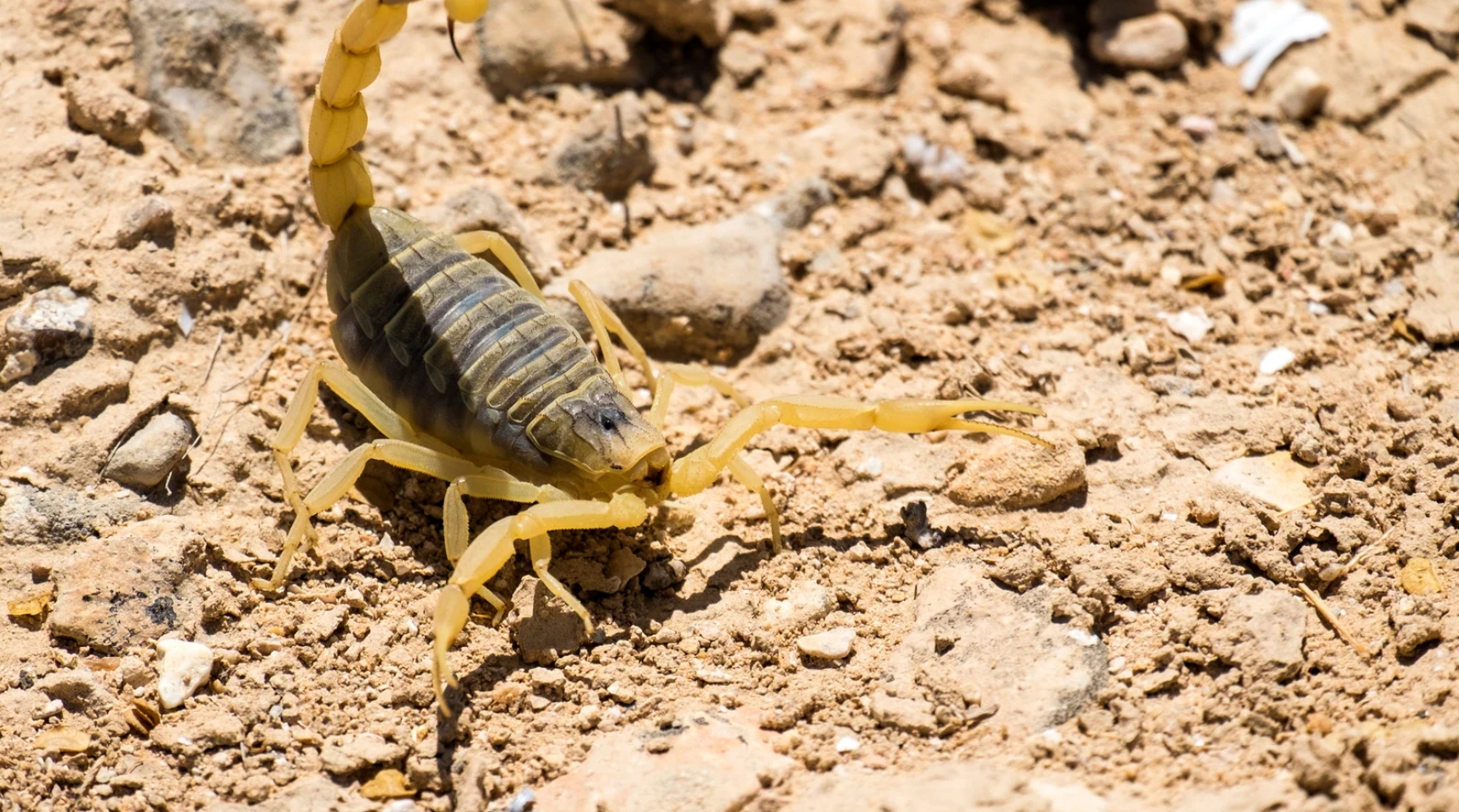
The star of this show is the Leiurus quinquestriatus, better known as the deathstalker scorpion or “deathstalker.” This pale yellow critter, sporting horizontal stripes on its back, measures just a few inches long (about 2-4 inches, to be precise). It’s infamous for having one of the most potent venoms among scorpions—its sting can cause excruciating pain, convulsions, and even death in severe cases.
But here’s the twist: It’s not the venom’s lethality that drives its sky-high value. Instead, it’s the groundbreaking medical potential locked within. Extracting venom is no small feat—a single scorpion yields only about 0.00007 ounces (2 milligrams) per “milking.” To put that in perspective, you’d need to harvest from roughly 2.64 million scorpions to produce just one gallon of this liquid gold. The combination of scarcity, the dangers of handling these venomous creatures, and the intricate extraction process jacks up the price to astronomical levels.
Enriching this for our health-savvy readers: Scorpions like the deathstalker have evolved over 430 million years, surviving in harsh deserts. Their venom is a cocktail of proteins designed for defense and hunting, but as we’ll see, it’s teaching us volumes about human biology. If you’re into natural health, this underscores how biodiversity fuels medical innovation—protecting ecosystems could unlock more life-saving discoveries.
Chlorotoxin: The game-changing molecule targeting brain cancer
At the heart of the hype is chlorotoxin, a peptide made of 36 amino acids. This molecule has an uncanny ability to bind specifically to cancer cells in the brain and spinal cord, especially gliomas—the deadliest brain tumors in adults.
Gliomas are a medical nightmare: These aggressive tumors invade healthy brain tissue, resist standard treatments like chemotherapy and radiation, and leave patients with a five-year survival rate of just 3-5%. Chlorotoxin offers a ray of hope by latching onto glioma cells while ignoring normal brain tissue. This precision opens doors to targeted therapies that minimize damage to healthy cells, potentially reducing side effects like cognitive impairment.
Research from the National Institutes of Health (NIH), published in journals like Cancer Research, shows chlorotoxin can act as a diagnostic tool (highlighting tumors during surgery) and a therapeutic agent. Phase I and II clinical trials have been promising, with no major toxicity or immune reactions reported—a huge win in oncology.
To enrich with health insights: Brain cancer affects about 24,000 Americans annually, per the American Cancer Society. Early detection is key; symptoms like persistent headaches, seizures, or vision changes warrant immediate medical attention. For prevention, lifestyle factors matter—maintaining a healthy weight, avoiding tobacco, and eating antioxidant-rich foods (think berries and leafy greens) can lower overall cancer risks. If you’re at high risk, discuss genetic screening with your doctor.
Beyond cancer: an unexpected arsenal for autoimmune diseases
The deathstalker’s venom isn’t a one-trick pony. Another peptide, margatoxin, is being studied for its ability to block specific potassium channels in the body, which could help manage autoimmune conditions by curbing overactive immune responses.
Potential applications include multiple sclerosis (MS), inflammatory bowel diseases like Crohn’s, and rheumatoid arthritis. Studies in Toxins journal highlight chlorotoxin’s anti-invasive properties, which stop cancer cells from spreading— a dual-action powerhouse that could transform treatment protocols.
Health blog enrichment: Autoimmune diseases affect over 50 million Americans, often triggered by genetics, infections, or environmental factors. If you’re dealing with one, focus on anti-inflammatory diets (e.g., Mediterranean-style with omega-3s from fish) and stress reduction techniques like yoga or meditation. Emerging research on venoms like this could lead to fewer side effects than current immunosuppressants—stay tuned via NIH updates.
The economic reality: busting the millionaire myth

Those $11 million-per-liter headlines sound like a ticket to riches, but reality is more grounded. As one venom researcher puts it: “I have a lot of scorpion venom. I should be a millionaire, but I’m not. It’s expensive to buy, but it must be ultra-high quality, and refining it to isolate pure components is incredibly costly.”
The market is niche and specialized. A sample of a few hundred micrograms might cost around $200—enough for a year’s worth of lab research. Scientists stick to reputable suppliers to avoid subpar products from amateur breeders. This hype has sparked ecological concerns: Amateur scorpion farming, driven by get-rich-quick dreams, is threatening wild populations of these ancient arachnids.
Tip for eco-conscious readers: Supporting conservation through organizations like the World Wildlife Fund helps preserve species that could yield future medicines. Remember, ethical sourcing is crucial in natural product research.
The future: from desert predator to lab-made miracle
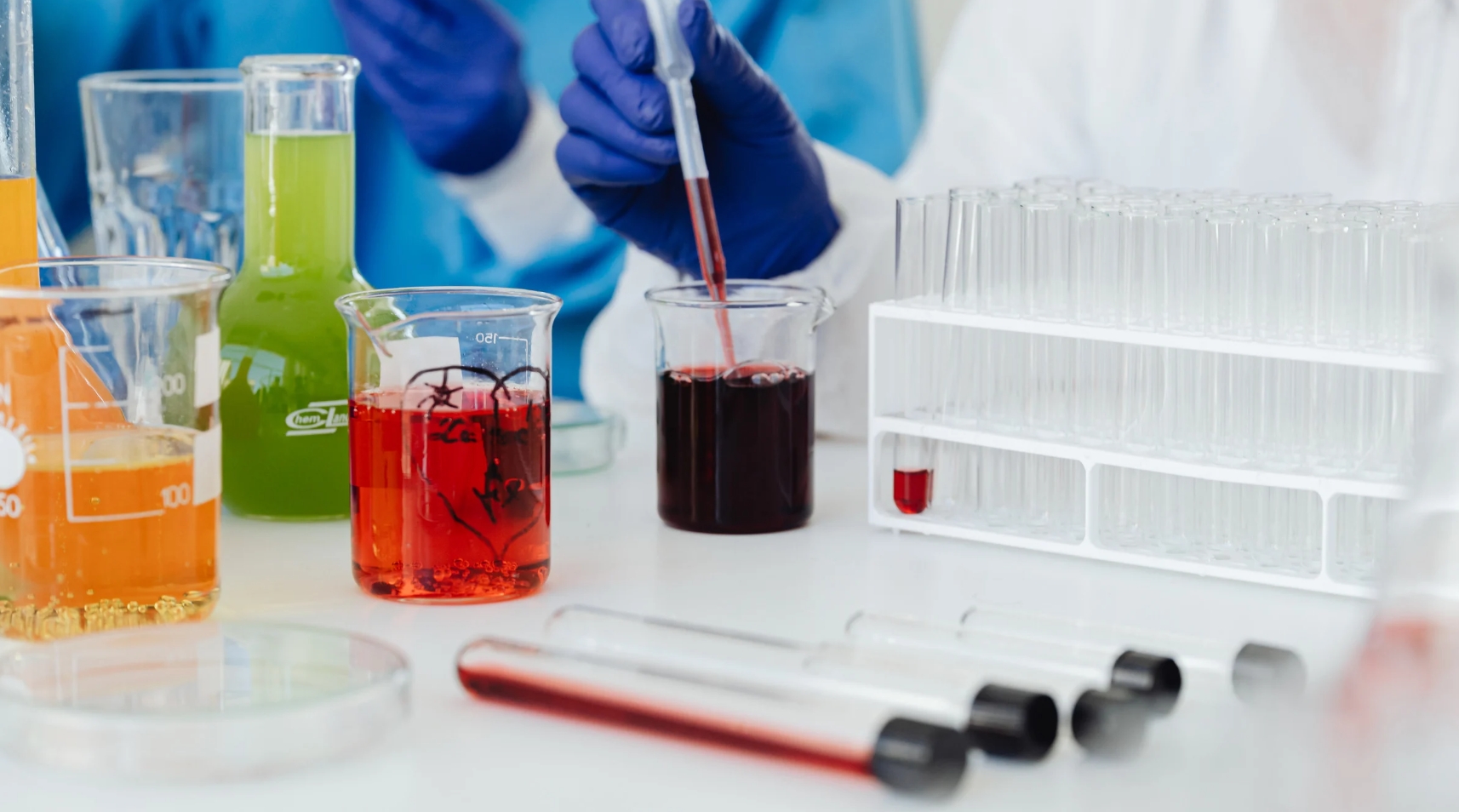
Biotech advances are paving the way for synthetic chlorotoxin production, slashing costs and eliminating the need for animal extraction. Labs are engineering these peptides recombinantly, promising wider availability for treatments.
For now, deathstalker venom reigns as the priciest liquid on Earth—not just for its rarity, but for its potential to combat “incurable” diseases. This desert dweller’s sting hurts 100 times more than a bee’s, yet it might save millions of lives. It’s a powerful reminder that nature’s deadliest creations often hide profound remedies.
In your health journey, this story encourages curiosity about unconventional therapies. Always consult professionals before exploring alternatives, and prioritize evidence-based care. Have you encountered innovative treatments? Share in the comments!
Sources: This rewrite draws from NIH studies, Cancer Research, Toxins journal, and expert insights on venom economics. Currency conversion based on approximate rates (1 EUR ≈ 1.1 USD). For personalized health advice, see a qualified provider.
Note: While fascinating, never handle scorpions or attempt venom extraction—leave it to experts!
