
Close Menu
    Follow us on Google News
    Follow Livewell Magazine on Google News
    Facebook X (Twitter) Instagram
    LiveWell Magazine
    Facebook
    Follow LiveWell Magazine on Google News
    • Cancer

      Healthy Dad’s Unexpected Cancer Diagnosis Revealed After Ignoring Nighttime Bathroom Trips: ‘A Heartbreaking Surprise’

      February 22, 2026

      BREAKING NEWS: Gene therapy for sickle cell disease: a medical breakthrough still out of reach for many

      December 29, 2025

      How Your Drinking Habits Could Significantly Increase Your Cancer Risk

      December 28, 2025

      Could the time of day you get cancer treatment affect survival? What a new lung cancer study suggests

      December 25, 2025

      Can exercise lower cancer risk? what the science suggests (and what to do today)

      December 22, 2025
    • Fitness

      The best workouts for busy people

      March 3, 2026

      A Fitness Trainer’s Perspective: How My Approach Transformed from 40 to 60

      March 2, 2026

      Healthy Living: Dr. Angela Haskins Embraces Peloton Workouts for Fitness

      February 2, 2026

      The “protein first” trick: protect muscle and stay full during holiday meals

      January 11, 2026

      FDA eases rules on fitness wearables: great news for seniors staying active!

      January 7, 2026
    • Health

      Federal Judge Hits Pause on HHS Secretary Kennedy’s Vaccine Policy Overhaul

      March 18, 2026

      Medicare Advantage Shifts: Payments to Plans Increase as Enrollment Hits a New Record

      March 18, 2026

      The battle over “$0 premium” plans: What’s at stake for your healthcare?

      February 19, 2026

      Early cholesterol treatment in kids may prevent heart disease for life

      January 28, 2026

      Functional medicine: a personalized approach to healthcare

      January 27, 2026
    • Lifestyle

      Everyday Habits Dentists Say Are Secretly Damaging Your Teeth

      March 16, 2026

      Essential Evening Habits to Improve Your Blood Sugar Levels, According to Experts

      March 15, 2026

      Unlocking the Psychology of the ‘Fresh Start Effect’: Why Spring Sparks the Ultimate Time for Renewal

      March 14, 2026

      Evening Habits to Embrace After 5 P.M. for Promoting Healthy Aging, According to Experts

      March 14, 2026

      The Top Habit to Quit for Lowering Your Dementia Risk, Experts Reveal

      March 13, 2026
    • Nutrition

      Protein-Packed Mediterranean Dinners to Boost Your Heart Health

      March 20, 2026

      Remarkable Health Benefits of Prunes That Transform Them into a Nutritional Powerhouse

      March 6, 2026

      Top 4 Vegetables to Boost Liver Health, Recommended by Registered Dietitians

      February 27, 2026

      Major Updates to Oklahoma SNAP Benefits as Healthy Food Waiver Takes Effect

      February 16, 2026

      Nutrition and health: the importance of a balanced diet for optimal well-being

      January 30, 2026
    • Senior

      Wound Care Revolution: How a New Medicare Payment System Aims to Cut Waste in Senior Care

      March 19, 2026

      The $2,000 Cap is Here: How the New Annual Out-of-Pocket Drug Limit Saves Seniors Thousands

      March 17, 2026

      Why Conventional Health Tips Might Shift After Turning 50

      March 15, 2026

      The Unexpected Superfood to Boost Your Health as You Get Older, Reveals New Research

      March 1, 2026

      TrumpRx.gov Launched: How Seniors Can Access 80% Discounts on Prescription Drugs Starting This Month

      February 26, 2026
    • Trends

      Transparency at HHS: How the New “Radical Transparency” Initiative Aims to Expose Big Pharma Conflicts

      March 13, 2026

      How Wearable Technology Could Spark a Revolution in Healthier Living

      February 5, 2026

      Early cholesterol treatment in kids may prevent heart disease for life

      January 28, 2026

      Wearable health devices: the future of personalized medicine?

      January 27, 2026

      AI in healthcare: ethical considerations and promising applications

      January 26, 2026
    • Wellness

      Stephen A. Smith Blasts Pelicans: ‘Y’all Have Been Trash’ After Critiquing Zion Williamson

      March 19, 2026

      Simple and Effective Health Hacks for Busy Lives

      February 28, 2026

      Longevity Expert Reveals His Daily Wellness Rituals: How He Intentionally Applies Cutting-Edge Research to His Life

      February 8, 2026

      Comprehensive Meta-Analysis Reveals Diverse Strategies to Enhance Subjective Well-Being

      February 1, 2026

      Nutrition and health: the importance of a balanced diet for optimal well-being

      January 30, 2026
    Subscribe
    LiveWell Magazine
    Home»Cancer»Beyond chemo: how mRNA tech is reshaping cancer vaccines
    Cancer

    Beyond chemo: how mRNA tech is reshaping cancer vaccines

    Frank JostBy Frank Jost1 Comment
    Facebook Twitter Email WhatsApp Pinterest LinkedIn Reddit Telegram Threads
    Share
    Facebook Twitter LinkedIn Email Reddit Telegram WhatsApp Threads

    For decades, chemotherapy has been the cornerstone of cancer treatment. While it has saved countless lives, it often comes with harsh side effects and limited specificity. Today, a new era in oncology is emerging—powered not by toxic chemicals, but by cutting-edge genetic instructions. At the center of this revolution is messenger RNA, or mRNA, technology, originally spotlighted during the COVID-19 pandemic. Now, it’s being engineered to do something unprecedented: train the body’s immune system to target and destroy cancer cells.

    This isn’t science fiction—it’s the focus of dozens of clinical trials, promising breakthroughs, and a major shift in how we think about cancer therapy. Here’s how mRNA is beginning to reshape the future of cancer vaccines.

    How mRNA vaccines work in simple terms

    Messenger RNA is a molecule that tells cells what proteins to make. In vaccine technology, scientists create synthetic mRNA that teaches the body’s cells to produce a protein found in a virus—or in this case, in cancer cells. Once the immune system sees that protein, it learns to recognize it as a threat and mounts a defense.

    Think of it as handing your immune system a “most-wanted” poster of a specific criminal. The immune cells then patrol the body, on high alert, prepared to attack any cells displaying that protein signature.

    From COVID to cancer: A powerful leap
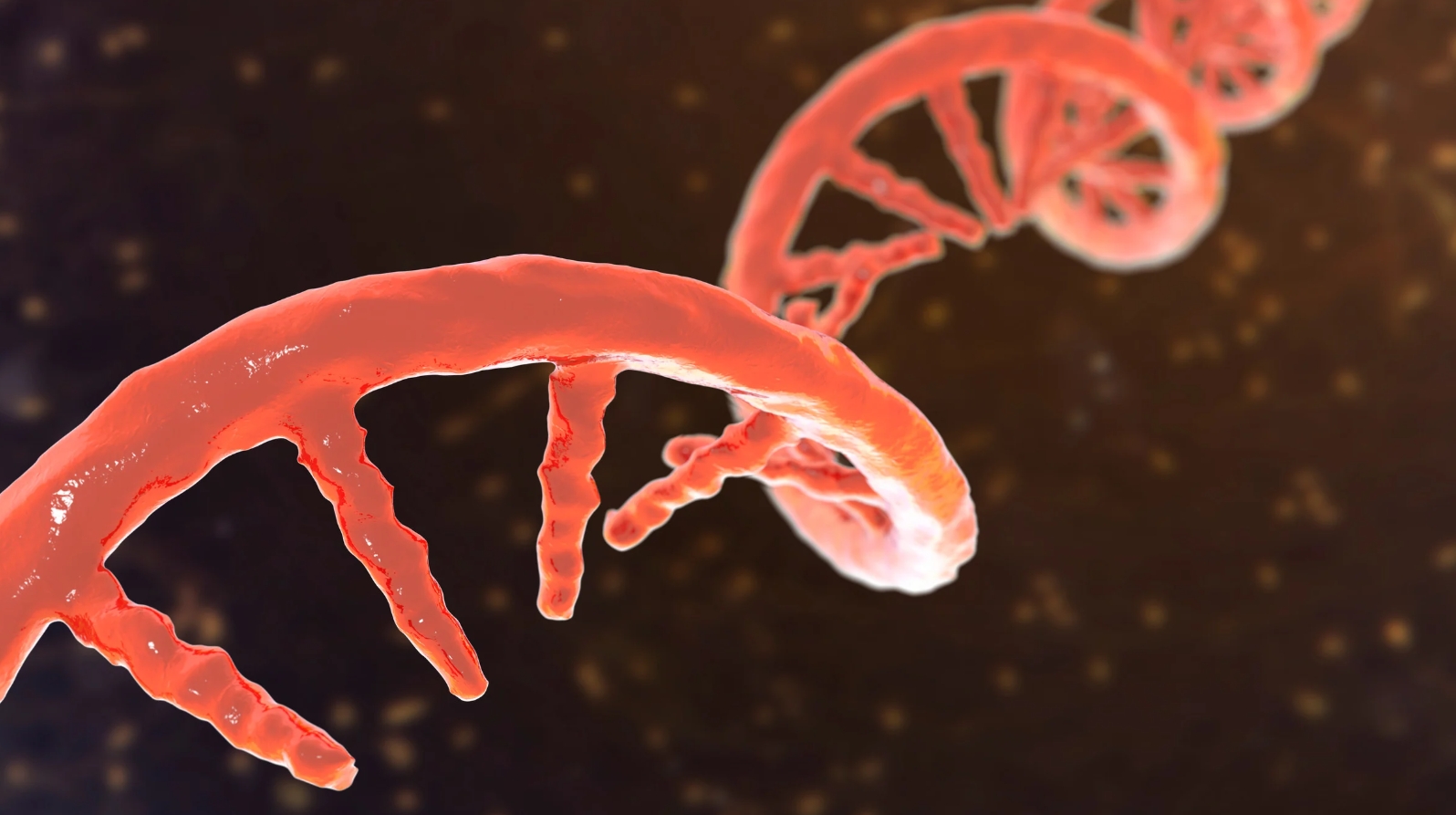
    The rapid development of COVID-19 mRNA vaccines by companies like BioNTech and Moderna proved that this platform is safe, adaptable, and scalable. The scientific community quickly saw its potential for a much more complex enemy: cancer. Unlike viruses, cancer cells are part of the body and can mutate frequently, making them harder to detect and destroy. But mRNA’s flexibility allows scientists to tailor vaccines to the specific mutations found in a person’s tumor.

    Related Article :  The unexpected benefits of prioritizing cancer daily

    These aren’t one-size-fits-all vaccines—they are personalized to each patient, built using data from their own cancer cells, often within weeks.

    Inside the lab: How mRNA cancer vaccines are made

    The process starts with a biopsy. Scientists analyze the tumor’s genetic makeup to identify antigens—unique proteins produced by cancer cells but not by healthy tissue. They then design mRNA instructions that encode those antigens, so the immune system can recognize and attack only the cells displaying them.

    This precision reduces the risk of damaging healthy tissue, a major concern with conventional treatments like chemotherapy or radiation. Some trials even combine mRNA vaccines with immune checkpoint inhibitors to boost the body’s natural cancer-fighting response.

    Breakthroughs and clinical progress

    Several trials are now in advanced phases. Moderna and Merck are testing an mRNA vaccine for melanoma that, when paired with immunotherapy, has shown promise in reducing cancer recurrence. BioNTech is working on similar vaccines for pancreatic, lung, and colorectal cancers.

    Early results are encouraging. In some studies, patients who received mRNA cancer vaccines showed stronger immune responses, fewer side effects, and better outcomes compared to traditional therapies. The technology is still in its infancy, but it’s progressing fast.

    How mRNA compares to traditional cancer treatments

    Chemotherapy attacks rapidly dividing cells, which includes both cancer cells and many healthy cells, leading to side effects like hair loss, nausea, and immune suppression. Radiation is more targeted but still damages nearby healthy tissues.

    In contrast, mRNA vaccines aim to activate the body’s own immune cells to seek and destroy cancer cells with minimal collateral damage. It’s a smarter, more strategic way to fight cancer—one that uses biology rather than brute force.

    Related Article :  The 50–64 bridge: navigating cancer risk before Medicare

    Challenges and unknowns

    Despite the excitement, challenges remain. Personalizing vaccines for each patient is time-intensive and costly. Immune responses can vary widely, and not all tumors produce clear targets for vaccines. There are also regulatory hurdles and the need for rapid manufacturing infrastructure.

    Additionally, long-term effects are still being studied. It’s one thing to treat a virus like COVID-19; it’s another to tackle a disease as complex and cunning as cancer.

    The future is personal, targeted, and hopeful

    As a doctor, molecular researcher, and oncologist, I believe mRNA cancer vaccines represent one of the most promising frontiers in modern medicine. And as a health journalist, I know how important it is to communicate this breakthrough clearly and responsibly.

    We are entering a time when cancer treatment may become more personalized, less toxic, and more effective. mRNA won’t replace chemotherapy overnight—but in the near future, it may stand alongside it as a more refined, immune-driven approach to healing. The war on cancer is far from over, but thanks to mRNA, we now have powerful new tools in our arsenal.

    Follow on Google News
    Share. Facebook Twitter LinkedIn Email WhatsApp Reddit Telegram Threads Copy Link
    Previous ArticleHealthy doesn’t mean boring: 7 indulgent recipes that are actually good for you
    Next Article Why hydration is more than just drinking water
    Avatar photo
    Frank Jost

    Frank is a seasoned media consultant for LiveWell Magazine, with over two decades of experience in the digital media landscape. His expertise spans online publishing, audience engagement strategies, and health communication. A recognized expert in mutual health insurance, Frank brings a unique perspective that bridges the gap between public health awareness and digital storytelling. He is passionate about making reliable health information accessible to all, and continues to help readers navigate the complexities of wellness and insurance in the digital age. https://www.linkedin.com/in/frank-jost-2097104/

    Continue reading

    Transparency at HHS: How the New “Radical Transparency” Initiative Aims to Expose Big Pharma Conflicts

    By Frank Jost

    Healthy Dad’s Unexpected Cancer Diagnosis Revealed After Ignoring Nighttime Bathroom Trips: ‘A Heartbreaking Surprise’

    By FRANK JOST

    How Wearable Technology Could Spark a Revolution in Healthier Living

    By FRANK JOST

    Early cholesterol treatment in kids may prevent heart disease for life

    By FRANK JOST

    Wearable health devices: the future of personalized medicine?

    By Amelie Goujon

    AI in healthcare: ethical considerations and promising applications

    By Amelie Goujon

    Plant-based diets: the health trend taking the nation by storm

    By Amelie Goujon

    When vaccine recommendations change: what it means for hepatitis A, flu, meningitis & rotavirus

    By FRANK JOST

    CES 2026: Withings unveils an anti-aging smart scale focused on heart health

    By FRANK JOST

    Alzheimer’s disease: a potential breakthrough hidden in what many once dismissed

    By FRANK JOST

    BREAKING NEWS: Gene therapy for sickle cell disease: a medical breakthrough still out of reach for many

    By FRANK JOST

    Medicare opens a new path to weight-loss drugs: what seniors need to know about the $50 glp-1 plan

    By FRANK JOST
    View 1 Comment

    1 Comment

    1. Pingback: Sunshine Won't Shield You: The Myth of Sunlight vs. COVID-19

    Leave A Reply Cancel Reply

    Subscribe to Our Newsletter

    Join the Live Well Magazine Newsletter and get exclusive tips on health, wellness, lifestyle, and personal growth — straight to your inbox.

    Trending
    Nutrition

    Protein-Packed Mediterranean Dinners to Boost Your Heart Health

    Women’s Health

    How a Simple Afternoon Routine Could Transform Health for Women Over 50

    Trending

    Shirtless Robert F. Kennedy Jr. Devours a Twinkie in Viral Wrestling Showdown — and It’s Epic!

    Senior

    Wound Care Revolution: How a New Medicare Payment System Aims to Cut Waste in Senior Care

    Women’s Health

    The Overlooked Early Heart Attack Warning Signs That Women Often Mistake for Stress

    Health Resources

    Federal Judge Hits Pause on HHS Secretary Kennedy’s Vaccine Policy Overhaul

    Facebook
    • About us
    • Contact us
    • Contributors
    • Legal
    • Privacy
    © 2026 livewellmagazine.org.

    Type above and press Enter to search. Press Esc to cancel.