


Starting college introduces a vast array of new opportunities and responsibilities, with nutrition often taking a back seat amid demanding schedules and newfound independence. However, adopting effective nutritional habits early on can significantly impact energy levels, academic performance, and long-term health. From mastering balanced breakfasts to smart snacking choices, maintaining hydration, and prioritizing rest, college students have a unique chance to establish routines that will fuel their academic journey and beyond. This article breaks down essential nutrition advice tailored for new college students, guiding them through practical strategies and evidence-based tips to optimize their well-being in this transformative phase of life.
- Breakfast Strategies for Optimal Cognitive Function and Energy
- Incorporating Physical Activity to Complement Nutrition
- Smart Snacking Choices: Balancing Convenience and Health
- Hydration Habits: Enhancing Focus and Metabolism
- Sleep’s Role in Nutrition and Academic Success
- Frequently Asked Questions on College Nutrition
Breakfast Strategies for Optimal Cognitive Function and Energy
Breaking fast each morning is often described as a cornerstone of maintaining both physical and mental well-being, especially for new college students acclimating to rigorous routines. A well-structured breakfast comprising fiber-rich carbohydrates, lean proteins, and healthy fats supports memory improvement, sustained energy, and weight management, all crucial during demanding academic days.
Implementing easy breakfast ideas adaptable to dormitory living or shared kitchens can simplify healthy eating. Organic food such as oatmeal complemented with fresh berries and a dollop of yogurt (brands like Oikos or Stonyfield Organic offer convenient, nutritious options), or a high-protein wrap with eggs provide a quick, balanced start to the day.
Choosing Nutrient-Dense Breakfast Options on Campus and Beyond
- Oatmeal with nuts and fruit: Offers a rich source of fiber and antioxidants while aiding digestion.
- Greek yogurt parfaits: Combining protein from Chobani yogurt with fresh fruit boosts satiety and energy.
- Eggs and whole-grain toast: Provides essential amino acids and complex carbs necessary for brain function.
- High-protein breakfast wraps: Combining elements such as eggs, vegetables, and a whole wheat tortilla offers portability and nutrition.
- Snack bars like those from Nature Valley or KIND Snacks: While convenient, opt for those with minimal added sugars and natural ingredients.
Many campuses now feature breakfast bars and dining halls that serve these nutritious meals, making it easier for students to access healthy options. Learning and practicing these breakfast habits before the semester starts allows students to make smarter, faster food decisions on campus, which can positively influence their focus and academic performance. According to St. John’s University’s report on healthy nutrition habits in college students, those who consistently eat balanced breakfasts report better concentration and stamina throughout the day (source).
| Breakfast Item | Key Nutritional Benefits | Preparation Tips | Campus Availability |
|---|---|---|---|
| Oatmeal with berries | High fiber, antioxidants, sustained energy | Microwavable packets, add fresh fruit or nuts | Most dining halls offer oatmeal options |
| Greek yogurt parfait | Protein, probiotics, calcium | Combine yogurt with granola and fresh fruit | Available at cafés and breakfast bars |
| Egg and veggie wrap | Lean protein, vitamins, minerals | Cook eggs ahead and store, assemble quickly | Breakfast stations or grab-and-go outlets |
| KIND Snacks or Nature Valley bars | Healthy fats, fiber, natural sweeteners | Check sugar content, consume in moderation | Vending machines, convenient stores |
For further guidance on nutrition basics for college students, resources such as the University of Colorado’s “Nutrition 101: Tips and Resources for Students” provide actionable advice and detailed planning support (learn more).

Incorporating Physical Activity to Complement Nutrition
Nutrition and physical activity function as pillars of a healthy college lifestyle. While nutritional choices fuel the body, movement enhances metabolic function, stamina, and mental clarity. As students transition from the flexibility of summer to the structure of academic life, integrating at least 30 minutes of daily exercise—whether through walking, cycling, or home workouts—can dramatically offset prolonged sedentary behavior common in college.
Benefits of Modest Exercise Regimens for College Students
- Stress reduction: Exercise triggers endorphin release, alleviating academic stress and anxiety.
- Muscle preservation: Maintaining lean muscle mass supports metabolism and functional strength.
- Immune system support: Regular activity bolsters immunity, reducing sick days crucial for uninterrupted studies.
- Enhanced concentration: Movement enhances blood flow to the brain, sharpening focus during lectures and study sessions.
- Improved sleep quality: Physical activity promotes deeper, more restorative sleep cycles.
In 2025, colleges are increasingly offering fitness programs and clubs to help integrate physical activity into student life. From intramural sports to group fitness classes led by certified instructors (like NASM-certified trainers), students have diverse opportunities to stay active in enjoyable ways.
For students exploring nutrition and exercise synergy, the expertise of campus dietitians like Simone Gmuca at St. John’s University can provide tailored advice. Simone’s background in sports nutrition and weight management exemplifies the value of combining proper nutrition with physical fitness (source).
| Type of Activity | Duration Recommended | Benefits | Example |
|---|---|---|---|
| Walking or biking | 30 minutes daily | Cardiovascular health, stress relief | Commute to campus by bike |
| Bodyweight exercises | 15-30 minutes | Strength building, stamina | Push-ups, squats in dorm room |
| Group fitness classes | 45-60 minutes | Social connection, motivation | Yoga, HIIT, Zumba sessions |
| Sports activities | Variable | Coordination, teamwork | Intramural soccer, basketball |
In parallel to physical activity, dietary habits influenced by brands like RXBAR and Quest Nutrition sport energy bars can augment workout recovery and endurance. Opting for such nutritionally dense snack options supports muscle repair and sustains energy without unnecessary additives.
Smart Snacking Choices: Balancing Convenience and Health
College life invites frequent snacking due to tightly-packed schedules, early classes, study sessions, and social activities. Effective snacking isn’t about avoidance but making strategic choices that support sustained energy and mental focus.
Many popular snack items—including chips, candy, and sugary baked goods—are highly processed and laden with added sugars and artificial components, leading to energy crashes and potential weight gain. Instead, selecting snacks rich in fiber and protein acts as mini-meals, providing stable blood sugar levels and prolonged satiety.
Healthy Snack Recommendations for Busy Students
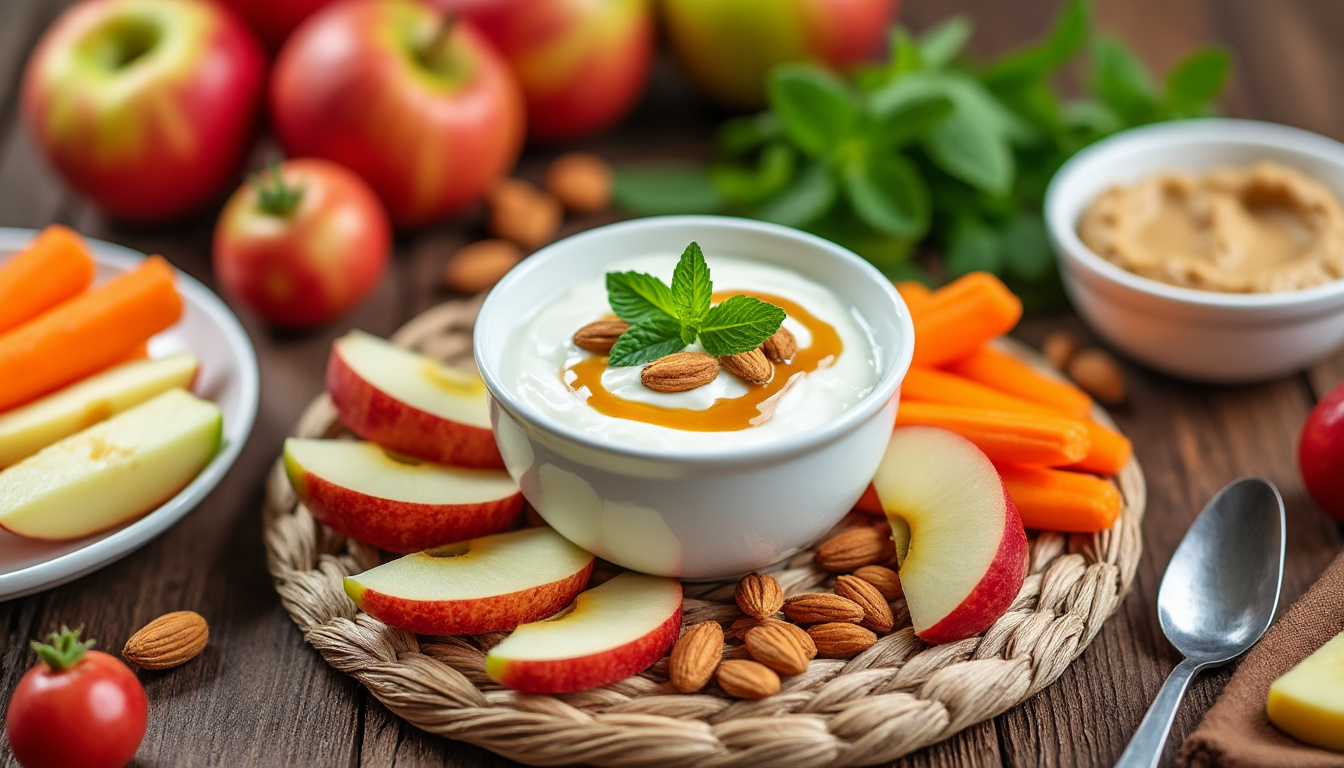
- Apple slices with nut butter: Combining fiber and heart-healthy fats supports brain function. Brands like Blue Diamond Almonds provide nutritious almond butter options.
- Baby carrots with hummus: Offers fiber and plant-based protein, promoting digestive health.
- Greek yogurt with berries: Utilizes probiotic benefits for gut health; Chobani and Stonyfield Organic yogurts are excellent choices.
- No-bake energy bites: Homemade snacks containing oats, nuts, and natural sweeteners enhance energy without processed sugars.
- Protein-packed fruit smoothies: Incorporate whey or plant-based protein powders to balance carbs and proteins.
Reading ingredient labels with attention to hidden sugars and additives sharpens snack choices. Nutritional guides highlight that many “healthy” packaging claims mask high sugar content, underscoring the importance of transparency. Engaging with resources such as Live Well Magazine’s articles on hidden sugars and healthy snacks consumed by nutritionists offers valuable insights (read more).
| Snack Item | Main Nutritional Highlights | Ideal Time to Eat | Source or Brand Recommendations |
|---|---|---|---|
| Apple slices with almond butter | Fiber, healthy fats, protein | Mid-morning or mid-afternoon | Blue Diamond Almonds nut butter |
| Baby carrots with hummus | Vitamin A, fiber, protein | Afternoon snack | Fresh packaged brands or homemade hummus |
| Greek yogurt with berries | Probiotics, protein, antioxidants | Anytime snack | Chobani, Oikos, Stonyfield Organic |
| No-bake energy bites | Complex carbs, protein, healthy fats | Pre-study or post-workout | Homemade or recipes online |
| Protein fruit smoothie | Protein, simple carbs, hydration | Post-workout or breakfast | Quest Nutrition protein powders recommended |
Hydration Habits: Enhancing Focus and Metabolism
Water consumption profoundly influences cognitive function, energy levels, and metabolic efficiency. In busy academic environments, dehydration often goes unnoticed, manifesting as fatigue or lack of concentration. Establishing consistent hydration habits ensures that students maintain optimal mental alertness and overall health.
Strategies for Improving Hydration in College Life
- Prioritize water over sugary beverages: Minimizing sodas, artificially flavored electrolyte drinks, and sweetened juices reduces unnecessary calorie intake and supports long-term health.
- Infuse water with natural flavors: Adding ingredients such as lemon, cucumber, or berries makes hydration more enticing without adding sugars.
- Use reusable bottles with volume markers: Helps track water consumption throughout the day.
- Set reminders to drink water: Phone alerts can prevent inadvertent dehydration during study marathons.
- Choose hydrating foods: Fruits and vegetables like watermelon, cucumber, and oranges contribute to fluid intake.
Popular infused water recipes to try include:
- Lemon Blueberry Water
- Strawberry Kiwi Water
- Cucumber Mint Water
| Hydration Strategy | Benefits | Practical Tips | Additional Resources |
|---|---|---|---|
| Replace sugary drinks with water | Reduces sugar intake, lowers risk of chronic disease | Swap sodas with water at meals | Learn about hidden sugars |
| Infused waters | Enhances flavor, encourages hydration | Add fresh fruit and herbs to water pitcher | Find recipes online or campus events |
| Reusable water bottles | Environmental benefits, tracks intake | Choose bottles with measurement indicators | Available at campus stores |
| Hydrating foods | Supports hydration and nutrition simultaneously | Include fruits and veggies in meals and snacks | Nutrition and wellness tips |
In-depth guidance on hydration’s role in academic performance can be found at the University of Utah’s wellness blog and other nutrition-focused educational platforms (explore more).
Sleep’s Role in Nutrition and Academic Success
Quality sleep profoundly influences the effectiveness of nutrition and overall health, serving as a vital component in a student’s academic and personal life. Sleep facilitates the body’s recovery, hormonal regulation, and cognitive consolidation, which collectively impact appetite control and food choices.
How Sleep Deprivation Undermines Nutrition
- Increased cravings: Sleep loss elevates ghrelin, a hunger hormone, leading to higher caloric intake, often from less nutritious foods.
- Reduced insulin sensitivity: Poor sleep impairs glucose metabolism, raising risks for weight gain and metabolic disorders.
- Energy fluctuations: Tired students may opt for quick energy solutions like sugary beverages and snacks, exacerbating energy crashes.
- Impaired judgment: Fatigue weakens decision-making, making healthy eating less likely.
Sustaining at least eight hours of sleep per night establishes a foundation for balanced energy levels and nourished body function. Additionally, integrating calming pre-sleep rituals—such as turning off screens early or engaging in light stretches—can improve sleep onset quality.
| Sleep Habit | Impact on Nutrition & Cognition | Actionable Advice | Further Reading |
|---|---|---|---|
| Regular sleep schedule | Stabilizes hunger hormones, improves memory | Set consistent bed and wake times | Recovery strategies after sleep loss |
| Reducing screen time before bed | Improves melatonin production, sleep quality | Limit electronic use 1 hour before sleep | See campus wellness programs for techniques |
| Incorporating mindfulness or meditation | Reduces stress, enhances sleep depth | Practice 10 minutes of guided meditation | Habits to improve cognitive function |
| Early dinner and avoiding heavy meals late | Prevents digestive discomfort, aids sleep | Finish eating 2-3 hours before bedtime | Refer to nutrition and meal timing guides |
Practical sleep and nutrition advice is fundamental to student life, with personalized assistance often offered by campus dietitians and health services. Initiatives described for St. John’s University highlight the importance of integrating sleep hygiene in nutritional counseling (additional details).

Frequently Asked Questions About Nutrition for New College Students
- Q: How can I maintain a balanced diet with a tight college budget?
A: Focus on affordable staples like oats, beans, frozen vegetables, and buy bulk items such as Blue Diamond Almonds or whole-grain products. Meal prepping reduces waste and lowers costs. Supplements like Quest Nutrition protein bars can be cost-effective snacks. - Q: What are quick, nutritious snack options I can find on most campuses?
A: Look for snacks like RXBAR, KIND Snacks, or fresh fruit paired with nut butters. Greek yogurts like Chobani are widely available and nutritionally dense. - Q: How important is hydration for academic success?
A: Hydration is critical. Proper water intake improves memory, focus, and metabolism. Avoid sugary drinks and consider infusing water with fruits and herbs for palatability. - Q: Can poor sleep affect my nutrition?
A: Absolutely. Sleep deprivation alters hunger hormones and can lead to poor eating habits, making balanced sleep a priority. - Q: How do I handle food allergies in a college setting?
A: Communicate with campus dining services and dietitians. Resources like those provided at St. John’s University can help tailor meals safely. Contact experts such as Simone Gmuca at [email protected] for personalized advice.
