


Organic food is everywhere—from the local farmer’s market to the fluorescent aisles of your nearest supermarket. For many, buying organic is almost synonymous with “eating clean,” and the labels promising pesticide-free, hormone-free, and eco-friendly options can feel like a shortcut to health. But is that higher price tag really worth it? Does organic automatically mean better for you and the planet? Let’s break down the facts and the fiction so you can make informed, balanced choices—without the guilt or confusion.
What does “organic” actually mean?
In the United States, the term “organic” is regulated by the USDA. To be certified organic, crops must be grown without synthetic pesticides, fertilizers, or genetically modified organisms (GMOs), and livestock must be raised without antibiotics or growth hormones, with access to outdoor grazing.
But organic doesn’t mean “chemical-free.” Organic farms can still use natural pesticides and treatments. And not all natural methods are safer or more effective than their conventional counterparts. So while the label does imply a more environmentally conscious approach, it’s not a guarantee of purity or superiority.
The benefits of eating organic

Fewer synthetic pesticide residues: Studies show that organic produce tends to contain lower levels of pesticide residues. While conventional produce still falls within regulated safety levels, some consumers feel more comfortable minimizing their exposure whenever possible.
Better animal welfare: Organic standards require more humane treatment of livestock, including access to pasture and less crowded living conditions. For ethically minded eaters, this can be a strong incentive.
Environmental impact: Organic farming practices aim to protect soil quality, reduce water pollution, and promote biodiversity. If sustainability matters to you, organic may be a better ecological choice.
Perceived freshness and taste: Some people report that organic fruits and vegetables taste better or have a richer texture. This can be due to factors like smaller-scale farming or shorter supply chains, though this is subjective.
The downsides (and myths) of organic food
Price: Organic foods often cost 10% to 50% more than their conventional counterparts. For families on a tight budget, this price difference can be a real barrier. And in many cases, the health benefit doesn’t necessarily match the cost increase.
Nutrition is nearly identical: Contrary to popular belief, research shows that organic foods are not significantly more nutritious. A comprehensive meta-analysis published in the Annals of Internal Medicine concluded that there’s little difference in vitamin or mineral content between organic and non-organic produce.
False health halo: A product labeled “organic” isn’t automatically healthy. You can find organic cookies, chips, and sodas. Organic junk food is still junk food, and those labels can give a misleading sense of healthiness.
Organic vs. conventional: What really matters?
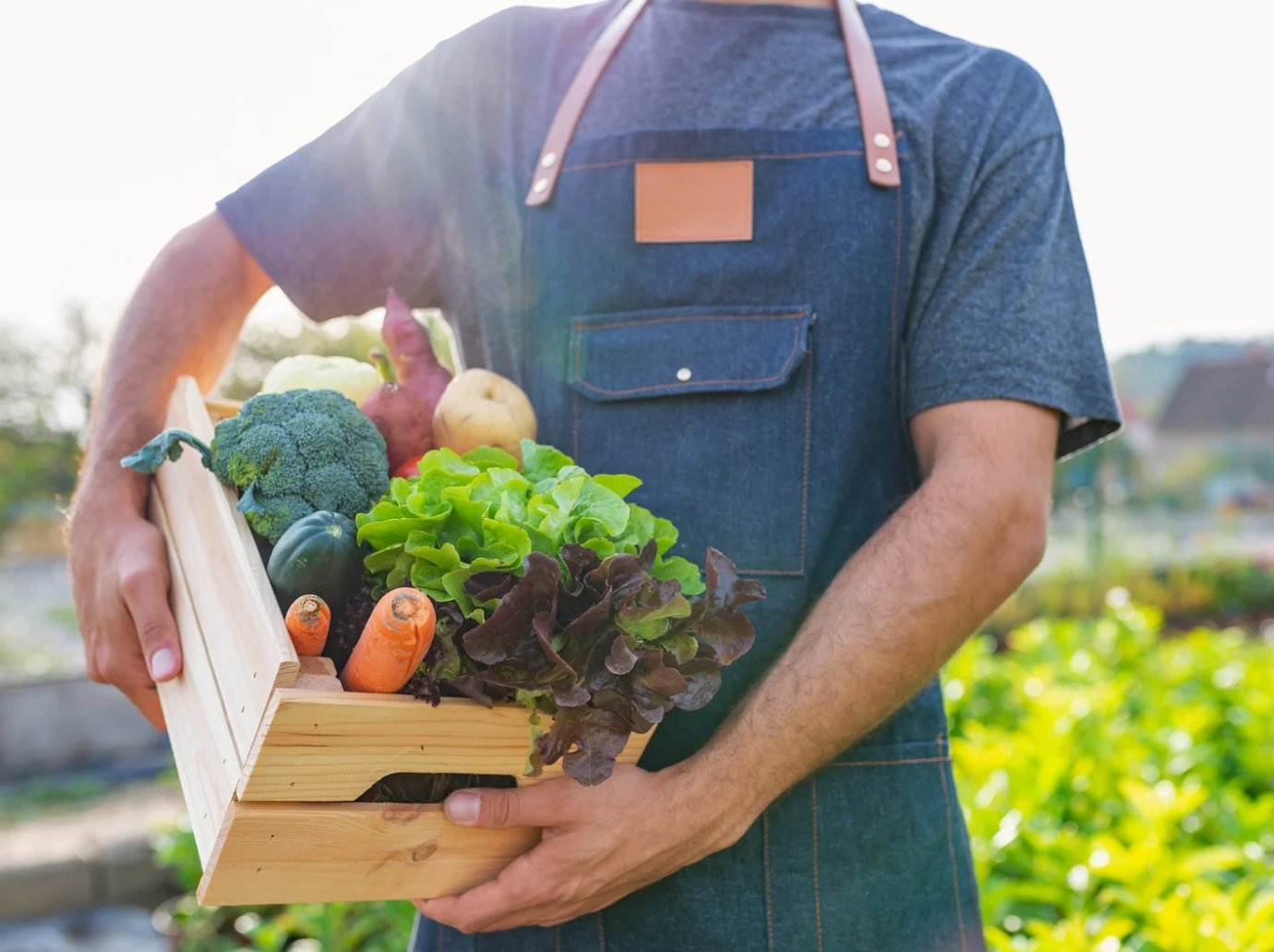
If you want to prioritize where you spend your grocery dollars, focus on the foods that matter most. The Environmental Working Group’s “Dirty Dozen” and “Clean Fifteen” lists highlight which fruits and vegetables tend to carry more pesticide residues. Buying organic versions of items like strawberries, spinach, and apples may make more sense than splurging on organic bananas or avocados, which have thick skins and minimal exposure.
For animal products, choose organic or pasture-raised options when possible—especially for dairy, eggs, and meat—since these categories may carry more concerns around hormones and antibiotics.
How to eat clean on any budget
You don’t need to go all-organic to eat clean and feel great. Here are practical ways to keep nutrition high and costs manageable:
- Prioritize whole foods—vegetables, fruits, grains, legumes—whether organic or not
- Buy in season to get fresher, cheaper produce
- Shop local or at farmers’ markets, where prices can be lower and labels less necessary
- Wash fruits and vegetables thoroughly to remove surface pesticides and dirt
- Don’t get distracted by packaging—organic chips are still chips
The cleanest diet is often the simplest: minimally processed, colorful, and balanced.
“Organic” can be a helpful signpost—but it’s not the only path to better health. Eating well is about patterns, not perfection. Whether or not you choose organic, aim for a diet rich in whole foods, with less sugar and more plants. If you do opt for organic, do it consciously—not because the label told you it’s the only “clean” way to eat.
In the end, a label is just that—a label. Your health comes from what you eat consistently, not how it’s branded.
