

The Surprising Role of Peanut Butter as a Superfood in Healthy Aging
As aging progresses, maintaining optimal health and wellness becomes increasingly critical, especially in preserving muscle strength and reducing fall risk. Recent research emerging from Melbourne, Australia, positions a common pantry staple—peanut butter—as a remarkable superfood that may support these goals. Unlike more complicated dietary interventions or rigorous exercise regimens, this study highlights how a simple and accessible addition to the diet could have meaningful effects on nutrition and muscle power in older adults.
The study involved 108 community-dwelling adults aged 65 and older, all considered at heightened risk for falls due to natural age-related declines in muscle mass and strength. Participants were randomly divided into two groups: the first added roughly 43 grams (about 1.5 servings) of peanut butter daily for six months, while the second group maintained their regular eating habits and avoided nuts. Remarkably, the peanut butter group showed significant improvements in lower-body power, as reflected in faster performance on the Five Times Sit to Stand (5STS) test and enhanced sit-to-stand muscle power.
These changes are meaningful because they directly influence critical physical functions such as rising from a chair or climbing stairs—activities essential for independent living. While walking speed remained unchanged, the boost in muscle power suggests that peanut butter provides targeted benefits for aging adults aiming to preserve mobility and reduce the risk of falls.
What makes peanut butter particularly compelling as a superfood is its rich content of plant-based protein, healthy fats, and calories, making it a nutrient-dense option to support the increased energy and muscle maintenance needs of older adults. Interestingly, despite an increase in total energy intake among participants, there was no associated weight gain, aligning with other research that nut consumption may enhance satiety and improve overall diet quality.
This aligns with the growing body of literature emphasizing the importance of nutrient-dense foods in healthy aging, underscoring that the concept of a “superfood” extends beyond exotic or rare ingredients to everyday staples that pack a powerful nutritional punch. Such research encourages a re-evaluation of how simple dietary choices can impact longevity, wellness, and sustained physical strength.
Nutrition and Muscle Power: The Science Behind Peanut Butter’s Health Benefits
Peanut butter stands out as a uniquely effective food for boosting muscle power due to its intricate composition of nutrients essential for health and aging.
Protein and Healthy Fats: Cornerstones of Muscle Maintenance
Protein is a fundamental building block for muscle development and repair. Older adults often struggle to consume adequate amounts of protein, which can accelerate muscle loss over time. Peanut butter delivers approximately 10 grams of protein per 43-gram serving, which, when incorporated daily, can complement other protein sources and support the preservation of muscle mass. Additionally, the monounsaturated and polyunsaturated fats present in peanut butter aid in reducing inflammation and supporting cardiovascular health, critical factors for holistic wellness during aging.
Calories and Satiety Without Weight Gain
One challenge for many aging adults is maintaining a healthy weight without losing muscle mass. The study findings showed that the added calories from peanut butter elevated total energy intake significantly but did not lead to weight gain. This suggests that peanut butter promotes satiety — the feeling of fullness — which can prevent overeating of less nutritious foods while providing energy-dense nutrition required for maintaining muscle function and vitality.
Impact on Physical Function Beyond Muscle Power
While the study did not find significant changes in gait speed or overall muscle mass, the improvement in lower-body power is pivotal. Lower-body strength is closely linked to balance, mobility, and independence. This nuanced benefit means that peanut butter might not be a one-stop solution for all aspects of aging but serves as an important part of a broader health-supportive diet.
Considering this, peanut butter complements other superfoods known for their antioxidant properties and anti-inflammatory effects. Diets rich in diverse plant-based foods, berries, and nuts are increasingly supported by research for their roles in longevity and disease prevention, as detailed in many recent scientific explorations on science-backed superfoods for longevity.
Integrating Peanut Butter Into a Balanced Diet for Lifelong Wellness
Incorporating peanut butter as a superfood requires mindful integration into an overall balanced diet. Older adults must focus not only on single foods but all-around nutritional strategies supporting strength, mobility, and cognitive function.
Daily Serving Suggestions and Practical Tips
- Moderate portion: Consuming about 1.5 servings (43 grams) daily provides enough protein and beneficial fats without excess calories.
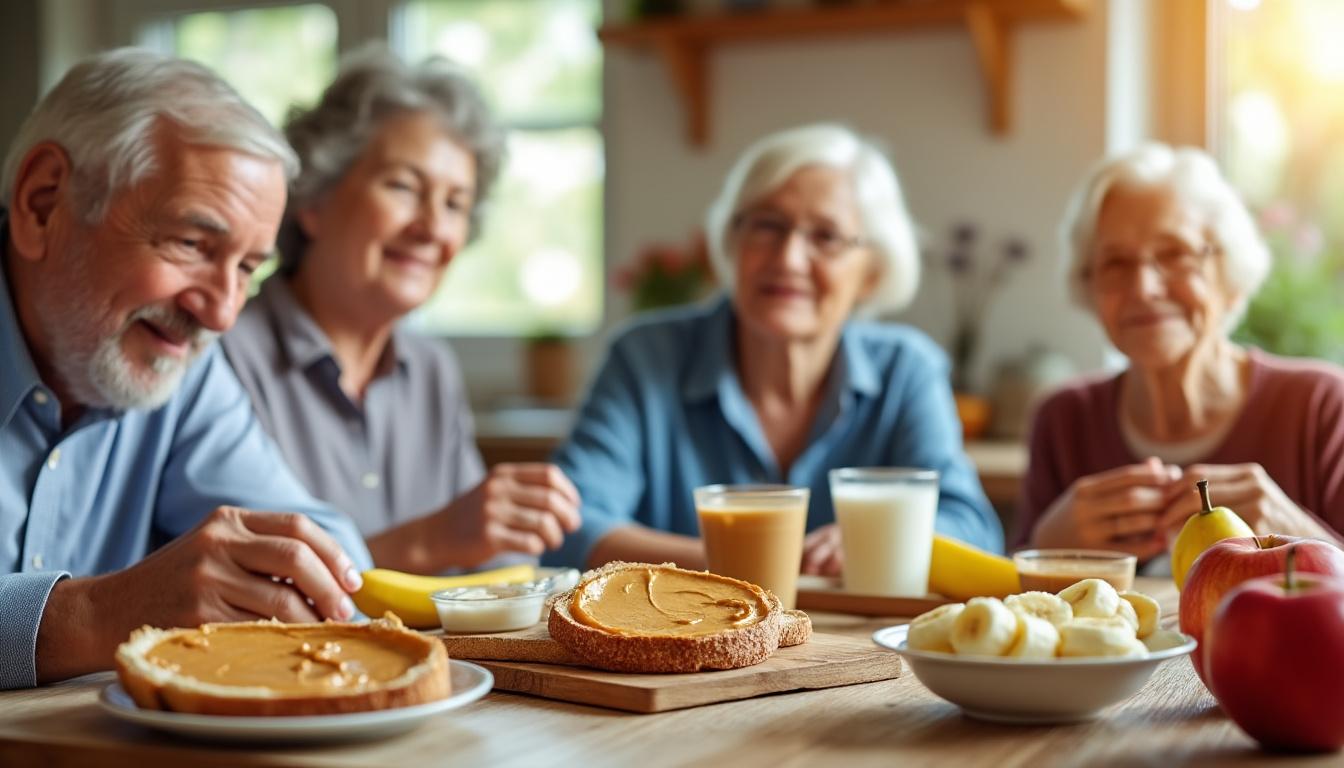
- Pair with fruits or vegetables: Combine peanut butter with apples, celery, or berries to add fiber, vitamins, and antioxidants that promote overall wellness.
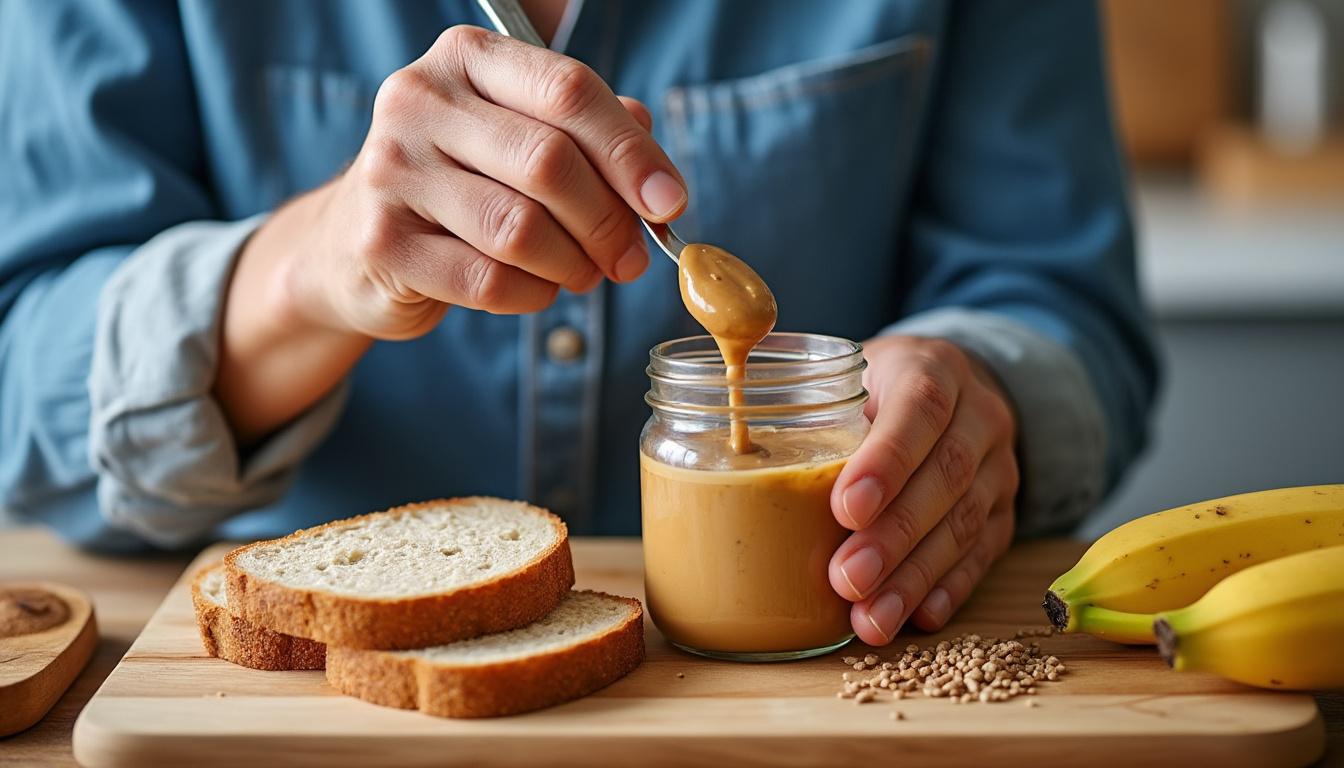
- Use as a meal supplement: Add peanut butter to smoothies, oatmeal, or toast for a balanced energy source supporting sustained physical activity.
- Check for allergies and quality: Choose natural or organic peanut butters low in added sugars and oils for maximum nutritional benefit.
Maintaining Muscle Power Through Complementary Lifestyle Habits
Peanut butter alone isn’t a substitute for other proven interventions. Combining its nutritional support with regular strength exercise enhances muscle maintenance and reduces fall risk — a major cause of morbidity among older adults. Maintaining a superfood-rich diet for seniors that includes varied proteins, antioxidants, and anti-inflammatory nutrients aids in promoting longevity while improving quality of life.
Moreover, mental wellness factors such as cognitive engagement, stress management, and social connectivity remain essential pillars to supplement any nutritional strategy aiming at healthy aging.
Recent Research Insights on Superfoods and Longevity for Older Adults
Contemporary scientific studies are continuously expanding our understanding of how food choices influence health span and quality of life. A wealth of data now supports the age-old adage that “food is medicine,” emphasizing that specific superfoods offer benefits far beyond basic sustenance.
Berries, Tea, and Plant-Based Diets
Younger and older individuals alike benefit from antioxidants and flavonoids found in berries, citrus fruits, and black tea, which may reduce frailty and support cognitive and physical function. Longitudinal studies illustrate that consuming three or more servings of these foods daily correlates with a slower decline in physical function and improved mental health. This research complements findings on peanut butter by reinforcing the importance of a diversified diet rich in antioxidants.
Understanding Nut Consumption in Disease Prevention
Growing evidence suggests that regular nut consumption may lower the risk of chronic illnesses such as heart disease, diabetes, and even Alzheimer’s disease, as noted in investigative studies on brain health and aging. This strengthens the rationale for including peanut butter and other nuts as part of a longevity-enhancing diet, with benefits beyond muscle strength alone.
The Role of Nutrition in Supporting Active Aging
Leadership in wellness for older adults continues to emphasize a holistic approach, where science-backed superfoods, regular physical activity, and mental health care intersect. Such integration promotes vitality, autonomy, and resilience throughout later years, expanding the narrative of aging from decline to empowerment.
Practical Strategies for Boosting Health and Wellness Through Diet in Senior Years
As knowledge on superfoods and aging evolves, practical tips geared toward seniors help translate research into everyday action. Here are several actionable strategies for enhancing overall wellbeing through diet and lifestyle:
- Consistent inclusion of nutrient-dense superfoods like peanut butter, berries, leafy greens, and whole grains to provide essential proteins, antioxidants, and fiber.
- Balanced macronutrient intake ensuring adequate protein for muscle maintenance, healthy fats for cardiovascular support, and carbohydrates for energy.
- Frequent small meals or snacks to sustain energy levels and optimize nutrient absorption throughout the day, minimizing muscle degradation.
- Combining nutrition with daily physical activity, such as strength, balance, and flexibility exercises, which synergistically enhance function and longevity.
- Regular health screenings and consultation with dietitians to tailor nutrition plans addressing individual needs, chronic conditions, and medication interactions.
Adopting these strategies anchors aging individuals in a solid foundation of self-care that fosters resilience and vitality. The integration of a simple superfood like peanut butter into this broader approach exemplifies how small changes can spark meaningful health benefits.
How does peanut butter specifically help older adults maintain muscle strength?
Peanut butter provides high-quality plant-based protein and healthy fats that support muscle repair and maintenance. The protein content contributes to preserving muscle mass, while the fats reduce inflammation and provide sustained energy, all of which are critical for maintaining strength during aging.
Can peanut butter cause weight gain in older adults?
Although peanut butter is calorie-dense, studies show it can increase satiety and improve diet quality without leading to unintentional weight gain when consumed in moderation, such as 1.5 servings daily.
Is peanut butter effective alone, or should it be combined with exercise?
While peanut butter provides important nutritional support, maintaining muscle strength and overall wellness requires pairing proper nutrition with regular strength-building exercises for maximum benefits.
Are there other superfoods recommended for healthy aging alongside peanut butter?
Yes, including berries rich in antioxidants, leafy greens, whole grains, and nuts are widely supported by research for promoting longevity and reducing chronic disease risk.
How can older adults incorporate peanut butter safely into their diets?
Older adults should choose natural peanut butter without added sugars or unhealthy oils and consume it in moderate amounts. It’s also important to be mindful of any allergies and to consult healthcare professionals if needed.
