

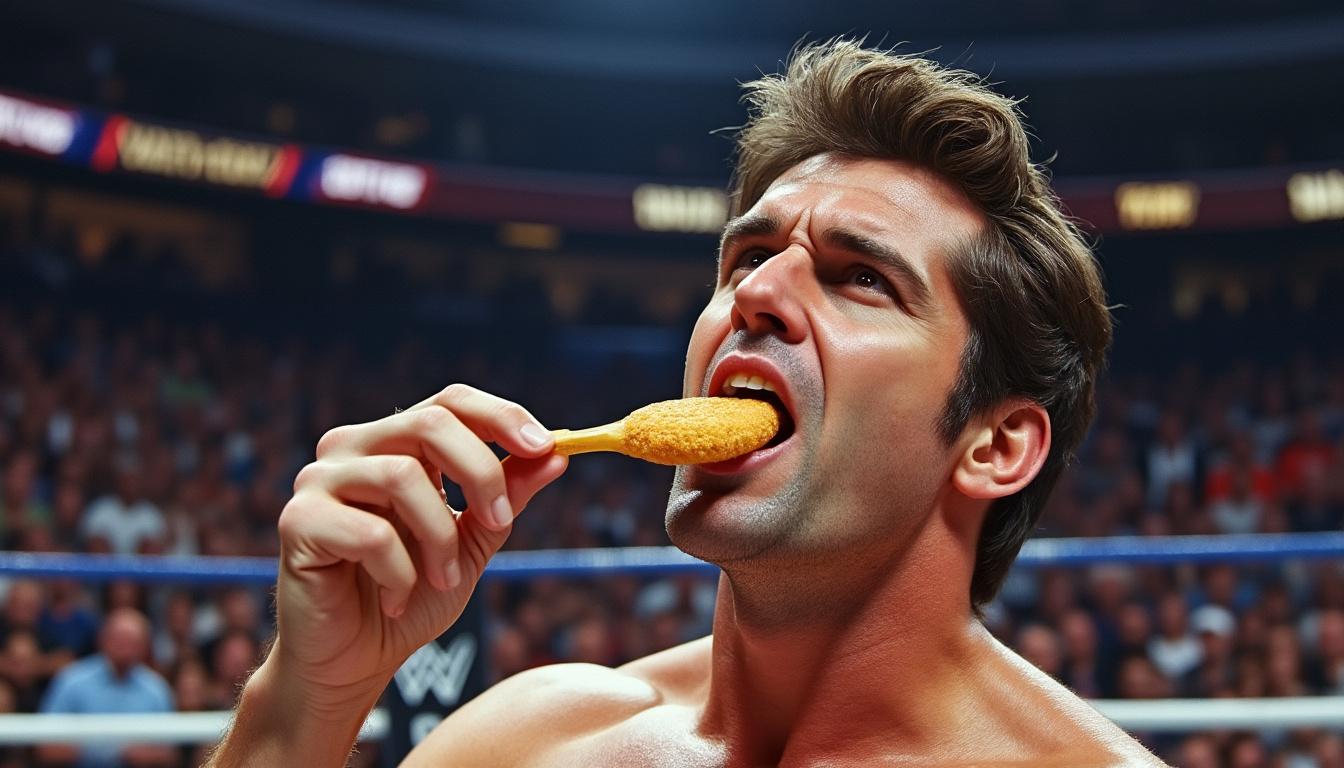
Shirtless Robert F. Kennedy Jr. Takes on a Twinkie in an Epic Viral Wrestling Showdown
In a world where political messaging merges with entertainment, Robert F. Kennedy Jr. delivered an unforgettable spectacle that took the internet by storm. The shirtless celebrity and health advocate starred in a wildly creative AI-generated wrestling video where he squared off against a life-sized Twinkie in a showdown that is both bizarre and epic. This viral clip has sparked countless conversations about food choices, public health, and entertainment, placing an unusual twist on how messages about nutrition are conveyed.
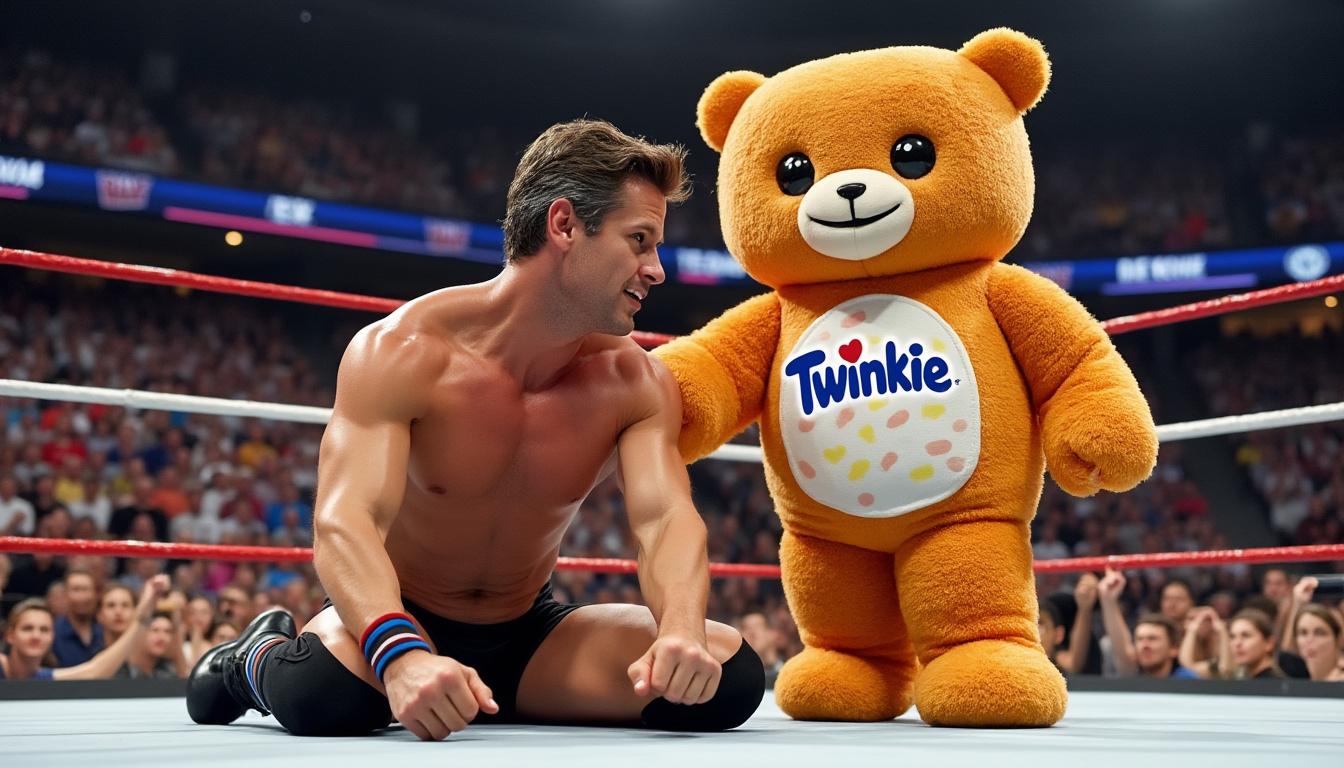
The video, titled “MAHAMania: SnackDown,” brilliantly fuses the theatrics of a wrestling match with a meaningful call to action. Kennedy’s shirtless portrayal throws punches, body slams, and grapples with the oversized Twinkie character, whose sign proudly proclaims “I love junk food.” With roaring crowds and a play-by-play commentary reminiscent of WWE broadcasts, the video creates an immersive entertainment experience that pushes forward Kennedy’s “Make America Healthy Again” (MAHA) initiative that focuses on food reform and wellness.
This MMA-inspired battle against the symbol of ultra-processed snacks underscores Kennedy’s message against unhealthy eating. By visually representing the conflict between real, whole foods and junk snacks in such an entertaining manner, RFK Jr. harnesses the power of viral content to reach audiences who may otherwise ignore traditional health campaigns. The choice of featuring Kennedy shirtless adds an element of shock value and celebrity appeal, amplifying viewer engagement and making the showdown a memorable cultural moment.
With background music by Limp Bizkit’s “Rollin’,” the spectacle pays homage to Kennedy’s public support for the band and adds a nostalgic rock layer to the event. This not only energizes the scene but reinforces the cultural rebellion against processed food that MAHA campaigns advocate. Whether supporters view it as a clever publicity stunt or a cringe-worthy display, there is no denying the impact this wrestling showdown has had in circulating health-focused debates on social media.
For more detailed coverage of this viral wrestling showdown and the fascinating fusion of politics and entertainment, check out the insightful report on Yahoo News.
Understanding the Make America Healthy Again (MAHA) Movement Behind the Showdown
The wrestling spectacle is much more than a strange publicity stunt. At its core lies Robert F. Kennedy Jr.’s public health campaign, Make America Healthy Again (MAHA), which aims to revolutionize the dietary habits of Americans and highlight the urgent need to reduce reliance on ultra-processed foods. MAHA aligns closely with evolving government dietary guidelines that emphasize the consumption of whole, natural foods and a move away from artificial additives and processed snacks such as Twinkies.
MAHA emerged as Kennedy’s response to alarming increases in obesity, diabetes, and other chronic illnesses in the population, especially among children. The campaign pushes for systemic changes that include transparent food labeling, restrictions on harmful food chemicals, and encouragement of cooking at home with fresh ingredients. The updated food pyramid embodies MAHA’s core principles by placing a stronger emphasis on natural foods over processed snacks, promoting preventive health strategies over expensive medical interventions.
This public health initiative also ties individual diet choices with larger food policy debates. MAHA calls for policy reforms that hold food manufacturers accountable and ensure consumers receive honest, well-researched information about what they eat. By championing this cause with vivid advocacy like the wrestling showdown, Kennedy connects public health messages to the entertainment culture, making them accessible and digestible to wider audiences.
A key aspect of MAHA’s messaging is raised awareness about the prevalence of chemicals and dyes in everyday food. Regulatory efforts in 2026 are now focusing on banning certain toxic additives and pushing industry players to innovate with healthier alternatives. The transmedia approach of using viral, AI-generated videos shows the movement’s embrace of modern tools to expand their reach.
For those intrigued by how food policy and health advocacy intersect in today’s political climate, a deeper exploration can be found on Little Things’ feature on Kennedy’s MAHA initiative and viral video.
How AI and Celebrity Culture Combine to Elevate Public Health Messaging
The AI-generated wrestling video starring Robert F. Kennedy Jr. and a Twinkie mascot exemplifies how new technology and celebrity influence intersect to create impactful entertainment with a purpose. Utilizing artificial intelligence to craft this surreal yet memorable encounter serves multiple functions: it grabs attention in a saturated digital environment, delivers a health message with humor and drama, and invokes pop culture references that resonate widely.
AI’s role in generating such content reflects the increasing utilization of digital tools to produce viral clips that transcend traditional boundaries between education, politics, and entertainment. The video’s exaggerated WWE-style presentation, complete with commentary and soundtrack, illustrates how media producers strive to package health promotion in ways that feel fun and engaging rather than preachy or dull.
Celebrity involvement elevates the credibility and emotional connection with the audience. Robert F. Kennedy Jr., already a well-known figure in political and health spheres, leverages his status to spotlight serious issues about nutrition. His shirtless appearance in the video, while provocative, symbolizes a raw, unfiltered battle against unhealthy snack culture rather than typical campaign rhetoric.
Such entertainment-infused advocacy taps into the trend of using spectacle to drive conversation and awareness. Reactions range from enthusiastic support applauding the creative approach to skepticism regarding its effectiveness and tastefulness. Regardless, the video’s viral success proves its role as a conversation starter.
These developments highlight an evolving media landscape where health campaigns no longer rely solely on formal communications but embrace innovative storytelling strategies that harness the reach of social platforms and AI technologies.
The Snack Culture Debate: What the Wrestling Showdown Reveals About American Diets
The bizarre wrestling match between Robert F. Kennedy Jr. and a Twinkie mascot throws a spotlight on a contentious and increasingly urgent public debate: the prominence of ultra-processed snacks in American diets and their health consequences. Twinkies, often seen as the epitome of junk food, represent a growing challenge to public health advocates who seek to shift consumption patterns towards real, nutrient-rich foods.
This showdown is symbolic of the larger cultural and policy clash encircling food choices in modern America. From skyrocketing obesity rates to the alarming rise in chronic conditions such as diabetes and heart disease, the health ramifications associated with frequent intake of processed snacks cannot be overstated. The video dramatizes this struggle, making an abstract nutritional debate tangible and relatable.
Key points that consumers and public health officials wrestle with include:
- Prevalence of Ultra-Processed Ingredients – Many packaged snacks contain artificial preservatives, colors, and sweeteners, which scientific studies link to negative health outcomes.
- Impact on Children – Junk food marketing often targets youth, influencing lifelong eating habits and contributing to rising childhood obesity rates.
- Food Industry Accountability – Public pressure grows for transparency in ingredient sourcing and the reduction of harmful additives.
- Policy and Regulation – Authorities debate measures like banning toxic dyes and enforcing stricter labeling to empower healthier consumer decisions.
- Public Education – Campaigns like MAHA emphasize cooking home meals and choosing whole foods as practical alternatives.
Through this viral wrestling clip, Kennedy spotlights these issues with humor and spectacle, transforming a serious health campaign into a snack culture confrontation that captivates viewers and raises awareness.
To catch all nuances of this food debate showcased through entertainment, visit the detailed analysis at Yahoo Creators’ lifestyle story.
Public Reactions and Cultural Impact of the Shirtless Kennedy Wrestling Twinkie Video
The vibrant and unusual video has elicited a broad spectrum of reactions from the public, media, and political commentators alike. As typical with high-profile viral content, the wrestling showdown has polarized audiences, highlighting both the growing engagement with food health issues and the contentious nature of using spectacle in advocacy.
Supporters applaud Kennedy’s inventive approach to making health advocacy attention-grabbing and entertaining. Praise centers on how the video invites audiences to rethink snack choices and encourages healthier eating habits.
Meanwhile, critics label the video and its AI-generated gimmickry as juvenile or “cringe,” questioning whether such methods dilute the seriousness of public health messages. The shirtless wrestling match evokes comparisons to late-night parody sketches, underscoring the tension between entertainment value and message credibility.
Amid these reactions, some voices have focused on substantive concerns tied to the MAHA campaign’s goals, such as calls for banning chemical additives and emphasizing education on food’s impact on long-term wellness. The ongoing debate reflects broader societal conversations stretching well beyond this video, encompassing food safety, regulation, and cultural habits around eating.
This cultural phenomenon demonstrates how viral entertainment can be a powerful tool for pushing public health topics into mainstream conversation. Whether celebrated or criticized, the video’s impact lies in its ability to draw attention to nutrition debates and keep the discussion alive in digital and real-world communities.
The blend of celebrity, AI innovation, and theatrical wrestling is a compelling example of how advocacy in 2026 adapts to the media-savvy public, ensuring messages about eating real food reach a diverse audience.
Explore the range of reactions and cultural analysis on this video through the comprehensive coverage at BritBrief’s health and culture section.
Why did Robert F. Kennedy Jr. appear shirtless in the Twinkie wrestling video?
The shirtless appearance adds a visual shock factor and symbolizes a raw battle against unhealthy snack culture, helping to grab viewers’ attention and promote the ‘Make America Healthy Again’ campaign in a memorable way.
What is the main goal of the Make America Healthy Again (MAHA) initiative?
MAHA aims to improve Americans’ diets by reducing ultra-processed food consumption, encouraging whole foods, promoting ingredient transparency, and pushing for related food policy reforms to tackle chronic diseases.
How was AI used in the creation of the Robert F. Kennedy Jr. wrestling video?
AI was utilized to generate the surreal and dramatic visuals of Kennedy wrestling a life-sized Twinkie mascot, combining digital artistry and storytelling to produce an engaging viral video.
What are some health concerns associated with consuming snacks like Twinkies?
Ultra-processed snacks often contain artificial preservatives, dyes, added sugars, and unhealthy fats linked to obesity, diabetes, and other chronic illnesses, especially when consumed frequently.
How has the public responded to the wrestling showdown video?
Public reactions are mixed, with some applauding the creative and entertaining way of delivering health messages, while others criticize it as childish or distracting from serious health advocacy efforts.
