

Strategic Importance of Cancer Prevention in China’s Public Health Policy
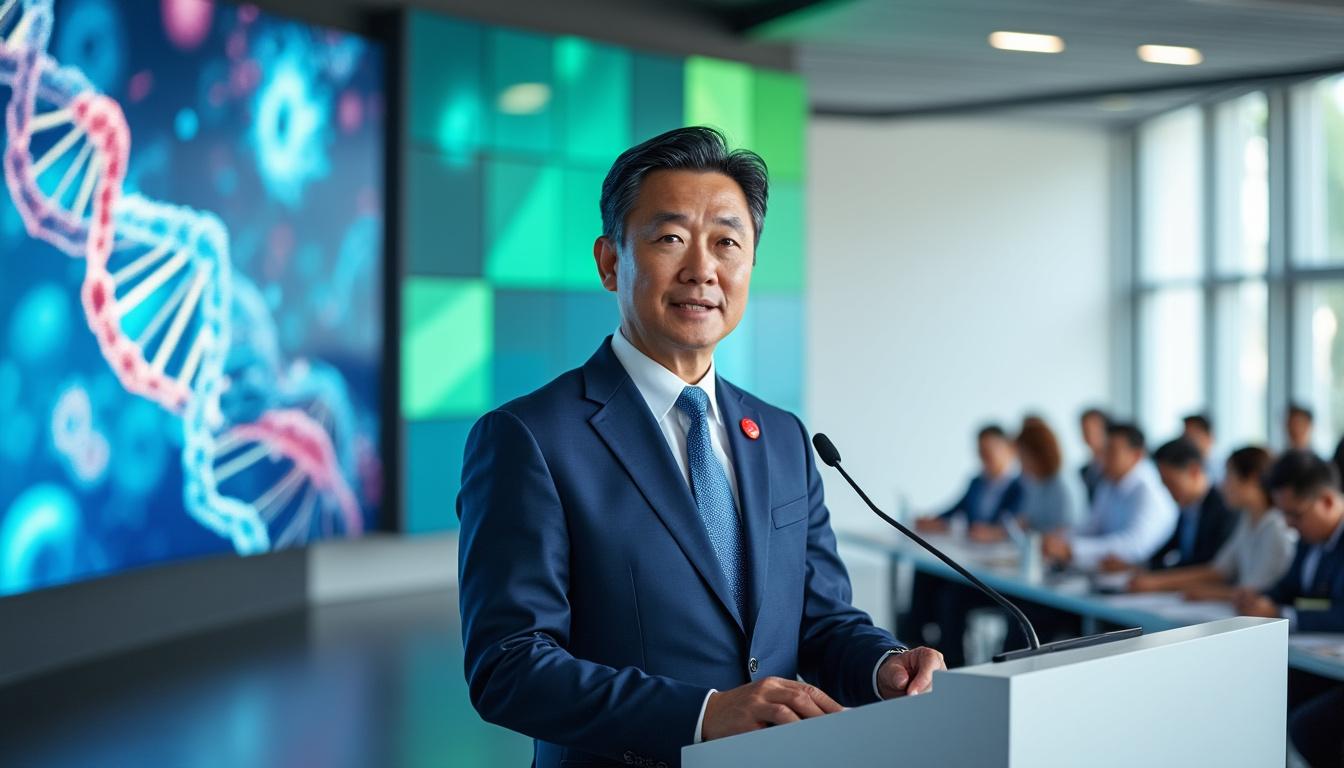
In recent years, China has been intensifying efforts towards improving cancer outcomes by prioritizing cancer prevention strategies embedded in public health frameworks. The emphasis by Lei Haichao, Minister of the National Health Commission, at the fourth session of the 14th National People’s Congress highlights a shift toward proactive management of cancer risks through early screening and adoption of a healthy lifestyle. This proactive stance acknowledges that while cancer remains a formidable challenge globally, its devastating impact can be substantially mitigated with timely intervention and public vigilance.
Key elements driving this policy evolution include the recognition of modifiable risk factors such as tobacco use, alcohol consumption, dietary habits, and physical inactivity. These lifestyle choices, when altered, offer a profound reduction in cancer incidence. Minister Lei stressed the critical role of public education campaigns aimed at raising cancer awareness and instilling preventive behaviors across diverse population groups.
China’s cancer burden is significant, with nearly 4.1 million new cases reported annually. The target set by health authorities to improve the five-year survival rate for cancers beyond 46.6% by 2030 exemplifies the commitment to integrate preventive healthcare with advanced diagnostic methodologies. This multidimensional approach includes expanding screening programs and accelerating research on novel technologies that enhance early detection.
This holistic national strategy is reflected in tangible programs promoting risk factor modification and screening adherence, particularly focusing on cancers prevalent in the Chinese population such as lung, colorectal, stomach, and liver cancers. This approach aligns with global best practices while accommodating localized needs, representing a comprehensive attempt to reduce mortality and improve the quality of life for citizens.
China’s approach serves not only as a health intervention but also as a model for other nations grappling with similar demographic and epidemiologic shifts. By integrating public health policies with community-based health education and technological innovation in screening and diagnostics, China aims to make cancer prevention a societal norm.
Implementing Early Screening: Recommendations and Targeted Protocols by Chinese Health Authorities
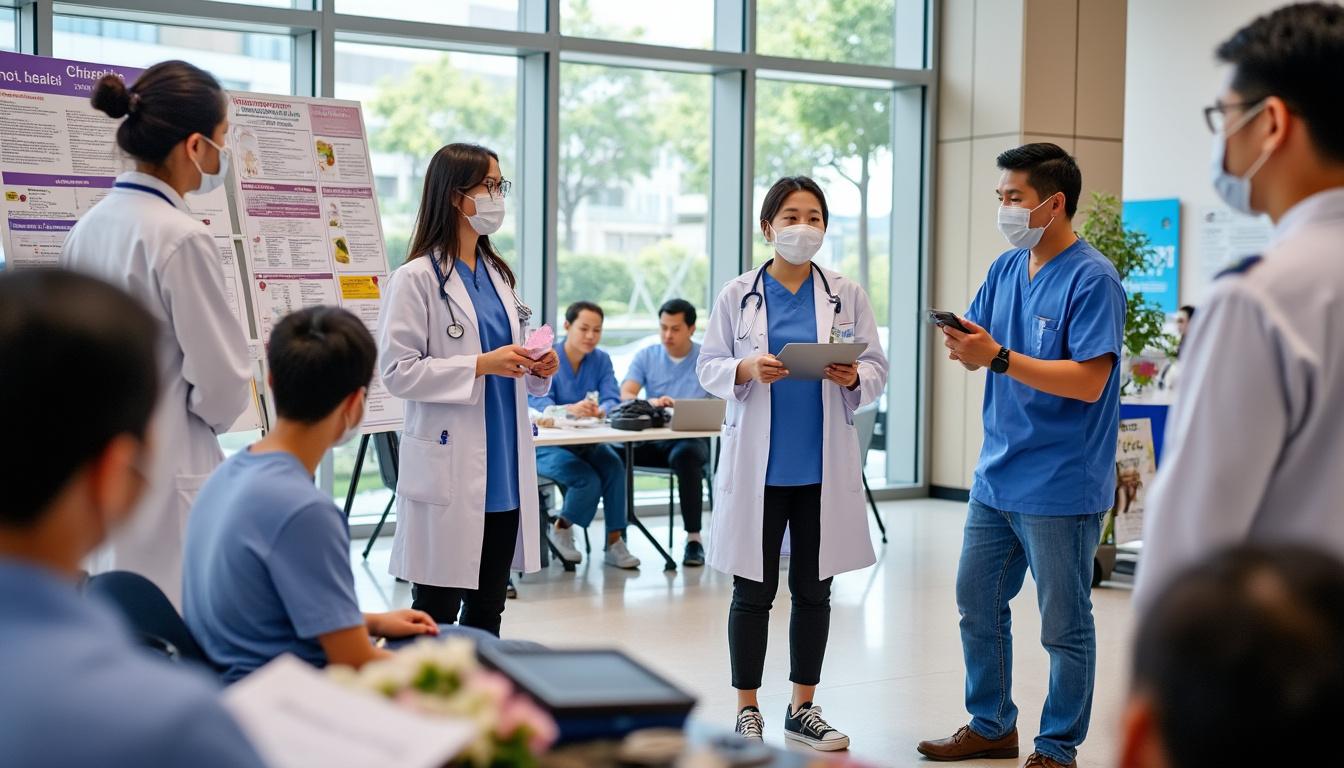
Early cancer detection has been underscored as an essential tool in curbing cancer mortality. The National Health Commission, under leadership from Minister Lei Haichao, has issued detailed guidance targeting high-risk populations to undergo specific screening procedures based on individual risk factors and age groups. This data-driven approach maximizes the utility and cost-effectiveness of cancer screening programs.
For individuals aged 50 and above with a history of smoking or familial predisposition to lung cancer, annual low-dose computed tomography (CT) scans are strongly recommended. This method is proven to detect lung cancer at earlier, more treatable stages compared to traditional diagnostic pathways.
Those at risk for colorectal cancer, identified through family history or symptoms, should pursue colonoscopy screenings every three to five years. Colonoscopy not only allows for early detection of malignancies but also the removal of precancerous polyps, effectively reducing cancer incidence.
Addressing gastric cancer risk, people aged 45 and older with heavy alcohol use or persistent gastric complications are advised to undergo gastroscopy regularly. This invasive procedure provides direct visualization for detecting early-stage tumors or precancerous lesions particularly relevant in regions with elevated gastric cancer rates.
Screening adherence remains a crucial challenge in cancer prevention. Efforts have been directed toward increasing public access to screening facilities, promoting awareness, and integrating screening protocols into existing healthcare infrastructures. Furthermore, legislative support and policy incentives help encourage compliance, while ongoing research evaluates screening program efficacy to refine recommendations continually.
Crucially, recognizing the hereditary nature of many tumors, Minister Lei highlighted the importance of family cancer history in guiding screening priorities, advocating for heightened monitoring when tumors occur in close relatives. Such personalized screening strategies are pivotal for optimizing outcomes and preventing late-stage diagnoses that are challenging to treat and economically burdensome.
For more detailed insights into China’s cancer screening initiatives and their implementation challenges, readers may explore comprehensive analyses such as those outlined in the National Medical Products Administration’s cancer screening overview and the in-depth studies available on ScienceDirect.
Healthy Lifestyle Choices as Cornerstones of Cancer Prevention in China
The intrinsic link between lifestyle behaviors and cancer risk has driven China’s public health messaging towards empowering individuals to take control of their health through conscious lifestyle choices. Minister Lei Haichao’s call for self-regulation highlights smoking cessation, moderation in alcohol consumption, balanced nutrition, and regular physical activity as fundamental pillars of cancer prevention.
Smoking remains the leading cause of lung cancer worldwide, and China’s sizeable population of smokers contributes significantly to the national cancer burden. Anti-smoking campaigns have been intensified alongside policy reforms aimed at reducing tobacco accessibility and exposure to secondhand smoke. These policies are reinforced with public health campaigns educating citizens regarding the immediate and long-term benefits of quitting smoking.
Regarding alcohol use, heavy and prolonged drinking is linked to increased risks for several forms of cancer, including liver and gastric cancers. Educational programs now provide critical information on the detrimental effects of excessive alcohol and promote moderation as a key strategy to lower cancer incidence. This education is especially crucial given cultural norms surrounding alcohol consumption in various social settings.
Dietary habits also play a significant role; diets high in processed meats and low in fruits and vegetables correlate with higher colorectal cancer rates. Public campaigns encourage the adoption of diets rich in antioxidants, fiber, and essential nutrients, leveraging traditional Chinese dietary concepts with modern nutritional science.
Regular exercise is endorsed not only for its cancer risk reduction benefits but also for its overall enhancement of mental and physical health. The government supports community-level fitness initiatives and accessible recreational spaces to encourage physical activity across all age groups.
- Quit smoking and avoid tobacco exposure
- Limit alcohol intake to moderate levels
- Adopt a balanced diet rich in fruits, vegetables, and whole grains
- Engage in regular physical exercise
- Maintain a healthy body weight
- Manage stress effectively through mental health support
This multidimensional lifestyle approach aligns with the broader goals of preventive healthcare and is supported by educational outreach in schools, workplaces, and communities to embed sustainable health behaviors into daily life. The comprehensive nature of these programs also addresses social determinants of health that influence lifestyle choices, ensuring more equitable health outcomes.
Addressing the Senior Cancer Surge Through Screening and Traditional Medicine Integration
As China’s population ages rapidly, a growing challenge has emerged: the rise of cancer incidence among the elderly. Individuals over 60 represent a large proportion of new cancer diagnoses, necessitating tailored public health responses. The government has responded by implementing free nationwide screening programs targeted at seniors, enhancing early detection rates and enabling timely interventions.
These programs prioritize high-risk groups for more frequent screenings, including lung and colorectal cancer checks, given their prevalence and mortality rates among older adults. Simultaneously, complementary approaches involving Traditional Chinese Medicine (TCM) are being integrated into cancer care to improve quality of life and treatment adherence in seniors.
The inclusion of TCM practices underscores a culturally relevant model of healthcare that resonates with older segments of the population. Techniques such as herbal medicine, acupuncture, and dietary therapy contribute to symptom management and recovery, enriching the cancer care continuum beyond conventional oncology treatments.
This holistic model of care is backed by ongoing research validating the efficacy of TCM in supportive cancer care, establishing its role as an adjunct to early detection and conventional treatment modalities. By blending modern science with traditional practices, public health authorities aim to enhance therapeutic outcomes while respecting patient preferences.
Local and national campaigns emphasize the importance of regular health checkups for the elderly, promoting awareness and accessibility. The strategy also involves increasing public trust in screening processes and addressing barriers such as transportation or education that may impede seniors from participating fully in preventive programs.
Insights into China’s comprehensive senior cancer strategy can be explored further through detailed reports such as those featured in China Daily’s coverage and analytic articles in regional publications focusing on cancer control and preventive health services for ageing populations.
Empowering Public through Health Education and Community-Based Screening Programs
Health education is a pivotal component of China’s successful push towards greater cancer prevention. By equipping individuals with evidence-based knowledge about risk factors, symptoms, and the benefits of early screening, the government and health organizations foster active public participation in cancer awareness initiatives.
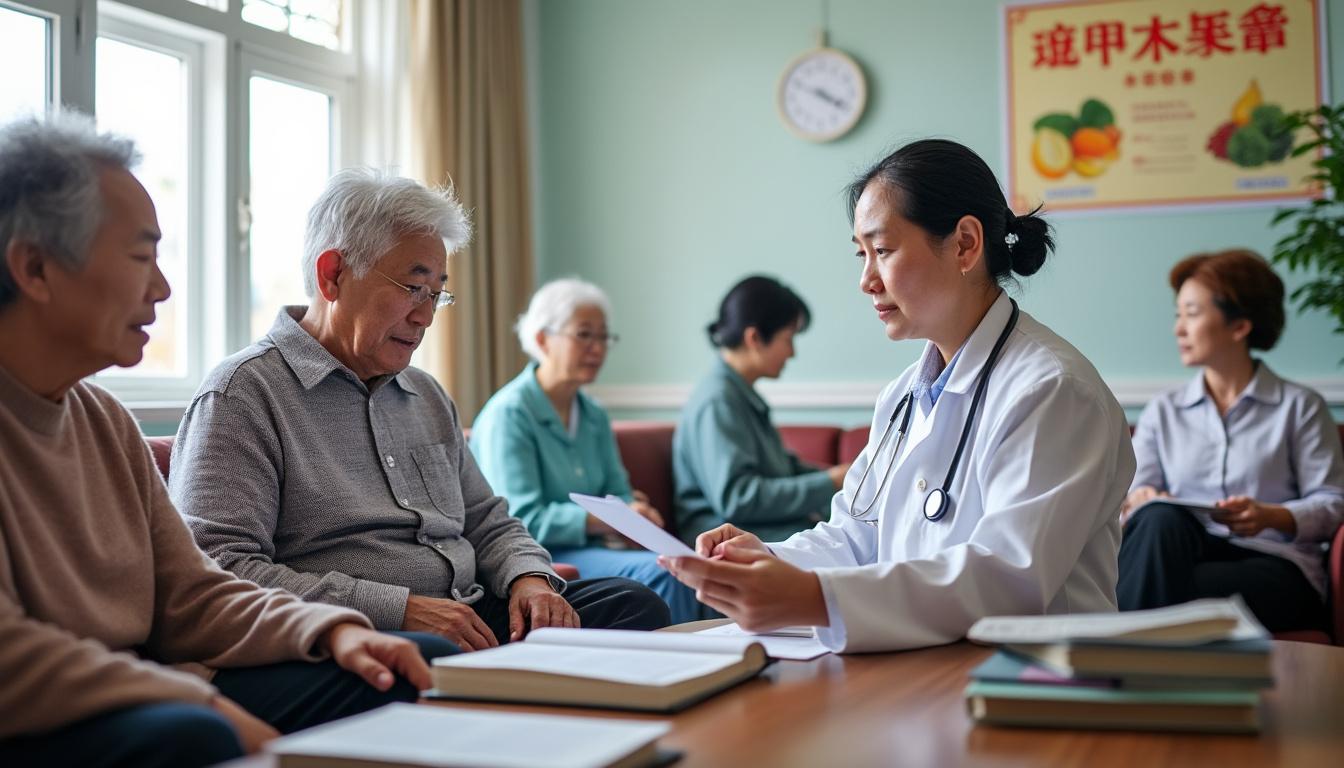
Community-based programs deploy a variety of communication tools, from seminars and workshops to digital platforms, ensuring widespread dissemination of health messages. These programs are tailored to diverse demographic groups to enhance relevance and engagement, with particular attention paid to rural and underserved populations.
Effective health education encourages people to initiate lifestyle changes and participate in regular screening activities, ultimately reducing late-stage cancer diagnoses. Techniques such as motivational interviewing by community health workers and peer support networks have demonstrated success in improving screening rates and promoting behavioral changes.
The government continues to expand these programs, often partnering with non-governmental organizations and leveraging new technologies to overcome traditional barriers to healthcare access. Mobile health units and telemedicine services increasingly facilitate screenings and consultations, helping to bridge gaps in service provision.
Additionally, efforts are underway to debunk myths surrounding cancer through targeted information campaigns, reducing fear and stigma that can prevent individuals from seeking timely diagnosis and treatment. This comprehensive educational approach complements technological advances in screening and reinforces the cultural shift toward prioritizing preventive healthcare.
For broader perspectives on the intersection between cancer education and public health outcomes, studies such as those available on PMC provide valuable insights into effective health communication strategies and their impact on cancer control.
What is the significance of early cancer screening?
Early cancer screening enables detection of cancer at initial stages when treatment options are more effective, substantially enhancing survival chances and reducing healthcare costs.
Which lifestyle choices can lower the risk of developing cancer?
Key lifestyle changes include avoiding tobacco, limiting alcohol consumption, maintaining a balanced diet, engaging in regular physical activity, and managing stress effectively.
Why are hereditary factors important in cancer prevention?
Cancer often shows familial patterns; recognizing family history allows for personalized screening schedules and earlier interventions to catch cancer before it advances.
How does Traditional Chinese Medicine complement cancer treatment?
TCM provides supportive therapies that can alleviate symptoms, improve patient quality of life, and enhance recovery outcomes when integrated with conventional cancer treatments.
What role does health education play in cancer prevention?
Health education increases public awareness, dispels misinformation, encourages healthy lifestyle choices, and promotes adherence to screening programs, making it a cornerstone of cancer prevention strategies.
