


Living with persistent body aches and joint stiffness can feel like an endless, expensive battle, especially for those navigating the physical aftermath of intensive medical procedures like oncology treatments. Every morning often begins as a struggle against your own body, where the mounting costs of constant clinical visits, temporary relief patches, and specialized therapeutic massages add severe financial anxiety to your physical distress. However, transforming your daily habits can offer a powerful, budget-friendly solution to this overwhelming cycle.
Implementing a targeted, daily movement practice right in your living room serves as a highly effective method to reclaim your mobility without draining your savings. Meet Margaret, a resilient survivor who recently transitioned from clinical dependence to empowering, self-guided home routines. By dedicating just fifteen minutes a day to mindful elongation of her muscles, she not only dramatically reduced her reliance on costly interventions but also rediscovered the joy of unhindered movement.
Her journey proves that smart healthcare budget management starts with preventative, easily accessible care. You do not need expensive equipment or premium gym memberships to find lasting comfort. A well-structured home program can fundamentally shift your recovery trajectory, allowing you to save money while nurturing your body back to health.
- Cost-effective relief: Consistent home movement reduces the need for frequent, expensive clinical therapies.
- Enhanced circulation: Deep, targeted routines deliver vital nutrients directly to inflamed, healing tissues.
- Smart injury prevention: Improving joint flexibility naturally lowers the risk of costly future medical emergencies.
- Holistic autonomy: Mastering these techniques fosters both long-term physical recovery and daily financial independence.
Understanding the critical role of stretching in chronic pain relief
Conditions ranging from post-treatment arthritis to widespread muscular fatigue profoundly impact your daily function and overall wellness. Without proper, continuous care, stiff muscles exacerbate discomfort, driving many to spend heavily on temporary pharmaceutical fixes. Integrating stretching exercises for body pain fundamentally changes this trajectory by naturally alleviating tightness and reducing painful spasms.
By focusing on lengthening restricted muscle fibers, you actively improve local circulation, which is crucial for delivering healing nutrients to damaged areas. This approach serves as an essential physiological reset that enhances your overall range of motion. Consequently, daily movements like reaching for a high shelf or bending to tie your shoes become effortless rather than agonizing.
These undeniable physical benefits also translate into brilliant everyday budget management. When you maintain muscular balance and joint health through free, independent practices, you inherently decrease your injury risk. Avoiding unexpected medical bills while enjoying a higher quality of life is the ultimate goal of proactive senior health management.
Essential best practices to maximize stretching benefits
To truly harness these advantages without triggering further discomfort, it is vital to begin every session with a gentle warm-up, such as slow walking or arm circles. Preparing your muscles ensures they are pliable, drastically reducing the chance of accidental strains. You should consistently hold each position for twenty to thirty seconds, allowing the deep muscle fibers ample time to relax fully.
Gradual progression is the cornerstone of safe and effective home therapy. Never force your body beyond its comfortable limits, as overexertion can lead to the dreaded “crash and burn” effect frequently experienced by those eager for immediate results. Embracing this mindful pacing acts as an active painkiller for ageing joints, fostering sustainable relief.
Listening carefully to your bodily signals guarantees that your routine remains a source of healing rather than a cause of new injuries. This conservative, patient approach ensures your daily self-care remains a zero-cost, high-reward investment in your long-term mobility.
Top targeted stretching routines to manage daily discomfort
Implementing specific movements that focus on commonly painful areas can dramatically ease your symptoms without requiring expensive specialized equipment. The Child’s Pose, for instance, gently targets the lower back, hips, and thighs to release accumulated tension. By kneeling and extending your arms forward while resting your hips back, you create a profound decompression in the spine.
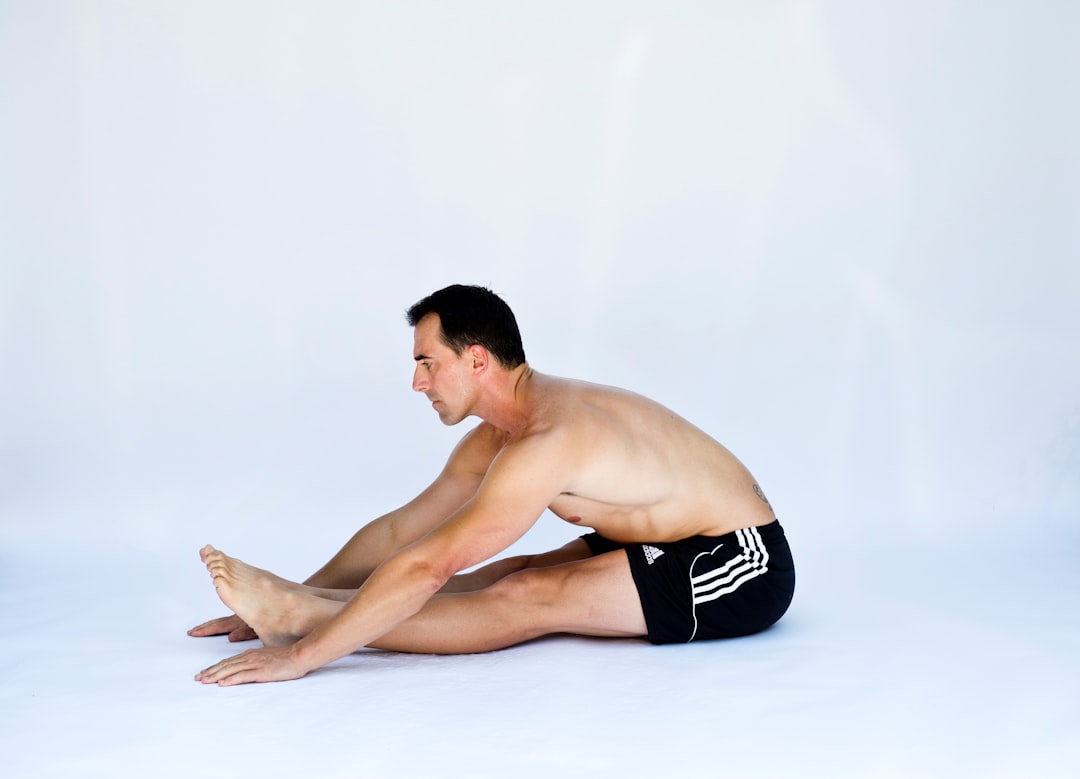
Another highly recommended movement is the Cat-Cow sequence, which effectively engages the neck, shoulders, and entire spinal column. Alternating between arching and rounding your back while on all fours restores essential lubrication to the vertebrae. Transitioning to a Seated Forward Fold then directly addresses tight hamstrings and the lumbar region, promoting a deep, soothing release.
Do not overlook the importance of a simple Neck Stretch, achieved by tilting your head sideways to bring the ear toward the shoulder. This small action instantly melts away upper body stiffness associated with stress and poor posture. Incorporating these specific techniques proves how physical activity can help you feel better on a fundamental level.
Customizing strategies for specific conditions without overspending
Not all discomfort is identical, meaning your approach should be uniquely tailored to your specific physical challenges. For lower back issues, prioritizing spinal decompression movements prevents the need for costly chiropractic adjustments. Modifying your daily routine to target precise pain points demonstrates incredibly smart health budgeting.
If you suffer from cervical stiffness, incorporating gentle shoulder rolls alongside targeted neck elongations offers immediate, free relief. This level of specificity in your daily practice is exactly what leading rehabilitation experts recommend for optimal, independent recovery. Tailoring your approach ensures you get maximum benefits without unnecessary expenditures.
The science driving effectiveness and empowering your journey
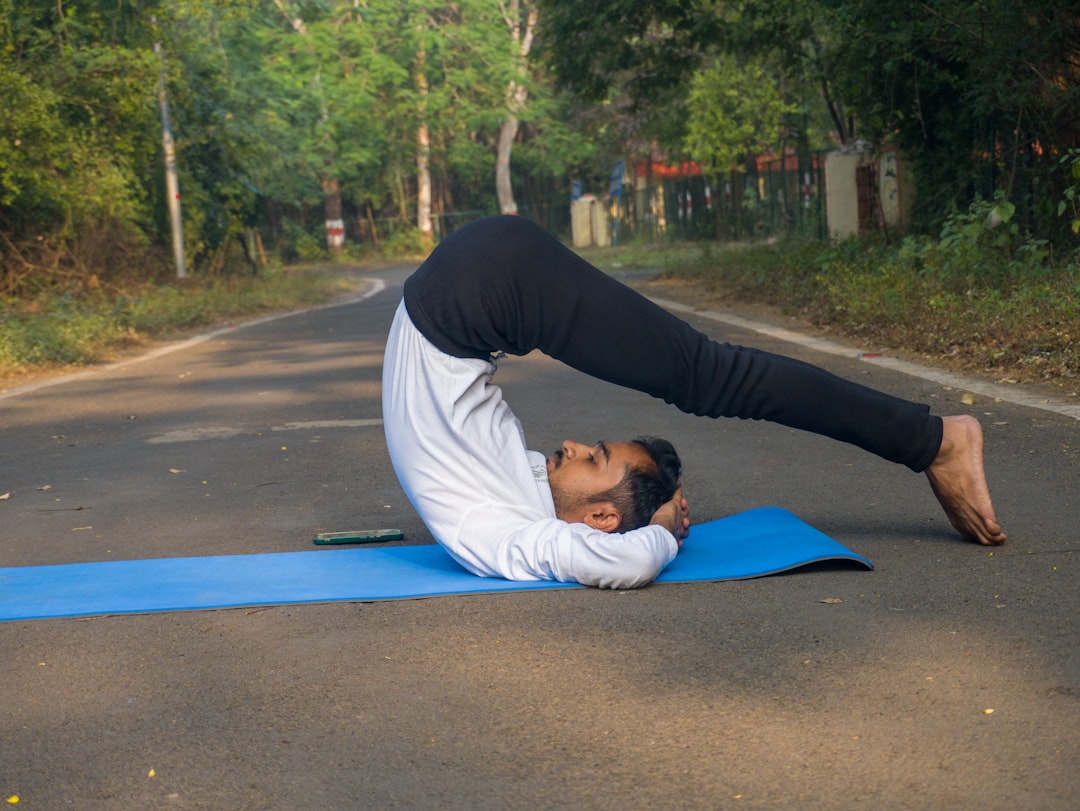
Scientific research continually validates that elongating tight muscles significantly boosts blood flow and flushes out inflammatory byproducts. This biological combination not only diminishes the immediate sensation of aches but also builds a robust foundation for long-term physical resilience. Such evidence-based methods highlight why self-guided care is a formidable alternative to endless pharmaceutical purchases.
As you deepen the mind-body connection through mindful movement, your brain’s perception of discomfort actually shifts, making daily life significantly more manageable. Should your symptoms persist or worsen, it remains wise to manage pain through physical therapy and rehabilitation initially, to learn the correct foundational forms. Once mastered, you can seamlessly transition back to your economical home practice.
Ultimately, embracing these routines empowers you to take decisive control over your health journey. By balancing professional advice with consistent, free daily habits, you effectively protect both your physical well-being and your financial stability.
How often should I perform stretching routines to see a reduction in chronic pain?
For optimal results, you should aim to stretch at least three to five times a week. Consistency is far more important than intensity, so engaging in 10 to 15 minutes of gentle, daily movement will yield the best long-term benefits for your joints and budget.
Can a home stretching routine replace my prescribed medical treatments?
While home stretching is a powerful, cost-effective tool for managing discomfort, it should complement rather than entirely replace professional medical advice. Always consult with your healthcare provider or physical therapist before making significant changes to your prescribed care plan.
Are there specific stretches to avoid if I have severe joint inflammation?
Yes, during active flare-ups of severe joint inflammation, you should avoid deep, forced stretches or weight-bearing movements that put direct pressure on the affected area. Focus on very gentle range-of-motion exercises and prioritize resting the inflamed joint until the acute swelling subsides.
