Close Menu
    Follow us on Google News
    Follow Livewell Magazine on Google News
    Facebook X (Twitter) Instagram
    LiveWell Magazine
    Facebook
    Follow LiveWell Magazine on Google News
    • Cancer

      Healthy Dad’s Unexpected Cancer Diagnosis Revealed After Ignoring Nighttime Bathroom Trips: ‘A Heartbreaking Surprise’

      February 22, 2026

      BREAKING NEWS: Gene therapy for sickle cell disease: a medical breakthrough still out of reach for many

      December 29, 2025

      How Your Drinking Habits Could Significantly Increase Your Cancer Risk

      December 28, 2025

      Could the time of day you get cancer treatment affect survival? What a new lung cancer study suggests

      December 25, 2025

      Can exercise lower cancer risk? what the science suggests (and what to do today)

      December 22, 2025
    • Fitness

      The best workouts for busy people

      March 3, 2026

      A Fitness Trainer’s Perspective: How My Approach Transformed from 40 to 60

      March 2, 2026

      Healthy Living: Dr. Angela Haskins Embraces Peloton Workouts for Fitness

      February 2, 2026

      The “protein first” trick: protect muscle and stay full during holiday meals

      January 11, 2026

      FDA eases rules on fitness wearables: great news for seniors staying active!

      January 7, 2026
    • Health

      Federal Judge Hits Pause on HHS Secretary Kennedy’s Vaccine Policy Overhaul

      March 18, 2026

      Medicare Advantage Shifts: Payments to Plans Increase as Enrollment Hits a New Record

      March 18, 2026

      The battle over “$0 premium” plans: What’s at stake for your healthcare?

      February 19, 2026

      Early cholesterol treatment in kids may prevent heart disease for life

      January 28, 2026

      Functional medicine: a personalized approach to healthcare

      January 27, 2026
    • Lifestyle

      Everyday Habits Dentists Say Are Secretly Damaging Your Teeth

      March 16, 2026

      Essential Evening Habits to Improve Your Blood Sugar Levels, According to Experts

      March 15, 2026

      Unlocking the Psychology of the ‘Fresh Start Effect’: Why Spring Sparks the Ultimate Time for Renewal

      March 14, 2026

      Evening Habits to Embrace After 5 P.M. for Promoting Healthy Aging, According to Experts

      March 14, 2026

      The Top Habit to Quit for Lowering Your Dementia Risk, Experts Reveal

      March 13, 2026
    • Nutrition

      Remarkable Health Benefits of Prunes That Transform Them into a Nutritional Powerhouse

      March 6, 2026

      Top 4 Vegetables to Boost Liver Health, Recommended by Registered Dietitians

      February 27, 2026

      Major Updates to Oklahoma SNAP Benefits as Healthy Food Waiver Takes Effect

      February 16, 2026

      Nutrition and health: the importance of a balanced diet for optimal well-being

      January 30, 2026

      Top 10 Healthy Eating Habits Nutrition Experts Recommend Embracing in 2026

      January 4, 2026
    • Senior

      Wound Care Revolution: How a New Medicare Payment System Aims to Cut Waste in Senior Care

      March 19, 2026

      The $2,000 Cap is Here: How the New Annual Out-of-Pocket Drug Limit Saves Seniors Thousands

      March 17, 2026

      Why Conventional Health Tips Might Shift After Turning 50

      March 15, 2026

      The Unexpected Superfood to Boost Your Health as You Get Older, Reveals New Research

      March 1, 2026

      TrumpRx.gov Launched: How Seniors Can Access 80% Discounts on Prescription Drugs Starting This Month

      February 26, 2026
    • Trends

      Transparency at HHS: How the New “Radical Transparency” Initiative Aims to Expose Big Pharma Conflicts

      March 13, 2026

      How Wearable Technology Could Spark a Revolution in Healthier Living

      February 5, 2026

      Early cholesterol treatment in kids may prevent heart disease for life

      January 28, 2026

      Wearable health devices: the future of personalized medicine?

      January 27, 2026

      AI in healthcare: ethical considerations and promising applications

      January 26, 2026
    • Wellness

      Stephen A. Smith Blasts Pelicans: ‘Y’all Have Been Trash’ After Critiquing Zion Williamson

      March 19, 2026

      Simple and Effective Health Hacks for Busy Lives

      February 28, 2026

      Longevity Expert Reveals His Daily Wellness Rituals: How He Intentionally Applies Cutting-Edge Research to His Life

      February 8, 2026

      Comprehensive Meta-Analysis Reveals Diverse Strategies to Enhance Subjective Well-Being

      February 1, 2026

      Nutrition and health: the importance of a balanced diet for optimal well-being

      January 30, 2026
    Subscribe
    LiveWell Magazine
    Home»Supplements»Do you really need supplements? Experts weigh in
    Supplements

    Do you really need supplements? Experts weigh in

    Tina NguyenBy Tina NguyenNo Comments
    Facebook Twitter Email WhatsApp Pinterest LinkedIn Reddit Telegram Threads
    discover a wide range of high-quality supplements designed to support your health, boost energy, and enhance overall well-being.
    Share
    Facebook Twitter LinkedIn Email Reddit Telegram WhatsApp Threads

    In an era where the global wellness market has ballooned into a $60 billion industry, navigating the aisles of a pharmacy or scrolling through online health stores has become an exercise in overwhelming choice. As we settle into 2026, the noise surrounding dietary supplements has reached a fever pitch, driven by social media influencers and artificial intelligence chatbots dispensing unverified medical advice. While nearly three in five adults currently rely on at least one daily pill to boost their vitality, leading experts from Stanford Medicine are sounding the alarm: most of these products offer no proven benefit for the average person, and some may even pose significant health risks. This investigation dives into the science, separating the necessary medical interventions from the costly hype.

    In Brief: Key Takeaways on Supplement Safety

    • Food First Philosophy: Nutrients are absorbed far more effectively from whole foods than from synthetic isolates found in pills.
    • Targeted Use Only: Supplements are primarily beneficial for individuals with diagnosed deficiencies, specific dietary restrictions (like vegans), or conditions affecting absorption.
    • Safety Gaps: The FDA regulates supplements as food, not drugs, meaning safety and potency are not guaranteed before they hit the shelves.
    • The “Natural” Myth: Just because a product is labeled natural does not mean it is safe; serious interactions with prescription medications are a real danger.
    • More isn’t Better: High doses of vitamins can lead to toxicity or simply result in “expensive urine,” as the body excretes what it cannot use.

    The Reality Check: Identifying Who Actually Needs Dietary Supplements

    The prevailing narrative in modern marketing suggests that everyone requires a nutritional boost to survive the stresses of contemporary life. However, clinical dietitians and medical researchers argue that this “blanket approach” is scientifically flawed. Marily Oppezzo, PhD, and Catherine Hu from Stanford Lifestyle Medicine emphasize that supplementation should be treated as a targeted intervention rather than a daily habit for the masses. The human body is incredibly efficient at extracting what it needs from a varied diet, and for the vast majority of healthy adults, a colorful plate provides a more complex and effective nutrient profile than any capsule ever could.
    Related Article :  What to do in a medical emergency — step by step
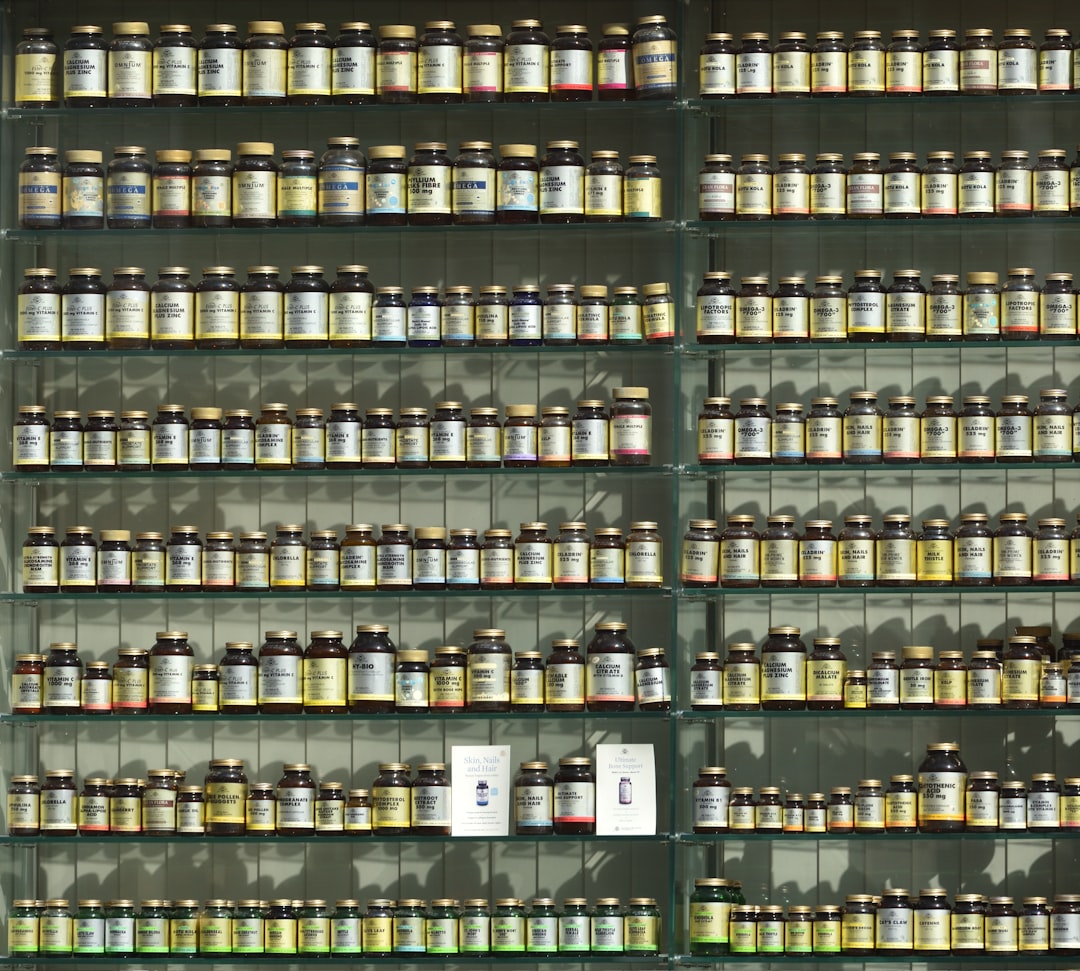
    explore a wide range of supplements to boost your health and wellness. find vitamins, minerals, and natural products to support your daily nutrition and fitness goals.

    Recognizing True Deficiencies and Clinical Requirements

    The only foolproof way to determine a need for supplementation is through biological data, not intuition or advertising. Blood tests tailored to identify specific gaps—such as low iron, Vitamin D, or B12 levels—are the gold standard. Symptoms like persistent fatigue, brittle nails, or unexplained skin changes often signal a deficiency, but these should trigger a visit to a healthcare provider rather than a trip to the supplement aisle. It is crucial to understand when you actually need dietary supplements based on clinical evidence rather than marketing claims.

    Certain demographics, however, have non-negotiable needs. For instance, individuals who have undergone bariatric surgery or are utilizing GLP-1 agonists for weight management often consume too few calories to meet their nutritional baselines. Similarly, vegans must supplement with Vitamin B12, a nutrient found almost exclusively in animal products. Ignoring these specific biological requirements can lead to long-term neurological and physiological damage.

    The Hidden Dangers Behind “Natural” Labels and Regulation Gaps

    A widespread and dangerous misconception is that “natural” equals “safe.” This fallacy is particularly concerning given that the Food and Drug Administration (FDA) does not vet supplements for safety or efficacy before they enter the market. This regulatory gray area means that the purity of the bottle in your cabinet is largely determined by the manufacturer’s integrity. Independent analyses have frequently found alarming contaminants, such as heavy metals in turmeric pills or mycotoxins in algae-based supplements like spirulina. To mitigate risk, consumers should look for verification seals from third-party organizations like USP or NSF.

    Furthermore, the chemical potency of these “natural” compounds can wreak havoc when combined with prescription medications. A senior taking blood thinners, for example, could suffer serious complications from taking Vitamin K, which promotes clotting. Similarly, mixing St. John’s Wort with antidepressants can lead to dangerous serotonin levels. Because of these risks, it is imperative to avoid dangerous combinations that could threaten your health by keeping your medical team fully informed of every pill you swallow.
    Related Article :  Mindfulness and meditation: the new prescription for mental health
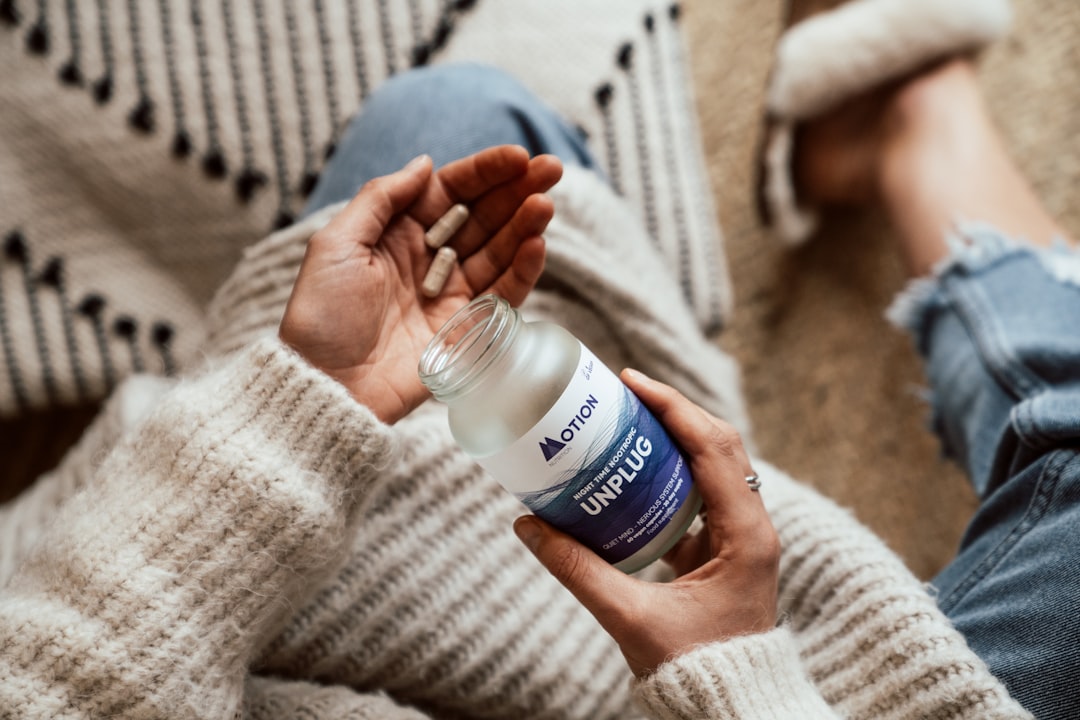
    explore a wide range of high-quality supplements designed to support your health and wellness goals. find vitamins, minerals, and herbal products tailored to boost your energy, immunity, and overall wellbeing.

    Why the “More is Better” Mentality Fails

    The human body is not a storage unit for infinite vitamins; it is a finely tuned biological machine with limits on absorption. When you consume megadoses of vitamins—far exceeding the Recommended Dietary Allowance (RDA)—the best-case scenario is often that your kidneys filter out the excess, resulting in what experts wryly call “expensive urine.” Water-soluble vitamins like the B-complex are classic examples of this phenomenon.

    However, the worst-case scenario involves toxicity. Fat-soluble vitamins, which are stored in the body’s tissues, can build up to harmful levels. Excessive Vitamin A can cause liver damage, while too much Vitamin B6 has been linked to nerve damage. Experts weigh in on who should take supplements and emphasize that sticking to standard guidelines is safer than chasing the “super-doses” often promoted online.

    Whole Foods vs. Synthetic Isolates: The Absorption Debate

    Nature packages nutrients in a complex matrix that scientists struggle to replicate in a lab. When you eat broccoli, you aren’t just getting a single vitamin; you are ingesting fiber, phytochemicals, and co-factors that work synergistically to enhance absorption and health benefits. Extracting a single compound and turning it into a powder often strips away this biological context, rendering the nutrient less potent. For example, while many turn to pills for gut health, research suggests that eating fermented foods like kimchi or yogurt is far superior to taking isolated digestive enzyme supplements or probiotics.

    This “food first” approach also serves as a safeguard against the competitive absorption that occurs in multivitamin pills. In a single capsule, minerals like iron and calcium can actually block each other from being absorbed by the body. Splitting nutrient intake throughout the day via meals allows the body to process these essential elements efficiently without chemical interference.

    Smart Supplementation Strategies for Healthy Aging

    While the general advice leans away from unnecessary pill-popping, aging does change our biological requirements. As we enter our senior years, our ability to absorb certain nutrients, such as Vitamin B12 and calcium, naturally diminishes. This is where strategic supplementation becomes a pillar of preventative health. Women post-menopause often require additional calcium and Vitamin D to protect bone density, while others may need to support their vision or heart health with targeted interventions.

    Related Article :  Why supplements might be your best health investment this year

    Groups who should consider supplementation include:

    • Seniors over 50: Often require extra Vitamin B12, Vitamin D, and Calcium for bone and nerve health.
    • Pregnant Patients: Prenatal vitamins with folic acid and omega-3s are non-negotiable for fetal development.
    • Restricted Diets: Vegans and vegetarians often lack B12, iron, and zinc.
    • Specific Conditions: Those with osteoporosis, macular degeneration, or malabsorption issues (like Crohn’s disease).

    Ultimately, supplements should be viewed as a tool to bridge a confirmed gap, not a magic wand for wellness. Before adding anything to your regimen, verify if it is truly necessary or if you are simply buying into the hype. For many, simply avoiding anti-inflammatory supplements and focusing on an anti-inflammatory diet is the wiser, more effective choice.

    Are multivitamins necessary for everyone?

    No. For most healthy adults with a varied diet, multivitamins are not necessary. They are generally safe but often result in the excretion of unabsorbed nutrients. They are best reserved for those with poor diets or specific absorption issues.

    How do I know if a supplement is safe?

    Since the FDA does not strictly regulate supplements, look for products verified by independent third-party organizations like US Pharmacopeia (USP), NSF International, or ConsumerLab.com to ensure quality and purity.

    Can I take supplements instead of eating vegetables?

    No. Supplements cannot replicate the complex matrix of fiber, phytochemicals, and nutrients found in whole foods. Nutrients from food are generally better absorbed and provide synergistic health benefits that pills cannot offer.

    What is the risk of taking too much Vitamin D?

    While Vitamin D is essential, excessive amounts can lead to toxicity, potentially causing calcium buildup in the blood (hypercalcemia), which can damage the kidneys and heart and ironically weaken bones.

    dietary supplements health nutrition supplements wellness
    Follow on Google News
    Share. Facebook Twitter LinkedIn Email WhatsApp Reddit Telegram Threads Copy Link
    Previous ArticleThe battle over “$0 premium” plans: What’s at stake for your healthcare?
    Next Article We Consulted 3 Cardiologists on the Best Habit for a Healthy Heart — And Their Answers Were Identical
    Avatar photo
    Tina Nguyen

    Tina has been a health journalist for over ten years, reporting from various countries around the world. Her international experience gives her a unique and nuanced perspective on global wellness trends, public health challenges, and cultural approaches to healthy living. Known for her curiosity and clarity, Tina strives to deliver reliable, well-researched content that resonates with diverse audiences. She is passionate about making health information both engaging and empowering for readers everywhere.

    Continue reading

    How Strong Friendships Can Actually Boost Your Heart Health—The Science Explained

    By FRANK JOST

    How to stay healthy when the seasons change

    By Tina Nguyen

    Unlocking the Secrets to Healthy Aging and Longevity

    By FRANK JOST

    Mindfulness and meditation: the new prescription for mental health

    By Amelie Goujon

    Health and social justice: addressing systemic inequities for better health

    By Amelie Goujon

    Plant-based diets: the health trend taking the nation by storm

    By Amelie Goujon

    Exercise and mental health: the power of physical activity

    By Amelie Goujon

    Lee Health: How Pivio Champions Wellness and Transforms Healthy Living

    By FRANK JOST

    Essential Wellness Habits to Embrace in Your 20s and 30s for Lifelong Health

    By FRANK JOST

    Top 5 Wellness Habits to Thrive in Your 60s, 70s, and Beyond

    By FRANK JOST

    B-complex supplements for fatigue: what people want to know

    By Tina Nguyen

    Melatonin alternatives: what consumers are searching for instead

    By Tina Nguyen
    Add A Comment
    Leave A Reply Cancel Reply

    Subscribe to Our Newsletter

    Join the Live Well Magazine Newsletter and get exclusive tips on health, wellness, lifestyle, and personal growth — straight to your inbox.

    Trending
    Trending

    Shirtless Robert F. Kennedy Jr. Devours a Twinkie in Viral Wrestling Showdown — and It’s Epic!

    Senior

    Wound Care Revolution: How a New Medicare Payment System Aims to Cut Waste in Senior Care

    Women’s Health

    The Overlooked Early Heart Attack Warning Signs That Women Often Mistake for Stress

    Health Resources

    Federal Judge Hits Pause on HHS Secretary Kennedy’s Vaccine Policy Overhaul

    Healthy Recipes

    Nutritious Packed Lunch Ideas That Will Make You Say Goodbye to Boring Meals

    Health Resources

    Medicare Advantage Shifts: Payments to Plans Increase as Enrollment Hits a New Record

    Facebook
    • About us
    • Contact us
    • Contributors
    • Legal
    • Privacy
    © 2026 livewellmagazine.org.

    Type above and press Enter to search. Press Esc to cancel.