

In brief:
Tossing and turning despite trying melatonin? You’re not alone. This popular sleep hormone doesn’t work for everyone, often leaving users groggy or with unsettling dreams. The great news is a world of effective, natural alternatives is gaining popularity. From ancient herbs that calm the mind to minerals that relax the body, these options offer a gentler path to slumber. This guide explores top contenders like Valerian root, Magnesium, and Tart Cherry, which work with your body’s rhythms instead of against them. Remember, finding your perfect sleep solution is a personal journey, and it’s always wise to chat with your healthcare provider before starting a new regimen. 🌙
Tired of the Melatonin Fog? Discover the Sleep Revolution!
Let’s face it: for years, melatonin has been the go-to supplement on everyone’s nightstand. But what happens when the supposed solution causes more problems? Many seniors report waking up feeling like they’ve run a marathon in their sleep, battling a dreaded “melatonin hangover” that clouds their morning. If that sounds familiar, it might be time to explore some of the effective melatonin alternatives that work long-term without building tolerance.
The search for better sleep is evolving beyond a single hormone. Consumers are now looking for supplements that support the body’s natural relaxation processes. Instead of forcing sleep, these alternatives create the ideal conditions for it to happen naturally. This shift is all about achieving restorative rest and waking up refreshed, ready to boost your energy without caffeine. It’s about finding the best sleep supplement without melatonin for your unique needs.
From Ancient Roots to Modern Labs: Nature’s Top Sleep Aids
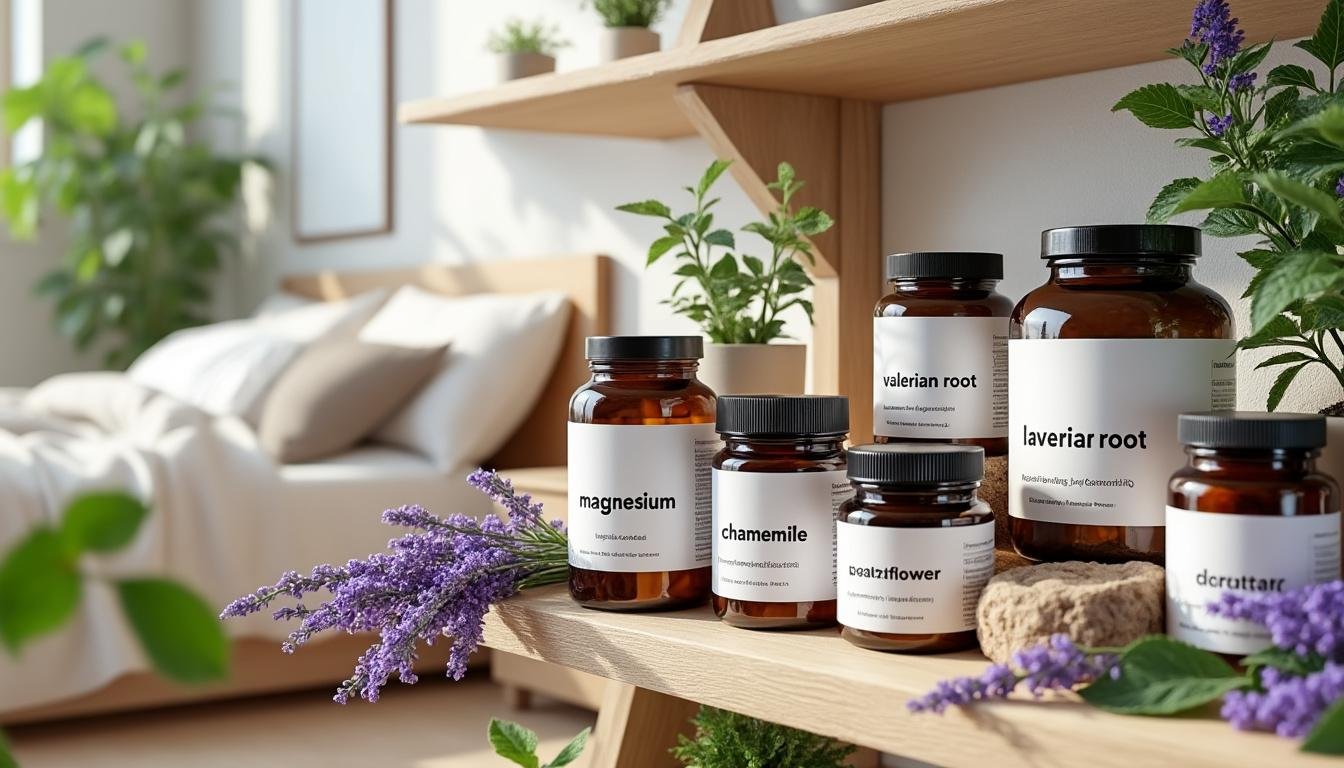
Diving into nature’s pharmacy reveals some incredible options. Valerian root, a flowering plant used for centuries, is a star player. It works by boosting the activity of GABA, a neurotransmitter that has a calming, sedative effect on the brain. Think of it as a gentle “off” switch for a racing mind. Studies have used doses from 224 to 1215 mg, but it’s crucial to start low and see how you feel.
Then there’s Magnesium, the ultimate relaxation mineral. Known for its calming qualities, it helps ease muscle tension and quiet the nervous system. As our friend Barbara, a 71-year-old from Florida, shared with us, “I swapped my melatonin for magnesium glycinate, and the difference was night and day! No more leg cramps, and I just feel… peaceful before bed.” Adding this to your routine can be one of the 6 essential healthy habits for better aging. Finally, don’t overlook Tart Cherry! This fruit is a powerhouse of sleep-promoting compounds, including a natural form of melatonin, helping to regulate your sleep cycle without the synthetic punch.
To help you compare, here’s a quick look at these popular options:
| Supplement | How It Works ⚙️ | Best For… 👍 | Good to Know 💡 |
|---|---|---|---|
| Valerian Root | Increases calming GABA in the brain. | People with racing thoughts or anxiety. | Can cause next-day drowsiness in some. |
| Magnesium | Relaxes muscles and the nervous system. | Restlessness, muscle tension, and stress. | Glycinate form is often best for sleep. |
| Tart Cherry | Provides natural melatonin and antioxidants. | Improving sleep quality and duration. | Available as juice or supplements. |
Beyond the Bottle: Gentle Habits for Dreamy Nights
Supplements are fantastic, but a truly holistic approach combines them with calming rituals. Lavender aromatherapy is a proven, gentle way to signal to your body that it’s time to wind down. Research shows inhaling its scent can activate the part of your nervous system responsible for relaxation, lowering heart rate and blood pressure. A few drops in a diffuser can transform your bedroom into a serene sanctuary.
Another great option found in nature is L-theanine, an amino acid from green tea that promotes relaxation without drowsiness. It’s perfect for those who feel “tired but wired.” Combining these gentle methods can be a powerful strategy. Exploring the various 10 melatonin alternatives for sleep is a great first step. Ultimately, building a better sleep routine is about reducing stress and avoiding habits that elevate cortisol levels, which is vital for long-term wellness and preventing habits that undermine brain health. If you do have a bad night, there are still effective ways to recover after a sleepless night.
Understanding the full spectrum of options is key, which is why a complete guide to other sleep aids, including practices like yoga and meditation, can help you find lasting alternatives for a good night’s rest.
Please note that the illustration photo in this article was generated by an artificial intelligence program. Additionally, fictional testimonials may have been included for illustrative purposes to enhance the narrative.
Are these natural alternatives safer than melatonin?
While generally considered safe for short-term use, ‘natural’ doesn’t automatically mean ‘risk-free.’ Herbs like Valerian root can interact with other medications and cause side effects like dizziness. It’s essential to consult with your healthcare provider to ensure an alternative is safe for your specific health profile.
Can I take multiple sleep supplements at the same time?
Combining supplements, especially those that have sedative effects, can be risky and may lead to excessive drowsiness or other unforeseen interactions. Always speak with a doctor or pharmacist before creating your own sleep cocktail to avoid potential dangers.
How long does it take for these melatonin alternatives to work?
It varies! Some people feel the relaxing effects of magnesium or L-theanine within an hour of taking them. Herbal remedies like Valerian root might take a couple of weeks of consistent use to show a noticeable improvement in sleep quality. Patience and consistency are key.
