

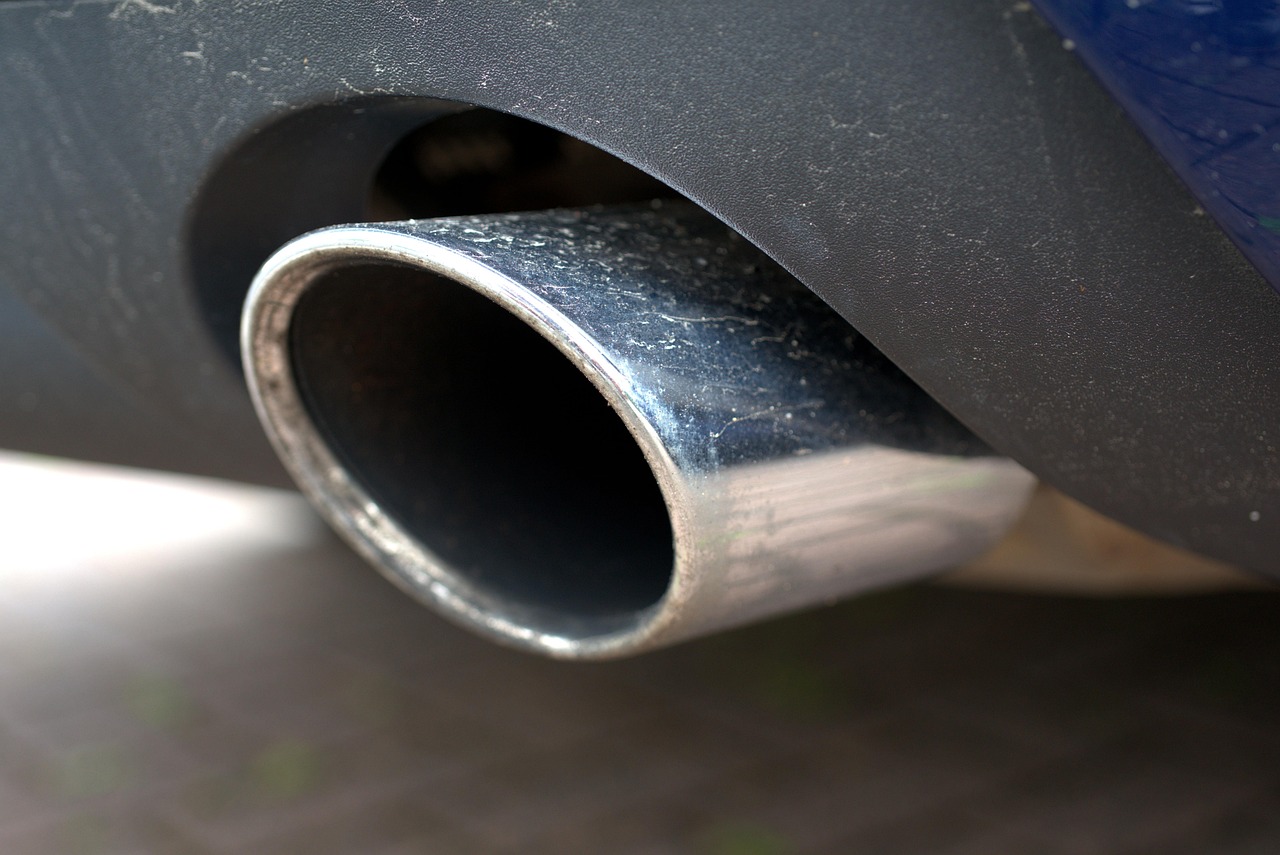
The air we breathe is at the center of a fierce debate in Washington, and the outcome could directly impact our health for decades to come. As of 2026, the push-and-pull over vehicle emission standards has created a landscape of uncertainty for both automakers and the public. On one side, advocates for stricter regulations, championed by the Biden-Harris administration, point to data suggesting that stronger pollution controls on cars and trucks could generate billions in annual health benefits and save thousands of lives. These rules are designed to accelerate the transition to cleaner vehicles, including electric and hybrid models, by holding manufacturers to high standards under the long-standing Clean Air Act. This landmark legislation has, for decades, empowered the Environmental Protection Agency (EPA) to regulate pollutants that endanger public health, a category that includes greenhouse gases from tailpipes.
On the other side, a powerful deregulatory movement, echoing efforts from the Trump administration, seeks to roll back these standards, arguing they stifle consumer choice and drive up vehicle costs. This perspective challenges the very foundation of the regulations, questioning whether the EPA should even regulate carbon dioxide as a pollutant. The rollback of federal standards, including weakening the Corporate Average Fuel Economy (CAFE) rules and challenging California’s unique ability to set its own stricter emission laws, creates a complex patchwork of regulations. For seniors, who are often more vulnerable to the effects of air pollution, this policy battle is not an abstract political issue. It’s a critical determinant of respiratory health, cognitive function, and overall quality of life, turning the simple act of breathing into a matter of public policy.
In Brief: The Clean Air Crossroads
- Policy Tug-of-War: The federal government is caught between enforcing stringent, health-focused vehicle emission standards and rolling them back to favor consumer choice and lower upfront vehicle costs.
- Health at Stake: Air pollution from traffic is directly linked to increased rates of asthma, cardiovascular disease, and cognitive decline, with seniors being a particularly high-risk group. Reductions in pollution are estimated to yield $13 billion in annual public health benefits.
- Regulatory Landscape: Key regulations like the EPA’s tailpipe standards and the Department of Transportation’s CAFE standards are central to the debate, influencing everything from gas mileage to the speed of electric vehicle adoption.
- Consumer Impact: While cleaner cars may have a higher initial cost, consumer groups report that these costs are often offset by significant long-term savings in fuel. The current policy flux creates uncertainty for both car buyers and manufacturers.
The High Stakes of a Policy U-Turn on Vehicle Emissions
For years, the direction of vehicle manufacturing seemed clear: toward a future of cleaner, more efficient cars that would help clear our skies and protect our climate. This path was paved by regulations under the Clean Air Act, which identified greenhouse gases from vehicles as a direct threat to human health. However, recent policy shifts have thrown this trajectory into question. The move to weaken or eliminate these standards represents one of the most significant environmental policy reversals in recent history. Critics of the rollback warn that without enforced limits, pollution will inevitably increase, making life more expensive and dangerous, particularly for those with pre-existing health conditions. The debate highlights a fundamental tension between short-term economic concerns and long-term public health imperatives.
This isn’t just a national issue; it has local consequences. Environmental justice advocates point out that the burden of traffic pollution falls disproportionately on low-income communities and communities of color, which are often located near major highways and thoroughfares. Loosening standards could exacerbate these health disparities. As Martha, a 72-year-old retired teacher from Indiana with asthma, shares, “On days when the air quality is poor, I can’t even go for my morning walk. It feels like my freedom is being taken away. I worry that if we go backward on clean cars, I’ll have more and more days trapped inside.” Her story underscores the real-world impact of these high-level decisions, reminding us that the air we breathe is a shared and vital resource.

Understanding the Rules of the Road for Cleaner Air
Navigating the world of vehicle regulations can feel like deciphering a complex code, but understanding the key players is crucial. The Environmental Protection Agency (EPA) sets tailpipe standards that limit the amount of harmful pollutants a vehicle can emit, from soot to greenhouse gases. Separately, the National Highway Traffic Safety Administration (NHTSA) manages the Corporate Average Fuel Economy (CAFE) standards, which mandate how many miles per gallon a manufacturer’s entire fleet of new cars must average. For decades, California has also held a special waiver to set its own, often stricter, standards, which other states can adopt. Together, these three pillars have pushed the auto industry toward innovation.
The recent moves to challenge California’s waiver, defang CAFE standards by removing penalties, and rewrite the EPA’s core mission are intended to create a single, less stringent national standard. While automakers appreciate the idea of a stable, unified rule, the constant back-and-forth between administrations creates immense uncertainty, making it difficult to plan for the future. This regulatory whiplash could slow the transition to cleaner technologies like hybrids and EVs, even as consumer interest in them grows for their lower operating costs and smoother performance.
Protecting Your Health When the Air Isn’t Clear
Regardless of which way the political winds blow, vehicle emissions remain a significant health concern. The cocktail of pollutants from tailpipes includes fine particulate matter (PM2.5), nitrogen oxides, and ozone precursors, all of which can have serious health consequences. For seniors, exposure can worsen chronic conditions like COPD and heart disease and is increasingly linked to neurological issues. Studies have even begun to explore the connection between traffic pollution and a higher risk for autoimmune diseases. While the situation in American cities is serious, it offers a chance to learn from global hotspots like cities known for extreme air pollution and adopt proactive measures.
However, you are not powerless. Taking proactive steps can significantly reduce your exposure and protect your well-being. Empowering yourself with knowledge and simple habits can make a world of difference. Being mindful of daily air quality reports and adjusting your activities accordingly is a powerful first step toward safeguarding your health in an uncertain environmental landscape. This focus on personal action is a key part of a broader sustainable living approach that benefits both you and the planet.
- 🗺️ Check Daily Air Quality: Use websites like AirNow.gov or local news apps to check the Air Quality Index (AQI) before planning outdoor activities.
- 🏠 Create a Clean Air Haven at Home: Use high-quality HEPA filters in your home’s ventilation system or in portable air purifiers to capture harmful particles.
- 🚗 Plan Your Routes: If possible, avoid walking or biking along heavily trafficked roads, especially during rush hour when pollution levels are highest.
- 🗓️ Time Your Outings: Air pollution levels often peak in the afternoon heat. Schedule strenuous outdoor activities for the morning when the air is typically cleaner.
- 😷 Consider a Mask: On days with high pollution warnings, wearing a well-fitting N95 mask can filter out a significant amount of harmful particulate matter.

The Invisible Threat: What You Can’t See Can Hurt You
While smog is a visible sign of pollution, some of the most dangerous threats are invisible. Fine particulate matter, or PM2.5, refers to microscopic particles smaller than 2.5 micrometers that can be inhaled deep into the lungs and even enter the bloodstream. This type of pollution is a primary component of vehicle exhaust and is linked to a host of devastating health outcomes. It’s not just about coughing or shortness of breath; chronic exposure can lead to systemic inflammation, increasing the risk of heart attacks, strokes, and even cognitive decline. Emerging research continues to strengthen the alarming link between PM2.5 exposure and the risk of developing dementia.
Understanding the difference between pollutants is key to protecting yourself. For example, knowing the distinction between ground-level ozone and particulate matter can help you understand why some days feel hazy and others just feel hard to breathe, even with clear skies. The table below breaks down the primary pollutants from vehicles and their specific risks for older adults.
| Pollutant 💨 | Primary Source from Vehicles | Key Health Risks for Seniors |
|---|---|---|
| Fine Particulate Matter (PM2.5) | Exhaust from gasoline and diesel engines | 🫀 Increased risk of heart attack, stroke; worsening of asthma/COPD; linked to dementia. |
| Nitrogen Oxides (NOx) | High-temperature combustion in engines | 🫁 Aggravates respiratory diseases; contributes to the formation of ozone and PM2.5. |
| Ground-Level Ozone (O3) | Formed when NOx and VOCs react with sunlight | 😮 Chest pain, coughing, throat irritation; reduces lung function and inflames airways. |
| Carbon Monoxide (CO) | Incomplete combustion of fuel | ❤️ Reduces oxygen delivery to organs, posing a high risk for those with cardiovascular disease. |
Are electric cars (EVs) really the complete solution to vehicle air pollution?
While EVs produce zero tailpipe emissions, which is a major victory for clean air in our cities, they are not entirely pollution-free. The manufacturing of batteries is resource-intensive, and the electricity used to charge them is only as clean as the power grid it comes from. Furthermore, EVs still produce particulate matter from tire and brake wear. However, their overall life-cycle emissions are significantly lower than gasoline-powered cars, making them a crucial tool in the fight for better public health.
What can I do in my community to advocate for cleaner air?
Your voice matters! You can attend local town hall meetings to discuss traffic management and support for public transportation. Write to your local and state representatives to express your support for stricter emission standards and investments in clean energy infrastructure. Joining local environmental or public health advocacy groups can also amplify your impact and connect you with like-minded community members.
How can I easily check the daily air quality in my neighborhood?
There are excellent, user-friendly resources available. The U.S. government’s AirNow.gov website offers real-time data by zip code. Many weather apps on smartphones now include an Air Quality Index (AQI) section, providing hourly updates and forecasts. These tools can help you make informed decisions about your daily activities to minimize exposure to pollutants.
Besides vehicle emissions, what other major air pollution sources should I be aware of?
While traffic is a dominant source of urban pollution, other significant contributors include industrial facilities, power plants (especially coal-fired ones), smoke from wildfires, and wood-burning stoves or fireplaces in residential areas. During certain seasons, agricultural activities can also contribute to particulate matter in the air. Being aware of these sources can provide a more complete picture of your local air quality.
The illustration photo in this article was generated by an AI model. Fictional testimonials may have been included for illustrative purposes to highlight the human impact of this issue.

1 Comment
Pingback: At This Stage, the Body Can Still Heal Itself": How Certain Plants Can Aid Specific Health Issues - LiveWell Magazine