
Close Menu
    Follow us on Google News
    Follow Livewell Magazine on Google News
    Facebook X (Twitter) Instagram
    LiveWell Magazine
    Facebook
    Follow LiveWell Magazine on Google News
    • Cancer

      Healthy Dad’s Unexpected Cancer Diagnosis Revealed After Ignoring Nighttime Bathroom Trips: ‘A Heartbreaking Surprise’

      February 22, 2026

      BREAKING NEWS: Gene therapy for sickle cell disease: a medical breakthrough still out of reach for many

      December 29, 2025

      How Your Drinking Habits Could Significantly Increase Your Cancer Risk

      December 28, 2025

      Could the time of day you get cancer treatment affect survival? What a new lung cancer study suggests

      December 25, 2025

      Can exercise lower cancer risk? what the science suggests (and what to do today)

      December 22, 2025
    • Fitness

      The best workouts for busy people

      March 3, 2026

      A Fitness Trainer’s Perspective: How My Approach Transformed from 40 to 60

      March 2, 2026

      Healthy Living: Dr. Angela Haskins Embraces Peloton Workouts for Fitness

      February 2, 2026

      The “protein first” trick: protect muscle and stay full during holiday meals

      January 11, 2026

      FDA eases rules on fitness wearables: great news for seniors staying active!

      January 7, 2026
    • Health

      Federal Judge Hits Pause on HHS Secretary Kennedy’s Vaccine Policy Overhaul

      March 18, 2026

      Medicare Advantage Shifts: Payments to Plans Increase as Enrollment Hits a New Record

      March 18, 2026

      The battle over “$0 premium” plans: What’s at stake for your healthcare?

      February 19, 2026

      Early cholesterol treatment in kids may prevent heart disease for life

      January 28, 2026

      Functional medicine: a personalized approach to healthcare

      January 27, 2026
    • Lifestyle

      Everyday Habits Dentists Say Are Secretly Damaging Your Teeth

      March 16, 2026

      Essential Evening Habits to Improve Your Blood Sugar Levels, According to Experts

      March 15, 2026

      Unlocking the Psychology of the ‘Fresh Start Effect’: Why Spring Sparks the Ultimate Time for Renewal

      March 14, 2026

      Evening Habits to Embrace After 5 P.M. for Promoting Healthy Aging, According to Experts

      March 14, 2026

      The Top Habit to Quit for Lowering Your Dementia Risk, Experts Reveal

      March 13, 2026
    • Nutrition

      Protein-Packed Mediterranean Dinners to Boost Your Heart Health

      March 20, 2026

      Remarkable Health Benefits of Prunes That Transform Them into a Nutritional Powerhouse

      March 6, 2026

      Top 4 Vegetables to Boost Liver Health, Recommended by Registered Dietitians

      February 27, 2026

      Major Updates to Oklahoma SNAP Benefits as Healthy Food Waiver Takes Effect

      February 16, 2026

      Nutrition and health: the importance of a balanced diet for optimal well-being

      January 30, 2026
    • Senior

      Wound Care Revolution: How a New Medicare Payment System Aims to Cut Waste in Senior Care

      March 19, 2026

      The $2,000 Cap is Here: How the New Annual Out-of-Pocket Drug Limit Saves Seniors Thousands

      March 17, 2026

      Why Conventional Health Tips Might Shift After Turning 50

      March 15, 2026

      The Unexpected Superfood to Boost Your Health as You Get Older, Reveals New Research

      March 1, 2026

      TrumpRx.gov Launched: How Seniors Can Access 80% Discounts on Prescription Drugs Starting This Month

      February 26, 2026
    • Trends

      Transparency at HHS: How the New “Radical Transparency” Initiative Aims to Expose Big Pharma Conflicts

      March 13, 2026

      How Wearable Technology Could Spark a Revolution in Healthier Living

      February 5, 2026

      Early cholesterol treatment in kids may prevent heart disease for life

      January 28, 2026

      Wearable health devices: the future of personalized medicine?

      January 27, 2026

      AI in healthcare: ethical considerations and promising applications

      January 26, 2026
    • Wellness

      Stephen A. Smith Blasts Pelicans: ‘Y’all Have Been Trash’ After Critiquing Zion Williamson

      March 19, 2026

      Simple and Effective Health Hacks for Busy Lives

      February 28, 2026

      Longevity Expert Reveals His Daily Wellness Rituals: How He Intentionally Applies Cutting-Edge Research to His Life

      February 8, 2026

      Comprehensive Meta-Analysis Reveals Diverse Strategies to Enhance Subjective Well-Being

      February 1, 2026

      Nutrition and health: the importance of a balanced diet for optimal well-being

      January 30, 2026
    Subscribe
    LiveWell Magazine
    Home»Health Resources»Trump’s “America First” global health reset: what it means for AIDS, pandemics and US leadership
    Health Resources

    Trump’s “America First” global health reset: what it means for AIDS, pandemics and US leadership

    Frank JostBy Frank Jost1 Comment
    Facebook Twitter Email WhatsApp Pinterest LinkedIn Reddit Telegram Threads
    Share
    Facebook Twitter LinkedIn Email Reddit Telegram WhatsApp Threads

    When Donald Trump’s administration unveiled its new “America First Global Health Strategy”, it signaled more than just a policy tweak. It marked a fundamental reset in how the United States plans to fund HIV, malaria and other disease programs overseas — and how it sees its role in the global health system.

    Supporters argue the strategy will push partner countries to take greater responsibility for their own health systems. Critics warn it risks weakening hard-won progress against AIDS and other epidemics, while sidelining international institutions that have underpinned global health for decades.:contentReference[oaicite:0]{index=0}

    From multilateral leadership to bilateral deals

    For roughly 20 years, US global health efforts have been defined by large, multilateral initiatives like the Global Fund to Fight AIDS, Tuberculosis and Malaria and US-backed programs such as PEPFAR, which have helped save millions of lives. The new strategy keeps some of that funding in place but changes the way future money flows.:contentReference[oaicite:1]{index=1}

    Instead of routing most support through international organizations and big NGOs, the Trump team is now prioritizing direct, country-by-country compacts. Under this model, Washington signs multi-year agreements with individual governments, tying US dollars to specific commitments from those countries on spending, data sharing and health reforms.

    Kenya, Uganda and Rwanda as early test cases

    Kenya became the first major test case when the US signed a five-year, roughly $1.6 billion health compact with Nairobi. In exchange, Kenya pledged to boost its own health budget by about $850 million, gradually taking over more of the costs for frontline workers and disease programs previously funded by foreign aid.

    Uganda quickly followed, with a framework that could bring up to $1.7 billion in US support over five years for HIV, tuberculosis, malaria and maternal and child health, while Kampala committed to increase domestic health spending by around $500 million. Rwanda signed a smaller, but symbolically important, agreement worth roughly $228 million.

    Related Article :  A closer look at type 2 diabetes
    Country US pledged funding (5 years) Domestic co-financing commitment Key health priorities
    Kenya ≈ $1.6 billion ≈ $850 million HIV/AIDS, malaria, TB, polio, health workforce
    Uganda Up to $1.7 billion ≈ $500 million HIV/AIDS, TB, malaria, maternal & child health, polio
    Rwanda ≈ $228 million Additional domestic health investments HIV, reproductive health, system strengthening

    These deals illustrate the core logic of Trump’s approach: US money is still on the table, but future support is increasingly conditional on partners putting in more of their own cash and agreeing to a far more transactional relationship with Washington.

    Aid cuts, USAID’s dismantling and the WHO exit
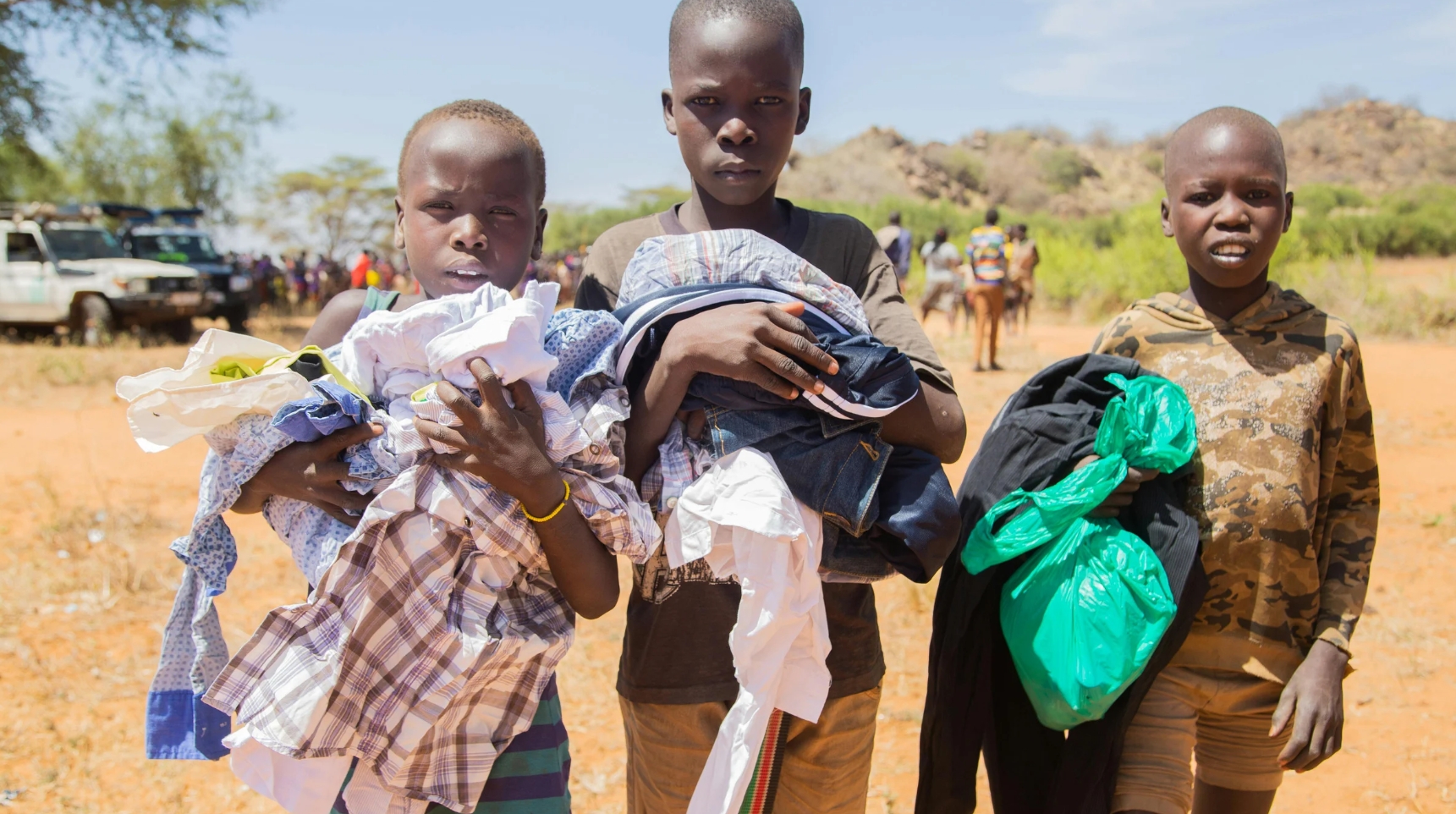
    The new strategy does not exist in a vacuum. It comes on the heels of broader foreign aid cuts and the dismantling of the US Agency for International Development (USAID), which for years was the backbone of US global health programming.

    At the same time, the United States is preparing to withdraw from the World Health Organization in early 2026, deepening the shift away from multilateral health institutions. Critics worry that walking away from the WHO and scaling back contributions to funds like the Global Fund could weaken surveillance for new disease threats, undermine vaccine campaigns and slow progress against HIV and TB in some of the world’s most vulnerable countries.

    “Self-reliance” or shifting the burden?

    Trump officials say the new framework is about fairness and sustainability. In their view, middle-income countries with growing economies should not rely indefinitely on American taxpayers to bankroll their health systems. The compacts build in co-financing targets and timelines by which governments are expected to assume more of the costs for medicines, health workers and clinics.

    Related Article :  Caring for aging parents without burning out

    Health experts and advocates don’t dispute the importance of domestic investment, but they warn the pace and scale of the shift may be unrealistic. Many of the countries involved still face high debt loads, climate-driven disasters and fragile tax bases. If US support falls faster than domestic budgets can rise, programs that provide antiretroviral treatment, malaria bed nets or childhood vaccinations could be stretched thin or quietly scaled back.

    Tensions with NGOs and questions over data access

    The “America First” strategy also echoes long-standing political skepticism in Washington toward large international NGOs. Senior officials have openly criticized what they call the “NGO industrial complex” and argue that routing money through national governments will create clearer lines of accountability.

    Yet civil society groups caution that bypassing experienced NGOs can weaken oversight and reach, particularly in rural or marginalized communities. They note that, in many countries, non-governmental clinics and community organizations have been the backbone of HIV testing and treatment, especially for key populations who may distrust government services.

    Privacy advocates have raised another concern: provisions in some agreements that allow US agencies increased access to partner countries’ health data, including information related to potential pandemic pathogens. Kenyan critics, for instance, have pressed their government to clarify what types of data the US will receive and how it will be protected, even as officials insist records will be anonymized and subject to local law.

    What’s at stake for the fight against AIDS and future pandemics

    For people living with HIV and for countries still battling AIDS, TB and malaria, the stakes are concrete. US funding has helped drive down AIDS-related deaths, expand access to antiviral drugs and prevent mother-to-child transmission in much of sub-Saharan Africa. A mis-timed pullback, advocates say, could reverse some of that progress just as new generations are coming of age.

    Related Article :  The buzzy trend in health resources that actually works, according to doctors

    There is also a broader question of global preparedness. Successful pandemic response relies on early detection, strong laboratories and rapid information-sharing. If the US withdraws from multilateral platforms while its domestic public health agencies face political pressure at home, other countries and institutions may have to fill gaps in funding and coordination.

    America’s new message to the world

    The Trump administration is betting that its new strategy will be seen as a tough-minded but practical reset: fewer blank checks to international organizations, more direct contracts with governments and clearer demands that partner countries invest in their own systems.

    For allies and critics alike, the message is unmistakable: the United States still wants to be a major player in global health, but on its own terms, with narrower priorities and sharper conditions. Whether that approach ultimately strengthens health systems — or leaves dangerous gaps in the global fight against AIDS and future pandemics — will become clearer as the first generation of “America First” health compacts plays out over the next few years.

    Follow on Google News
    Share. Facebook Twitter LinkedIn Email WhatsApp Reddit Telegram Threads Copy Link
    Previous ArticleThe truth about carbs: what nutritionists want you to know
    Next Article Myth-busting: viral claims about Trump policy and senior healthcare
    Avatar photo
    Frank Jost

    Frank is a seasoned media consultant for LiveWell Magazine, with over two decades of experience in the digital media landscape. His expertise spans online publishing, audience engagement strategies, and health communication. A recognized expert in mutual health insurance, Frank brings a unique perspective that bridges the gap between public health awareness and digital storytelling. He is passionate about making reliable health information accessible to all, and continues to help readers navigate the complexities of wellness and insurance in the digital age. https://www.linkedin.com/in/frank-jost-2097104/

    Continue reading

    Shirtless Robert F. Kennedy Jr. Devours a Twinkie in Viral Wrestling Showdown — and It’s Epic!

    By FRANK JOST

    Wound Care Revolution: How a New Medicare Payment System Aims to Cut Waste in Senior Care

    By Frank Jost

    Federal Judge Hits Pause on HHS Secretary Kennedy’s Vaccine Policy Overhaul

    By FRANK JOST

    Medicare Advantage Shifts: Payments to Plans Increase as Enrollment Hits a New Record

    By Frank Jost

    The $2,000 Cap is Here: How the New Annual Out-of-Pocket Drug Limit Saves Seniors Thousands

    By Frank Jost

    Why Conventional Health Tips Might Shift After Turning 50

    By FRANK JOST

    Transparency at HHS: How the New “Radical Transparency” Initiative Aims to Expose Big Pharma Conflicts

    By Frank Jost

    The Unexpected Superfood to Boost Your Health as You Get Older, Reveals New Research

    By FRANK JOST

    TrumpRx.gov Launched: How Seniors Can Access 80% Discounts on Prescription Drugs Starting This Month

    By Frank Jost

    The battle over “$0 premium” plans: What’s at stake for your healthcare?

    By FRANK JOST

    How Wearable Technology Could Spark a Revolution in Healthier Living

    By FRANK JOST

    Unlocking the Secrets to Healthy Aging and Longevity

    By FRANK JOST
    View 1 Comment

    1 Comment

    1. Pingback: Big headlines, small fees: why low-cost index funds don’t protect you from health-policy shocks - LiveWell Magazine

    Leave A Reply Cancel Reply

    Subscribe to Our Newsletter

    Join the Live Well Magazine Newsletter and get exclusive tips on health, wellness, lifestyle, and personal growth — straight to your inbox.

    Trending
    Nutrition

    Protein-Packed Mediterranean Dinners to Boost Your Heart Health

    Women’s Health

    How a Simple Afternoon Routine Could Transform Health for Women Over 50

    Trending

    Shirtless Robert F. Kennedy Jr. Devours a Twinkie in Viral Wrestling Showdown — and It’s Epic!

    Senior

    Wound Care Revolution: How a New Medicare Payment System Aims to Cut Waste in Senior Care

    Women’s Health

    The Overlooked Early Heart Attack Warning Signs That Women Often Mistake for Stress

    Health Resources

    Federal Judge Hits Pause on HHS Secretary Kennedy’s Vaccine Policy Overhaul

    Facebook
    • About us
    • Contact us
    • Contributors
    • Legal
    • Privacy
    © 2026 livewellmagazine.org.

    Type above and press Enter to search. Press Esc to cancel.