

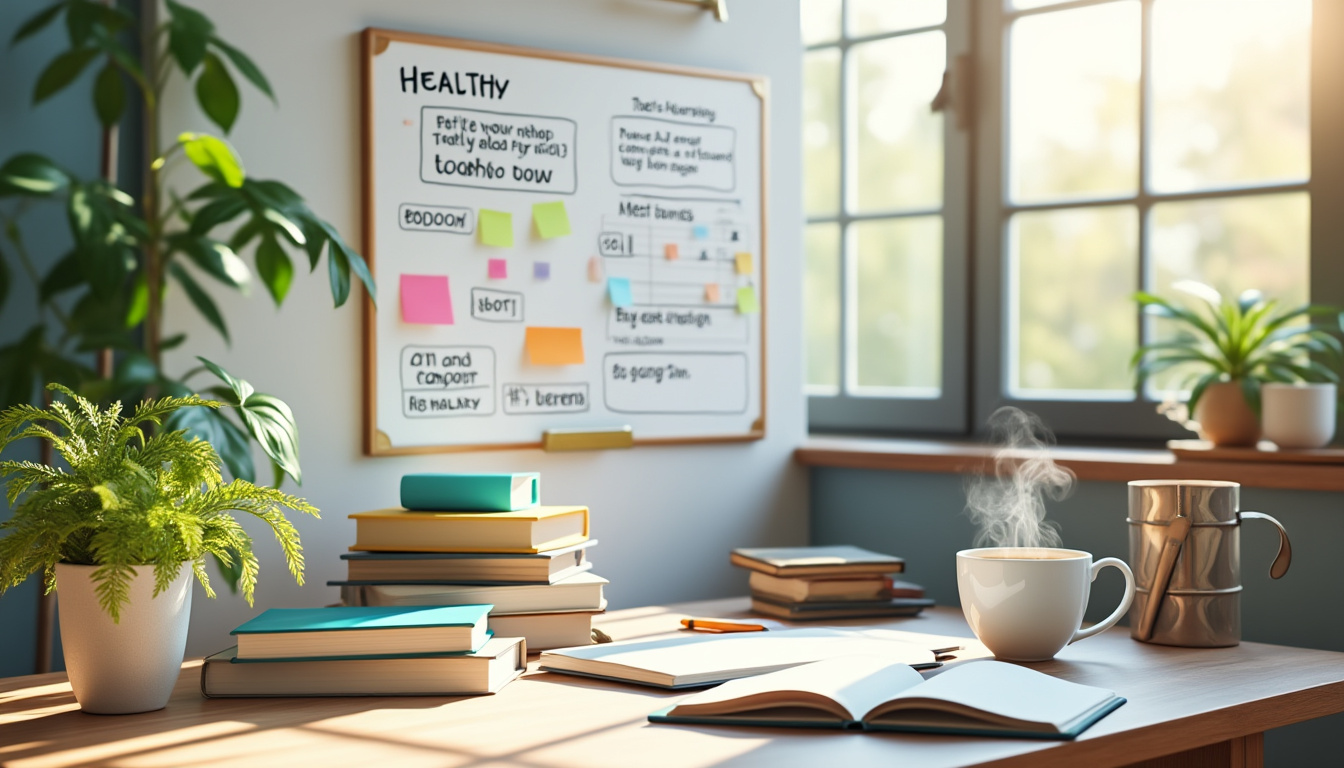
The transition back to school in 2025 is more than just a change of scenery—it’s an opportunity to embrace fresh habits that pave the way for academic excellence and overall wellbeing. As summer fades and routines are reshaped, students and families alike focus on strategies to cultivate balanced lifestyles, nurturing both mind and body for the rigorous demands of the coming months. Establishing healthy sleep patterns, balanced nutrition, and organized daily schedules are vital components to thriving throughout the year. With technological tools like Fitbit tracking physical activity, and apps such as Calm and Headspace supporting mental health, students have unprecedented resources to anchor their new routines firmly. Moreover, parental involvement and smart planning, including the use of Google Calendar or a classic Moleskine planner, reinforce sustainable habits that lead to continuous growth. This dynamic environment invites a thoughtful approach to back-to-school preparations, transcending simple checklist items to embrace holistic, life-enhancing changes.
Setting the Foundation: Prioritizing Sleep for Academic Success
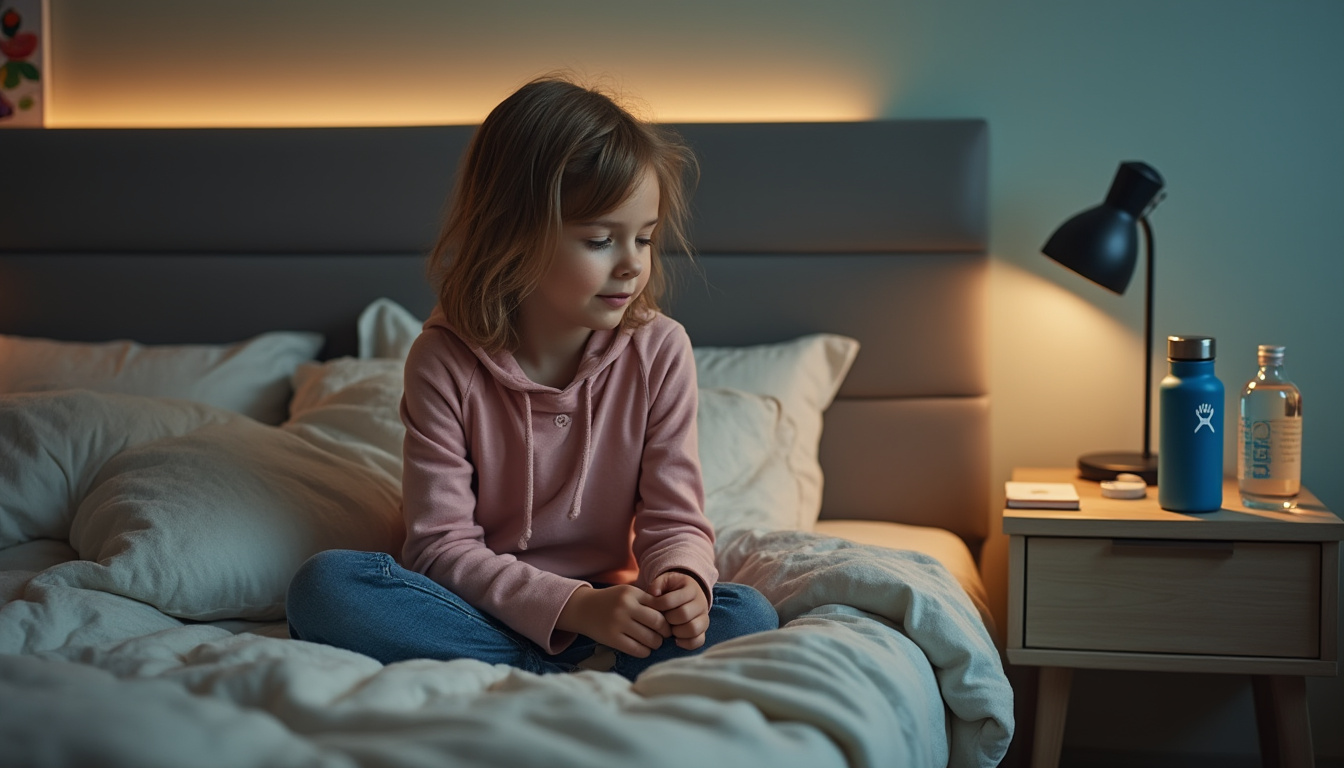
Sleep fundamentally influences every aspect of a student’s academic performance, cognitive function, and emotional stability. In 2025, the importance of healthy sleep routines has become clearer than ever, with growing scientific consensus pointing to its indispensable role in learning and memory consolidation. Returning to school often means recalibrating children’s biological clocks after the unstructured schedules of summer. This adjustment can be challenging but is crucial for maintaining alertness and motivation throughout the school day.
Practical Steps to Improve Sleep Hygiene
- Avoid afternoon naps after 3 p.m.: Although tempting after a long day, late naps can interfere with nighttime sleep rhythm.
- Gradual bedtime shifts: Moving bedtime earlier by 15-minute increments over a week helps internal clocks adjust gently to school-day requirements.
- Screen curfews: Turning off electronic devices, including smartphones, computers, and tablets, at least one hour before bedtime reduces blue light exposure, which can delay melatonin production.
- Consistent wake times: Even on weekends, keeping wake-up times steady supports a stable circadian rhythm.
- Morning routines without screens: For students who wake early, avoiding device use prevents disruptions in returning to sleep during transition periods.
Dr. Olubunmi Ojikutu, chair of Pediatrics at Reading Hospital, emphasizes that patience is key when re-establishing sleep patterns: “At first, children might find it harder to fall asleep or wake earlier than usual. However, by maintaining consistent routines, their brains and bodies will gradually realign.” This not only aids concentration and mood regulation but significantly reduces the risks of absenteeism due to illness or fatigue-related errors. Many families have reported encouraging results by combining sleep hygiene with Fitbit devices to monitor sleep quality and patterns. By setting alarms and reminders within Fitbit or Google Calendar, students reinforce structure which aligns with biofeedback data from these wearables.
Healthy sleep is the cornerstone of resilience and cognitive endurance in education. Encouragingly, numerous initiatives promote awareness of sleep’s vital role in academic success. For those interested, more detailed guidance can be explored at Live Well Magazine’s sleep routine tips page.
Nourishing the Mind: Eating Balanced Meals to Sustain Focus
Fueling students’ bodies properly directly correlates with their ability to focus, retain information, and maintain energy levels throughout the day. A nutrient-dense diet that incorporates a variety of whole foods from the five food groups—protein, fruits, vegetables, grains, and dairy—enhances both physical and cognitive health. Unlike processed or refined grains, whole grains are particularly beneficial due to their fiber content and slower digestion rates, which help stabilize blood sugar and prevent energy crashes during school hours.
Designing Meals That Power Academic Performance
- Proteins: Including items such as eggs, turkey bacon, lean meats, and low-sugar Greek yogurt provides essential amino acids for neurotransmitter synthesis.
- Fruits: Fresh fruits offer antioxidants and vitamins; pre-sliced options encourage children to choose healthy snacks without hassle.
- Vegetables: Serving vegetables in natural forms, or blended into smoothies—such as avocado or cauliflower—helps increase intake without sacrificing taste.
- Whole grains: Opt for whole wheat crackers, granola, or waffles to ensure sustained energy release.
- Dairy: Skim or 1% milk, along with non-fat yogurts with reduced sugar content, complete the nutrient profile to support bone growth and cognitive function.
Meal planning can be an engaging family activity, especially when using a Moleskine journal or digital alternatives to list favorite foods and rotate combinations. Such involvement not only motivates children to eat well but also teaches important life skills related to nutrition and organization. Blue Apron-like meal kit services have gained popularity for providing wholesome recipe options and ingredients that balance taste and health, easing the burden on busy families.
Staying hydrated throughout the school day is another critical factor. Hydro Flask bottles are ideal for keeping water cool and accessible, encouraging regular sipping that prevents dehydration-related declines in concentration. Integrating these habits supports a framework that students can easily maintain over the academic year.
Studies and expert articles at Power Pediatrics blog and Healthy Habits Peak further detail the connection between diet, health, and academic success, providing valuable resources to deepen family knowledge.
The Art of Organization: Structuring Daily Routines for Maximum Productivity
Academic success greatly depends on a student’s ability to manage time and tasks effectively. Organizing daily activities into well-defined periods can ease anxiety and help kids develop independence and accountability. Smartphone and computer calendars like Google Calendar provide visual tools to schedule assignments, sports practice, and downtime with easy notifications and adjustments. Meanwhile, traditional planners such as Moleskine notebooks engage students tactilely, reinforcing memory and intentionality.
Building Balanced Daily Schedules
A comprehensive routine might divide the day into four key segments:
- Before School (7 a.m. – 8 a.m.): Time allocated for hygiene—brushing teeth, showering—dressing, breakfast, and preparing to leave. Incorporating habits like packing backpacks and reviewing the day’s agenda encourages readiness.
- School Hours (8:45 a.m. – 2:30 p.m.): Fostering attentive engagement in learning, limiting unauthorized device usage where appropriate.
- After School (3 p.m. – 7 p.m.): Balancing activities including homework, physical play, family meals, and controlled screen time (ideally zero to two hours). The Nike Training Club app offers engaging physical workouts suitable for children, helping incorporate fun exercise into this block.
- Wind-Down (7 p.m. – 8:30 p.m.): Preparing for the next day by laying out clothes or packing materials, taking showers, and settling into quiet activities to transition to bedtime.
Parents can personalize schedules through creative tools like stickers or color coding, particularly helpful for younger children or those with special needs. This involvement strengthens ownership and adherence to routines. Utilizing the Pomodoro Timer technique during study periods can enhance focus by breaking tasks into manageable intervals with short breaks—a method supported by research in effective time management for students.
Families and educators seeking guidance on organization techniques and routine establishment will find comprehensive strategies at University Magazine and VEGA Education Blog. These articles offer deeper insights on habit formation backed by psychology and lifestyle experts.

Maintaining Wellness: Hygiene and Germ Prevention in the Classroom
As the school year progresses, maintaining physical health is crucial in minimizing disruptions caused by illness. Children need to understand invisible risks such as germs, which proliferate easily in shared environments like classrooms. Education about simple habits is profoundly effective in reducing sickness.
Practical Hygiene Habits to Promote
- Regular handwashing: Before eating, after restroom use, and following coughing or sneezing significantly lowers infection chances.
- Avoiding face touching: Reducing hand-to-mouth or hand-to-eye contact limits germ entry points.
- Utilizing hand sanitizers: When soap and water are unavailable, alcohol-based sanitizers offer a practical alternative.
- Cleaning personal spaces: Encouraging students to wipe desks and electronic devices can reduce surface contamination.
These routines, when normalized by families and schools alike, not only reduce absences but foster a culture of health awareness. Campaigns such as those highlighted by The American Heart Association’s Lifesaver League demonstrate success in instilling lifelong wellness behaviors among children through education and community support.
Leveraging Technology and Mindfulness Tools to Support Wellbeing
Implementing technology thoughtfully can amplify efforts to maintain healthy routines throughout the academic year. Tools like Fitbit track sleep, activity levels, and heart rates, providing personalized insights that motivate healthful behavior. In parallel, mental health apps such as Calm and Headspace offer guided meditation and breathing exercises to help students manage stress and anxiety linked to school pressures.
Effective Digital Tools and Apps for Students
- Fitbit: Smartwatch features for activity reminders and sleep tracking.
- Google Calendar: Scheduling classes, deadlines, and leisure time with alerts.
- Moleskine App: Digital journaling for goal-setting and reflection.
- Calm and Headspace: Mindfulness sessions to improve focus and emotional regulation.
- Pomodoro Timer: Technique-based app to enhance study productivity.
- Nike Training Club: Skill-building workouts to encourage physical fitness.
- Kindle: Access to vast educational and recreational reading materials anytime.
These resources create a supportive environment where students can take proactive control of their wellness. Embracing balance and mindfulness, enhanced by technology, helps shape resilient individuals capable of adapting to academic and life challenges. Insights into these approaches are further elaborated at Protocol Health’s blog and Brainsy’s comprehensive guide.
FAQ
How much sleep should students get during the school year? Most experts recommend that school-age children get between 9 to 11 hours of sleep per night to support learning and physical health. Consistency in bedtime and wake times also greatly enhances sleep quality.
What are simple ways to encourage kids to eat healthier? Involve children in meal planning and preparation, offer a variety of colorful fruits and vegetables, and keep healthy snacks accessible. Using playful tools like a Moleskine food journal can make the process engaging.
How can technology be used without increasing screen time stress? Choose apps designed for wellness, such as meditation or fitness trackers, and set clear limits on entertainment screen time. Scheduling app usage in tools like Google Calendar promotes balanced digital habits.
What is an effective method to improve focus during study sessions? The Pomodoro Timer technique is highly effective, involving 25-minute focused work intervals followed by short breaks, fostering sustained concentration and reducing burnout.
How can families help establish good hygiene habits that stick? Model behavior consistently, provide reminders and hygiene supplies such as hand sanitizers, and educate children about the reasons behind these habits to encourage ownership and compliance.

1 Comment
Pingback: Shielding Your Kids: Top Tips for a Healthy Cold Season