

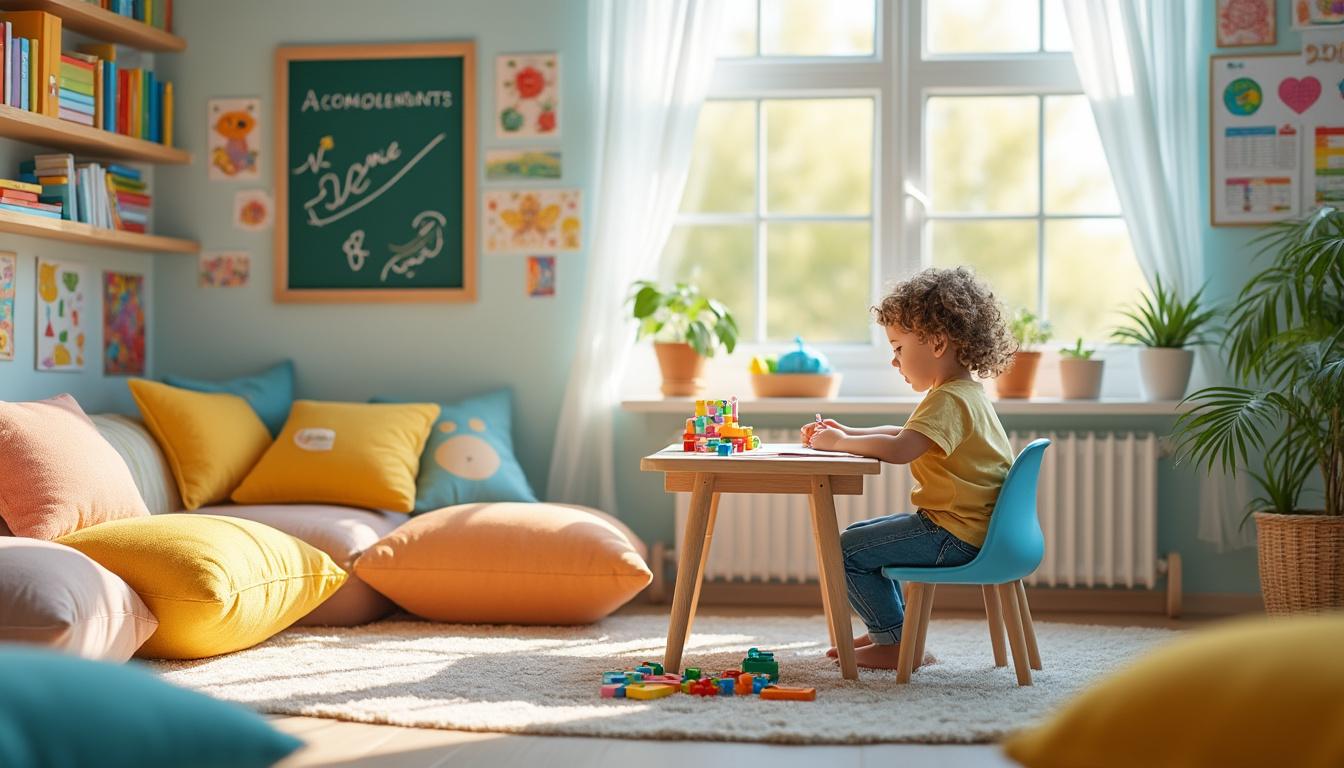
Raising a child with ADHD invites a unique set of challenges and rewarding breakthroughs. This neurodevelopmental disorder affects millions of children worldwide, making focus, impulse control, and behavioral regulation daily hurdles. However, an arsenal of effective therapy activities, grounded in natural and cognitive approaches, offers pivotal support. Tailored strategies, when combined with consistency, emotional regulation tools, and skill-building exercises, empower children to navigate their environment confidently. As research expands in 2025, integrating technology and traditional therapy enriches interventions further, fostering brighter paths for children with ADHD and their families.
Understanding Core Symptoms and Their Impact on ADHD Children
Recognizing ADHD symptoms helps parents and caregivers address the condition’s multifaceted impact. Typically, children with ADHD present difficulties with inattention, such as struggling to sustain focus during homework or play. They may exhibit hyperactivity, displaying restless behavior that manifests through fidgeting or constant movement. Impulsivity is another hallmark, seen in hasty actions without anticipating consequences. Additionally, many face organizational challenges, leading to forgetfulness and lost belongings.
- Inattention: Difficulty sustaining focus or following detailed instructions.
- Hyperactivity: Persistent physical activity or restlessness beyond age norms.
- Impulsivity: Acting hastily, interrupting conversations, or difficulty waiting their turn.
- Organization and Time Management: Losing items, struggling with deadlines, or managing tasks.
Understanding these symptoms is the anchor point for effective interventions that address both behavioral and academic challenges your child may face.
Why Structured Therapy Activities Make a Difference
Therapy activities provide a vital framework of structure and routine that children with ADHD thrive upon. When a child’s daily schedule incorporates predictable activities, it reduces anxiety and helps channel excess energy productively. For instance, using tools like Time Timer and tactile aids such as Fidgetland fidget toys can anchor children’s attention during tasks.
- Enhances focus through consistent routines and repetition.
- Builds specific skills like impulse control and emotional regulation.
- Boosts confidence with small, achievable goals that accumulate success.
- Promotes emotional resilience by teaching children to identify and manage feelings via mindfulness and calm down techniques.
Incorporating these activities regularly helps transform ADHD from a disruptive force into manageable challenges with positive coping mechanisms.
Top Activities to Improve Attention and Problem-Solving in ADHD Children
Focused attention and problem-solving sit at the core of academic and social success for children with ADHD. Integrating engaging, playful techniques sharpens these skills in accessible ways.
- Scavenger Hunts: These encourage planning and sustained attention while stimulating cognitive flexibility through clue-finding challenges.
- Interactive Storytelling: Kids construct imaginative solutions, enhancing creativity and their ability to view problems from multiple perspectives.
- Puzzles and Brain Teasers: From Melissa & Doug puzzles to logic riddles, these activities bolster patience and persistence.
- Memory Games: Exercises that target pattern retention and recall build concentration effortlessly.
Such task-centered games are versatile, adaptable for home use or therapy sessions, and can be enhanced using products from Learning Resources or Lakeshore Learning for hands-on engagement.
Mindfulness and Calming Strategies That Reduce Stress
ADHD frequently intensifies emotional highs, making calmness an essential therapeutic goal. Mindfulness-based exercises focus children on the present moment, lowering anxiety and fostering better self-control.
- Deep Breathing Exercises: Simple techniques using slow breaths help mediate racing thoughts.
- Progressive Muscle Relaxation: Sequentially tensing and relaxing muscles increases body awareness and physical calmness.
- Art Therapy: Creative outlets such as drawing or crafting with tools like Chewigem provide therapeutic nonverbal expression and reduce stress.
- Using Calming Tools: Incorporate items such as Calm Strips and devices like Zenimal for guided meditation sessions to aid relaxation.
Parents and therapists can weave these activities seamlessly into routines to combat emotional dysregulation.
Enhancing Social Skills and Impulse Control Through Play and Collaboration
Social skills training is critical as children with ADHD often struggle with peer interactions, impulse control, and nonverbal cues. Play-centered activities build competence and confidence simultaneously.
- Group Therapy Activities: Team projects encourage cooperation and understanding of social dynamics.
- Scenario-Based Role Play: Practicing responses to social dilemmas builds empathy and thoughtful decision-making.
- Board Games: Strategic games, including those from Gonge or Melissa & Doug, encourage rule-following, turn-taking, and delay gratification.
- Impulse Control Games: Classics like “Simon Says” and “Red Light, Green Light” help children practice restraint in a spirited setting.
Combined with behavior management strategies like positive reinforcement and clear expectations, these activities foster improved social competence and emotional regulation.
Active Physical Engagement for Energy Regulation and Focus
Physical activity is a natural and powerful way to help children with ADHD channel boundless energy while building focus.
- Outdoor Team Sports: Activities such as soccer or basketball develop coordination and teamwork.
- Yoga and Tai Chi: Mindful movement practices enhance balance and self-discipline.
- Dance and Martial Arts: Creative and disciplined physical outlets provide structured energy release and improved concentration.
- Obstacle Courses and Nature Walks: Stimulating physical challenges that sharpen problem-solving and sensory integration.
Regular engagement in such physical activities complements cognitive therapy, creating synergy in behavior and emotional control.
Parenting and Behavior Management Tips to Support ADHD Therapy
Parent involvement and behavior management are foundational pillars supporting a child’s progress. Strategies that create stability and positivity greatly influence outcomes.
- Establish Consistent Routines: Stability reduces chaos; tools like the Time Timer app helps maintain schedules.
- Clear Rules and Expectations: Children with ADHD thrive when they understand boundaries and consequences.
- Positive Reinforcement: Frequent praise and rewards reinforce desirable behaviors and build self-esteem.
- Collaborate with Educators: Working with schools to implement individualized plans such as IEPs ensures academic support that translates to success.
- Seek Professional Guidance: Occupational therapists and counselors offer tailored interventions enhancing home and school strategies.
Patience, flexibility, and ongoing education form the backbone of these parenting techniques, enabling your child to flourish despite challenges.
Assistive Tools and Resources to Complement Therapy
Integrating specialized products and educational materials amplifies the therapeutic process. Favorites among therapists and families are:
- Cognifit: Digital brain training programs targeting cognitive functions.
- Fidgetland: Creative fidget tools for focus and sensory needs.
- Melissa & Doug: Educational toys promoting fine motor skills and attention.
- Calm Strips: Tactile strips designed to reduce anxiety and sensory overload.
- Learning Resources & Lakeshore Learning: Hands-on educational kits enhancing academic skills.
- Chewigem: Oral sensory chews promoting calmness and attention.
- Zenimal: Mindfulness guided meditation devices simplifying relaxation for children.
Coupling these tools with dedicated therapy maximizes the potential for success in daily life.
For further information and expert advice, visit Live Well Magazine, a trusted resource offering up-to-date insights into health and wellness.
