


You may have heard whispers of a new drug menace sweeping through parts of the United States—substances so potent and dangerous that they’ve earned the nicknames “zombie drug” and “horse tranquilizer.” These terms refer to a deadly duo: xylazine and ketamine. Originally developed as veterinary anesthetics, both have found their way into the illicit drug market with devastating consequences. But what exactly are these substances, and why are they causing such alarm?
From veterinary medicine to street drug: What are ketamine and xylazine?
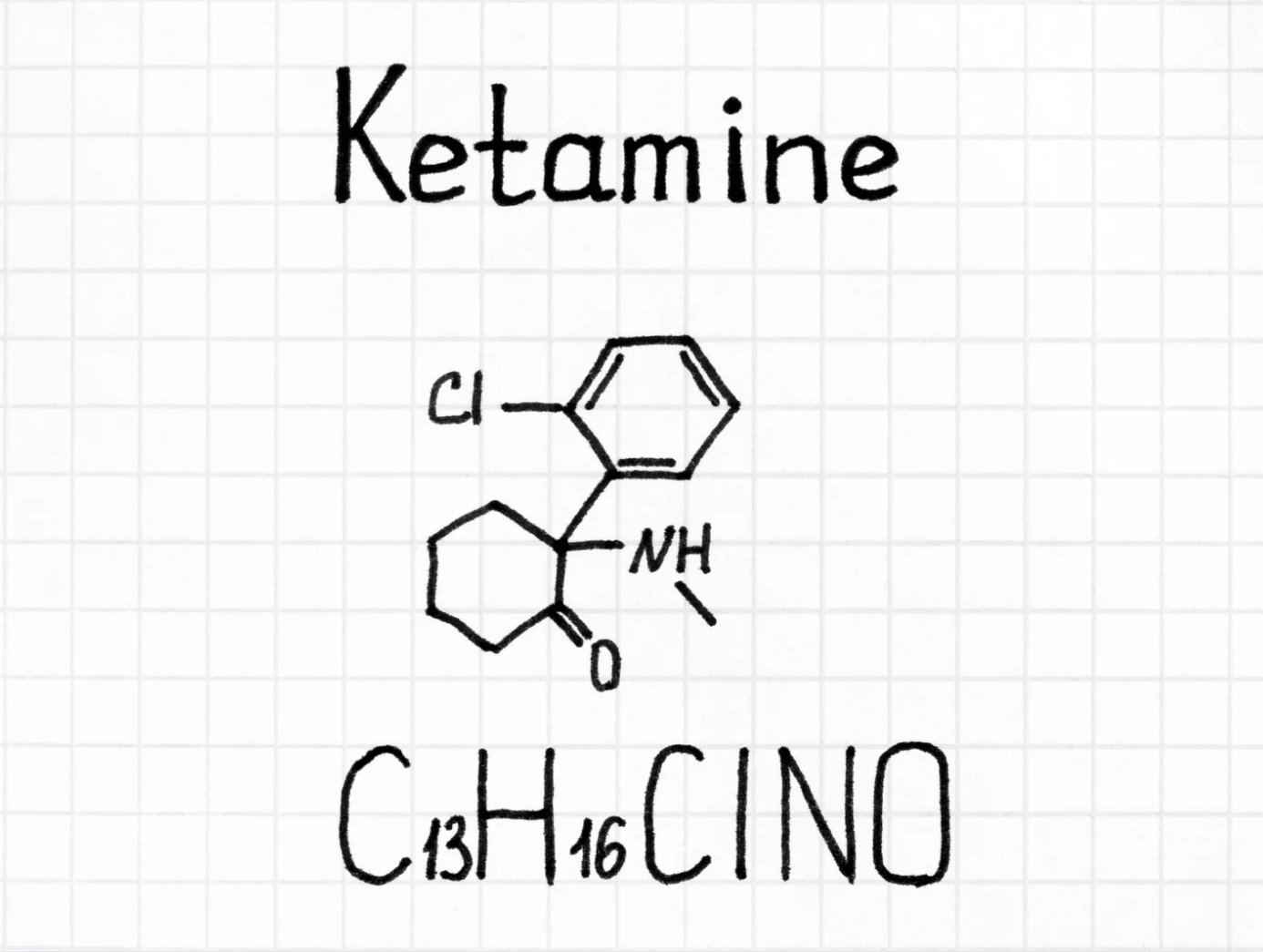
Ketamine was first synthesized in the 1960s as a safer alternative to PCP. It’s widely used today in veterinary medicine for its rapid-acting anesthetic and pain-relieving properties, especially for large animals like horses and cattle. In human medicine, it’s sometimes used in surgical settings and, more recently, in controlled doses to treat treatment-resistant depression under the brand name Spravato®.
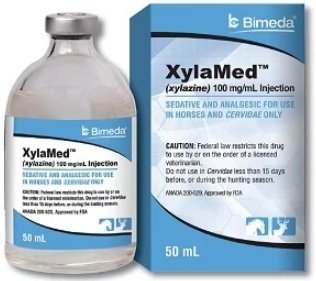
Xylazine, on the other hand, is not approved for human use at all. It is an alpha-2 adrenergic agonist, which means it slows down key physiological processes: lowering heart rate, blood pressure, and levels of neurotransmitters like dopamine. Like ketamine, it’s used to sedate large animals—but on the streets, its off-label use has turned into a public health nightmare.
Why people are abusing these drugs—and at what cost
Illicit drug users are drawn to these substances for their strong dissociative effects. When taken recreationally, ketamine can cause vivid hallucinations, a feeling of floating, or an out-of-body experience. This has made it popular in rave culture and underground party scenes, but it’s increasingly showing up in private, more casual settings among people looking to self-medicate or “check out” from daily stress.
Xylazine’s effects are even more alarming. Often described as a “zombie-like” state, users exhibit slow, staggering movements, disorientation, and a haunting lack of awareness. Its powerful sedative qualities can produce euphoria, numbness, and muscle relaxation—but at a devastating cost to health and safety.
Unpredictable and dangerous effects
 As with any drug, the impact of ketamine or xylazine depends on various factors: the dose, the user’s weight, age, overall health, mental state, and any other substances taken at the same time. But both can cause serious harm even in small amounts, especially when combined with opioids or alcohol.
At high doses, ketamine use can lead to what’s known as a “K-hole”: a terrifying dissociative state in which users are unable to move or speak, experiencing intense hallucinations and a profound sense of dread. Some report feeling like they’re having a near-death experience. These effects may last hours, and psychological trauma can linger long after the drug wears off.
Xylazine, meanwhile, suppresses the central nervous system so severely that it can slow breathing, reduce body temperature, and trigger cardiac arrest. Unlike opioids, it does not respond to naloxone (Narcan), making overdoses even more difficult to reverse.
Addiction and long-term damage
Despite the illusion of control that some users may feel, both substances are highly addictive. Tolerance builds quickly, leading people to take larger and riskier doses just to feel the same effects. Psychological and physical dependence often follows, trapping users in a destructive cycle.
The long-term impact is devastating. Chronic ketamine use has been linked to memory loss, depression, bladder damage, and severe cognitive impairment. Xylazine poses an additional risk: users can injure themselves without realizing it, due to the drug’s numbing effects. Reports of severe skin ulcers and infections are increasingly common, especially when xylazine is injected.
When combined with opioids, the danger multiplies

One of the most alarming trends in the U.S. is the growing presence of xylazine in the illicit opioid supply, particularly fentanyl. Because fentanyl’s effects are short-lived, dealers are now mixing xylazine to prolong the high—often without users even knowing it. This combination significantly raises the risk of overdose, coma, or death.
And the numbers reflect the crisis. In the U.S., xylazine was detected in only 2% of overdose deaths a decade ago. By 2019, that number had skyrocketed to over 30%, and it continues to climb. Ketamine, while less common in fatal overdoses, has still been implicated in numerous deaths—including that of actor Matthew Perry, best known for his role as Chandler Bing on Friends.
A growing threat beyond the U.S.
While ketamine and xylazine abuse is still relatively rare in Europe and countries like France, health authorities are keeping a close eye on developments. These substances are not yet part of widespread trafficking networks in many countries—but that could change quickly. As synthetic drugs become easier to produce and smuggle, the risk of global spread grows.
Both ketamine and xylazine are powerful medications with specific medical uses—but on the street, they become something else entirely. Their effects may seem appealing at first, but the reality is far more dangerous. These so-called “zombie drugs” can destroy lives, impair brain function, and lead to fatal overdoses.
Whether you’re a health professional, a concerned parent, or someone navigating your own recovery journey, awareness is critical. Recognizing the risks and educating others could save lives.

1 Comment
Pingback: Ketamine’s double life: Medical miracle or street menace? – Health talks