


Hormones play a pivotal role in maintaining our body’s equilibrium, acting as master regulators of processes like mood, metabolism, reproductive health, and sleep patterns. When these chemical messengers fall out of balance, the effects ripple through every aspect of our wellbeing, manifesting in diverse and often confusing symptoms. In 2025, with lifestyle stressors mounting and environmental influences evolving, hormone imbalances are more prevalent than ever—affecting approximately 80% of women according to recent studies. Recognizing the top signs your hormones are out of balance empowers you to take control before minor issues spiral into chronic health challenges. Whether it’s unexpected weight fluctuations, sudden mood swings, or persistent fatigue, understanding these symptoms can help you precisely target hormonal health with effective strategies and informed conversations with your healthcare provider.
This article sheds light on the critical signals your body sends when hormones misalign. From irregular menstrual cycles to sleep disturbances and skin changes, failing to acknowledge these warning signs can significantly impact life quality. In parallel, we explore scientifically backed natural approaches and supplements from trusted brands like Thorne Research, Hormone Harmony, FemFusion Wellness, and Sera Labs, alongside lifestyle interventions inspired by experts such as Diane Sanfilippo.
Preparing to engage with your healthcare provider effectively is also key—being armed with detailed symptom logs and targeted questions can transform your medical consultations. Embracing hormone harmony isn’t just about correcting imbalances; it’s about rediscovering optimal health and vitality through empowered, personalized care.

Understanding the Vital Role of Hormones in Overall Health
Hormones function as biochemical conductors, finely tuning nearly every body function—from regulating energy consumption and weight management to governing emotional stability and reproductive cycles. A minor hormonal disruption can trigger a cascade of symptoms affecting multiple systems.
Key hormonal phases—like puberty, pregnancy, perimenopause, and menopause—naturally challenge this balance. Beyond these, stress, poor nutrition, and environmental toxins contribute substantially to hormonal dysregulation today. According to Verywell Health, early detection is paramount in preventing long-term health issues.
- Energy regulation: Thyroid hormones control metabolism’s pace, influencing weight and vitality.
- Mood and cognition: Estrogen and progesterone impact emotional responses and mental clarity.
- Reproductive health: Hormones orchestrate menstrual cycles, fertility signaling, and sexual function.
- Sleep quality: Cortisol and melatonin regulate sleep-wake rhythms, pivotal for restoration.
Leading health organizations such as Balance Genomics emphasize integrative approaches combining testing, lifestyle, and supplementation for optimized hormone function.
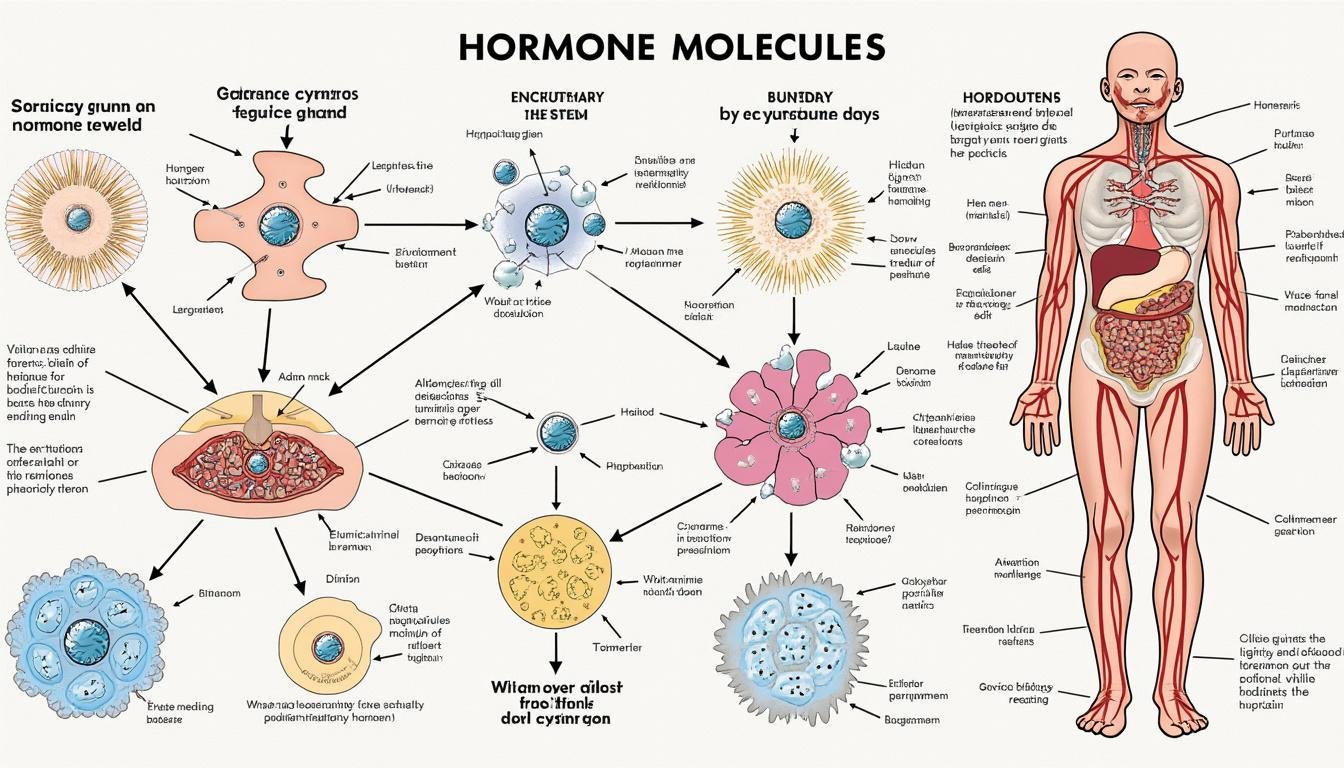
Key Symptoms Indicating Your Hormones May Be Out of Balance
Identifying hormonal imbalance requires vigilance towards certain telltale signs. These symptoms commonly indicate that crucial hormones like estrogen, progesterone, testosterone, thyroid hormones, or cortisol are astray:
- Irregular periods: Erratic cycle length or flow reflects estrogen-progesterone imbalance.
- Persistent fatigue: Feeling drained despite rest often signals thyroid or adrenal hormone dysfunction.
- Unexplained weight changes: Difficulty losing weight or sudden abdominal fat gain can stem from insulin resistance or thyroid issues.
- Mood swings and anxiety: Fluctuations in sex hormones impact neurotransmitter balance.
- Sleep disturbances: Trouble falling or staying asleep with night sweats suggests progesterone deficiency or cortisol excess.
- Skin problems: Adult acne or dry, itchy skin may result from androgen imbalance or estrogen decline.
- Decreased libido: Low sexual desire often correlates with testosterone or estrogen shifts.
- Hot flashes and night sweats: Classic menopause symptoms linked to sharp estrogen drops.
If you experience any combination of these symptoms, exploring detailed hormone testing with your healthcare provider can uncover underlying causes. Resources like Live Well Magazine and Women’s Health Magazine offer insightful guides to recognize and manage hormonal disruptions.
Effective Strategies to Restore Hormonal Balance Naturally
Restoring hormonal balance requires a holistic strategy bridging lifestyle changes, dietary adjustments, targeted supplementation, and when necessary, medical therapy. Integrative brands like VitaFlex, Wellness Within, and Seed Health provide supplements supporting hormone synthesis and stress resilience.
Here’s a pragmatic approach to rebalance your hormones naturally:
- Optimize Nutrition: Incorporate hormone-friendly foods such as cruciferous vegetables, omega-3 rich fish, and foods rich in antioxidants and essential fats.
- Manage Stress: Engage in mindfulness, meditation, and breathing exercises to lower cortisol levels.
- Regular Physical Activity: Moderate cardio and resistance training can improve insulin sensitivity and reduce adrenal stress.
- Sleep Hygiene: Prioritize consistent sleep schedules and environments that encourage natural melatonin production.
- Targeted Supplements: Consider products from Thorne Research or Hormone Harmony under medical supervision.
Experts like Diane Sanfilippo advocate for a personalized, evidence-based approach combining nutritional interventions with lifestyle optimization to maintain hormone harmony effectively.

Guidance on Discussing Hormonal Concerns with Your Healthcare Provider
Approaching your healthcare provider about hormonal issues can be daunting. However, clear communication significantly influences diagnosis and treatment success. To prepare:
- Document Symptoms: Keep a detailed journal noting symptom onset, frequency, and severity.
- List Medications and Lifestyle: Share information about diet, exercise habits, sleep patterns, and stress levels.
- Ask Specific Questions: Inquire about hormone testing options such as blood work or saliva panels.
- Discuss Treatment Preferences: Explore natural therapies, supplements (from companies like Care/of and FemFusion Wellness), and hormonal therapies.
- Seek Specialist Referrals: Consider consulting endocrinologists or integrative medicine experts for comprehensive care.
Resources like Cleveland Clinic’s guide on hormonal imbalance can further equip you with questions and expectations to navigate your healthcare journey.
