


Harnessing Autumn’s Natural Rhythm: The Rise of The Great Lock-In Wellness Trend
As the vibrant hues of autumn spread across landscapes worldwide in 2025, a unique wellness phenomenon, The Great Lock-In, has captivated thousands seeking meaningful self-care transformations. Unlike year-end resolutions that often falter, this trend capitalizes on fall’s natural slowdown to encourage individuals to establish and solidify healthy routines well before winter and the busy holiday season.
Originating from viral TikTok communities and spreading across numerous social platforms, The Great Lock-In urges participants to commit from September 1st to December 31st to a personal regimen tailored to their unique wellness goals. The impact is significant as it fosters sustained discipline grounded in intentionality rather than rigid perfectionism. By focusing energy within this defined period, millions have discovered a powerful framework for growth and renewal without waiting for a symbolic “new year.”
California-based behavioral analyst Laurie Singer emphasizes starting with realistic, small goals. “Achieving even minor milestones propels motivation forward,” she explains. For example, incorporating a 15-to-20-minute morning walk or jotting down daily affirmations can help anchor a wellness reset. This approach aligns with other modern wellness apps such as Calm, Headspace, and Peloton, which advocate for accessible, incremental lifestyle changes to form lasting beneficial habits.
Participants utilize varied tools depending on personal preference, often integrating platforms like WHOOP and Oura to track sleep and recovery, while others lean on class memberships through ClassPass or digital guided tutorials found on Alo Moves and Mirror. This blend of technology and social accountability underpins the growing momentum behind The Great Lock-In.
10 quick checks to spot low-quality supplements before you buy - plus research-backed doses for 12 common ingredients. Free PDF, no spam.
Understanding the psychological power of setting achievable checkpoints helps counteract the common “all or nothing” mindset. According to fitness expert Marc Santa Maria from Crunch Fitness, pacing oneself by scheduling two to three manageable workout sessions weekly is crucial to prevent burnout. The habit-building phase here prioritizes consistency and enjoyment over immediacy of results, setting a foundation for long-term wellbeing.
- Capitalize on fall’s slower pace to set focused wellness goals
- Start with short, realistic actions like daily walks or journaling
- Integrate wearable tech such as WHOOP and Oura to monitor progress
- Leverage digital platforms like Peloton and Mirror for structured routines
- Maintain balance to avoid burnout by pacing exercise intensity
For an in-depth look at how this trend is reshaping wellness dynamics, explore coverage by MSN Health and the viral social media implications discussed on Bustle’s wellness section.

Building Wellness Habits for Lasting Impact Beyond the Seasonal Shift
What truly distinguishes The Great Lock-In trend from fleeting challenges is its emphasis on habit sustainability. Health professionals warn against viewing this practice as a temporary “crash course” in wellness. Instead, the goal is weaving incremental improvements so seamlessly into daily life they become second nature.
Registered dietitian Lauren Harris-Pincus highlights the effectiveness of focusing on small yet meaningful dietary changes in this period. Saying, “Commit to adding just one serving of fruit or vegetables per meal – this manageable shift harvested over months yields marked benefits.” Additionally, meal prepping or supplementing diets with protein-rich foods like beans are practical strategies that anchor these new habits.
This approach counters common pitfalls where individuals abandon good intentions due to perfectionism or guilt. Harris-Pincus reminds participants, “Life disrupts plans — sickness, travel, work deadlines — but rebounding quickly by returning to routines maintains momentum.” Empathy toward oneself is key in The Great Lock-In philosophy, which encourages grace without guilt.
Fitness routines emphasize simplicity and accessibility. Marc Santa Maria advises integrating activities such as walking or stretching, building up gradually with the addition of accountability mechanisms—like partnering with a friend or scheduling workouts as non-negotiable appointments. This mindset shift refines wellness from a chore to a sustainable lifestyle.
- Focus on small, achievable nutrition habits: adding servings of produce or protein
- Use meal prepping as a tool to simplify healthy eating
- Allow for flexibility and self-compassion amid life’s interruptions
- Embrace simple fitness activities scheduled consistently
- Create accountability networks to encourage adherence and progression
Exploring long-term habit formation within wellness, several resources like the Daily Wellness Routines guide provide practical insights for busy individuals aiming to foster lasting results.
For mental wellbeing, carving out daily micro-breaks—3 to 5 minute intervals devoted to breathing or reflection—is another pivotal practice promoted by therapists. Combining physical, nutritional, and mental-focused dimensions solidifies a holistic approach reflective of The Great Lock-In’s ethos.
Embedding Technology and Community Support in The Great Lock-In Journey
Modern wellness heavily intersects with technological innovations, playing a vital role in supporting sustained success during The Great Lock-In. Utilizing tools like the Therabody massage devices aids muscle recovery, while meditation apps Calm and Headspace offer guided sessions targeting stress reduction and mindfulness enhancement.
Community-oriented platforms such as ClassPass and synchronized schedules foster social engagement, making accountability easier and activities more enjoyable. Participants often report higher commitment when surrounded by like-minded peers pursuing similar goals. This aligns with expert advice that social reinforcement is a cornerstone for habit permanence.
Digital health and wellness tracking devices WHOOP and Oura further provide personalized biofeedback on sleep, recovery, and activity patterns. Such data empowers individuals to adapt their routines smartly and sustainably, responding to real-time bodily cues rather than arbitrary demands.
- Incorporate Therabody products for active recovery and muscle wellness
- Use meditation apps Calm and Headspace to manage mental stress
- Engage with community classes via ClassPass or virtual platforms
- Track biofeedback through WHOOP and Oura for personalized guidance
- Leverage social reinforcement to enhance motivation and consistency
For a comprehensive look into how technology complements contemporary self-care, visit LiveWell Magazine’s technology wellness section, highlighting emerging trends and user experiences.
Managing Expectations and Avoiding Burnout in Extended Self-Care Commitment
One of the biggest challenges participants face during The Great Lock-In is balancing ambition with sustainable effort. The enthusiasm to overhaul wellness rapidly often leads to exhaustion or injury. Experts caution that the “all or nothing” mentality is counterproductive, and preventing burnout requires intentional pacing.
Fitness leader Marc Santa Maria suggests beginning with two or three 30-minute sessions weekly focusing on personal enjoyment instead of intense goals. This may include walking, yoga, or low-impact stretching tailored to individual preferences and abilities. Gradually increasing intensity thereafter minimizes strain while maintaining enthusiasm.
Registered psychotherapist Laurie Singer also highlights the importance of celebrating every small success as a means to preserve motivation. This positive reinforcement loop creates confidence that fuels further action. She stresses, “We must walk before we run, viewing the process as the reward.”
When life’s unpredictability leads to missed sessions or disrupted habits, instructors recommend embracing flexibility. Swiftly returning to routines rather than abandoning them prevents negative self-assessment and guilt, facilitating longer-term adherence.
- Start with manageable workout durations and gentle progression
- Prioritize enjoyable exercises to enhance consistency
- Celebrate small wins to sustain motivation
- Approach setbacks with flexibility rather than guilt
- Envision progress as a process, not a one-time achievement
Experts also highlight prioritizing sleep quality, considered one of the most powerful aids in body recovery and resilience. Settings such as phone background reminders, inspired by goals, help maintain focus on holistic wellbeing. These tactics significantly contribute to cultivating a resilient mindset during the four-month commitment.
To explore additional strategies on avoiding burnout and nurturing mental health, the Nurturing Wellness series offers detailed perspectives suited to fluctuating lifestyles.
Financial and Mental Wellness Synergy: Expanding The Great Lock-In Beyond Physical Health
The Great Lock-In trend extends well beyond physical health tweaks — incorporating financial planning and mental health priorities. As reported by Associated Press, many participants fuse their wellness journey with economic goals, embracing budgeting and mindful spending during these four pivotal months.
Experts recognize that combining financial responsibility with health habits creates a synergistic effect; reduced stress from fiscal discipline fosters better focus and energy for wellness activities. Platforms like Noom have even created hybrid programs emphasizing holistic lifestyle improvements including nutrition, exercise, and mindful money management.
Mental wellness receives equal attention with deliberate practices aiming to combat digital distractions, improve sleep hygiene, and foster mindfulness. Digital tools such as Calm and Headspace play crucial roles in these realms, offering guided meditations and sleep aids to enhance cognitive clarity and emotional resilience.
This integrated approach to wellbeing reflects a modern understanding that health is multifaceted, encompassing mind, body, and wallet. Participants committed to The Great Lock-In often share gains not just in physical vitality but also in emotional stability and financial confidence, illustrating its broad transformative potential.
- Incorporate budgeting and financial wellness into daily routines
- Use apps like Noom to address nutrition and financial habits together
- Practice mindfulness and meditation to enhance mental clarity
- Combat digital distractions to improve focus and calmness
- Recognize wellness as a holistic fusion of body, mind, and finances
To dive deeper into the financial and mental wellness facets of The Great Lock-In, readers are encouraged to consult reliable analyses such as the Associated Press feature and lifestyle perspectives from The UNN.
Community, Education, and Longevity: Making The Great Lock-In a Lifestyle Movement
The sustainability and impact of The Great Lock-In gains strength through community involvement and education. Wellness thinkers advocate connecting participants with local clubs, cooking classes, or fitness groups to maintain motivation.
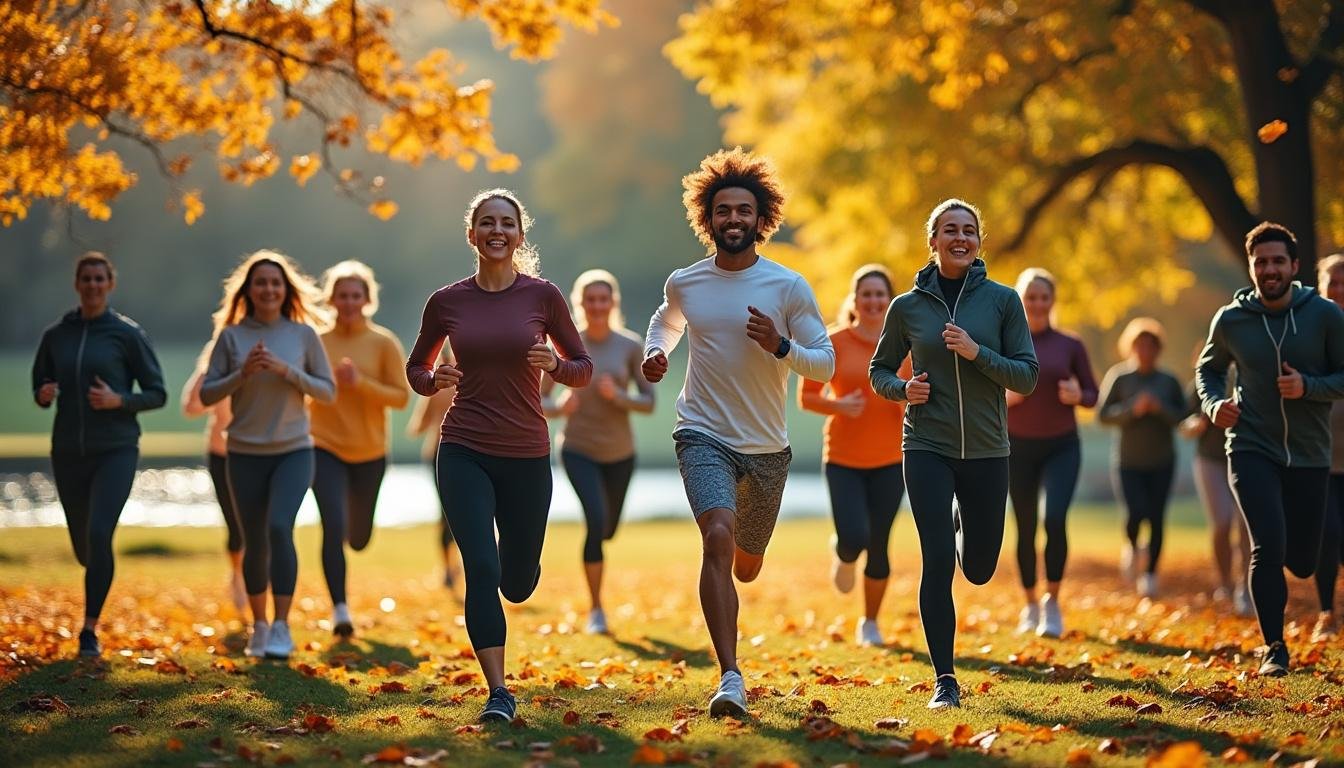
Laurie Singer suggests that engaging with supportive peers enhances resilience against lapses. For instance, running clubs or plant-based cooking classes offer shared interests that make continued effort enjoyable rather than isolating. This social reinforcement is critical to embedding positive habits across time.
On the educational side, ongoing learning about health practices, sleep optimization, and immune support equip individuals better to maintain wellness routines despite life’s challenges. Numerous resources, including Baylor University’s innovative text-based health initiative and LiveWell Magazine’s extensive wellness tips, serve as touchstones for aspirants focused on lifelong vitality.
Moreover, public health campaigns targeting seasonal respiratory illness and immunity underscore the importance of these habits beyond personal gains to community well-being. The Great Lock-In, therefore, merges individual transformation with broader social health imperatives.
- Participate in community-based wellness activities to sustain engagement
- Join fitness and cooking clubs aligned with your lifestyle goals
- Utilize educational platforms to deepen knowledge about health and immunity
- Follow public health guidance to protect against seasonal illnesses
- Frame wellness as a lifelong journey supported by social and institutional networks
Curious readers can explore such educational resources at Baylor University’s health initiative and the comprehensive lifestyle guides available through LiveWell Magazine.
What is The Great Lock-In wellness trend?
The Great Lock-In is a seasonal self-improvement movement typically spanning from September 1 to December 31, where participants commit to focused, realistic wellness goals across physical, mental, and financial health to create sustainable habits before the new year.
How can beginners start The Great Lock-In without feeling overwhelmed?
Starting with small, attainable goals such as short daily walks, simple nutrition changes, or micro mental breaks helps build momentum. Using apps like Calm, Peloton, or WHOOP can provide guidance, while pacing yourself and celebrating small victories prevent burnout.
Can The Great Lock-In help improve mental health?
Yes, mental wellness is a core component of The Great Lock-In. Practices such as mindfulness meditation using apps like Headspace or Calm, prioritizing sleep, and carving out daily micro-breaks contribute significantly to emotional balance and stress reduction.
Is The Great Lock-In solely focused on physical fitness?
No, the trend promotes a holistic approach involving physical activity, nutrition, mental wellbeing, and even financial health to foster comprehensive lifestyle improvements and personal growth.
How does community involvement enhance success in The Great Lock-In?
Joining fitness classes, cooking workshops, or local clubs offers social support, motivation, and shared accountability, which are key factors in maintaining habits long-term and enriching the wellness journey.
10 quick checks to spot low-quality supplements before you buy - plus research-backed doses for 12 common ingredients. Free PDF, no spam.
