

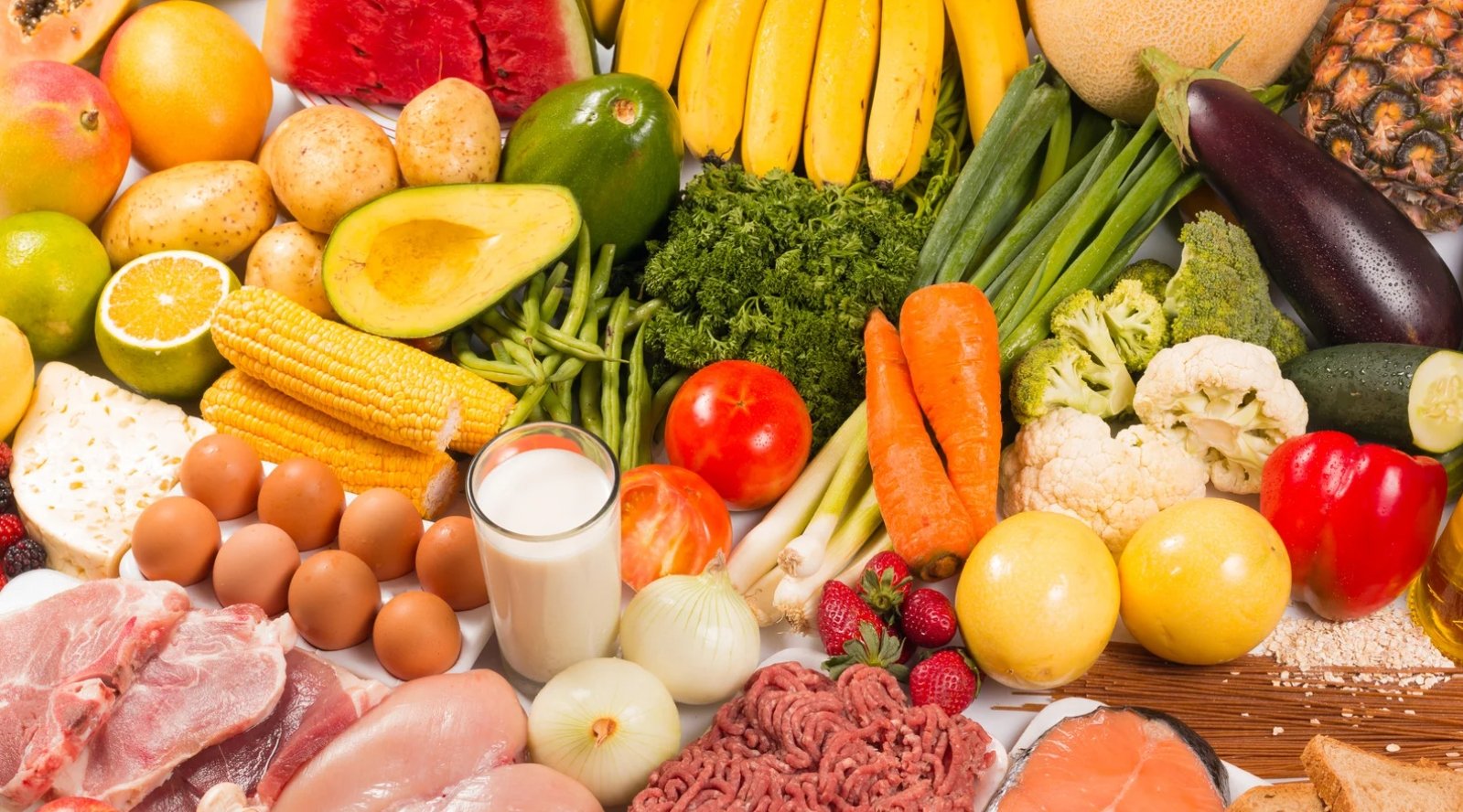
Incorporating powerful, nutrient-rich foods into your weekly routine isn’t just about staying in shape — it’s about building long-term health, maintaining energy, and preventing disease as we age. As a doctor, nutritionist, and certified sports trainer specializing in aging and wellness, I’ve seen firsthand how a consistent diet of whole foods can transform both body and mind. So, what should be on your plate every week? Let’s explore the ten foods your body will thank you for.
1. Salmon
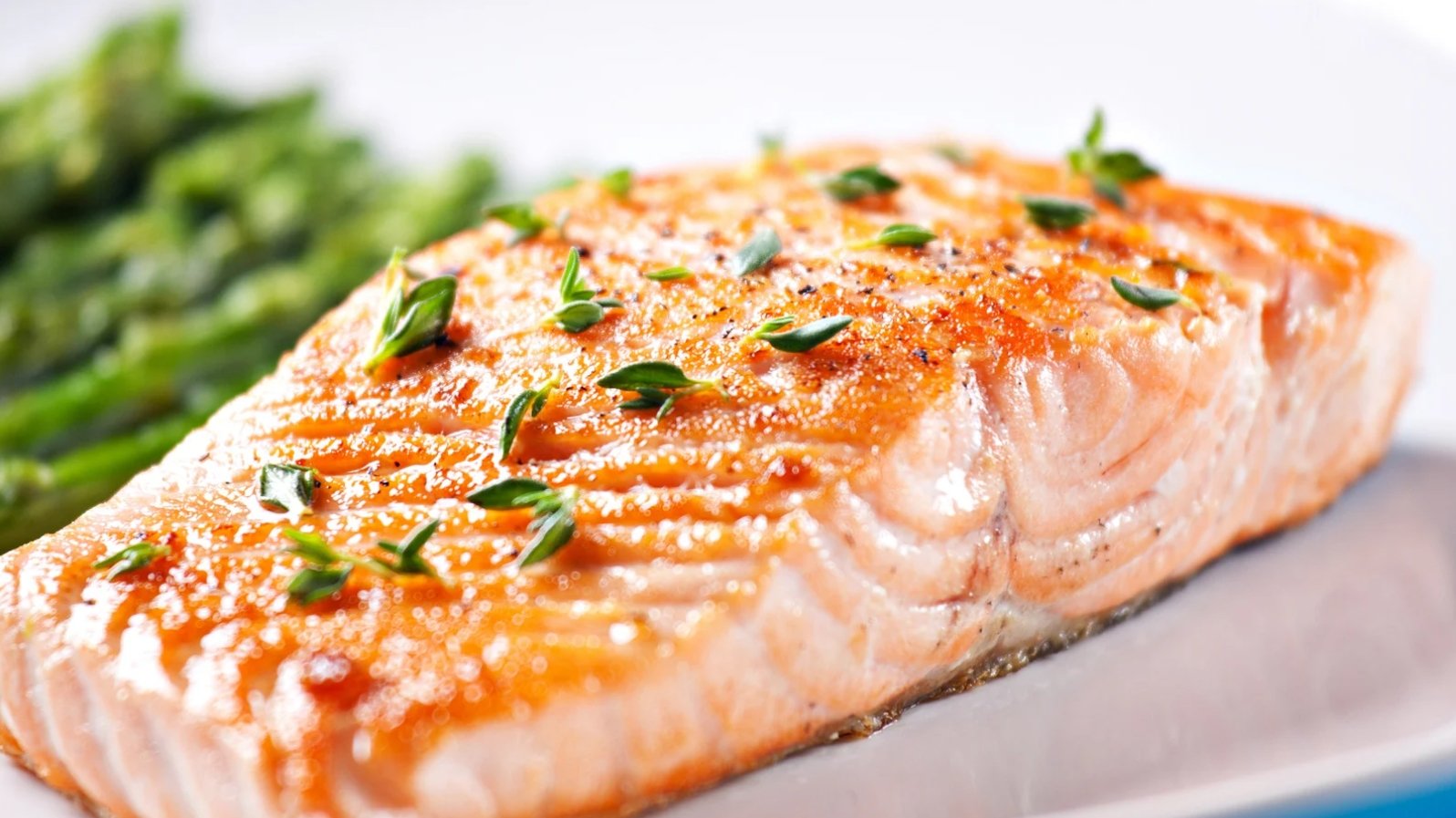
Rich in omega-3 fatty acids and high-quality protein, salmon supports heart health, reduces inflammation, and improves cognitive function — all essential as we grow older. Its fatty acids are especially valuable for preserving joint flexibility and protecting the brain from age-related decline. Eating wild-caught salmon once or twice a week can help lower cholesterol and support your mood and memory.
2. Spinach
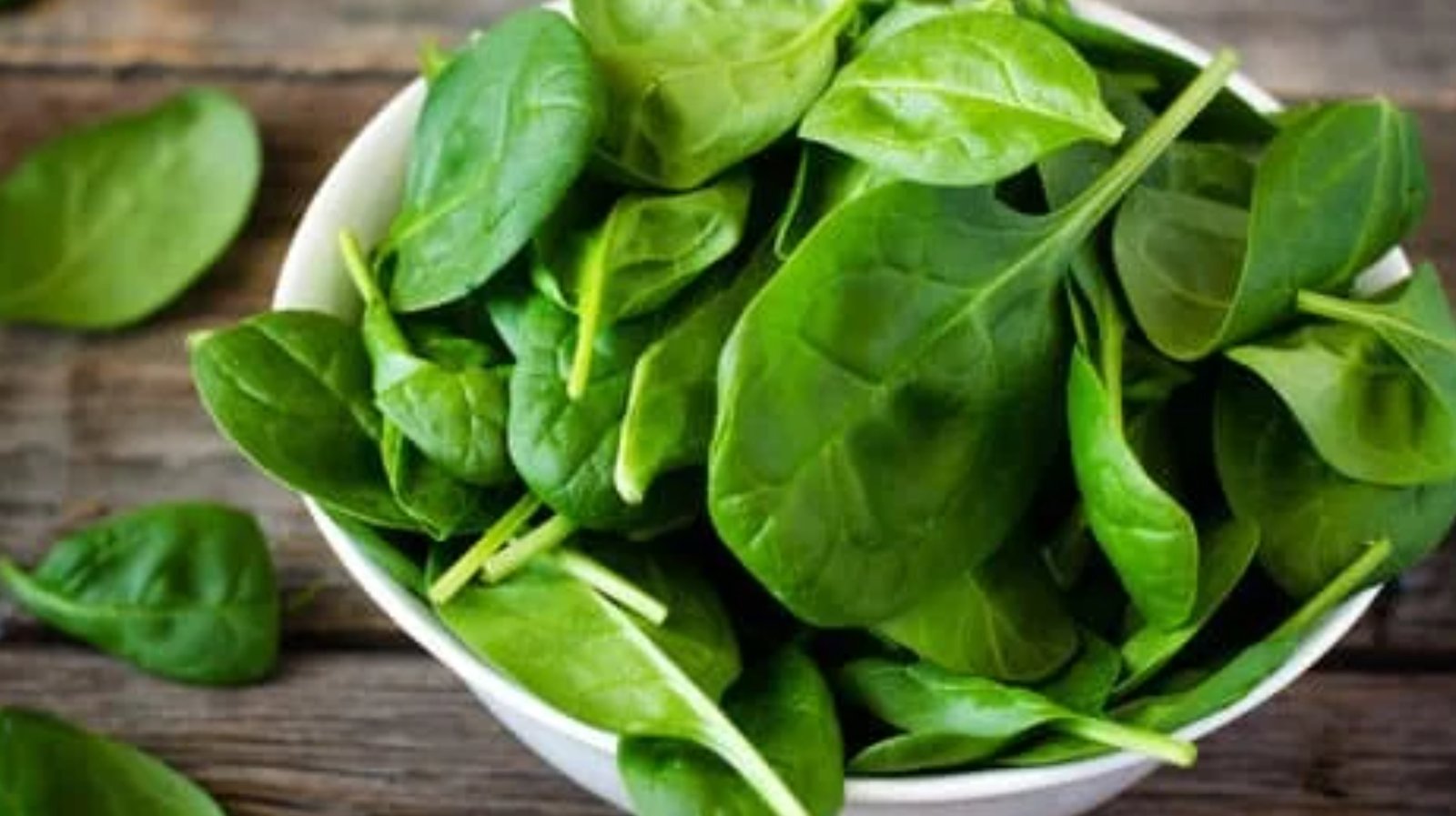
This leafy green is a nutritional powerhouse packed with vitamins A, C, and K, as well as folate, iron, and calcium. Spinach is excellent for bone health and supports immune function. Its high antioxidant content helps combat oxidative stress, a key factor in aging and chronic disease. Add it to smoothies, sauté it with garlic, or enjoy it in fresh salads for maximum benefits.
3. Blueberries

Loaded with antioxidants and phytonutrients, blueberries protect your cells from free radical damage and help preserve cognitive function. Regular intake has been linked to improved memory and slower brain aging. Their natural sweetness makes them an ideal snack or a topping for oatmeal and yogurt — no added sugar required.
4. Oats
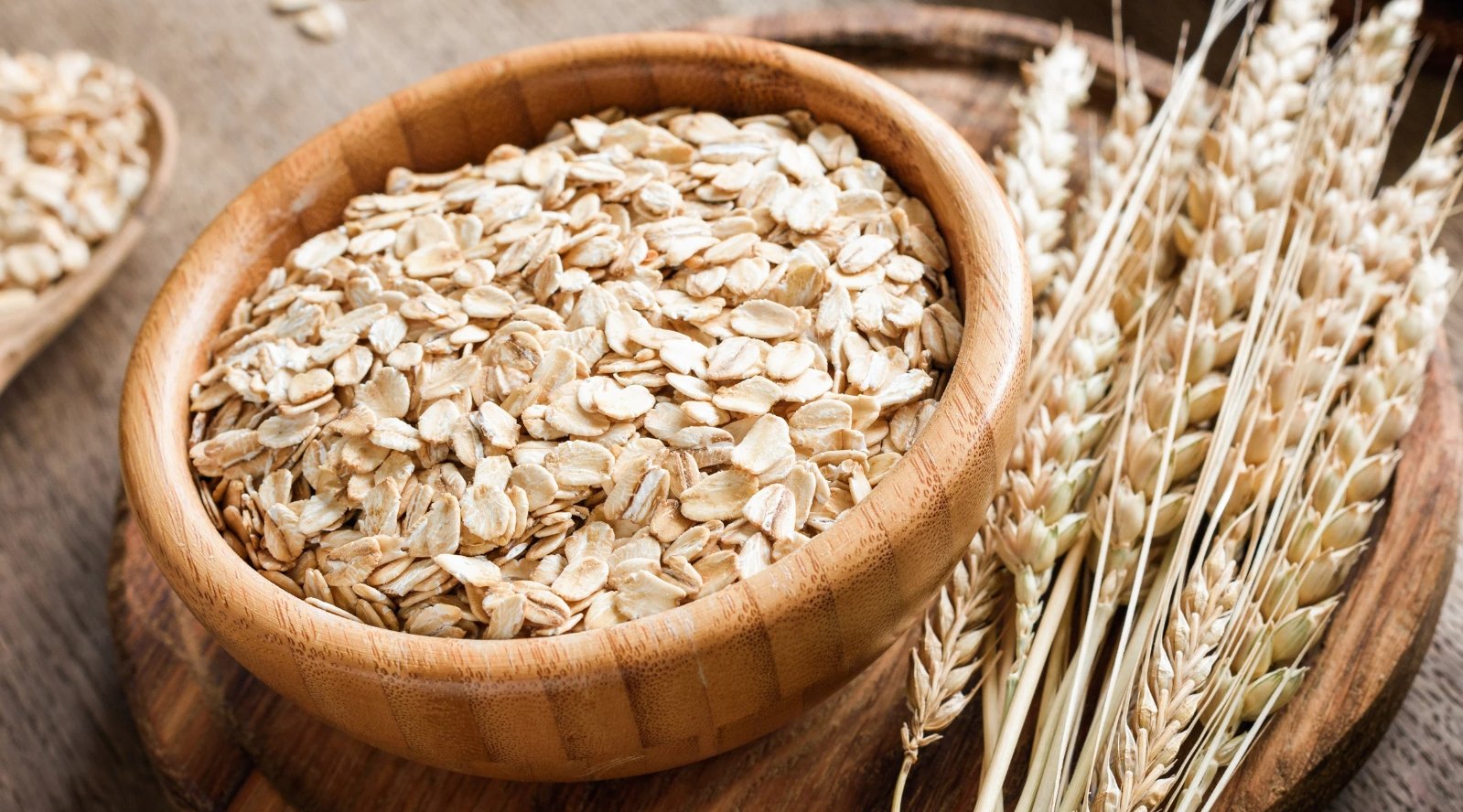
A slow-digesting, fiber-rich grain, oats are key to maintaining stable blood sugar levels and supporting heart health. The beta-glucan fiber found in oats helps reduce LDL cholesterol and promotes digestive health. Whether cooked as oatmeal or blended into healthy muffins, oats provide sustained energy for your day.
5. Greek Yogurt

This protein-packed dairy food delivers calcium, probiotics, and vitamin B12, all vital for bone strength and gut health. Its probiotic strains promote better digestion and a balanced microbiome, which plays a critical role in immune regulation and mood. Choose plain, unsweetened versions and combine with fruit or seeds for a complete snack.
6. Avocados
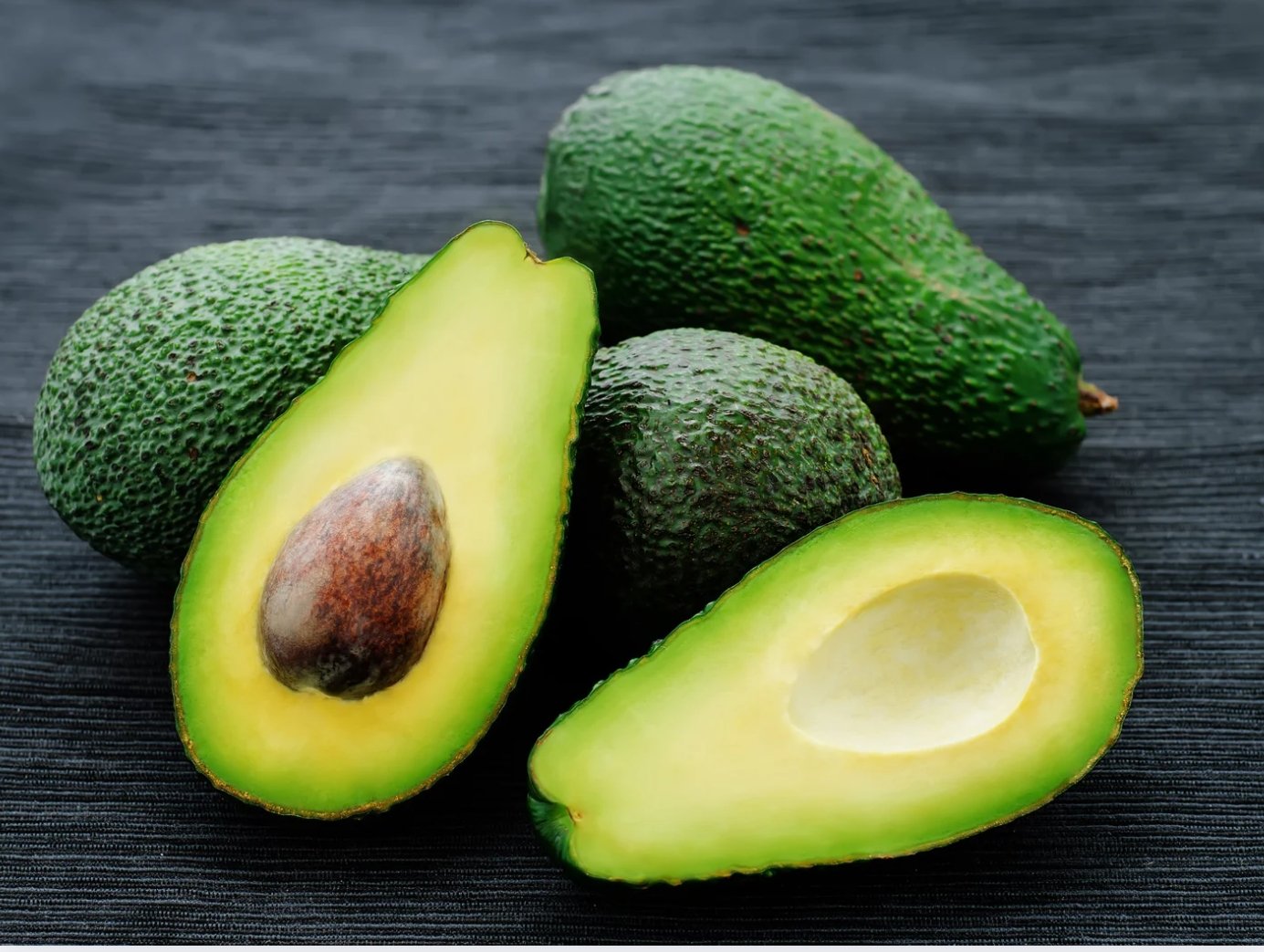
Avocados are rich in monounsaturated fats, potassium, and fiber, making them heart-protective and anti-inflammatory. They also help with the absorption of fat-soluble vitamins like A, D, E, and K. Their creamy texture and healthy fats make them ideal for sandwiches, salads, or even as a base for dressings and dips.
7. Broccoli
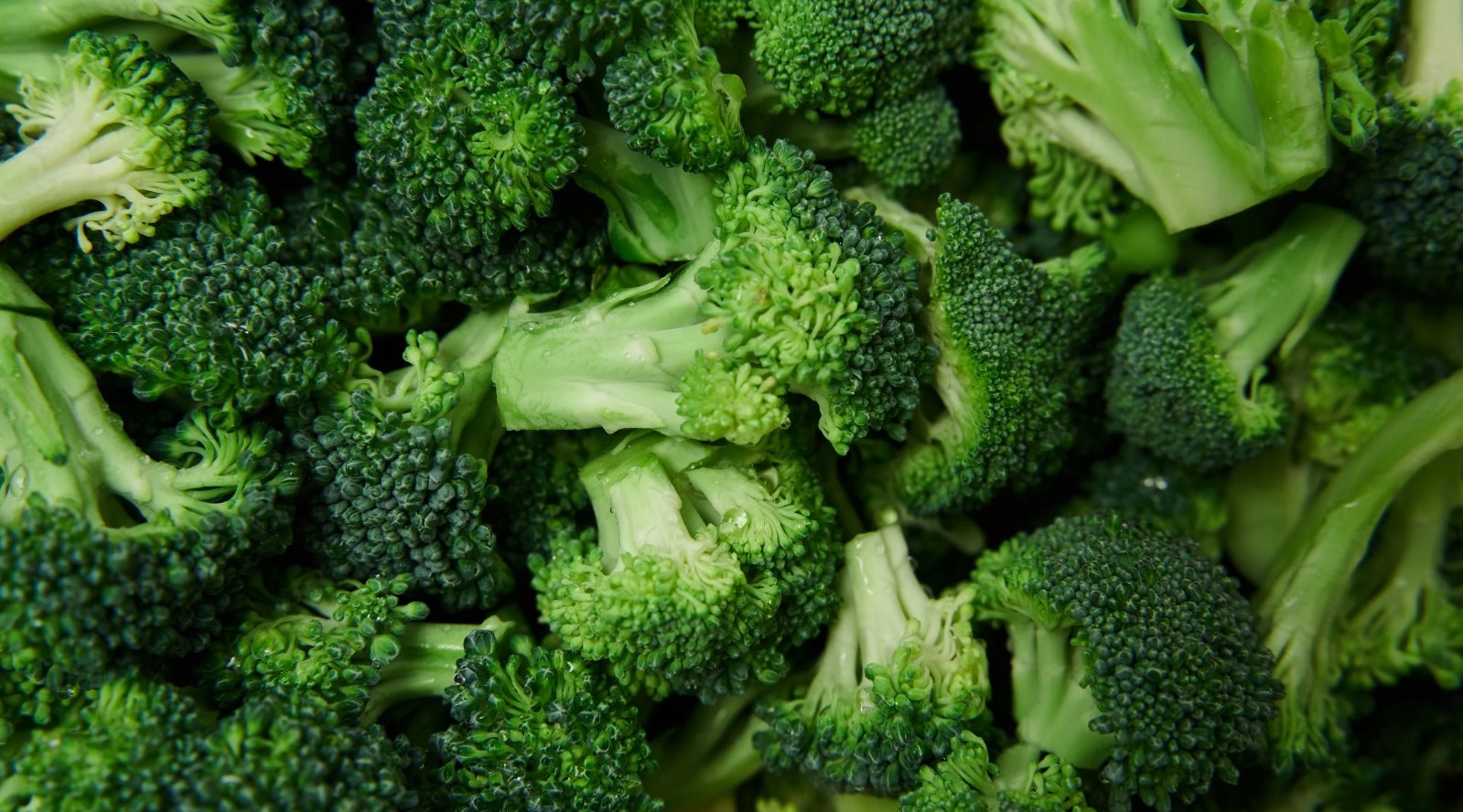
This cruciferous vegetable offers a unique blend of vitamin C, fiber, and anti-cancer compounds like sulforaphane. Broccoli supports detoxification, improves digestion, and boosts immune defenses. Lightly steaming it helps retain its nutrients while making it easier to digest, especially for older adults.
8. Walnuts
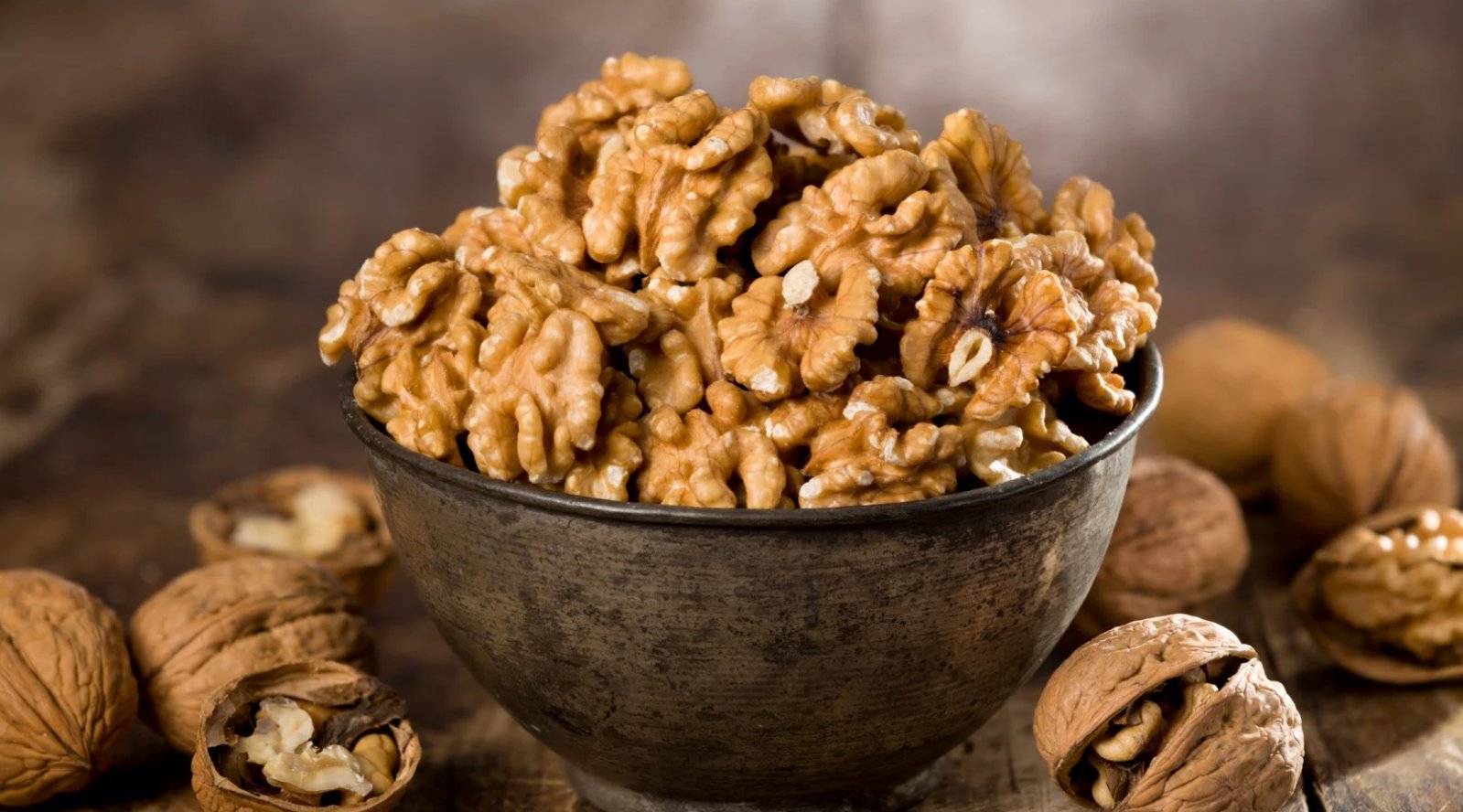
Walnuts are among the best nuts for brain and heart health, containing plant-based omega-3s, antioxidants, and polyphenols. A small handful daily can reduce inflammation, improve cognitive function, and support healthy blood vessels. Add them to salads or eat them as a snack to fight midday fatigue.
9. Sweet Potatoes
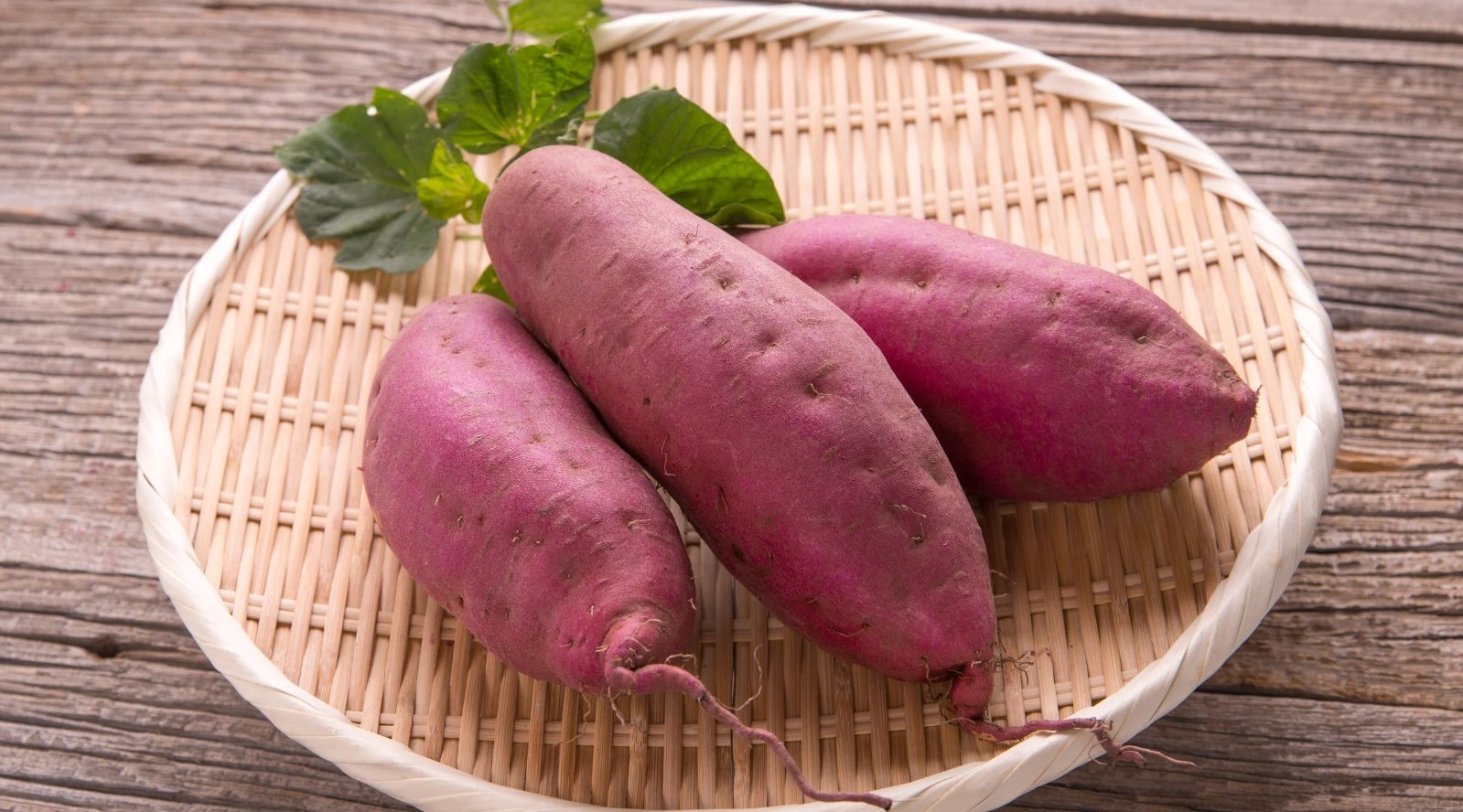
These vibrant root vegetables are packed with beta-carotene, vitamin C, and potassium. They help regulate blood pressure, support vision, and provide long-lasting energy. Unlike refined carbs, sweet potatoes deliver complex carbohydrates that support athletic performance and reduce blood sugar spikes.
10. Beans
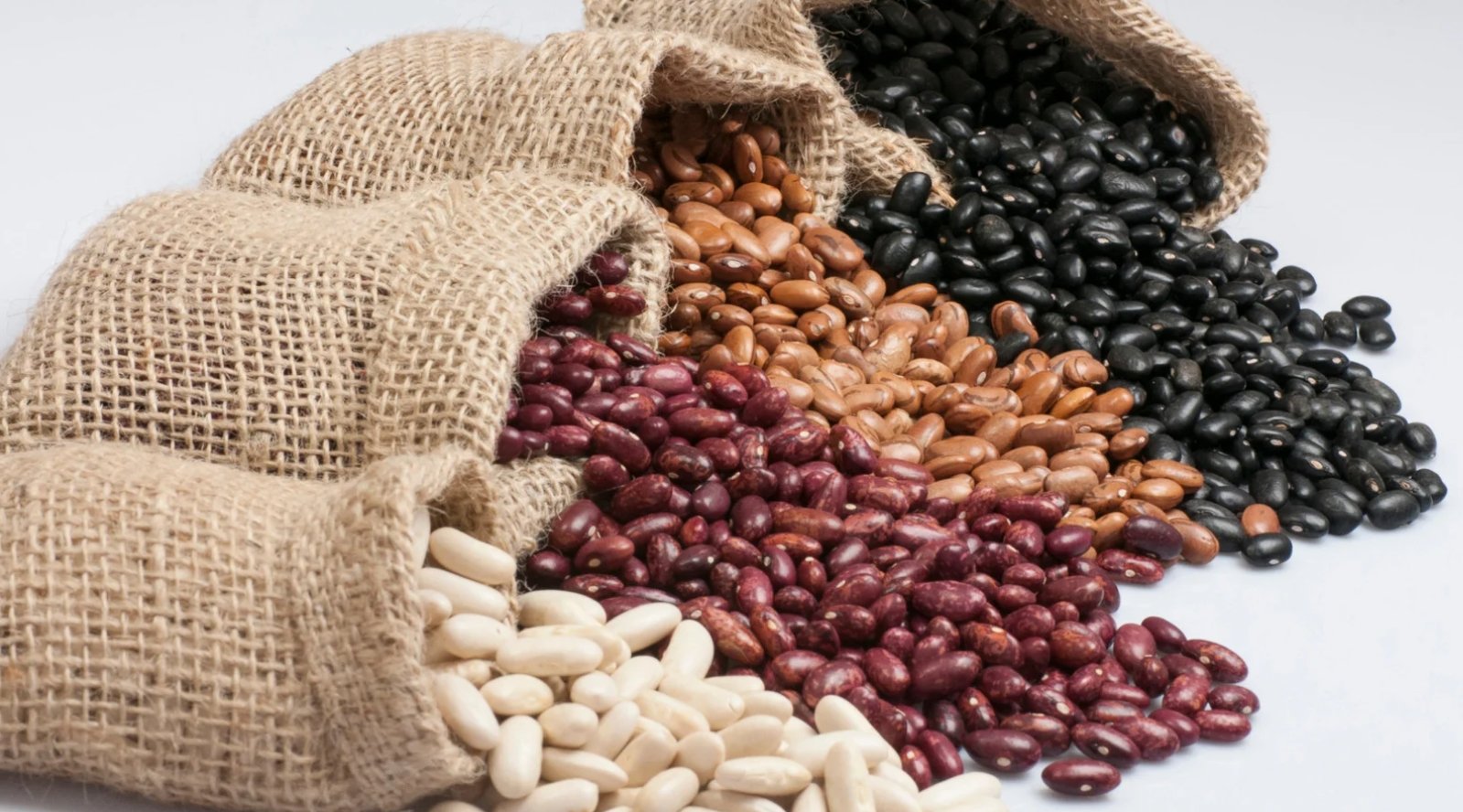
Beans like black beans, lentils, and chickpeas are rich in plant-based protein, fiber, and minerals. They promote heart health, help manage blood sugar, and support muscle repair. As we age, maintaining muscle mass and digestive health becomes increasingly important, and beans play a key role in both.
What makes these foods so powerful?
Each food on this list offers functional benefits that go beyond simple nutrition. Together, they target inflammation, cognitive health, digestion, cardiovascular function, and metabolic efficiency. These are the pillars of wellness that grow more important with age. Building your weekly meal plan around them can lead to better energy, sharper focus, and a stronger body.
Tips for integrating these foods into your weekly diet
Try rotating these ingredients into your meals with simple swaps:
- Use avocado instead of mayonnaise
- Add spinach to omelets or smoothies
- Snack on a small bowl of blueberries instead of cookies
- Make a hearty lentil soup for lunch once a week
- Top your Greek yogurt with oats and walnuts for a perfect breakfast
Eating well doesn’t have to mean strict dieting or cutting out foods you enjoy. It’s about consistently including nutrient-dense ingredients that nourish your body and mind. The ten foods listed here have stood the test of time in nutritional science and continue to prove their value across all age groups.
Start by adding one or two of these foods to your routine this week. Small steps lead to big results — and your future self will thank you for it.
