

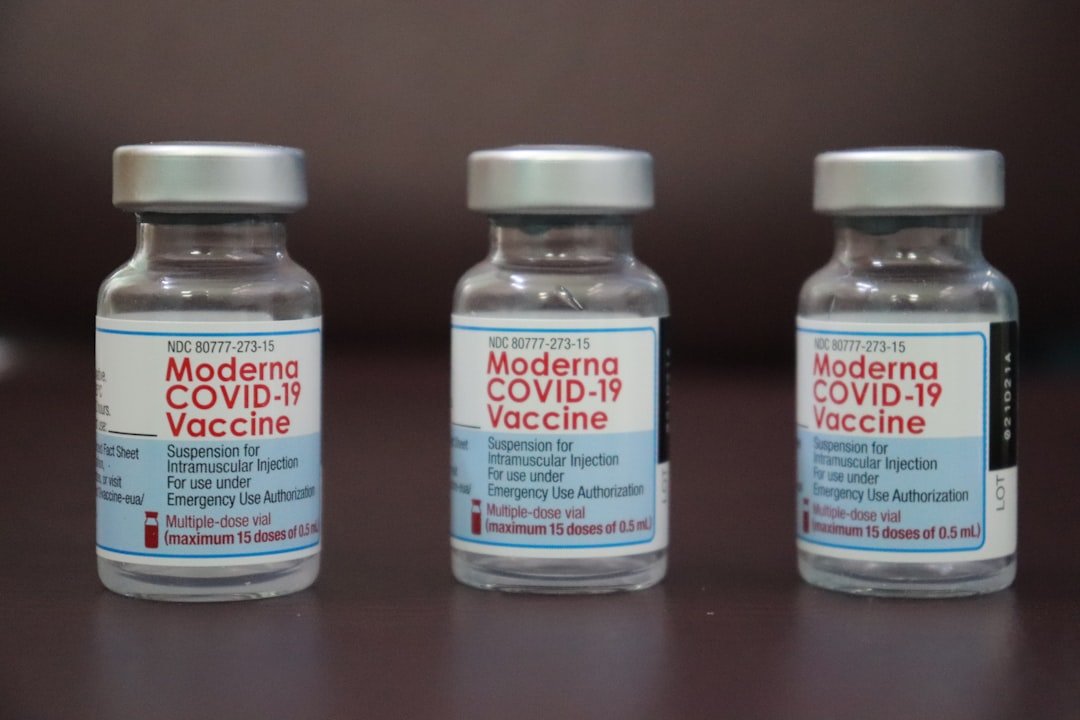
The Promise of Targeted Radiopharmaceuticals in Senior Cancer Care
Targeted radiopharmaceutical therapy (RPT) has emerged as a groundbreaking advancement in oncology, especially relevant for seniors facing cancer diagnoses. This innovative treatment employs radioactive compounds linked to molecules that specifically seek out cancer cells, delivering lethal doses of radiation with remarkable precision. Unlike traditional chemotherapy or external beam radiation, RPT minimizes collateral damage to healthy tissues, making it a gentler option for older patients who often have coexisting health issues.
By combining diagnostic imaging and therapy in a theranostic approach, RPT offers individualized treatment plans that adjust to the biological characteristics of each tumor. For example, Lutetium-177 Dotatate targets neuroendocrine tumors, enhancing progression-free survival and improving patients’ quality of life. Similarly, Radium-223 effectively addresses bone metastases in prostate cancer, reducing debilitating pain while extending survival times. These successes herald a new era where seniors benefit from therapies tailored not only to the cancer type but also to their overall health and treatment tolerance.
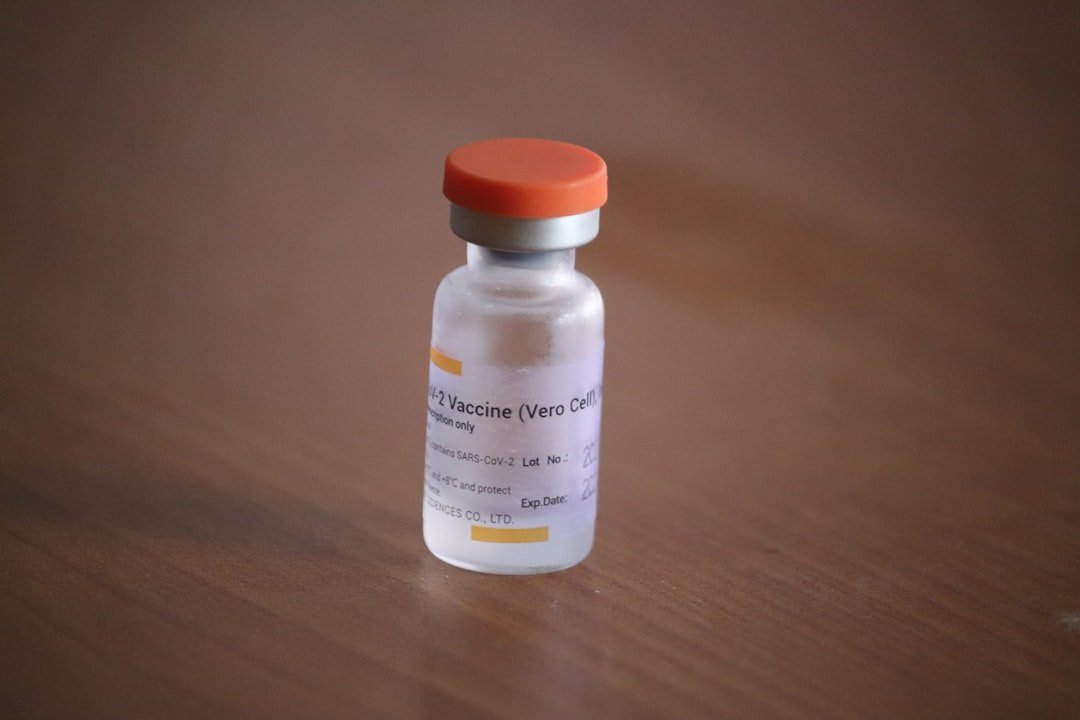
How Precision Targets and Radiation Types Shape Treatment Outcomes
The efficacy of radiopharmaceuticals hinges on the choice of radionuclide and targeting molecule. Alpha-emitters, such as Actinium-225 and Radium-223, are gaining traction due to their high cytotoxic potency and short radiation range that limits damage to surrounding tissues. This is particularly advantageous in senior patients, reducing the risk of side effects like myelosuppression and renal toxicity, which can be harder to manage in older bodies.
Beta-emitters, including Lutetium-177 and Yttrium-90, also play critical roles but may have broader tissue impacts. Clinicians currently tailor radionuclide selection to tumor type, location, and patient health status. Advanced imaging techniques such as PET and SPECT guide this precision approach, enabling doctors to monitor drug distribution and adjust doses dynamically, a process vital to maximizing therapeutic index and minimizing toxicity risks in fragile senior patients.
Bridging Clinical Advances and Patient Experience in Elderly Oncology
While the scientific promise of RPT is robust, the real-world experience of patients, especially seniors, highlights critical success factors. Maria Thompson, a 72-year-old diagnosed with metastatic prostate cancer, shares, “Receiving targeted radiopharmaceutical therapy allowed me to avoid the harsh side effects I feared with chemotherapy. The pain relief and renewed energy were life-changing.” Such testimonials emphasize the importance of minimizing toxicity and promoting quality of life.
Clinicians also stress the importance of ongoing patient monitoring and individualized dosing schedules. Recent clinical trials demonstrate that precision dosimetry reduces adverse effects and improves outcomes by accounting for variability in tumor biology and patient physiology. For seniors, who may metabolize drugs differently, these advances represent a lifeline toward safer, more effective cancer care.
Challenges and Innovations Shaping the Future of Radiopharmaceutical Therapy
The path forward for targeted radiopharmaceuticals involves overcoming challenges such as optimizing delivery systems, addressing tumor heterogeneity, and managing radiotoxicity. Integrating RPT with emerging immunotherapies presents a promising frontier, as alpha radiation can induce immune responses that enhance checkpoint inhibitor efficacy—a combination that could revolutionize treatment for resistant cancers.
Additionally, expanding clinician expertise and raising awareness remain essential. Multidisciplinary teams with backgrounds in chemistry, nuclear medicine, and oncology are crucial to advancing personalized RPT protocols for seniors. Investment in clinical trials that focus on elderly populations will further illuminate best practices and unlock the full potential of this therapy.
Note: The illustration photos in this article were generated by AI, and some patient testimonials have been fictionalized to support the storytelling and understanding of targeted radiopharmaceutical therapy in senior cancer treatment.
