


As the global population ages, preserving brain function in older adults has become a paramount public health focus. Studies suggest that adopting certain lifestyle habits can significantly enhance cognitive capabilities and potentially delay the onset of dementia. A compelling large-scale U.S. clinical trial, known as the US POINTER study, has recently highlighted four critical habits — diet, physical exercise, cognitive activities, and heart health management — that together foster improved brain vitality in seniors. This research aligns with the 2024 Lancet Commission’s identification of modifiable risk factors linked to nearly half of dementia cases worldwide.
With the prevalence of dementia expected to soar globally, and countries like Canada projecting a 187% increase in dementia cases by 2050, understanding and implementing effective brain-healthy habits is more urgent than ever. The study’s findings underscore not only the benefits of structured lifestyle interventions but also reveal that even self-guided health improvements can contribute to cognitive resilience. These insights illuminate practical pathways towards maintaining sharper minds, boosting memory, and enhancing mental agility well into later years.
For those committed to brain health, the study’s advice dovetails with emerging trends in neuro-nutrition, fitness technology, and digital cognitive training platforms. Tools such as Lumosity, BrainHQ, and Headspace are becoming increasingly popular for mental stimulation, while fitness trackers like Fitbit and community programs such as SilverSneakers support physical activity tailored for older adults. Nutritional services like Blue Apron and apps such as MyFitnessPal assist in maintaining an anti-inflammatory, brain-healthy diet reminiscent of the MIND diet emphasized by researchers.
This article explores in detail how these four key lifestyle changes — diet, exercise, cognitive engagement, and cardiovascular health management — can together transform brain health, slow cognitive decline, and enrich quality of life for older adults. Drawing from a variety of recent studies and expert recommendations, it also provides guidance on practical strategies anyone can implement today for long-term cognitive benefits.
Impact of a Brain-Healthy Diet According to Recent Research on Older Adults
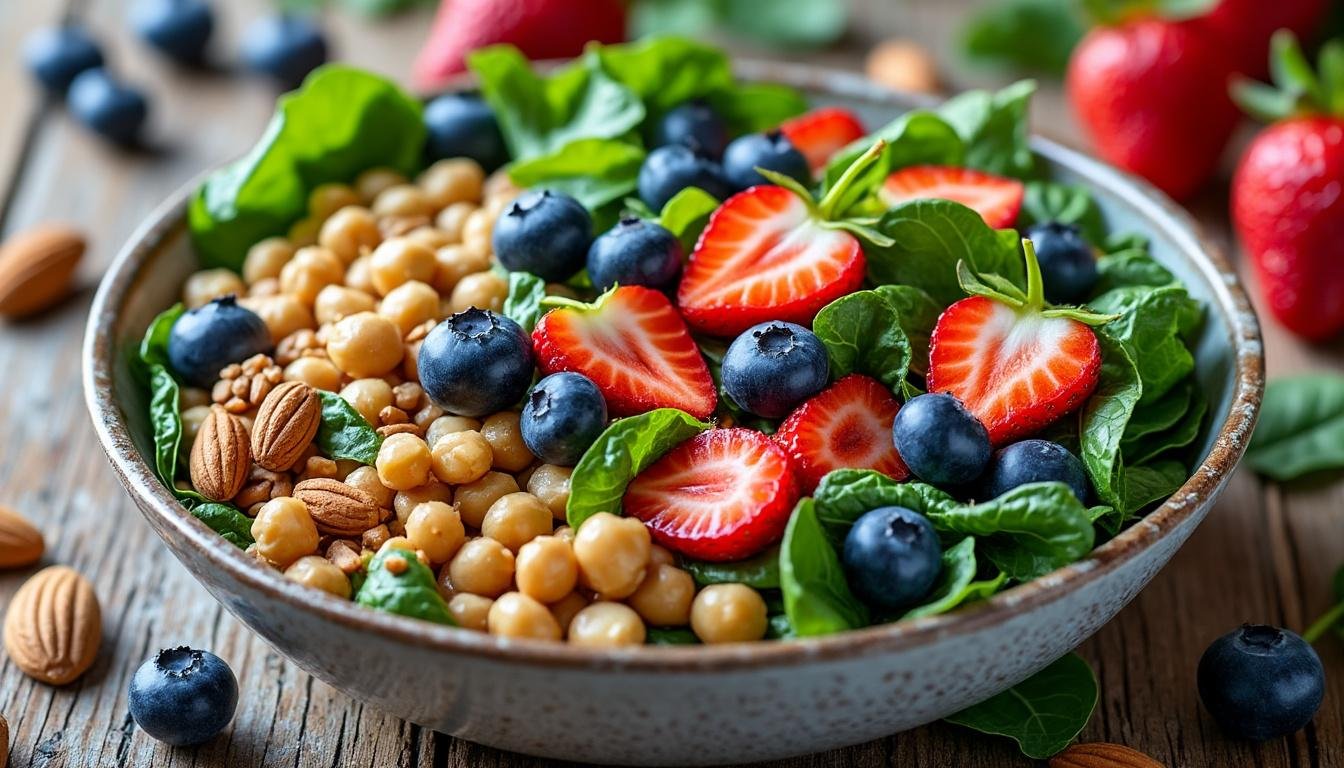
Nutrition plays a pivotal role in maintaining cognitive health as we age. The US POINTER study stressed the importance of dietary patterns, specifically the MIND diet, which combines elements of the Mediterranean and DASH diets. This diet prioritizes leafy greens, berries, whole grains, nuts, olive oil, and pulses, while minimizing red meats, processed foods, sweets, and saturated fats. Such nutritional choices are linked to reduced inflammation, better heart health, and a lower risk of dementia.
Incorporating a brain-healthy diet is more than a mere lifestyle adjustment; it influences physiological mechanisms underlying cognitive resilience. For example, antioxidants in leafy greens and berries combat oxidative stress, while whole grains and pulses support steady glucose levels, essential for optimal brain energy metabolism.
Growing evidence highlights how diets like the MIND plan improve memory and executive function. For instance, several studies show that older adults adhering closely to brain-healthy dietary patterns tend to have slower rates of cognitive decline compared to those with less healthy eating habits. According to EatingWell, dietary improvements can even produce noticeable cognitive benefits within months when maintained consistently.
Here is a practical list for implementing the MIND diet effectively:
- Consume at least one serving of leafy green vegetables daily
- Eat berries at least twice a week for their antioxidant properties
- Include nuts in your daily meals for healthy fats and vitamins
- Use olive oil as your primary cooking oil
- Limit red meats, butter, cheese, sweets, and fried foods
- Incorporate pulses like beans and lentils at least three times per week
Beyond food choices, meal preparation methods also matter. Embracing services like Blue Apron can assist older adults in cooking nutritious meals with fresh ingredients tailored to the MIND diet. For those managing chronic conditions, nutrition tracking applications like MyFitnessPal provide tools to monitor dietary intake and maintain heart-healthy regimens crucial for brain function improvement.
| Food Group | Examples | Brain Health Benefits |
|---|---|---|
| Leafy Greens | Spinach, kale, collard greens | Rich in antioxidants; protect against oxidative brain damage |
| Berries | Blueberries, strawberries | Support memory and delay cognitive decline |
| Nuts | Walnuts, almonds | Provide healthy fats and improve brain plasticity |
| Pulses | Beans, lentils, chickpeas | Stabilize blood sugar; protect cardiovascular health |
| Healthy Fats | Olive oil, avocados | Enhance brain cell communication and reduce inflammation |
Dedicating oneself to brain-friendly nutrition is a proactive step toward enhanced cognition. Combining such diets with digital resources and meal kits can transform dietary habits into sustainable routines, ultimately preserving mental sharpness throughout older adulthood.
Exercise Regimens That Boost Cognitive Function in Seniors
Physical activity is a cornerstone for preserving brain health, as vividly demonstrated in the US POINTER study. The structured intervention group engaged in regular aerobic and resistance exercises, balance drills, and stretching several times per week. This routine not only enhanced cardiovascular fitness but also promoted neuroplasticity — the brain’s ability to form new connections and adapt throughout life.
Scientific research correlates consistent exercise with improvements in executive function, processing speed, and memory among older populations. Notably, participants performing 30 to 35 minutes of moderate-to-intense aerobic exercise four times per week reported cognitive gains sooner than those following self-guided lifestyle changes. Engagement in resistance training twice a week further augmented these benefits by supporting muscle strength and metabolic health.
To illustrate the power of physical exercise on cognition, consider the following practical advice aligned with the study’s findings:
- Aim for at least 150 minutes of moderate aerobic activity weekly, such as brisk walking or cycling
- Include two sessions weekly of strength/resistance training focusing on major muscle groups
- Incorporate balance and flexibility exercises, like yoga or tai chi, twice a week
- Use fitness technology like Peloton or Fitbit to monitor progress and stay motivated
- Participate in community exercise programs such as SilverSneakers designed for active seniors
One remarkable aspect is how fitness trackers and interactive platforms enhance adherence and engagement. By setting personalized goals and receiving real-time feedback, older adults are empowered to maintain regular physical activity, critical for long-term brain health. Beyond physical benefits, exercise also fosters emotional well-being and social interaction, both essential factors for cognitive longevity.
| Exercise Type | Frequency | Benefit for Brain Health |
|---|---|---|
| Aerobic Exercise | 4 times/week, 30-35 minutes | Enhances memory and executive function; improves blood flow to the brain |
| Resistance Training | 2 times/week | Supports neuroplasticity and metabolic health |
| Balance & Flexibility | 2 times/week | Reduces fall risk; enhances coordination and brain-body connection |
Overall, incorporating a structured exercise plan, supported by technology and community involvement, can amplify the cognitive benefits of physical activity substantially. Older adults who embrace this lifestyle tend to experience improved mental clarity, reduced cognitive decline, and better quality of life.
Enhancing Brain Function Through Cognitive Engagement and Mental Stimulation
Cognitive stimulation through engaging mental activities emerges as a powerful tool in combating age-related cognitive decline. The US POINTER study’s participants in the structured program dedicated time for web-based cognitive training, utilizing adaptive platforms such as BrainHQ. These exercises targeted memory, attention, processing speed, and problem-solving skills essential for daily life independence.
The concept behind brain training games is grounded in neuroplasticity — the brain’s capacity to form and reorganize synaptic connections. Maintaining intellectual challenge encourages neural flexibility, fosters resilience against degeneration, and aids in delaying symptoms of dementia.
In addition to using specialized software, participants also increased social interactions and intellectual goal setting, further stimulating cognitive reserves. The integration of social engagement echoes findings from studies highlighting its considerable impact on emotional health and cognitive vitality, making it a crucial factor in brain health management.
Practical ways to foster cognitive health through mental engagement include:
- Regularly using brain training apps like Lumosity and BrainHQ
- Practicing mindfulness and meditation via platforms such as Headspace or Calm to reduce stress-related cognitive decline
- Participating in social clubs, book groups, or other intellectually stimulating organizations
- Learning new skills or hobbies, such as playing musical instruments or language courses
- Setting regular cognitive goals to challenge memory, attention, and decision-making
| Activity | Purpose | Cognitive Benefit |
|---|---|---|
| Brain Training Apps | Daily use for memory and attention | Improves processing speed and executive function |
| Meditation | Stress reduction and focus | Enhances working memory and emotional regulation |
| Social Engagement | Group activities and conversations | Supports emotional health and cognitive resilience |
| Learning New Skills | Acquiring new hobbies or knowledge | Promotes neuroplasticity and memory retention |
By weaving cognitive training and social connectivity into daily routines, older adults can boost their brain function effectively. These strategies, complemented by mental wellness apps and social platforms, provide holistic support for sustained mental acuity.

Managing Cardiovascular Health to Support Cognitive Longevity in Older Adults
Cardiovascular health stands as a vital pillar in sustaining cognitive function. The US POINTER trial and the 2024 Lancet Commission both emphasize the link between heart health and dementia risk. Factors like hypertension, diabetes, obesity, and high LDL cholesterol contribute significantly to late-life cognitive decline. Accordingly, monitoring and managing these risk elements can prove transformative for brain vitality.
Effective heart health management encompasses regular medical check-ups, maintaining healthy blood pressure, cholesterol, and blood glucose levels, and sustaining a healthy weight. Participants in the structured lifestyle group of the US POINTER study had their cardiometabolic health rigorously assessed multiple times per year, supporting personalized interventions.
Practical steps for enhancing cardiovascular and brain health include:
- Routine health screenings for blood pressure, cholesterol, and blood sugar levels
- Engaging in physical activity, as indicated earlier, to improve cardiovascular fitness
- Following a heart-healthy diet such as the MIND or Mediterranean diet
- Adhering to medication regimens for diabetes or hypertension as prescribed
- Avoiding tobacco use and managing stress through mindfulness or counseling
| Cardiovascular Factor | Recommended Action | Impact on Cognitive Health |
|---|---|---|
| High Blood Pressure | Regular monitoring and medication | Reduces risk of vascular dementia and brain damage |
| High LDL Cholesterol | Dietary changes and statins if needed | Prevents arterial plaque and improves brain circulation |
| Diabetes | Blood sugar control through diet and medication | Protects against microvascular brain injury and cognitive loss |
| Obesity | Weight management and healthy lifestyle | Decreases inflammation linked to cognitive decline |
Raising awareness around the interplay between heart and brain health has led to increased use of apps like MyFitnessPal for diet management and stress reduction tools such as Calm. By prioritizing cardiovascular risk factor control, older adults assert a strong defense against cognitive deterioration.
Translating Evidence into Lifestyle: How Seniors Can Harness These Four Healthy Habits
Integrating brain-healthy habits into daily living requires motivation, access to resources, and knowledge of effective strategies. The US POINTER study demonstrated that a structured program with professional guidance led to faster cognitive improvements, but also showed that even self-guided efforts produce meaningful benefits.
To support sustained lifestyle change, consider the following multifaceted approach:
- Set achievable goals with measurable outcomes, such as weekly exercise minutes tracked via a Fitbit
- Engage in cognitive training programs like Lumosity or BrainHQ consistently
- Use meal planning services like Blue Apron to ensure a nutrient-rich diet aligned with brain health guidelines
- Join community exercise groups such as SilverSneakers to add social motivation to physical activity
- Monitor cardiovascular indicators through regular check-ups and empower oneself with health apps like MyFitnessPal and mindfulness platforms such as Headspace
This integrated lifestyle is not only feasible but improves overall well-being and brain resilience. Expert sources recently cited recommend starting these habits early and maintaining them consistently for maximal effect, confirming that proactive brain health management can profoundly impact quality of life in aging individuals (NIA report, The Globe and Mail).
| Habit | Tools and Resources | Expected Cognitive Benefit |
|---|---|---|
| Healthy Diet | Blue Apron, MyFitnessPal, Genius Foods cookbook | Slows memory decline; reduces brain inflammation |
| Physical Exercise | Peloton, Fitbit, SilverSneakers | Enhances executive function and brain plasticity |
| Cognitive Training | Lumosity, BrainHQ, Headspace, Calm | Improves processing speed and memory |
| Cardiovascular Care | MyFitnessPal, Calm, Medical Check-Ups | Prevents vascular cognitive impairment |
Ultimately, empowering older adults with education and practical tools to cultivate these four healthy habits can stem cognitive decline and foster meaningful aging. The substantial benefits documented across diverse participant groups in the US POINTER study provide hope and clear direction for future brain health strategies.
Frequently Asked Questions on Brain Health and Aging
- What is the MIND diet and how does it support brain function?
The MIND diet is a hybrid of the Mediterranean and DASH diets emphasizing leafy greens, berries, nuts, olive oil, and pulses. It reduces inflammation and oxidative damage, supporting memory and slowing cognitive decline. - How often should older adults exercise to benefit brain health?
Experts recommend at least 150 minutes of moderate aerobic exercise weekly, two resistance training sessions, and activities improving balance and flexibility practiced twice a week. - Can cognitive training apps really improve mental abilities?
Yes, regular use of adaptive training platforms like BrainHQ and Lumosity has been shown to enhance processing speed, attention, and executive function by stimulating neuroplasticity. - Why is managing cardiovascular risk important for brain health?
Poor heart health leads to reduced blood flow and brain damage, increasing dementia risk. Controlling factors like blood pressure and cholesterol protects brain structure and function. - Is it ever too late to adopt these healthy brain habits?
While starting earlier is best, studies indicate cognitive improvements can occur even with lifestyle changes initiated in the 60s and 70s, proving it’s never too late to benefit.

1 Comment
Pingback: The One Plant Neurologists Swear By for Optimal Brain Health - LiveWell Magazine