

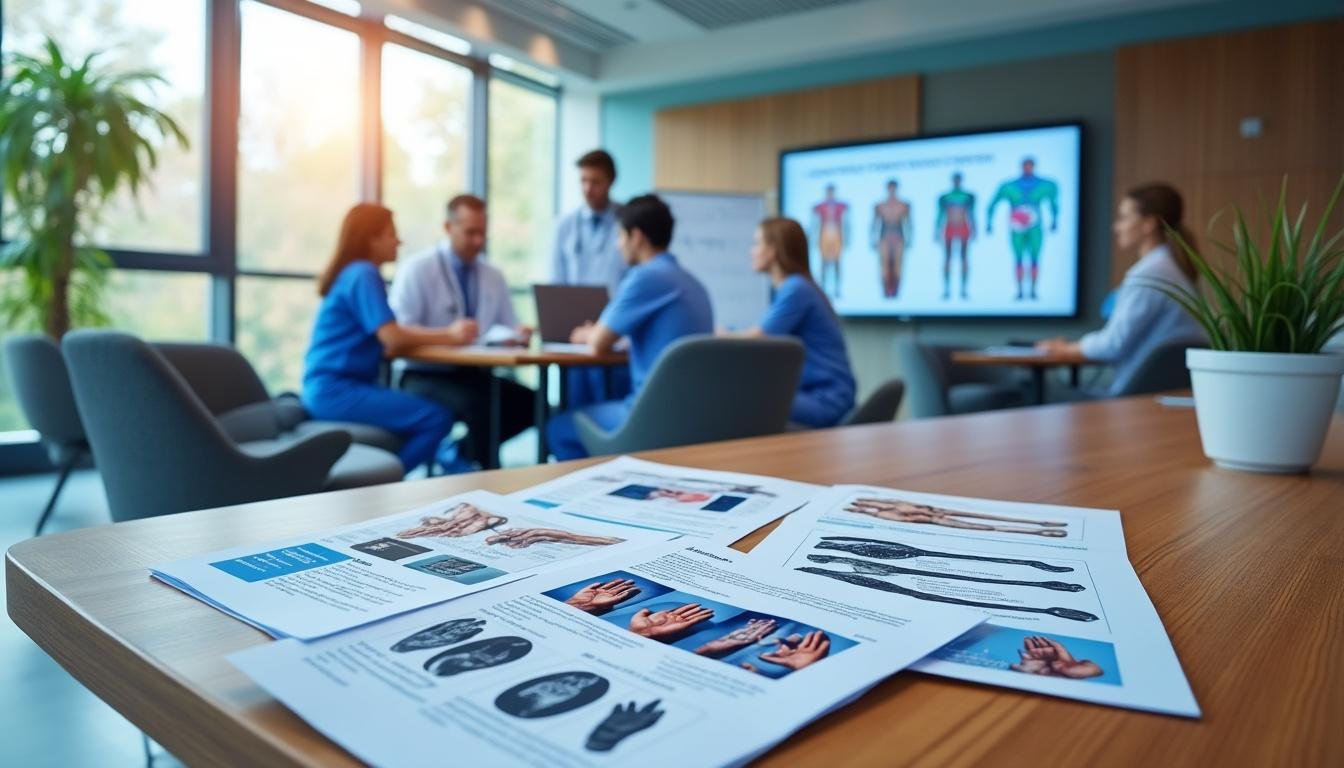
Advancements in hand transplantation have marked a pivotal evolution in reconstructive surgery, offering profound possibilities for amputees worldwide. From the initial, unsuccessful attempts during the 20th century to the refinement of surgical techniques and immunosuppressive protocols, over 100 hand transplants have been accomplished globally. Leading institutions such as Johns Hopkins Medicine, Cleveland Clinic, Mayo Clinic Transplant Center, and NYU Langone Health have been at the forefront of these developments. This innovative procedure restores not only motor function but also the sensory experience and aesthetics of a natural hand, dramatically improving quality of life. However, the complex interplay between surgical precision, immunosuppression, ethical considerations, and rehabilitation poses ongoing challenges. Understanding these elements is essential to appreciate the full impact of hand transplantation as a transformative therapy in 2025 and beyond.
Technical Innovations Driving Successful Hand Transplantation Programs
The precision and coordination required for hand transplantation surgeries are immense. Unlike traditional replantation, hand allotransplantation involves the meticulous reconstruction of bones, muscles, tendons, nerves, blood vessels, and skin, demanding a highly specialized surgical team. Institutions like UCLA Health and the University of Pittsburgh Medical Center have demonstrated excellence in team synchronization, crucial to minimizing cold ischemia times, which can range from under an hour to several hours depending on donor-recipient geography.
- Multidisciplinary team collaboration: simultaneous work of up to four surgical teams in bilateral cases.
- Advanced vascular anastomosis: restoration of arterial and venous blood flow to preserve transplant viability.
- Precision in bone fixation: use of locking compression plates adapted to match forearm length and anatomy.
- Innovative nerve repair techniques: microsurgical reconstructions to maximize sensory and motor recovery.
- Zigzag skin closure: to prevent contractures and promote healing.
A successful operation depends on expert preoperative planning, including vascular mapping with portable ultrasound to preserve delicate veins, ensuring graft survival and long-term function.
Optimizing Postoperative Protocols for Long-Term Functionality
Long-term outcomes rely heavily on rehabilitation and immunosuppression management. Facilities such as Brigham and Women’s Hospital and Duke Health emphasize tailored rehabilitation protocols divided into phases that progressively restore movement and strength. From passive range of motion exercises in the initial weeks to active motion and functional daily task training, patients commit to months of therapy. An essential component is the life-long immunosuppressive regimen, carefully managed to prevent graft rejection while minimizing side effects.
- Phase 1 (0-4 weeks): passive mobilization and edema control with orthoses.
- Phase 2 (4 weeks-6 months): active movement and neuromuscular electrical stimulation to enhance muscle strength.
- Phase 3 (6+ months): functional reintegration into daily activities, including fine motor tasks.
- Immunosuppression monitoring: frequent blood tests to track nephrotoxicity and adjust medication doses.
- Flap viability surveillance: using implantable Doppler and pulse oximetry devices.
This comprehensive approach has resulted in high patient satisfaction and significant regain of hand functions, as reported by Mayo Clinic and Massachusetts General Hospital specialists.
Ethical Considerations and Patient Selection in Hand Transplantation Programs
Hand transplantation, while functionally restorative, is surrounded by complex ethical discussions, largely due to its non-life-saving status contrasted with the risks of life-long immunosuppression. Medical centers like Mayo Clinic Transplant Center and Cleveland Clinic emphasize rigorous patient evaluation, focusing on psychological stability, informed consent, and social support.
- Benefit-risk assessment: weighing improved quality of life against the risks of infections, malignancy, and metabolic complications.
- Psychological readiness: screening for mental resilience to adapt to the ‘new’ limb.
- Informed consent process: ensuring autonomous, well-informed decision-making.
- Social support systems: family and community involvement to aid postoperative care and adherence.
- Indications prioritization: preference given to bilateral amputees where prosthetics offer limited functional and sensory recovery.
The ethical dialogue balances individual autonomy with medical paternalism and societal considerations, recognizing the transformative nature of this procedure for selected patients despite systematic risks.
Comparing Hand Allotransplantation with Advanced Prosthetics
Modern prosthetic technology offers considerable functional advantages, yet for many amputees, it falls short of matching the natural sensory and motor integration that hand transplantation can provide. NYU Langone Health and Johns Hopkins Medicine have conducted pivotal comparative studies highlighting:
- Sensory restoration: exclusive to allotransplantation, enabling protective sensation and fine tactile feedback.
- Motor function: prosthetics and transplantation offer comparable gross motor outcomes for unilateral amputees.
- Bilateral amputation: where transplantation holds a distinct advantage by restoring complex bimanual coordination.
- Rejection risk: unique to transplantation due to required immunosuppression.
- Psychosocial impact: transplantation offers a sense of wholeness and identity preservation unmatched by prosthetic use.
The choice between these options depends heavily on patient preference, amputation level, lifestyle, and risk tolerance, suggesting a personalized treatment paradigm.
