


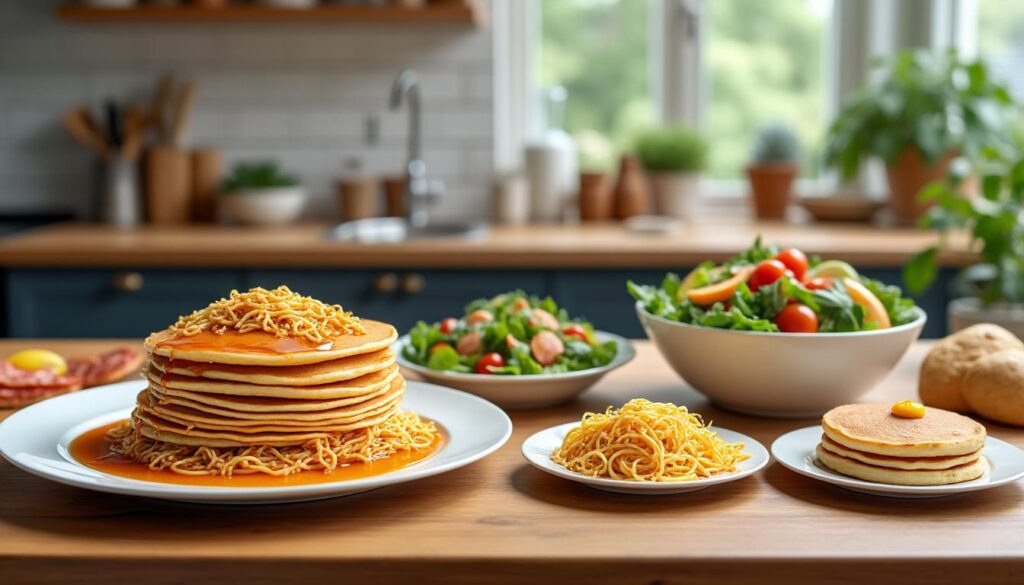
Every day, the average person faces over 200 food-related decisions, often without conscious awareness of how portion sizes influence their choices. From the lighting in eateries to the design of menus, subtle cues affect how much we consume. This invisible sway extends to widely recognized brands such as Coca-Cola, Pepsi, McDonald’s, and Ben & Jerry’s, whose packaging and serving presentations can distort our perception of what constitutes a “serving.” As portion sizes have increased dramatically over the past two decades, so too has confusion about how much we are truly eating, a factor closely linked to the global rise in obesity rates.
How Consumers Misjudge Serving Sizes: The Hidden Psychology Behind Eating Habits
People regularly underestimate the actual amount of food or drink in larger containers. For instance, a study led by French marketing expert Pierre Chandon revealed a consistent trend: individuals underestimate the volume of larger beverage cups by 20 to 40 percent. This phenomenon holds true across various products, including familiar names like Lay’s chips or Oreo cookies, where the brain struggles to accurately evaluate increases in size — particularly when containers widen toward the top.
- Consumers often perceive a doubling of portion size as only a 50 to 70 percent increase visually.
- This miscalculation extends to estimating calories; even trained dietitians can undercount by up to 26 percent for larger fast food meals.
- The effect accumulates, with frequent moviegoers drinking supersized sodas unintentionally consuming thousands of extra calories annually.
Understanding this cognitive blind spot is crucial, especially when nutrition labels from companies like Nestlé, Campbell’s, and Kellogg’s present serving sizes that do not necessarily reflect recommended intake but rather the reality of consumer consumption patterns.
Portion Distortion: Recognizing the Shift in Food Quantities Over Twenty Years
Portions offered today often dwarf those served two decades ago, with many products marketed as “super size” or simply larger by default. This increase is notably evident in fast-food chains like McDonald’s, where a burger or soda that once satisfied an individual can now feed two. The ongoing expansion in portion sizes has contributed significantly to rising waistlines and body weight worldwide.
- Food portions have steadily grown at restaurants and in packaged goods.
- This growth contributes to additional calorie intake that many don’t account for.
- The physical activity needed to burn off these extra calories has likewise increased, posing challenges for weight management.
Resources like interactive quizzes on Portion Distortion from reputable health organizations help consumers become more aware of this invisible yet impactful trend, empowering them to make healthier choices.
Practical Strategies to Navigate Serving Size Confusion and Promote Healthier Eating
With major brands shaping consumption habits and serving size presentations, individuals can adopt specific habits to regain control over their diet. Recognizing that brands such as Heinz or Lay’s might package snacks in larger-than-necessary portions, consumers must learn to interpret nutrition labels accurately and adjust their intake accordingly.
- Learn to read nutrition labels critically to avoid falling for misleading serving information.
- Practice portion control by measuring food and drinks when possible.
- Adopt mindful eating habits that promote awareness of actual consumption.
- Opt for smaller container sizes or share larger portions to avoid overeating.
- Use online tools and quizzes to assess your ability to estimate serving sizes accurately.
For those seeking more comprehensive guidance on maintaining a balanced diet and enhancing overall wellness, the following articles provide in-depth advice:
- How to Read a Nutrition Label Without Being Fooled
- How to Lose Belly Fat Without Starving Yourself
- Essential Daily Practices for Preserving Bone Strength as You Age
- Embrace Wellness: Begin Your Journey of Healthy Habits Today
- How to Boost Your Energy Without Caffeine
Industry Influence and Consumer Responsibility in the Era of Supersized Servings
Despite opposition from major players like Coca-Cola and Pepsi to governmental regulations on oversized drinks, research repeatedly underscores the challenge consumers face in judging their food intake accurately. This disconnect puts a greater onus on both industries and individuals to promote transparency and education.
- Major brands have shown reluctance to limit portion sizes, emphasizing consumer choice narratives.
- Scientific studies reveal consistent underestimation of portion and calorie sizes.
- Public health efforts increasingly focus on educating consumers to counterbalance marketing strategies.
Raising awareness can empower consumers to better navigate the irony of perceived control versus actual consumption, ultimately fostering healthier eating habits.
Tools and Tips for Accurate Serving Size Estimation at Home and On-The-Go
Incorporating simple tools and techniques into daily routines can dramatically improve serving size perception and portion control:
- Use measuring cups and food scales regularly to gauge appropriate serving sizes.
- Visualize standard serving portions using common household items—e.g., a deck of cards for meat.
- Choose smaller dishware to encourage reduced portion sizes.
- Share large meals and snacks when dining out or celebrating.
- Stay mindful of packaging and resist the temptation to finish oversized servings.
For more detailed advice on managing your diet and wellness habits, explore articles such as The Best Ways to Recover After a Sleepless Night and Enhancing Mental Wellness in Young Adults.