

Close Menu
    Follow us on Google News
    Follow Livewell Magazine on Google News
    Facebook X (Twitter) Instagram
    LiveWell Magazine
    Facebook
    Follow LiveWell Magazine on Google News
    • Cancer

      BREAKING NEWS: Gene therapy for sickle cell disease: a medical breakthrough still out of reach for many

      December 29, 2025

      How Your Drinking Habits Could Significantly Increase Your Cancer Risk

      December 28, 2025

      Could the time of day you get cancer treatment affect survival? What a new lung cancer study suggests

      December 25, 2025

      Can exercise lower cancer risk? what the science suggests (and what to do today)

      December 22, 2025

      Cancer myths that won’t quit: the top 4 misconceptions to stop believing

      December 22, 2025
    • Fitness

      The “protein first” trick: protect muscle and stay full during holiday meals

      January 11, 2026

      FDA eases rules on fitness wearables: great news for seniors staying active!

      January 7, 2026

      Medicare opens a new path to weight-loss drugs: what seniors need to know about the $50 glp-1 plan

      December 29, 2025

      Staying strong after 70: 9 everyday habits that quietly drain your health (and what to do instead)

      December 23, 2025

      HMB supplementation: the trending solution for muscle preservation

      December 22, 2025
    • Health

      Health literacy: the key to improving health outcomes for all

      January 21, 2026

      Trump admin funds restored to planned parenthood: lawsuit ends, but access gaps remain

      January 20, 2026

      Telemedicine’s role in expanding healthcare access: a post-pandemic reality

      January 16, 2026

      When vaccine recommendations change: what it means for hepatitis A, flu, meningitis & rotavirus

      January 13, 2026

      BREAKING NEWS: Trump’s drug pricing deals: a closer look at the impact on americans

      January 8, 2026
    • Lifestyle

      Unlocking Childhood Potential: How Play Shapes Healthy Habits from the Start

      January 22, 2026

      It’s Not Too Late to Try Dry January — Here’s How to Start Safely Anytime

      January 22, 2026

      Wellness Week: Cultivating Mindful and Lasting Healthy Habits

      January 20, 2026

      Confined for a Year: How Secluding Myself and Relying on My Wife’s Support Is Helping Me Shed Pounds and Build Healthy Habits

      January 19, 2026

      Transform Your Health with These Six Simple, Free Daily Habits

      January 18, 2026
    • Nutrition

      Top 10 Healthy Eating Habits Nutrition Experts Recommend Embracing in 2026

      January 4, 2026

      Heart-smart holiday dinners: how to cut salt and still keep the flavor

      December 29, 2025

      Macros for athletes: how to estimate carbs and protein for better performance

      December 22, 2025

      Fuel to play well: 5 nutrition tips for teen athletes

      December 22, 2025

      Does sugar “cause” diabetes? the truth behind a common fear

      December 22, 2025
    • Senior

      Access vs. fraud prevention : the debate over zero-premium Obamacare plans

      January 20, 2026

      Recover your sleep after holiday parties: the 3-night plan that helps seniors bounce back

      January 18, 2026

      Back to balance: a gentle “january reset” plan for seniors (no extreme diets)

      January 17, 2026

      Top 5 Wellness Habits to Stay Independent and Vibrant in Your 60s and 70s

      January 16, 2026

      New year’s resolutions for seniors: 10 small habits that actually stick

      January 16, 2026
    • Trends

      Plant-based diets: the health trend taking the nation by storm

      January 16, 2026

      When vaccine recommendations change: what it means for hepatitis A, flu, meningitis & rotavirus

      January 13, 2026

      CES 2026: Withings unveils an anti-aging smart scale focused on heart health

      January 6, 2026

      Alzheimer’s disease: a potential breakthrough hidden in what many once dismissed

      December 30, 2025

      BREAKING NEWS: Gene therapy for sickle cell disease: a medical breakthrough still out of reach for many

      December 29, 2025
    • Wellness

      Discover Evening Wellness: Join Penn State Extension’s Webinars on Healthy Habits

      January 17, 2026

      Lee Health: How Pivio Champions Wellness and Transforms Healthy Living

      January 13, 2026

      FDA eases rules on fitness wearables: great news for seniors staying active!

      January 7, 2026

      Depression in older adults: the 5 phases, key warning signs, and how families can help

      December 25, 2025

      Staying strong after 70: 9 everyday habits that quietly drain your health (and what to do instead)

      December 23, 2025
    Subscribe
    LiveWell Magazine
    Home»Cancer»Rewriting cancer’s survival odds: CAR-T therapy enters solid tumor territory
    Cancer

    Rewriting cancer’s survival odds: CAR-T therapy enters solid tumor territory

    Amelie GoujonBy Amelie Goujon1 Comment
    Facebook Twitter Email WhatsApp Pinterest LinkedIn Reddit Telegram Threads
    Share
    Facebook Twitter LinkedIn Email Reddit Telegram WhatsApp Threads

    For years, CAR-T cell therapy has been hailed as a miracle breakthrough in cancer care—a last-resort treatment that gave new hope to patients with blood cancers like leukemia and lymphoma. But its potential has always faced one daunting wall: solid tumors. Now, with bold advances in research and technology, that wall is beginning to crack. CAR-T is no longer confined to blood—it’s stepping into solid ground.

    This evolution in immunotherapy could redefine what’s possible for cancers once considered unresponsive to immune-based strategies. As a health journalist, doctor, molecular researcher, and oncologist, I’ve watched this shift unfold with both scientific skepticism and growing hope. The next frontier of cancer care is here—and it’s changing fast.

    What is CAR-T therapy, and why is it revolutionary?
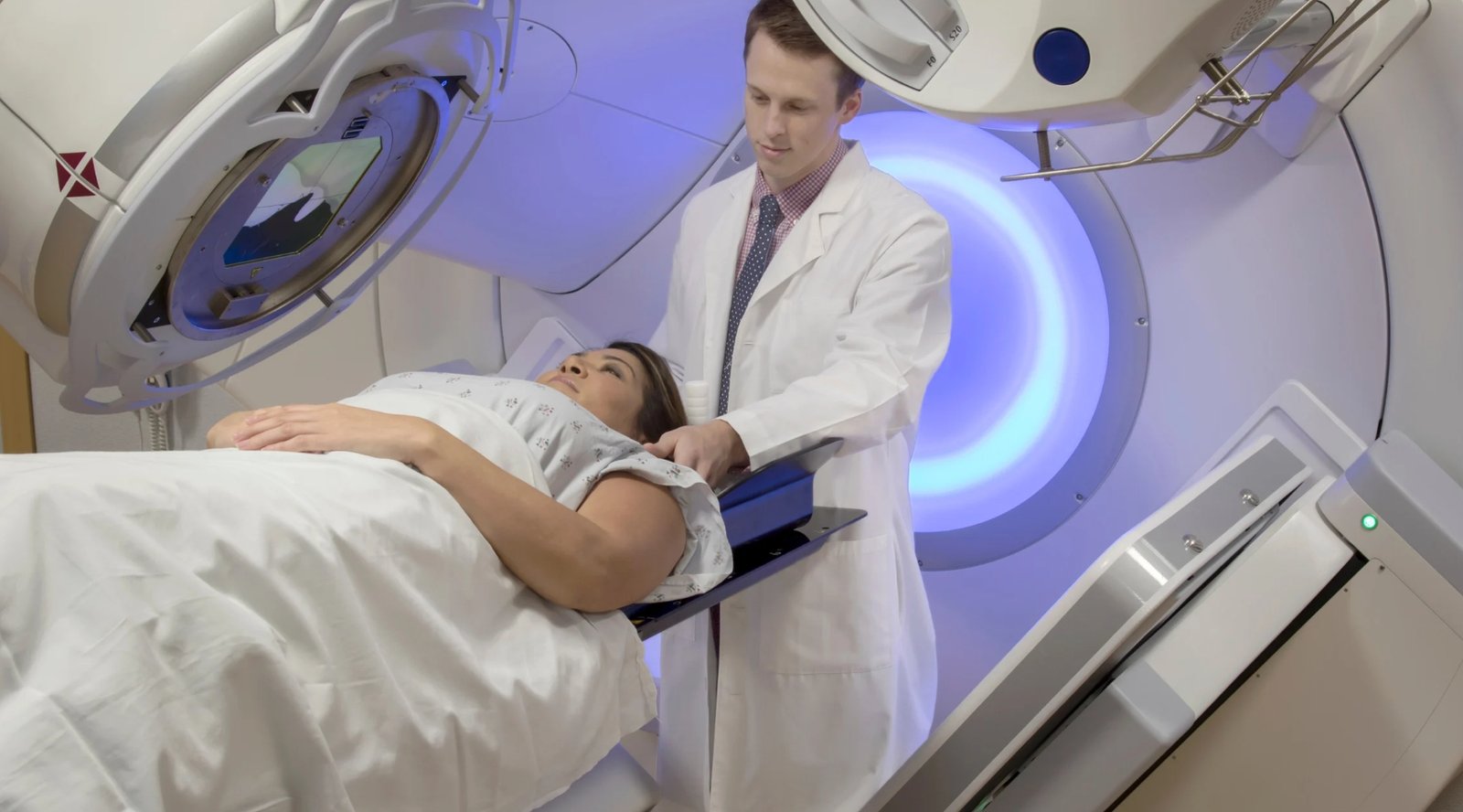
    CAR-T stands for chimeric antigen receptor T-cell therapy. It’s a form of personalized medicine where a patient’s own T-cells are collected, genetically engineered to recognize and attack cancer cells, and then reintroduced into the body. In blood cancers, this approach has produced unprecedented remission rates—even in patients who had exhausted all other options.

    These engineered cells act like heat-seeking missiles: targeting specific proteins on cancer cells and destroying them with precision. The results, in some cases, have been life-changing. But until recently, this method worked almost exclusively in the liquid realm of blood, bone marrow, and lymphatic tissue.

    Why solid tumors are harder to treat

    Unlike blood cancers, solid tumors create a protective fortress. Their microenvironment includes dense tissue, immune-blocking proteins, and suppressive signals that make them hard to penetrate. CAR-T cells struggle to survive, expand, and function effectively within this complex terrain.

    Related Article :  Hand transplant program: restoring lives

    Additionally, identifying a single antigen target in solid tumors—one that appears on cancer cells but not on healthy ones—is a delicate challenge. Too specific, and the therapy might miss its target. Too broad, and it could harm healthy tissue. These barriers have kept solid tumors largely resistant to CAR-T—until now.

    New strategies breaking new ground

    Researchers have begun engineering CAR-T cells with added capabilities, often referred to as “armored” CAR-Ts. These enhanced cells may include resistance to immunosuppressive signals or the ability to release supportive cytokines directly in the tumor environment. Some versions are programmed to recognize multiple antigens at once, reducing the risk of tumor escape.

    Clinical trials are currently exploring CAR-T applications for notoriously aggressive cancers like glioblastoma, pancreatic adenocarcinoma, and non-small cell lung cancer. Early data suggests these therapies may not produce the same dramatic effects as in blood cancers—yet—but they are extending survival and improving quality of life for patients who previously had few options.

    The balance between hope and realism

    While the excitement is real, so is the caution. CAR-T therapy remains costly, complex, and—at times—dangerous. It can lead to cytokine release syndrome (CRS) or neurological side effects, particularly if not closely monitored in specialized treatment centers.

    Expanding into solid tumors adds new layers of complexity, both scientifically and logistically. Trials remain small, and long-term outcomes are still uncertain. But what once seemed impossible is now inching closer to clinical reality.

    What this means for patients

    For patients diagnosed with solid tumors—especially those resistant to chemotherapy, radiation, or targeted drugs—CAR-T may soon offer a new path. In the future, treatment plans might include engineered T-cells tailored to a person’s tumor profile, combined with other immunotherapies or precision-guided medications.

    Related Article :  Doctors were shocked by this health resources habit that actually improves your health

    This approach represents a shift from fighting cancer with blunt tools to reprogramming the body to do the work itself. It brings us closer to treatments that are both powerful and personal—designed not just to kill cancer cells, but to train the immune system to remember and prevent recurrence.

    Looking ahead: the next decade in oncology

    CAR-T therapy’s expansion into solid tumors is not a single breakthrough—it’s a process. Each trial, each patient, each engineered tweak builds toward a future where immunotherapy is more adaptable, scalable, and inclusive of diverse cancer types.

    Researchers are also exploring off-the-shelf CAR-T products that don’t rely on a patient’s own cells, as well as combination strategies that integrate CAR-T with checkpoint inhibitors, cancer vaccines, or radiation. As these approaches evolve, they will likely reshape how we define survivability in cancer care.

    The road from idea to cure is long and filled with complexity. But CAR-T’s emergence into the world of solid tumors marks a powerful turning point. It signals that cancer treatment is becoming smarter, more specific, and—bit by bit—more successful.

    For patients, families, and researchers alike, the message is clear: cancer’s survival odds are being rewritten. And the ink is still fresh.

    Follow on Google News
    Share. Facebook Twitter LinkedIn Email WhatsApp Reddit Telegram Threads Copy Link
    Previous ArticleWhat happens to your body when you quit processed foods?
    Next Article The bold new rules of healthy recipes for 2025
    Avatar photo
    Amelie Goujon

    Amélie has been working in the health sector for over 15 years and now serves as an online journalist specializing in healthy living. Her background in healthcare gives her articles a solid foundation of credibility and empathy. Passionate about wellness, nutrition, and prevention, she translates complex medical topics into clear, accessible content for a wide audience. Through her writing, Amélie aims to empower readers to make informed choices and adopt healthier daily habits.

    Continue reading

    Plant-based diets: the health trend taking the nation by storm

    By Amelie Goujon

    When vaccine recommendations change: what it means for hepatitis A, flu, meningitis & rotavirus

    By FRANK JOST

    CES 2026: Withings unveils an anti-aging smart scale focused on heart health

    By FRANK JOST

    Alzheimer’s disease: a potential breakthrough hidden in what many once dismissed

    By FRANK JOST

    BREAKING NEWS: Gene therapy for sickle cell disease: a medical breakthrough still out of reach for many

    By FRANK JOST

    Medicare opens a new path to weight-loss drugs: what seniors need to know about the $50 glp-1 plan

    By FRANK JOST

    What “Trump Accounts” invest in—and why health policy can still change their returns

    By Frank Jost

    How Your Drinking Habits Could Significantly Increase Your Cancer Risk

    By FRANK JOST

    Could the time of day you get cancer treatment affect survival? What a new lung cancer study suggests

    By FRANK JOST

    Healthcare sector whiplash: when Washington rewrites drug rules, what happens to your retirement fund?

    By Frank Jost

    FDA approves a Wegovy pill: what this new oral glp-1 option means for weight loss (especially for older adults)

    By FRANK JOST

    Can exercise lower cancer risk? what the science suggests (and what to do today)

    By Frank Jost
    View 1 Comment

    1 Comment

    1. Pingback: Tumor microenvironment drugs: a new way to boost weakened immune systems in seniors - LiveWell Magazine

    Leave A Reply Cancel Reply

    Subscribe to Our Newsletter

    Join the Live Well Magazine Newsletter and get exclusive tips on health, wellness, lifestyle, and personal growth — straight to your inbox.

    Trending
    Lifestyle & Habits

    Unlocking Childhood Potential: How Play Shapes Healthy Habits from the Start

    Health & Safety

    Telehealth’s potential in addressing rural healthcare disparities

    Health Products

    It’s Not Too Late to Try Dry January — Here’s How to Start Safely Anytime

    Health & Safety

    The future of the ACA: what’s at stake for americans

    Health Resources

    Health literacy: the key to improving health outcomes for all

    Screenings & Prevention

    Vaccination campaigns: the key to preventing disease outbreaks

    Facebook
    • About us
    • Contact us
    • Contributors
    • Legal
    • Privacy
    © 2026 livewellmagazine.org.

    Type above and press Enter to search. Press Esc to cancel.