


As classrooms welcome back students in 2025, the importance of fostering wellness through healthy habits becomes more imperative than ever. Incidences such as the recent whooping cough case confirmed at an early childhood center in Missouri highlight the ongoing threat of contagious illnesses in educational settings. Beyond the tangible health risks, the classroom atmosphere profoundly influences learning outcomes and student well-being. It is widely recognized that a productive classroom environment thrives on a foundation of wellness, integrating physical health, emotional stability, and social connection. Creating such an ecosystem requires a blend of practical hygiene practices, mindful behavior encouragement, and wellness-oriented infrastructure.
Parents and educators alike are increasingly attentive to controlling the spread of common colds, stomach viruses, and more serious infections like pertussis. Nursing supervisors emphasize essentials such as proper handwashing, sanitization, and rest to block transmission chains early, while strategies encompassing nutrition, sleep, and mental health support are proving equally vital. This focus on wellness aligns with broader educational goals, incorporating resources like Mindful Schools and programs from Breathe for Change to teach emotional regulation alongside physical health.
In this discussion, practical approaches supported by research and resources such as the 5 Ways to Create a Healthy Classroom Environment and guidelines from the Healthy Classroom Resource Guide will be explored. These methods extend beyond simple disease prevention and advocate for holistic habits, including the use of ergonomic furniture from vendors like Standing Desk Store for optimum physical health and hydration solutions with brands such as Brita and Lifefactory. By weaving together prevention, wellness education, and supportive products, classrooms can become sanctuaries of health and learning.
Effective Hygiene Practices: Foundation of Health in the Classroom
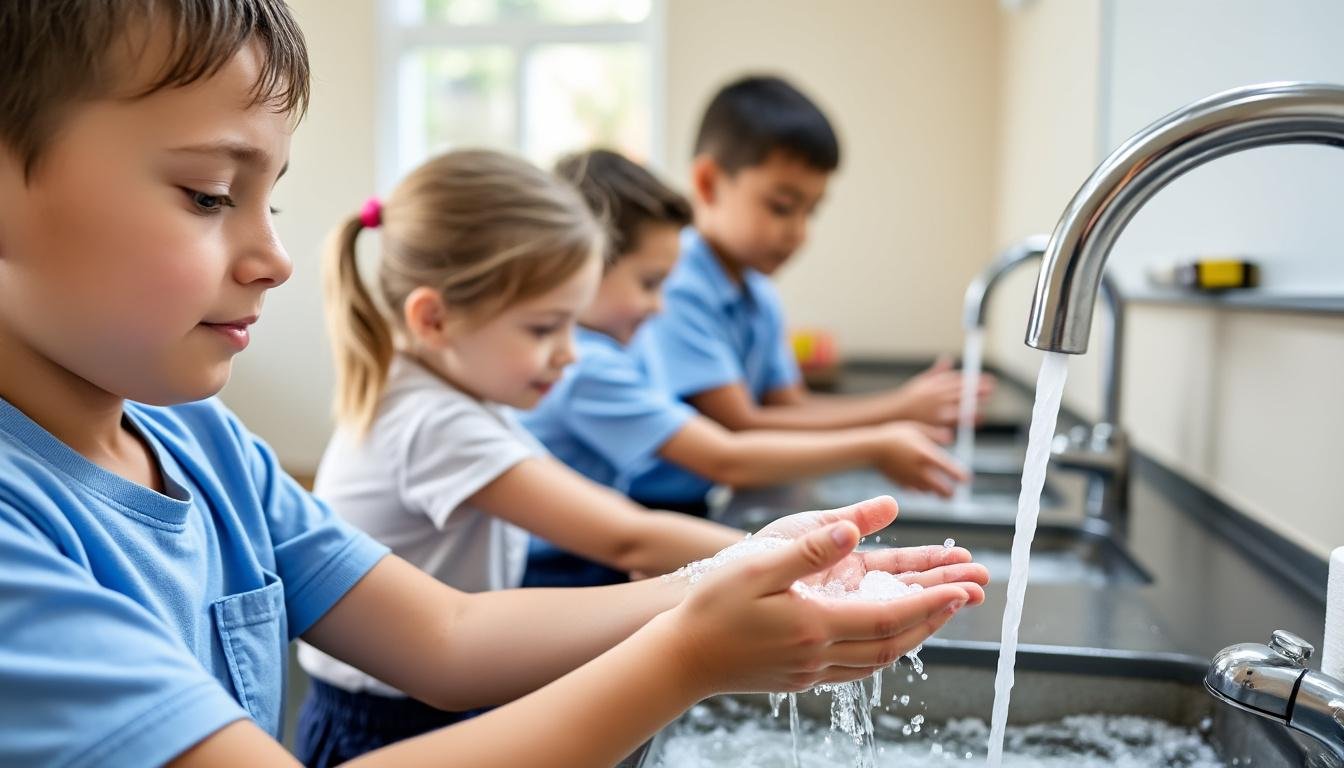
Controlling the spread of infections in classrooms starts with effective hygiene practices. By 2025, schools have become more proactive in responding to typical respiratory illnesses and stomach bugs, common during school terms, underscoring the essential role of cleanliness and preventive actions. Proper handwashing remains the cornerstone of infection control, yet it is a skill that many children find challenging to master initially. According to health officials, careful instruction including singing the “Happy Birthday” song or reciting the ABCs twice while washing helps children develop thorough handwashing habits.
The process involves more than just rinsing with water; the recommended sequence includes using warm water, applying soap, scrubbing all parts of the hand for at least 20 seconds, rinsing thoroughly, and drying hands with a clean towel or disposable paper towels. Schools are encouraging regular handwashing breaks especially before meals and after recess. Additionally, the presence of hand sanitizer in classrooms, especially for older students moving between multiple classes, provides quick access to hygiene even when time is limited.
Other effective hygiene habits include teaching students to cough or sneeze into their elbows or tissues, immediately followed by handwashing to minimize airborne or contact transmission of pathogens. Equipment such as surface disinfectants and sanitizing wipes are increasingly used throughout the school day for desks, door handles, and shared technology devices.
- Handwashing with soap and warm water for at least 20 seconds
- Using hand sanitizer when handwashing facilities are not accessible
- Sneezing or coughing into the elbow or tissue, followed by immediate hand hygiene
- Regular sanitization of desks and frequently-touched surfaces
- Avoiding sharing personal items to reduce cross-contamination
| Hygiene Practice | Frequency | Benefits |
|---|---|---|
| Handwashing | Before meals, after restroom use, after outdoor play | Removes microbes, reduces disease transmission |
| Hand Sanitizer Use | Between classes, when handwashing not possible | Quick germ kill, convenience for older students |
| Cough/Sneeze Etiquette | Every instance of coughing or sneezing | Limits droplet spread, protects peers |
| Surface Sanitization | Multiple times daily | Reduces pathogen presence on shared touchpoints |
Hygiene education is paired with ongoing reassurance and review for all age groups, utilizing programs like GoNoodle to engage younger students in fun, movement-based breaks that encourage handwashing and healthy breaks. Integration of technology also helps, with Fitbit wearables being used to monitor activity and prompt breaks, which contribute indirectly to immune resilience by encouraging physical wellness.
Nutrition and Rest: Building Blocks of Immunity and Focus
Wellness in classrooms extends far beyond hygiene to embrace the critical roles nutrition and rest play in maintaining students’ health, immunity, and cognitive function. Pediatric health experts in 2025 emphasize how a nutritious diet combined with consistent, quality sleep strengthens students’ resilience to illnesses and improves academic performance. Proper nourishment fuels the brain, aids concentration, and supports emotional regulation, while adequate sleep enhances memory retention and mental clarity.
An approach endorsed by educational wellness advocates encourages the inclusion of nutrient-dense snacks and lunches at school, which can be enhanced with brands such as Nature Made that provide supplements ensuring kids receive vital vitamins if dietary gaps occur. Meanwhile, hydration remains equally essential; supplying classrooms with Lifefactory bottles and Brita filtered water stations supports regular fluid intake throughout the day.
- Eating balanced meals rich in fruits, vegetables, whole grains, and proteins
- Ensuring hydration by drinking plenty of water during school hours
- Promoting sleep hygiene with regular bedtimes and screen-free wind-down routines
- Incorporating brief physical activities to stimulate metabolism and focus
- Parental involvement in reinforcing consistent wellness habits at home
Schools are increasingly partnering with wellness organizations and nutritionists to design menus that nurture sustained energy and support immune defenses. The integration of resources from Nourishing Back-to-School Treats and Wellness Routines emphasizes practical tips for both cafeterias and households to reinforce healthy decision-making. Moreover, school policies also stress keeping children home when exhibiting fever or other contagious symptoms, guiding parents to prioritize health over attendance for the collective good.
| Wellness Habit | Recommended Duration/Amount | Impact on Students |
|---|---|---|
| Quality Sleep | 8–10 hours per night | Improves memory, concentration, mood regulation |
| Balanced Nutrition | 3 meals + healthy snacks daily | Supports energy levels, immune system function |
| Hydration | At least 6-8 cups of water | Prevents dehydration, supports cognitive function |
Educators are encouraged to collaborate with parents and wellness professionals including Mindful Schools and Calm, providing students tools to improve both their mental and physical well-being. This holistic perspective is key in nurturing a classroom where students can not only resist illness but flourish intellectually and socially.
Integrating Mindfulness and Emotional Wellness into Classroom Culture
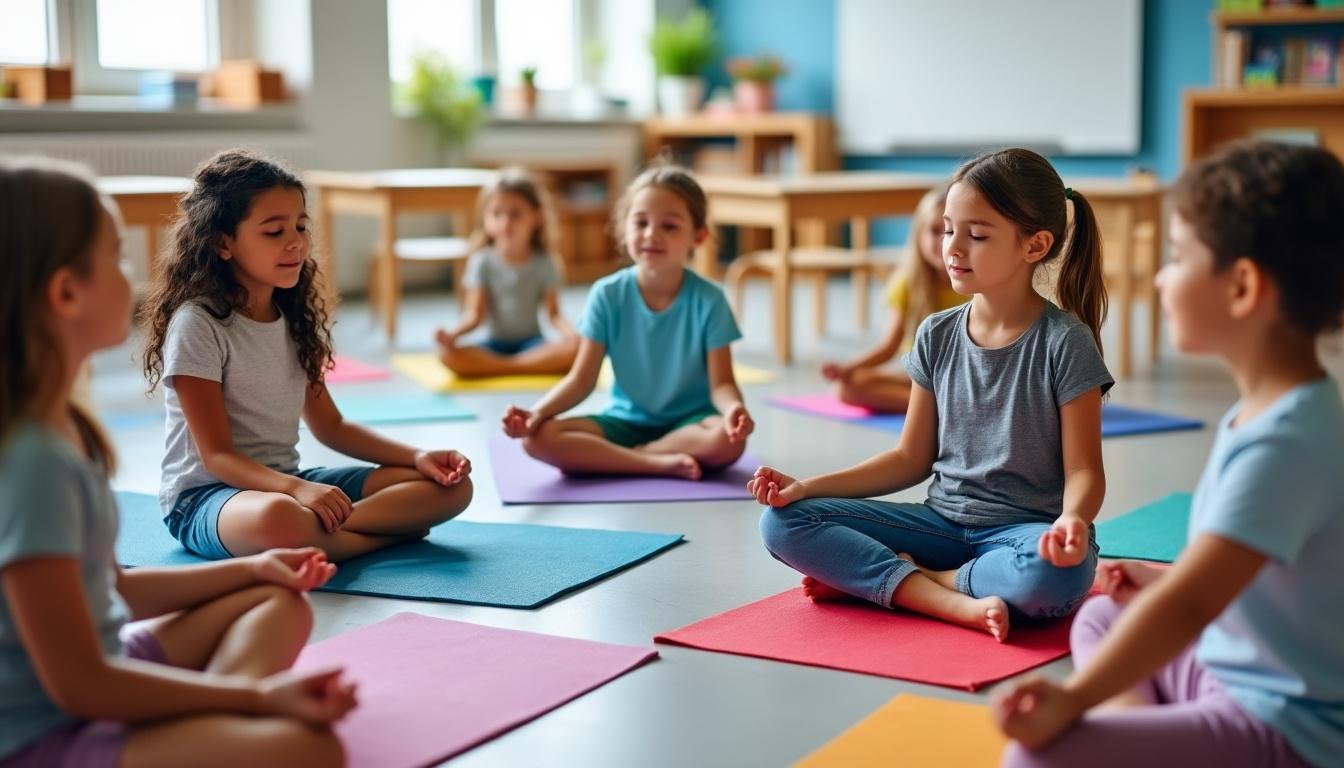
Creating a productive classroom environment increasingly involves prioritizing psychological well-being alongside physical health. Mindfulness and emotional wellness have emerged as crucial components within the educational framework in 2025, helping students manage stress, enhance focus, and foster positive social interactions. Programs affiliated with Breathe for Change and Mindful Schools have demonstrated measurable benefits in reducing anxiety and improving classroom climate.
Mindfulness practices might include daily breathing exercises, short meditation sessions, or reflective pauses encouraged at transitions between subjects. These techniques equip students with coping skills necessary for emotional regulation and stress reduction, essential in an era when many children face hectic schedules and exposure to social media pressures. Incorporating tools like Calm app also facilitates accessible guided practices for both teachers and students.
- Daily mindfulness breaks to improve attention and reduce stress
- Teaching emotional vocabulary to foster empathy and communication
- Training teachers in emotional wellness strategies for classroom climate improvement
- Using physical activity breaks via resources like GoNoodle to elevate mood
- Providing safe spaces for students to express feelings openly without judgment
This integration is not just about individual health but about building a community of support. Emotional wellness supports positive peer relationships, decreases disruptive behavior, and enhances readiness to learn. Teacher wellness also plays a vital role; engaging educators in wellness practices decreases burnout and models healthy coping mechanisms for students, a concept well presented in Teacher Wellness: 5 Ways to Create a Healthy Classroom Climate.
| Mindfulness Practice | Purpose | Benefits |
|---|---|---|
| Breathing Exercises | Stress reduction, focus improvement | Lower cortisol levels, increased attention span |
| Meditation | Calmness, emotional regulation | Better mood, reduced anxiety |
| Reflective Pause | Re-centering after transition | Improved behavioral outcomes |
| Physical Movement Breaks | Energy release, mood elevation | Improved classroom engagement |
Environmental and Ergonomic Factors Enhancing Classroom Wellness
Physical environment plays a critical role in fostering wellness within classrooms. Ergonomic furniture, air quality, hydration options, and overall room design have been increasingly optimized by 2025 to support students’ health and academic productivity. Classrooms stocked with quality seating from contractors like Standing Desk Store and ErgoErgo promote correct posture and reduce physical strain that can negatively impact focus and long-term health.
In addition, hydration stations featuring devices from Brita and reusable water bottles from Lifefactory encourage steady fluid intake, which is essential for cognitive functioning and overall wellness. Air circulation and cleanliness have also become priorities in design, incorporating air purifiers and enhanced sanitation protocols to combat airborne illnesses.
- Ergonomic adjustable desks and chairs to support correct posture
- Hydration facilities easily accessible throughout the school day
- Indoor air quality control through filtration and ventilation
- Natural lighting and calming color schemes to boost mood and focus
- Regular cleaning protocols for maintenance of hygiene standards
| Environmental Aspect | Description | Expected Benefit |
|---|---|---|
| Ergonomic Furniture | Adjustable desks and chairs designed for student comfort | Reduced musculoskeletal strain, enhanced concentration |
| Hydration Stations | Water filtering devices and reusable bottles | Improved hydration supporting cognitive function |
| Air Quality Control | Filters, purifiers to maintain clean breathable air | Less respiratory distress, fewer absences |
| Lighting and Aesthetics | Focus-enhancing natural light, soft color palettes | Elevates mood and reduces fatigue |
Combining these environmental adjustments with educational programs on wellness, schools create classrooms where health is a natural component of the learning experience. This synergy between physical infrastructure and wellness programming forms an ecosystem that nurtures student potential sustainably and holistically.
Building Consistent Healthy Habits for Long-Term Classroom Wellness
Promoting wellness in classrooms is an ongoing process that requires a culture of consistency supported by collaboration among teachers, parents, and students. Establishing healthy habits early and reinforcing them continuously prevents lapses in wellness practices and cultivates lifelong health awareness. Embedding daily routines that address hygiene, nutrition, mindfulness, and environment creates a seamless experience that students internalize naturally.
Tools like Fitbit collaborate with educational programs such as Mindful Schools to track physical activity and mental wellbeing, encouraging students toward sustained healthy routines. Schools using such integrated technologies also encourage self-awareness and independence in health management among students, a skill valuable beyond their schooling years.
Strategies for building and maintaining healthy habits include:
- Implementing structured daily schedules incorporating wellness activities
- Providing education on the importance of each health habit with engaging content
- Engaging families through newsletters and online portals for consistent home reinforcement
- Utilizing technology to track and motivate wellness progress
- Training staff with resources from Wellness Habits for Students and Healthy Habits for the Classroom
| Habit Building Strategy | Description | Expected Outcome |
|---|---|---|
| Routine Integration | Incorporate hygiene, mindfulness, nutrition into daily class schedules | Automatic healthy behaviors, reduced illness rates |
| Family Engagement | Inform and involve parents for continuity across environments | Stronger habit reinforcement, better student wellness at home |
| Technology Use | Fitbit and apps to monitor activity and wellness progress | Increased student motivation, self-management skills |
| Staff Training | Professional development on health and wellness integration | Improved classroom atmosphere, consistent habit promotion |
Ultimately, sustaining these healthy habits transforms the classroom into a dynamic environment centered on wellness, maximizing academic successes, social harmony, and physical health — a commitment that benefits all members of the school community.
Frequently Asked Questions about Promoting Wellness in Classrooms
- How can schools effectively teach handwashing to young children?
Schools use techniques like singing the “Happy Birthday” song while scrubbing for 20 seconds, visual aids, and supervised practice to ensure the skill becomes routine and effective. - What role does nutrition play in student wellness?
Proper nutrition sustains energy, supports immune health, and improves concentration, directly influencing students’ ability to learn and participate in class activities. - Why is mindfulness important in educational settings?
Mindfulness reduces stress, enhances focus, and promotes emotional regulation, contributing to a positive classroom climate and better academic outcomes. - How can ergonomic furniture improve student health?
Ergonomic desks and chairs promote correct posture, reduce physical discomfort, and prevent musculoskeletal problems that can distract from learning. - What strategies can maintain healthy habits beyond the classroom?
Collaborating with families, using technology like Fitbit for motivation, and scheduling consistent wellness activities ensure that healthy habits become lifelong practices.

2 Comments
Pingback: Binghamton Minds Kicks Off First 'Walk for Wellness' to Boost Healthy Living
Pingback: Smart Habits: Helping Your Child Thrive This School Year