

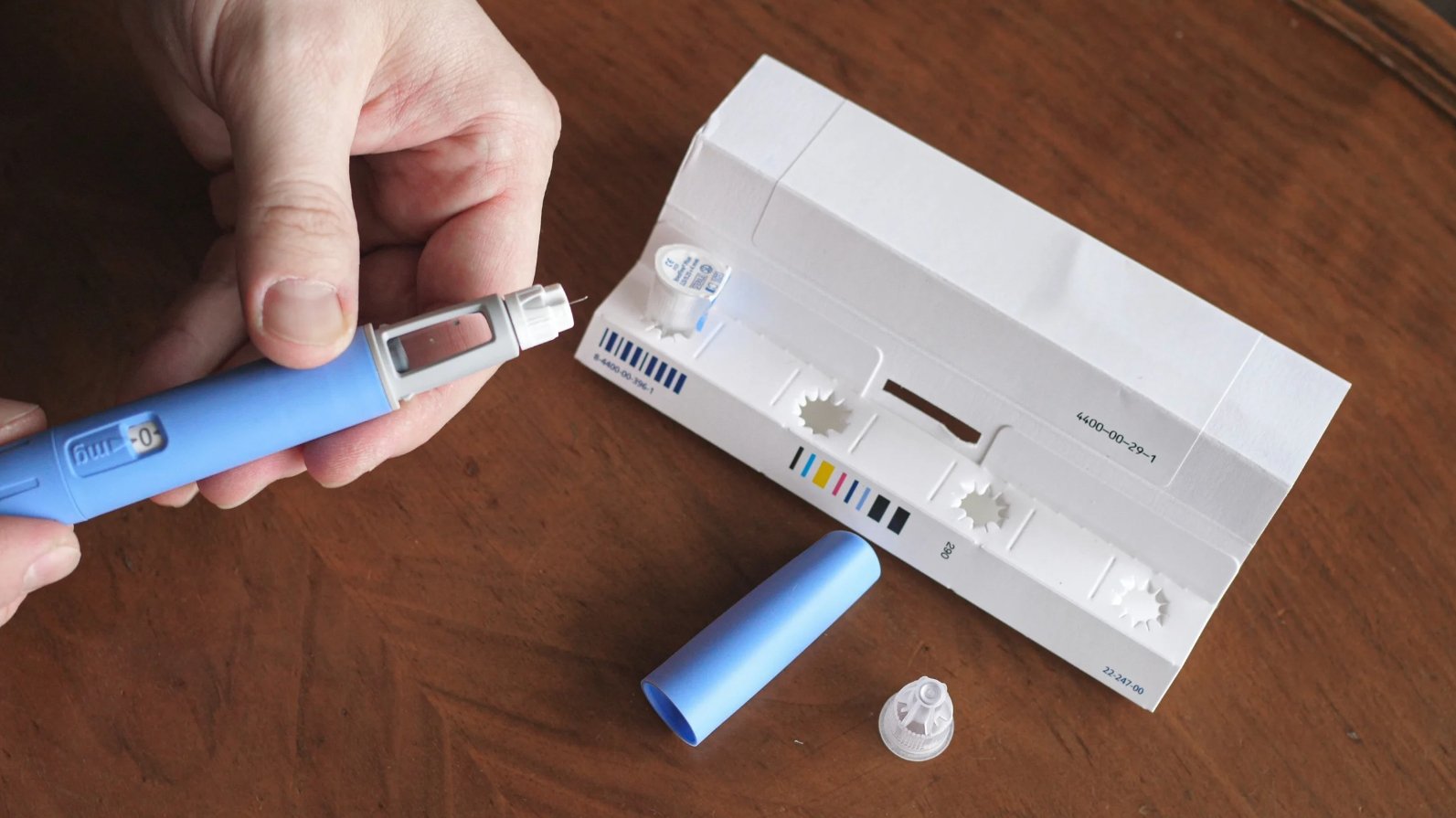
It’s been trending on TikTok, mentioned by celebrities on red carpets, and even praised in magazine headlines as the latest miracle solution for weight loss. Ozempic, originally developed as a treatment for type 2 diabetes, is now at the heart of a growing cultural phenomenon. What began as a medical innovation to control blood sugar has rapidly become a symbol of modern weight management—sparking equal parts excitement, controversy, and misinformation.
This injectable medication has gained attention not just for its impact on body weight, but also for what it represents: a shift in how we think about obesity, lifestyle, and long-term health. For some, it’s a lifeline after years of failed diets. For others, it’s a shortcut with risks still being explored.
As a doctor, nutritionist, and sport trainer, I’ve watched the rise of Ozempic with both professional interest and clinical caution. I regularly meet patients who are curious about its effects, wondering whether it could be their solution—or whether the hype is too good to be true. The truth is more complex than the headlines suggest.
Before considering Ozempic as part of your health journey, it’s essential to understand how it works, who it’s designed for, and what role it can (and cannot) play in a sustainable weight management plan. Here’s what you truly need to know—based on science, not social media.
What is Ozempic and how does it work?
Ozempic is the brand name for semaglutide, a medication that mimics a natural hormone called GLP-1 (glucagon-like peptide-1). This hormone helps regulate blood sugar levels by enhancing insulin secretion and slowing down gastric emptying.
When used for weight loss, the medication’s primary effect is appetite suppression. It helps people feel full sooner and reduces cravings, which naturally leads to decreased caloric intake. Originally approved for diabetes, its off-label use for weight loss has grown due to these effects—but that doesn’t mean it’s suitable for everyone.
Who is it really intended for?
Ozempic was never designed for general weight loss. Its approved use is for adults with type 2 diabetes or, in some cases, those with obesity or significant weight-related health issues. Prescribing it to otherwise healthy individuals is controversial and should always be considered with extreme care.
Doctors typically evaluate candidates based on Body Mass Index (BMI), history of failed lifestyle interventions, and the presence of comorbidities like hypertension, sleep apnea, or insulin resistance. Using it solely for cosmetic or quick-fix purposes raises both medical and ethical concerns.
Benefits and side effects: a careful trade-off
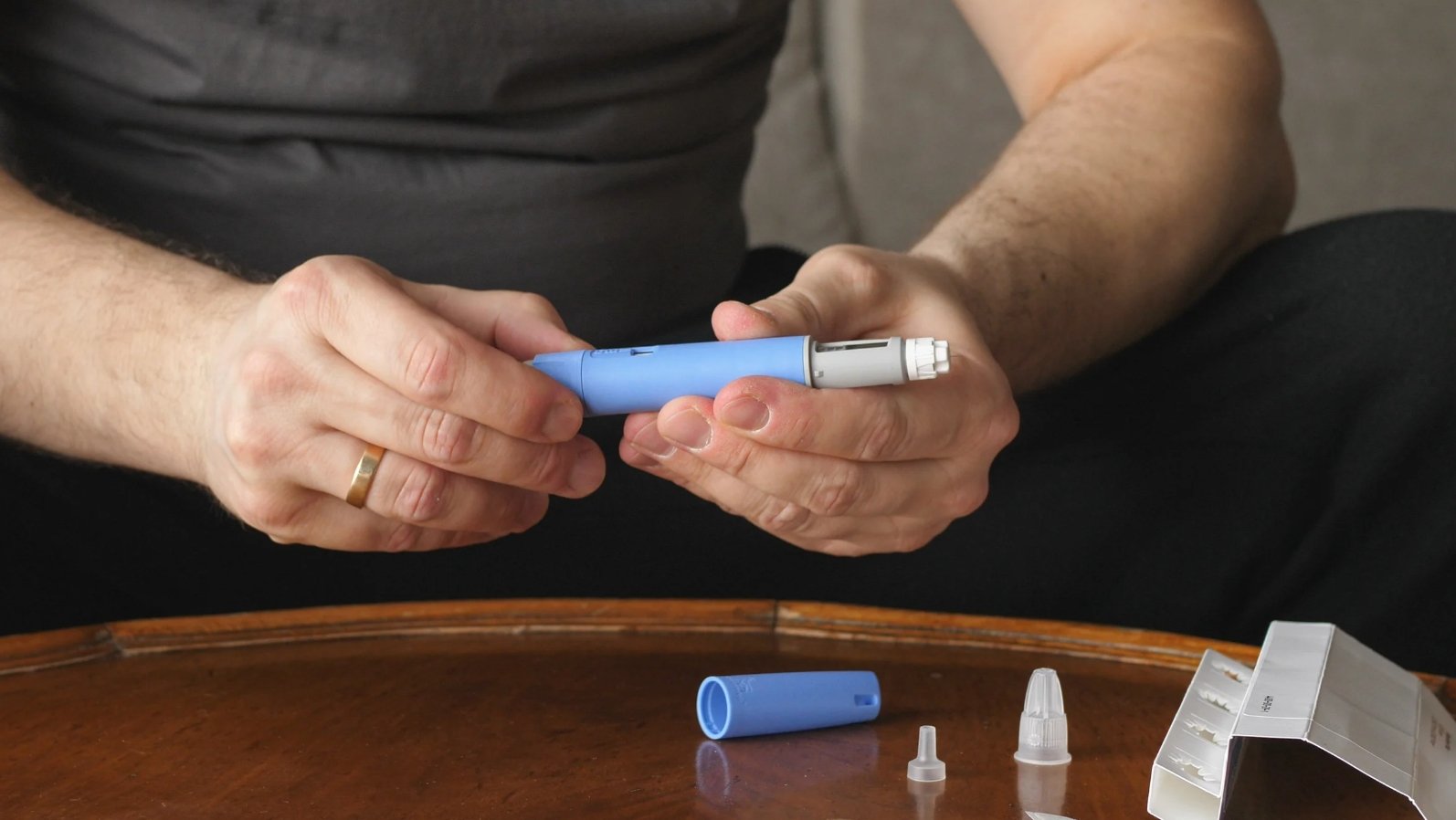
Many users report noticeable weight loss within weeks of starting Ozempic. For people with obesity-related health risks, this can reduce inflammation, lower blood pressure, and improve insulin sensitivity. These are real, evidence-based benefits when the drug is prescribed correctly.
However, like all medications, it carries risks. Common side effects include nausea, vomiting, diarrhea, and fatigue. In rare cases, it can cause pancreatitis or thyroid tumors. The long-term effects of using it in non-diabetic populations are still being studied, which is why informed supervision is essential.
Why lifestyle still matters—even with medication
Even with Ozempic’s appetite-regulating power, long-term weight loss still depends on your daily habits. This includes maintaining a balanced diet, regular exercise, and consistent sleep—areas where the drug offers no shortcut. Think of it as a tool, not a cure.
As a sport trainer and nutritionist, I often guide patients through building routines that don’t rely solely on pharmaceutical aid. Sustainable success comes from combining modest caloric control, strength training, and adequate protein and fiber intake. Ozempic can enhance outcomes, but it should never replace these foundations.
What you need to remember
- Ozempic is a prescription medication originally created for type 2 diabetes.
- It supports weight loss by reducing appetite and slowing digestion.
- It is not designed for general use or cosmetic weight loss alone.
- Common side effects include nausea and digestive discomfort.
- Lifestyle changes remain essential for sustainable health outcomes.
Before considering Ozempic, consult a qualified medical professional to assess if it fits your personal health profile. Don’t rely on trends or hearsay—make the decision with medical facts and long-term well-being in mind.
Your journey to better health deserves more than a shortcut. It deserves strategy, support, and a plan rooted in what actually works.
