

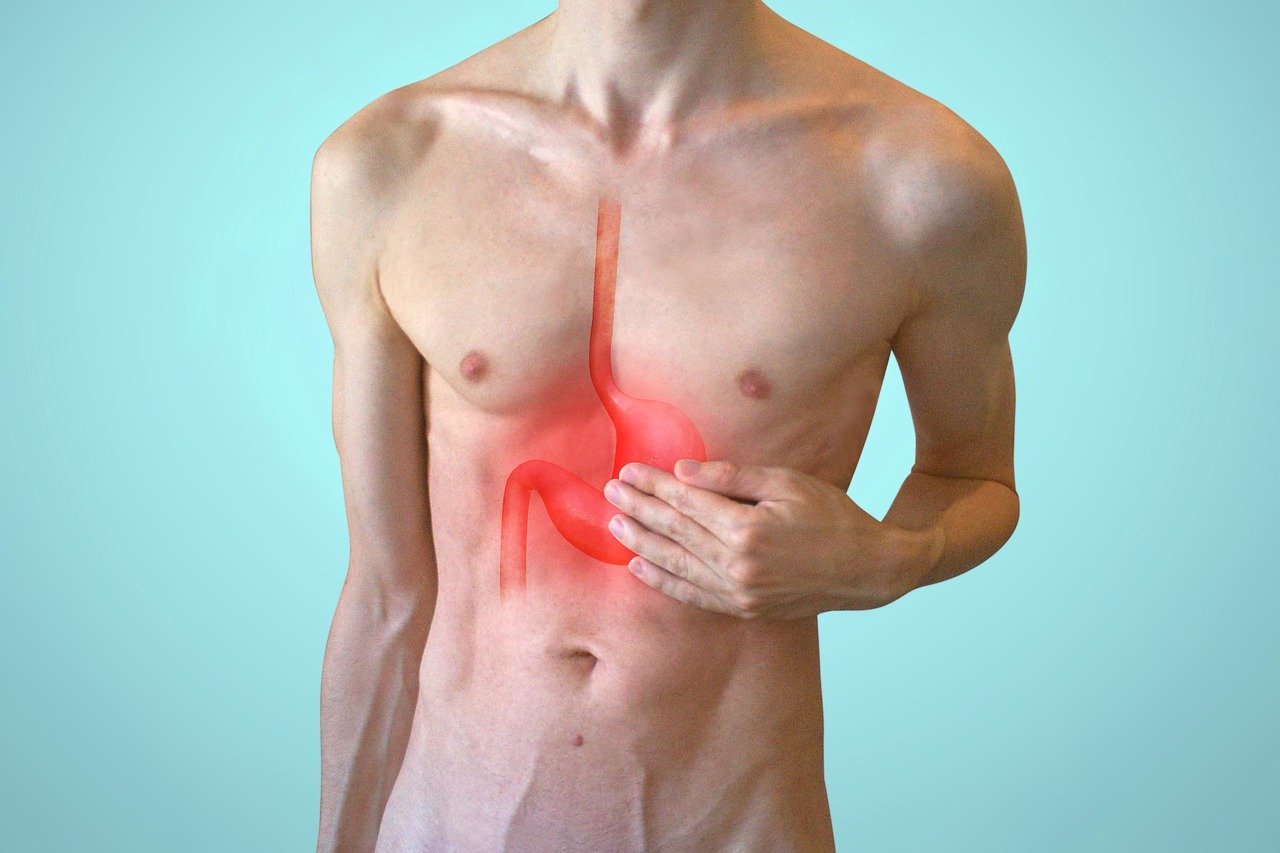
That familiar fiery sensation creeping up your chest after a delightful dinner is something nearly everyone experiences. We call it heartburn, a simple annoyance often blamed on that extra slice of pizza. But what if that occasional discomfort becomes a frequent, unwelcome guest? For many older adults, what seems like simple indigestion could be the whisper of a more persistent condition known as gastroesophageal reflux disease, or GERD. Understanding the crucial difference isn’t just about managing comfort; it’s about safeguarding your long-term health. Recognizing the signs and taking proactive steps can transform a life of chronic discomfort into one of vibrant well-being, empowering you to stay in control of your digestive health and enjoy every meal without fear.
In Brief: Key Differences to Know
- 🔥 Heartburn is a symptom, not a disease. It’s the burning feeling caused by stomach acid entering the esophagus.
- 🗓️ GERD is a chronic disease. It’s characterized by frequent and persistent acid reflux, occurring at least twice a week.
- 🚨 Frequency is the main clue. Occasional heartburn is common, but regular episodes signal it might be GERD.
- 🩺 Untreated GERD has risks. It can lead to serious complications like esophageal damage, ulcers, and dental erosion.
- ✅ Action is key. Persistent symptoms warrant a conversation with your doctor to prevent long-term issues.
Decoding the Burn: Is It Simple Heartburn or Something More?
At its core, heartburn is the uncomfortable, burning sensation you feel when stomach acid flows back up into your esophagus—the tube connecting your throat and stomach. Despite its name, it has absolutely nothing to do with your heart. For most, it’s a temporary issue, easily managed with lifestyle tweaks or an over-the-counter antacid. Common signs include a bitter taste in your mouth, burping, and pain that often worsens when you bend over or lie down.
“For years, I just called it my ‘spicy food tax’,” says Margaret, a 68-year-old from Austin, Texas. “I’d pop an antacid and forget about it. It wasn’t until the burning started waking me up at night, several times a week, that I realized this wasn’t just a reaction to my cooking. It was a pattern, and it was starting to run my life.” Keeping a simple log of when your heartburn occurs and what you ate can be an incredibly powerful tool to share with your healthcare provider.

When Reflux Becomes a Chronic Concern: Understanding GERD
If your heartburn becomes a regular event, happening more than twice a week, you may be dealing with gastroesophageal reflux disease (GERD). Affecting an estimated 20% of the U.S. population, GERD is a more serious, chronic condition. It occurs when the natural barrier between the stomach and esophagus weakens, allowing toxic stomach acid to repeatedly wash back up. Over time, this constant acid exposure can cause significant damage.
Untreated GERD is not something to ignore. It can lead to inflammation, ulcers, and scarring in the esophagus. In some cases, it can even wear away tooth enamel, leading to sensitivity and tooth loss. Other tell-tale symptoms that point toward GERD include persistent coughing or hoarseness, aggravated asthma, pain or difficulty swallowing, and the feeling of a lump in your throat.
Identifying Your Triggers and Risk Factors
Understanding what contributes to acid reflux is the first step toward managing it. Certain factors can weaken the esophageal sphincter or increase stomach acid, making symptoms more likely. Here are some of the most common culprits:
- 🍔 Dietary Choices: Fatty or spicy foods, chocolate, citrus fruits, tomato-based products, coffee, and alcohol are frequent triggers.
- ⚖️ Excess Weight: Carrying extra pounds puts pressure on the abdomen, which can push acid up from the stomach.
- 🛌 Mealtime Habits: Eating large meals or lying down soon after eating can compromise the effects of gravity that help keep acid down.
- 🚬 Smoking: Smoking (including secondhand smoke) can weaken the muscle that controls the opening between the esophagus and stomach.
- 💊 Certain Medications: Some medications, including certain sedatives, calcium channel blockers for high blood pressure, and NSAIDs like ibuprofen, can contribute to symptoms.
Taking Control: Proactive Steps for Relief and Long-Term Health
The great news is that GERD is highly manageable. Taking charge of your health with a few intentional lifestyle adjustments can bring profound relief and prevent future complications. Simple changes like elevating the head of your bed by six inches, avoiding meals within three hours of bedtime, and incorporating gentle physical activity into your routine can make a world of difference.
“My doctor and I made a plan,” shares David, 72, from Florida. “I started with small dietary changes—less coffee, no more late-night snacks. I also lost about 15 pounds. It wasn’t easy at first, but now I sleep through the night, and that constant burning is gone. I feel like I’ve got my energy back.” For persistent symptoms, over-the-counter medications like H2 blockers or proton pump inhibitors (PPIs) can reduce stomach acid, but it’s vital to speak with your doctor before starting any new medication, especially if you’re taking other prescriptions.

When to Seek Professional Medical Advice
While lifestyle changes are powerful, some symptoms should never be ignored. It’s time to call your doctor immediately if you experience:
| Symptom 🚩 | Why It’s a Concern |
|---|---|
| Difficulty Swallowing | Could indicate narrowing or damage to the esophagus. |
| Unexplained Weight Loss | May signal a more serious underlying issue. |
| Chest Pain | Needs immediate evaluation to rule out heart-related problems. |
| Black or Bloody Stools | Can be a sign of bleeding in the digestive tract. |
Your provider can help determine the cause of your symptoms and may refer you to a gastroenterologist for tests like an endoscopy, which allows a doctor to look inside your esophagus. Getting a proper diagnosis is the most empowering step you can take toward lasting relief.
How long does typical heartburn last?
Occasional heartburn usually lasts from a few minutes to a few hours. It often subsides on its own or with an over-the-counter antacid. If your symptoms are lasting longer, happening multiple times a week, or disrupting your sleep, it’s a sign to consult your doctor.
Can stress make my acid reflux worse?
Absolutely. While stress doesn’t directly cause GERD, it can worsen symptoms. Stress can lead to poor eating habits, slow down digestion, and increase your sensitivity to stomach acid, making the burning sensation feel more intense. Integrating stress-management techniques like deep breathing or walking can be very beneficial.
Does drinking milk actually help with heartburn?
Milk can provide very brief, temporary relief by coating the esophagus. However, the fat and calcium in milk can stimulate the stomach to produce more acid shortly after, potentially making symptoms worse in the long run. If you try it, opt for low-fat or fat-free milk in small amounts.
Is GERD something that can be cured?
GERD is generally considered a chronic, manageable condition rather than a curable one. However, with the right combination of lifestyle changes, dietary adjustments, and, if needed, medication, most people can effectively control their symptoms and prevent long-term complications, leading a full and comfortable life.
The illustration photo in this article was generated by an artificial intelligence model. Fictional testimonials may have been included for illustrative purposes.

2 Comments
Pingback: Alcohol and the holidays after 65: how to protect sleep, balance, and blood pressure - LiveWell Magazine
Pingback: Reflux and holiday meals: what to eat (and what to avoid) after 60 - LiveWell Magazine