


Inflammation is a natural defense mechanism of the body. But when it becomes chronic, it can lead to serious health issues like heart disease, diabetes, or arthritis. Fortunately, adopting a healthier lifestyle can play a major role in keeping it in check. How can diet, exercise, sleep, and stress management help reduce inflammation? And what daily habits can we adopt to feel better naturally?
Understanding inflammation
Inflammation is the body’s response to injury or infection. In the short term, it’s useful — helping heal wounds or fight bacteria. But when inflammation lingers for weeks, months, or even years, it becomes harmful.
Chronic inflammation often results from poor lifestyle choices. Smoking, ultra-processed foods, sedentary routines, lack of sleep, or emotional stress can all feed this internal fire. The good news? Small, steady changes in your routine can significantly lower inflammation and improve your well-being.
Anti-inflammatory diet: What to eat and avoid
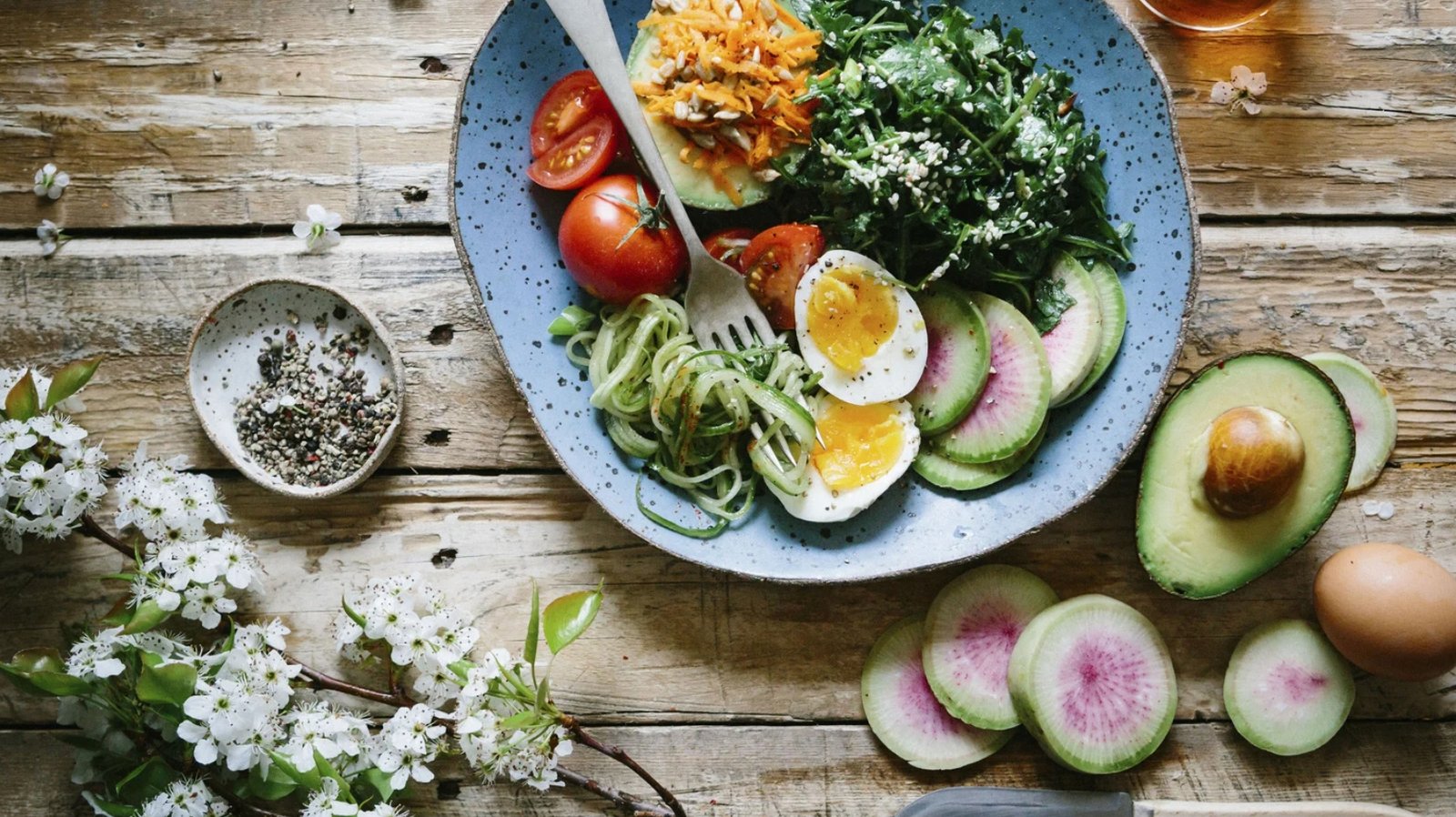
Nutrition is one of the most powerful tools to fight inflammation. A balanced, anti-inflammatory diet centers on whole foods that nourish the body and calm the immune response.
10 quick checks to spot low-quality supplements before you buy - plus research-backed doses for 12 common ingredients. Free PDF, no spam.
- Fatty fish like salmon, sardines, and mackerel (rich in omega-3)
- Leafy greens such as spinach, kale, and arugula
- Colorful fruits like blueberries, cherries, and oranges
- Spices such as turmeric and ginger
- Healthy fats from olive oil, avocado, and nuts
- Refined sugars and sweetened beverages
- Processed meats like bacon, sausages, and cold cuts
- Trans fats found in packaged snacks and fried foods
- Excessive alcohol and salt
- Highly refined grains like white bread and pasta
Opt for a Mediterranean-inspired diet: it has been shown to lower inflammatory markers and improve overall cardiovascular health.
The role of exercise in reducing inflammation
Physical activity has an impressive ability to regulate inflammation. Moderate, consistent movement supports immune function and lowers levels of pro-inflammatory substances in the blood.
While high-intensity workouts can sometimes increase short-term inflammation, regular moderate exercise like walking, swimming, or cycling improves long-term outcomes. The key is balance and consistency.
| Activity Type | Frequency | Duration |
|---|---|---|
| Cardio (brisk walk, cycling) | 5 days/week | 30 minutes |
| Strength training | 2–3 times/week | 20–30 minutes |
| Stretching or yoga | Daily | 10–15 minutes |
Even simple changes — like standing every hour or choosing stairs over the elevator — can gradually decrease your inflammation levels.
How sleep and stress management influence inflammation
Sleep is when the body repairs itself. Chronic sleep deprivation raises levels of cortisol and inflammatory molecules. Aim for 7 to 9 hours of quality sleep per night to help the body reset and reduce systemic stress.
Chronic stress is another inflammation trigger. When you’re constantly in fight-or-flight mode, your body pumps out hormones that stimulate inflammatory pathways. Mindfulness, meditation, and deep breathing can help.
- Go to bed and wake up at the same time every day
- Avoid screens and heavy meals at least one hour before sleeping
- Practice relaxation: breathing exercises, nature walks, or journaling
- Limit caffeine intake in the afternoon and evening
Reducing mental and physical stress has measurable effects on your immune system and helps create a stable, healing internal environment.
Small changes, big impact
Chronic inflammation doesn’t appear overnight — and it won’t disappear overnight either. But by nourishing your body with whole foods, staying active, prioritizing sleep, and finding calm in your day, you create the conditions for long-term healing.
- Eat at least 5 servings of fruits and vegetables
- Move your body for 30 minutes
- Get 7–9 hours of restful sleep
- Hydrate well and manage your stress
Start with just one habit today — and watch your body thank you tomorrow.
10 quick checks to spot low-quality supplements before you buy - plus research-backed doses for 12 common ingredients. Free PDF, no spam.

1 Comment
Pingback: Low-inflammation holiday eating: a comfort-food strategy for achy joints - LiveWell Magazine