


Sleep is one of the most fundamental human needs, yet how we approach it varies dramatically across cultures. From afternoon naps in Spain to late-night meals in Argentina, every society has its own rhythm of rest. These habits aren’t just cultural quirks — they can teach us powerful lessons about recovery, performance, and well-being.
As a doctor, nutritionist, and sports trainer, I’ve observed how global traditions can offer surprising strategies to improve our sleep and recovery. Let’s take a tour around the world and explore what different cultures do — and what your nightly routine might be missing.
Rest around the world: how cultures approach sleep and recovery
Spain and Latin America: The tradition of the *siesta* is deeply rooted in hot-climate cultures. Typically taken after lunch, this brief midday rest helps manage energy levels in the heat and supports productivity through the afternoon.
Japan: Known for its high-pressure work culture, Japan embraces the concept of *inemuri* — the art of napping in public. It’s not uncommon to see people dozing on trains or even in offices, where short naps are considered signs of dedication, not laziness.
Scandinavia: In countries like Finland and Sweden, the use of saunas and cold plunges is a cornerstone of recovery. Alternating between heat and cold stimulates circulation, relieves muscle tension, and promotes relaxation — both physical and mental.
Italy and Greece: The Mediterranean approach to rest includes slow-paced evenings, light physical activity after meals, and community-centered routines. People often eat later but enjoy long meals that encourage digestion and connection, reducing stress.
United States and UK: In contrast, many English-speaking countries prioritize productivity and “grind culture,” often sacrificing sleep for work or screen time. While modern technology improves convenience, it often disrupts circadian rhythms and sleep quality.
What science says about these diverse habits


Short naps, like the siesta or inemuri, have been shown to improve memory, reduce stress, and enhance alertness — especially when limited to 20–30 minutes. They’re particularly helpful for people who struggle to get a full night’s rest due to lifestyle or shift work.
Thermal recovery practices such as sauna bathing or hot-cold therapy stimulate blood flow, reduce muscle soreness, and even enhance immune function. They are widely supported in sports medicine for post-exercise recovery.
On the other hand, chronically irregular sleep schedules — such as staying up late with screens — are linked to hormonal disruption, impaired glucose regulation, and lower sleep quality. Consistency in sleep timing remains one of the most impactful habits for long-term health.
Global lessons to improve your own rest and resilience
You don’t need to move to Tokyo or book a ticket to Helsinki to benefit from these traditions. The key is to observe how other cultures respect rest — and then adapt those principles into your own life in a way that fits your needs.
- Allow short, structured rest breaks in your day — even 10 minutes of lying down or meditation can help reset your nervous system
- Use heat and cold strategically — warm showers, Epsom salt baths, or cold face rinses can mimic sauna recovery
- Prioritize social mealtimes and slow eating, which help reduce cortisol and improve digestion
- Create a consistent evening wind-down routine: dim lights, reduce screens, and prepare for bed at the same time each night
- Remember that rest is not idleness — it’s active restoration for body and brain
We can learn a lot by observing how other cultures treat rest not as an afterthought, but as a ritual and necessity. It’s not about copying — it’s about cultivating awareness and choosing what feels right for your body.
Sleep better, live wiser
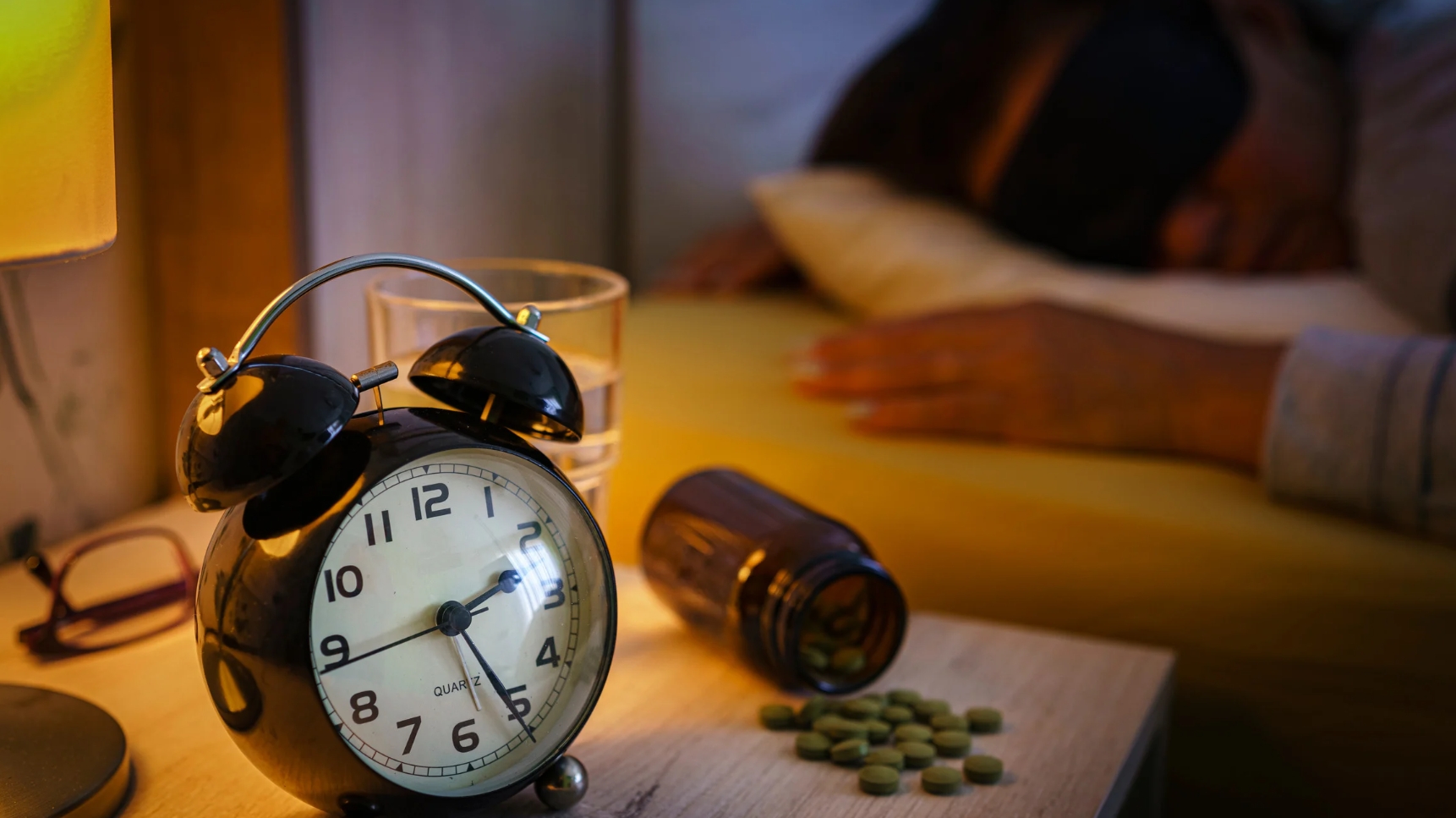
Across time zones and traditions, one thing remains clear: rest is a universal form of self-care. The way you sleep and recover today echoes in your health tomorrow. By borrowing the best practices from around the globe, you can design a more resilient, restorative life — no matter where you are.
- – Take a short nap after lunch if your schedule and body allow
- – Try hot-cold exposure techniques to support recovery
- – Eat slowly and mindfully, especially in the evening
- – Set a regular bedtime and protect your wind-down ritual
- – Treat sleep and recovery as a core part of your wellness — not a luxury
Your rest doesn’t have to look like everyone else’s. But it should work for you — and your future self will thank you.