

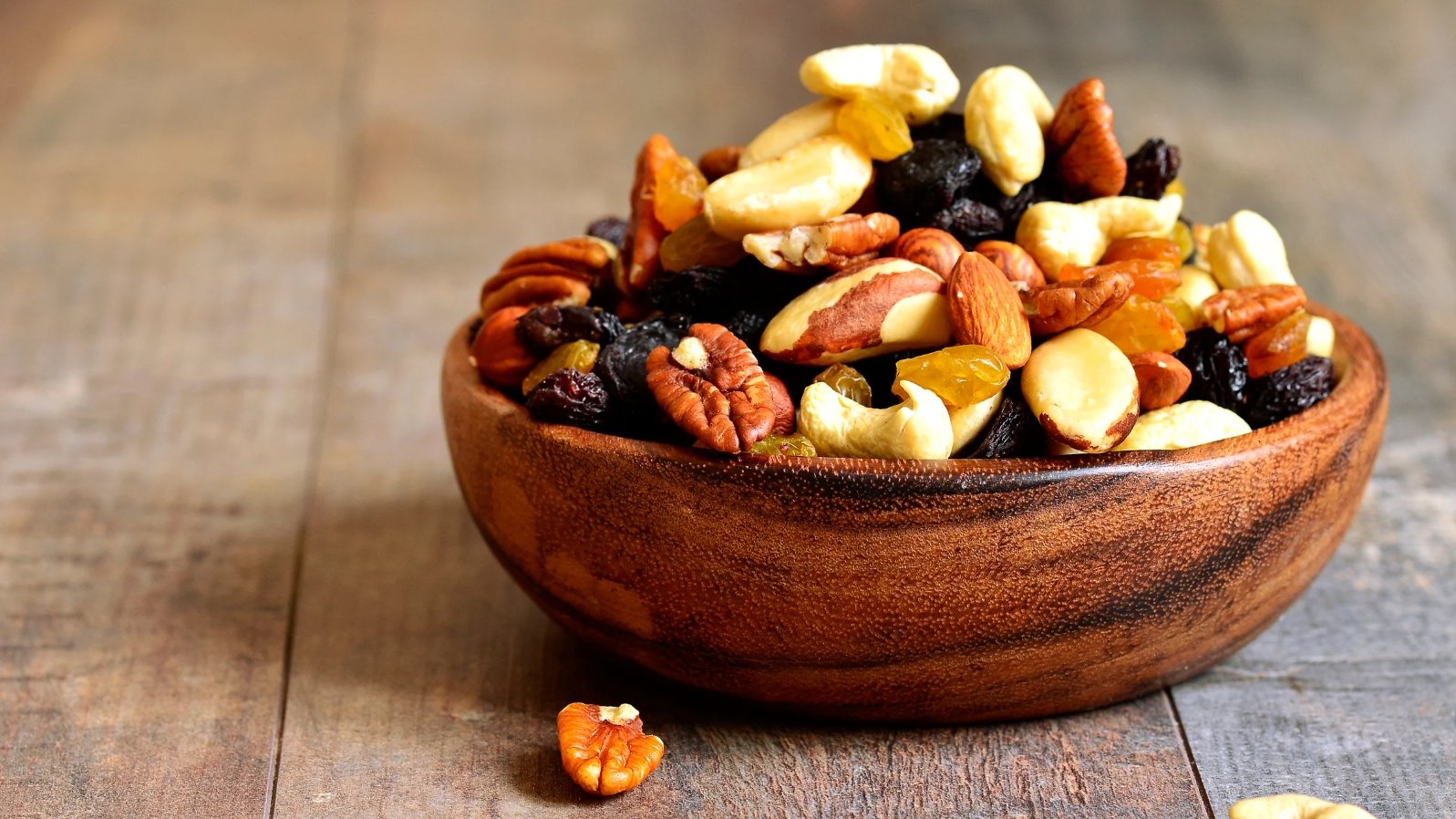
Hidden sugar bombs: 8 “healthy” foods that might be ruining your diet
You eat clean, work out regularly, and even skip dessert. So why is the scale not budging—or worse, creeping up? The answer might be hiding in plain sight. Many foods marketed as “healthy” are loaded with hidden sugars that sabotage your efforts. Even if you’re label-savvy, you might be surprised by how sugar sneaks into everyday choices. Let’s uncover eight common sugar bombs that could be disrupting your goals.
1. Flavored yogurt

Yogurt is praised for its probiotics and protein, but flavored versions—especially fruit-on-the-bottom or vanilla—often carry more sugar than a candy bar. Some single-serving cups contain 15 to 20 grams of added sugar, more than half your daily limit.
Better option: Choose plain Greek yogurt and add fresh fruit or a drizzle of honey if needed. You’ll control the sweetness without the sugar overload.
2. Granola and granola bars
Often found in the “natural” aisle, granola bars promise fiber and whole grains. But many brands rely on sugar, brown rice syrup, or honey to bind ingredients. A typical bar may have 12–18 grams of sugar, even when labeled as “organic” or “energy boosting.”
Better option: Look for bars with less than 6 grams of sugar per serving, or make your own using oats, seeds, and unsweetened nut butter.
3. Store-bought smoothies
Blended fruits sound like the ultimate health drink, but premade smoothies—especially those from chain cafés—can be sugar traps. Many include juice bases, frozen yogurts, or added sweeteners, pushing sugar content past 40 grams per bottle.
Better option: Make smoothies at home with whole fruits, leafy greens, protein powder, and unsweetened almond milk. This way, you keep the fiber and skip the syrups.
4. Sports drinks
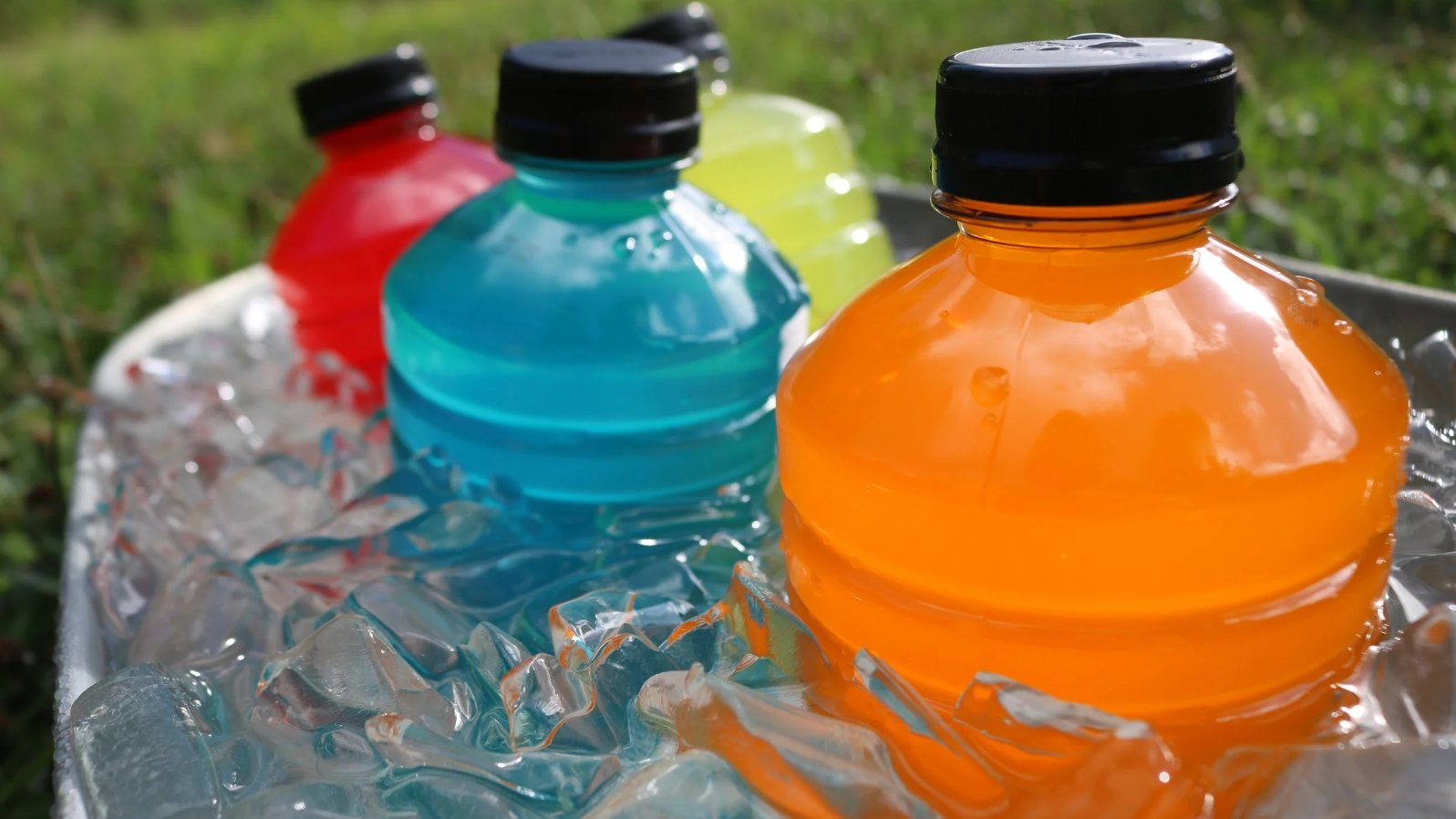
While marketed for hydration and recovery, most sports drinks are unnecessary unless you’re a high-performance athlete. A standard 20-ounce bottle can contain over 30 grams of sugar—equal to seven teaspoons.
Better option: Rehydrate with water and electrolytes from natural sources like coconut water or simply add a pinch of salt and a splash of citrus to your water.
5. Bottled salad dressings
Even when your salad is packed with greens, the dressing could be derailing your efforts. Many fat-free or “light” dressings make up for flavor loss with added sugars—sometimes up to 8 grams per serving.
Better option: Make your own vinaigrette using olive oil, lemon juice, mustard, and herbs. If buying bottled, choose dressings with no more than 2 grams of sugar per tablespoon.
6. Dried fruits
Dried fruits may seem like a convenient, nutrient-rich snack. But most commercial brands add sugar during processing, especially to cranberries, mangoes, and pineapples. This can double the natural sugar content.
Better option: Opt for unsweetened dried fruits and stick to small portions. Better yet, enjoy fresh fruit with all its water content and fiber.
7. Breakfast cereals
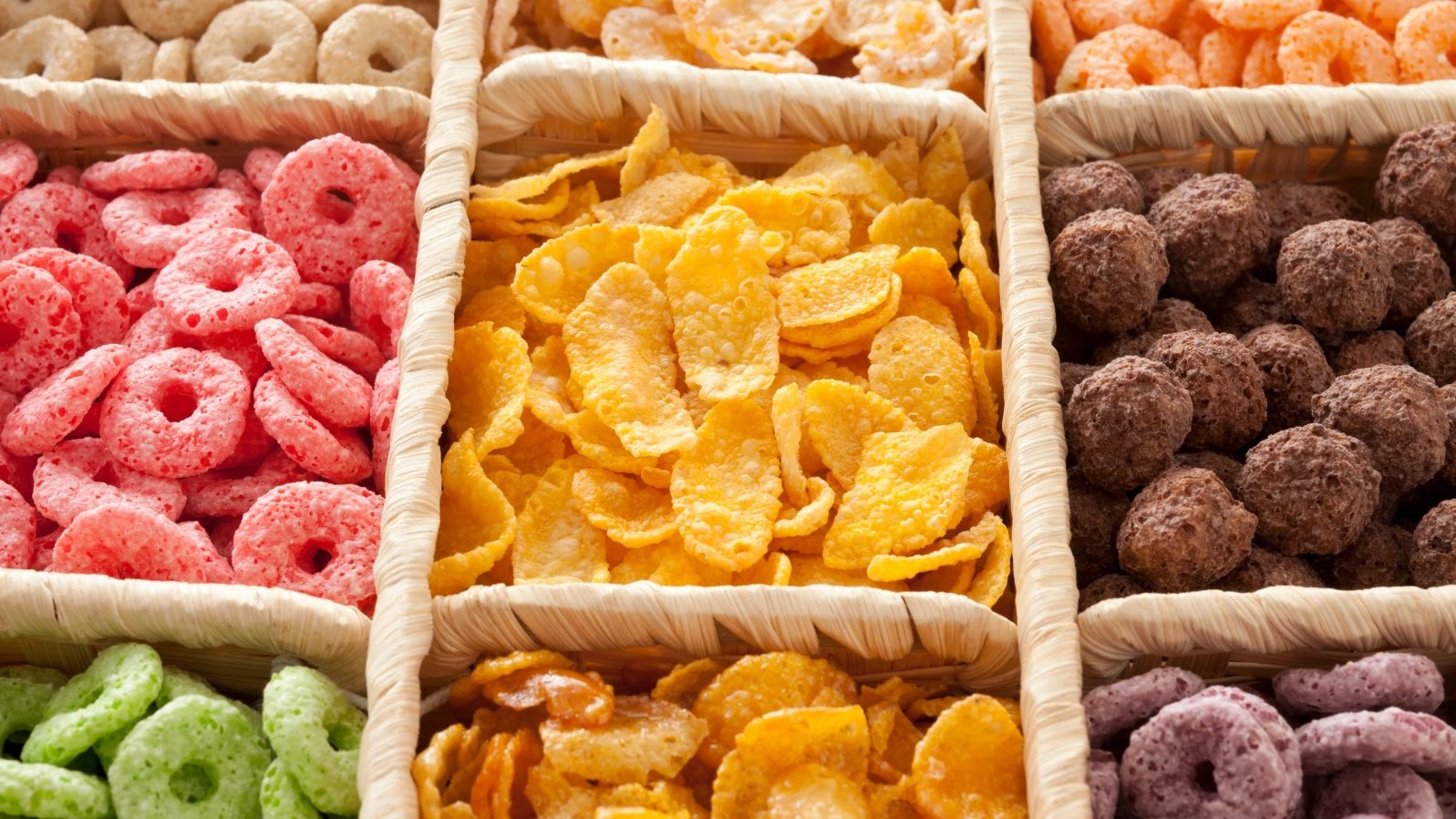
Even cereals marketed as “whole grain” or “fortified” often come with hidden sugar. Ingredients like cane juice, molasses, or fruit concentrate drive the sugar count up, with some boxes delivering 10 grams per small serving.
Better option: Choose cereals with 5 grams or less of sugar and at least 3 grams of fiber. Or switch to plain oats and customize with spices, seeds, and a touch of fruit.
8. Plant-based milks
Almond, oat, and soy milks are go-to dairy alternatives, but flavored or sweetened versions often pack a sugary punch. Vanilla or chocolate varieties can contain 10–15 grams of sugar per cup—surpassing many soft drinks.
Better option: Always check the label for “unsweetened” versions. Add cinnamon or vanilla extract at home for taste without sugar.
How to stay in control
Hidden sugars can be tricky, but reading labels closely can help. Here are a few tips:
- Look beyond “sugar”—scan for syrups, concentrates, and anything ending in “-ose”
- Compare grams per serving, not just front-of-pack claims
- Be cautious with “low-fat” or “light” products, which often have added sugar
- Prioritize whole, minimally processed foods
Remember, not all sugar is bad—but too much, especially when it’s hidden, can derail your fitness, energy, and metabolic health. Knowing where it hides is the first step to taking back control.
Even with the best intentions, you may be consuming more sugar than you think. Foods labeled as healthy can still be loaded with added sugars that counteract your diet goals. By becoming more label-aware and choosing less processed options, you can fuel your body better—and feel better doing it.
Start small: swap out just one hidden sugar source this week. You’ll be surprised how quickly your taste buds—and your energy levels—adjust.
