

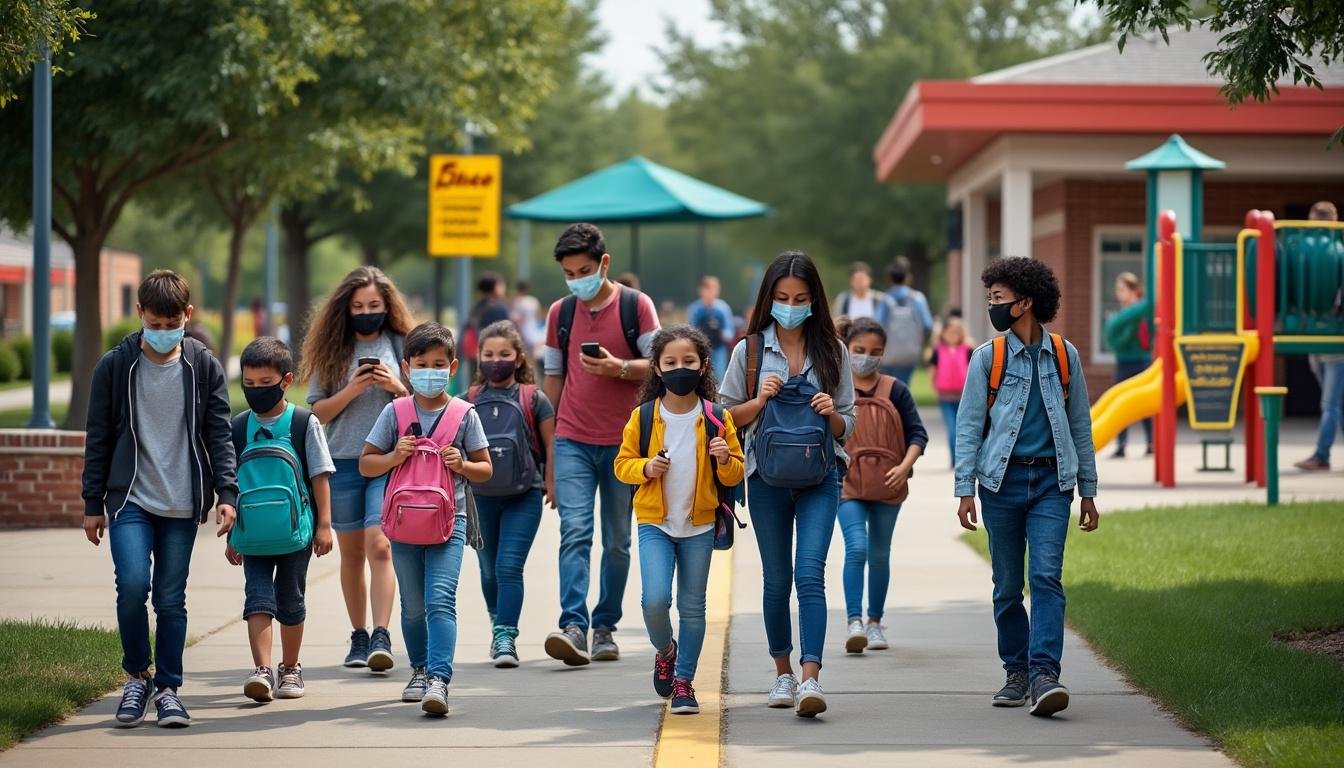
As the new academic year unfolds amid ongoing uncertainties, families and students are navigating unprecedented challenges in education and emotional well-being. The echoes of the pandemic still resonate—shifting school routines, safety debates, and mental health concerns shape the back-to-school experience in 2025. Parents face complex choices from mask policies to vaccination questions, while children adjust to transformed learning environments and stress. Navigating these times demands a blend of vigilance, emotional support, and practical strategies to foster resilience and stability at home and in schools.
Essential Strategies for a Healthy Back-to-School Transition in Uncertain Times
Returning to school during uncertain times requires more than just academic preparation. Mental health experts emphasize the importance of creating a nurturing atmosphere where children feel secure, understood, and guided, helping them adapt to the evolving school landscape. From structured schedules to mindful self-care, small actions can profoundly influence family dynamics and a child’s readiness for learning.
Staying Informed: Key to Safeguarding Your Family’s Health
Informed decision-making is critical as parents weigh various health guidelines. Reliable sources such as the Centers for Disease Control and Prevention (CDC) provide updated recommendations on vaccination safety, mask-wearing, and social distancing in schools. Engaging with your child’s physician can also clarify personalized safety measures, fostering confidence amidst the flux.
- Monitor official health updates regularly.
- Consult healthcare providers for tailored advice.
- Stay connected with school communications for policy changes.
- Leverage resources from trusted organizations including Staples, Target, and Walmart for school supplies aligned with health protocols.
For further insights into managing this new school year effectively, explore Live Well Magazine’s expert tips on thriving back-to-school transitions.
10 quick checks to spot low-quality supplements before you buy - plus research-backed doses for 12 common ingredients. Free PDF, no spam.
Providing Emotional Assurance and Open Communication
Children often mirror the emotional atmosphere around them. Parents’ calm reassurance is instrumental in helping kids feel safe amid pandemic-related uncertainty. Encouraging daily conversations where children can express fears or questions eases hidden anxieties and nurtures trust.
- Maintain open dialogues about feelings and experiences.
- Use age-appropriate explanations regarding health measures like masks and vaccinations.
- Recognize behavioral changes as potential signals of stress.
- Create spaces free of judgment, where children feel heard.
Memorial Behavioral Health offers valuable resources and therapeutic services to support both children and parents in navigating emotional challenges. Learn more about these services at starting a successful school year with emotional support.
Cultivating Routines and Mindfulness for Steady School Year Success
The uncertainty of 2025 means families are adapting to hybrid learning models, mask mandates, and fluctuating social distancing rules. Establishing consistent routines and incorporating mindfulness strategies enhances children’s capacity to manage stress and maintain focus, whether their day is virtual or in-person.
Benefits of Structured Schedules and Consistent Sleep Patterns
Children thrive when their days have predictable structure. Research shows that consistent wake-up times and bedtimes improve concentration and emotional balance. Parents should aim to keep sleep schedules uniform regardless of virtual or in-person class days to reinforce the importance of all learning modalities equally.
- Set regular sleep and wake times throughout the week.
- Create a dedicated workspace for remote learning when applicable.
- Incorporate regular breaks and physical activities in daily routines.
- Balance screen time with offline activities like reading and outdoor play.
Discover practical family wellness tips for maintaining healthy habits during school rushes at Live Well Magazine.
Mindfulness and Emotional Regulation Techniques for Students
Mindfulness practices can empower children to acknowledge their emotions and reduce anxiety. Techniques such as guided breathing exercises or meditation adapt well across ages and can be easily accessed through platforms like YouTube, offering accessible tools for families
- Introduce brief mindfulness sessions at the start and end of the day.
- Use guided videos designed for children to teach breathing exercises.
- Encourage journaling or drawing as outlets for emotions.
- Model calm behavior to set a positive example.
For additional strategies to cultivate wellness amid back-to-school transitions, visit this resource on establishing healthy habits for a successful school year.
Community Support and Resources Bolstering Families Through Uncertainty
Many families find relief and strength in community resources offered by health providers, schools, and local organizations. These supports range from therapeutic services to emotional support hotlines, helping parents and children navigate anxiety and stress with professional guidance.
Accessing Professional Help and Emotional Support Hotlines
As stress levels rise, families can access free or affordable mental health services. For instance, Memorial Behavioral Health in several communities offers personalized therapy for children and adolescents. An emotional support hotline operating weekdays provides confidential assistance for any adult under pressure.
- Contact Memorial Behavioral Health’s hotline at 217-588-5509 between 8 a.m. and 8 p.m.
- Explore local school district resources for wellness initiatives supported by collaborators like Microsoft, Google, and Amazon.
- Participate in community programs promoting healthy habits, in partnership with retailers like Nike, L.L.Bean, and The North Face for outdoor activities.
- Engage with online forums and support groups for shared experiences and advice.
Explore how communities are cultivating resilience at school openings in Live Well Magazine’s feature on cultivating healthy habits with complimentary resources.
10 quick checks to spot low-quality supplements before you buy - plus research-backed doses for 12 common ingredients. Free PDF, no spam.
